The Day I Learned the Body Is Not a Machine, It’s a Spring
When I was young in my career, I learned something that changed the way I see the human body forever.
One thing you have to understand is that my dad did not have a strong back.
I know that because I was his chiropractor.
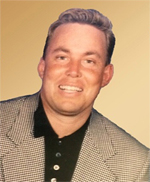
Ed Coan had a huge neck—about 20 inches around. Sometimes it looked thicker than his head. But right at the bottom of the neck, around C7–T1, there was always a problem. That part never moved right. To work on him, you had to push through a massive wall of muscle. His trapezius muscles were thick and hard, like armor.
When those muscles tightened, his back muscles would dip in toward the spine and the spine would stick out like a ridge. You’d be working on him thinking, “No wonder nobody could get past this guy in a fight.” But at the same time, you could feel how tired and overloaded his body really was.
We worked on him three days a week.
And here is the most important part of this story:
He didn’t come in because he had pain.
He came in because we could see the problems forming.
We were not chasing symptoms. We were watching a system slowly lose its ability to move, bend, and absorb force the way it was designed to.
That taught me something very early in my career:
By the time most people feel pain, the problem has usually been building for a long time.
The Body Is Not a Stack of Parts
Most people are taught to think of the body like a machine made of parts. If one part breaks, you fix or replace that part. But that is not how living bodies really work.
Your body works more like a system of living springs.
Springs bend. Springs store energy. Springs release energy. Springs protect structures from damage. Springs soften impact. Springs make movement smooth instead of jerky.
In engineering, this is often called a Spring-mass model, where energy moves through the system, gets stored, and then gets released again. In living bodies, this shows up as Elastic energy storage, Elastic recoil, and Shock absorption during normal movement like walking, running, or jumping.
This is the foundation of what I later called the Human Spring Approach.
It is not a treatment.
It is not a diagnosis.
It is a way of understanding how the body is supposed to work.
Why Athletes Accidentally Teach Us the Truth
Some of the best examples of how the body works as a spring come from sports.
Take Powerlifting, for example.
In powerlifting, athletes train the Squat, Bench press, and Deadlift. They test their strength using a One-rep max (1RM). They plan training using Progressive overload, Max effort training, a Strength cycle, a Peaking phase, and Periodization so they can perform their best at a Powerlifting meet.
Some compete in Raw lifting, some in Equipped lifting using Knee wraps and a Lifting belt. They rely on a Spotter. They work on Bar path, Lockout, and use Accessory exercises to strengthen the Posterior chain and fix problems with Weak point training.
But here is the part most people miss:
The strongest lifters are not just pushing with muscles. They are learning how to load and unload their body like a spring.
When that spring system is stiff, compressed, or jammed, the body has to use more muscle effort to do the same job. That is when people feel tired, tight, and eventually worn down.
Olympic Lifting Shows the Spring Even More Clearly
In Olympic Weightlifting, the spring nature of the body is even easier to see.
Movements like the Snatch and Clean and jerk are not slow strength exercises. They depend on timing, flow, and energy transfer. Even the smaller parts like the Clean, Jerk, Power clean, and Power snatch show this clearly.
Positions like the Front squat, Overhead squat, and Split jerk require not just strength, but Mobility and Technique training. Lifters focus on Bar speed, train on a Weightlifting platform, use a Hook grip, and learn how to move into the Receiving position with fast Turnover, perfect Timing and coordination, and a solid Catch position.
All of this depends on something called Triple extension—the hips, knees, and ankles extending together—and the ability to Pull under the bar at just the right moment.
None of this works well if the body is stiff like a board.
It works best when the body behaves like a spring.
Jumping Proves It Even More
If you want to see the spring system in action, look at Plyometrics.
Jumping, hopping, and throwing movements use something called the Stretch-shortening cycle. This is where tissues stretch, store energy, and then release it quickly.
This is how people develop Reactive strength, Explosive power, and improve Rate of force development.
Exercises like Jump training, Depth jumps, Box jumps, Bounding, Hopping drills, and Medicine ball throws all depend on short Ground contact time, good Landing mechanics, and strong Deceleration control.
Between the landing and the takeoff, there is a tiny moment called the Amortization phase. That is where energy is either recycled or lost.
When the system works well, you get smooth Elastic recoil, better Dynamic stability, and better Neuromuscular training effects.
When it does not work well, the body feels heavy, slow, and overloaded.
The Problem Is Not Age — It’s Stiffness
Most people think they feel old because they are old.
That is not really true.
Most people feel old because their spring system has become stiff, compressed, and glued together by years of poor movement, stress, sitting, and overload.
They are no longer moving like a spring.
They are moving like a stack of blocks.
And blocks do not absorb force. They transfer it into joints, discs, and tissues that were never meant to take it.
Where Self-Care Tools Fit In
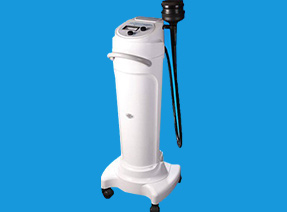
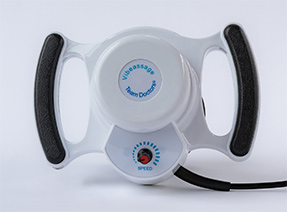
This is where tools like Vibeassage Pro and Vibeassage Sport come in.
They are not medical treatments.
They are not cures.
They do not diagnose anything.
They are self-care and recovery tools designed to help people:
- Relax tight tissues
• Improve comfort
• Improve local circulation
• Improve movement awareness
• Help the body feel looser and more mobile
Think of them like brushing your teeth or stretching your legs. They are part of daily maintenance for a system that is supposed to stay springy.
Just like athletes use warm-ups, cool-downs, and recovery tools to stay moving well, everyday people can use simple tools to take care of their own bodies.
The Big Idea
The Human Spring Approach is a way of thinking about your body:
Your body is not a machine made of rigid parts.
Your body is a living system designed to bend, store energy, release energy, and protect itself.
When that system loses its spring, everything feels harder.
In the next part, I’ll explain:
- How daily life slowly steals your spring
• Why “nothing is wrong” often comes before something is very wrong
• How stiffness builds long before pain appears
• And how simple daily care habits can help you keep your body feeling younger, lighter, and more mobile
How People Lose Their Spring Without Even Noticing
Most people do not wake up one day and suddenly lose their ability to move well.
It happens slowly.
So slowly that they often do not notice it at all.
Think about a brand-new rubber band. It stretches easily. It snaps back quickly. Now think about a rubber band that has been sitting in a drawer for ten years. It feels stiff. It does not stretch the same. Sometimes it even cracks.
Human bodies can change in a very similar way.
When you are young, your tissues naturally handle Shock absorption, Elastic recoil, and Elastic energy storage without you ever thinking about it. Your body automatically manages Deceleration control and keeps good Landing mechanics when you jump, walk, or run.
You do not need to “train” this. It just happens.
But over time, life starts to interfere.
The Slow Thief Called Daily Life
Sitting for hours. Looking down at phones. Driving. Stress. Old injuries. Repeating the same motions day after day. All of these slowly change how the body moves.
The body adapts, but not always in a good way.
Muscles that are supposed to lengthen and shorten smoothly begin to stay slightly tight all the time. Joints that are supposed to glide begin to move less. The spring system that once shared load across the whole body starts to stiffen in certain areas.
This is how people slowly lose access to the Stretch-shortening cycle and the easy Reactive strength they once had.
They do not feel “injured.”
They just feel “tight.”
Or “stiff.”
Or “not as young as they used to be.”
Why Athletes Notice It First
Athletes often notice these changes earlier, because their bodies have to perform at higher levels.
A powerlifter might notice that their Squat or Deadlift feels heavier even though the weight has not changed. Their Bar path might not feel as smooth. Their Lockout might start to feel harder.
They might still follow their Strength cycle, their Peaking phase, and their Periodization, but something feels different. Even with perfect Progressive overload and Max effort training, the body does not respond the same.
In Powerlifting, whether someone does Raw lifting or Equipped lifting with Knee wraps and a Lifting belt, they still depend on their Posterior chain working like a spring. When that spring stiffens, more stress gets pushed into joints and smaller structures.
They add more Accessory exercises and more Weak point training, but sometimes the real issue is not weakness. It is lost spring.
Olympic Lifting Makes It Even More Obvious
In Olympic Weightlifting, loss of spring shows up even faster.
The Snatch and Clean and jerk depend on timing and flow. When the spring system is healthy, Bar speed feels easy, Turnover feels smooth, and moving into the Receiving position feels natural.
But when stiffness builds, the Pull under becomes slower. The Catch position feels heavy. The Front squat and Overhead squat start to feel more like grinding strength exercises instead of fluid movements.
Even the Power clean, Power snatch, and Split jerk start to feel forced.
Athletes may still have strength, but they lose that smooth Triple extension and clean Timing and coordination that makes the lifts feel light.
The Jump Test of Life
Jumping is one of the simplest ways to see whether a body still behaves like a spring.
In Plyometrics, movements like Box jumps, Depth jumps, Bounding, Hopping drills, and Medicine ball throws all depend on short Ground contact time and fast energy recycling.
When the spring system works, the body drops, loads, and rebounds.
When it does not, the body drops, sticks, and has to push itself back up using more muscle effort.
The Amortization phase gets longer. The movement feels slower. Explosive power fades. Rate of force development drops. Dynamic stability becomes harder to maintain.
People often describe this as feeling “heavy” or “sluggish.”
The Quiet Stage Before Pain
This is the most dangerous stage.
Not because it hurts.
But because it does not.
This is the stage your dad was in.
The system is already overloaded. Certain areas are already moving too little and working too hard. But there is no sharp pain yet. So people assume everything is fine.
They keep living the same way.
They keep stacking stress onto a system that is slowly losing its ability to spread load.
Eventually, the body has to protect itself.
It does this by tightening even more.
This is not a failure. It is a survival strategy.
But a tight system is not a springy system.
The Body Starts Cheating
When the natural spring pathways stop working well, the body finds other ways to get the job done.
It might use the lower back instead of the hips.
It might use the neck and shoulders instead of the upper back.
It might use smaller muscles instead of bigger ones.
The movement still happens.
But it costs more.
More effort.
More fatigue.
More wear.
Over time, this is how people end up feeling like their body is “held together by tension.”
Why Recovery and Daily Care Matter
This is why athletes take recovery seriously.
They do not just train.
They warm up.
They cool down.
They do mobility work.
They use simple tools to help tissues relax and move.
For everyday people, the same idea applies.
Tools like Vibeassage Pro and Vibeassage Sport are not treatments. They are not cures. They are simple self-care tools designed to help the body feel more relaxed, more comfortable, and easier to move.
They support daily maintenance of a system that is supposed to stay flexible and springy.
Just like brushing your teeth does not “treat” cavities, but helps prevent problems, simple daily body care helps keep the system working the way it was designed to.
The Big Realization
Most problems do not start with pain.
They start with lost motion.
Lost bounce.
Lost spring.
Pain usually comes later.
In the next part, I will explain:
- Why the body tightens to protect itself
• How “muscle armor” slowly forms
• Why more strength is not always the answer
• And how restoring movement quality is different from just forcing more exercise
When the Body Builds Armor Instead of Bounce
Your body is very smart.
When something feels unsafe, overloaded, or unstable, it does not wait for permission. It protects you.
It does this by tightening.
At first, this tightening is helpful. It adds Dynamic stability. It helps control motion. It helps manage Deceleration control and protects joints during movement.
But when this tightening stays for too long, something changes.
The body does not go back to normal.
It starts to live in tension.
From Support to Armor
In a healthy system, muscles tighten and relax as needed. They help control motion, then let go so the spring system can work.
In a stressed system, muscles start to stay “half on” all the time.
They become what I often call “muscle armor.”
This armor makes the body feel strong and solid on the outside, but stiff and tired on the inside.
It blocks Elastic recoil.
It interferes with Elastic energy storage.
It makes Shock absorption less efficient.
The body can still move, but it no longer moves like a spring.
Why Strong People Can Still Feel Broken
This is one of the most confusing things for people.
They say, “But I’m strong.”
And many of them are.
They lift weights. They train. They work hard.
Some can Squat, Bench press, and Deadlift impressive numbers. They test their One-rep max (1RM). They follow Progressive overload, Max effort training, and plan their year with Periodization, Strength cycles, and a Peaking phase for competition or personal goals.
Some compete in Powerlifting. Some in Olympic Weightlifting. Some do Plyometrics and Jump training.
But strength and spring are not the same thing.
You can have strong muscles and still have a stiff system.
You can still move heavy weights and yet lose access to the Stretch-shortening cycle, Reactive strength, and easy Explosive power that makes movement feel light instead of heavy.
When Strength Replaces Spring
When the spring system stops working well, the body has to rely more on pure muscle effort.
Movements that used to feel elastic start to feel like grinding.
In Olympic Weightlifting, this is when the Snatch and Clean and jerk stop feeling smooth. The Bar speed drops. The Turnover feels slow. The Receiving position feels heavy. The Catch position feels like a crash instead of a flow.
Even positions like the Front squat, Overhead squat, and Split jerk start to feel like hard work instead of coordinated movement.
In Powerlifting, this is when the Bar path starts to feel forced, the Lockout feels harder, and lifters add more and more Accessory exercises and Weak point training to chase problems that are really coming from lost spring in the Posterior chain.
The Jump That Tells the Truth
Jumping never lies.
In healthy systems, Box jumps, Depth jumps, Bounding, and Hopping drills look smooth and springy. Ground contact time is short. The Amortization phase is quick. Energy flows.
In stiff systems, jumps look heavy. People sink, pause, and then push. The body cannot use Elastic recoil well, so it has to use more muscle.
Rate of force development drops. Neuromuscular training becomes harder. Landing mechanics become more cautious and guarded.
People often say, “I just don’t feel explosive anymore.”
That is usually not an age problem.
It is a spring problem.
The Protection Trap
Here is the trap:
The body tightens to protect itself.
The tightness reduces spring.
The reduced spring increases stress.
The body tightens even more.
This is a loop.
Over time, the body becomes very good at being stiff.
But stiffness is expensive.
It costs more energy.
It creates more fatigue.
It reduces movement options.
Why Forcing Stretching or Forcing Strength Often Fails
Some people try to fix stiffness by forcing stretching.
Others try to fix it by getting even stronger.
Both can help in certain situations.
But neither automatically restores the spring system.
Spring is about timing, flow, and coordination, not just length or strength.
This is why Technique training, Mobility, and Timing and coordination matter so much in sports like Olympic Weightlifting.
It is also why Plyometrics depend on the Spring-mass model and not just muscle power.
Where Gentle Self-Care Fits In
This is where daily self-care tools have a role.
Not to fix anything.
Not to treat anything.
But to help the body:
- Relax
• Feel safer
• Move more easily
• Reduce the “always on” tension
Tools like Vibeassage Pro and Vibeassage Sport are designed to be used by regular people at home as part of simple daily care.
They help tissues feel more comfortable and less guarded.
When the body feels safer, it often allows more movement.
When movement improves, the spring system has a chance to work again.
The Big Shift in Thinking
The goal is not to make the body stronger at all costs.
The goal is to make the body work better.
To move better.
To flow better.
To absorb and release energy better.
Strength is part of that.
But spring is the foundation.
In the final part, I will explain:
- How to think about rebuilding your “spring lifestyle”
• Why small daily habits matter more than big heroic workouts
• How athletes and normal people use the same principles
• And how to live in a way that helps your body feel lighter, younger, and more capable over time
What We Learned From Powerlifters, Strength Athletes, and Distance Runners
Over the years, some of the best teachers about the human body have not been textbooks.
They have been athletes.
Not because athletes are perfect, but because they push their bodies far enough to reveal how the system really works.
Two groups in particular have taught us a lot: strength athletes and distance runners.
At first, they seem like opposites.
One group lifts heavy things.
The other repeats light steps for a very long time.
But both depend on the same thing:
A body that can manage force without breaking down.
What Powerlifters Teach About Load
In Powerlifting, the goal is simple: lift the most weight possible in the Squat, Bench press, and Deadlift.
Athletes organize their training around One-rep max (1RM), Progressive overload, Max effort training, and long-term planning through Periodization, Strength cycles, and a Peaking phase leading into a Powerlifting meet.
Some compete in Raw lifting. Others in Equipped lifting using Knee wraps and a Lifting belt. A Spotter is often there for safety. Everyone pays attention to Bar path, Lockout, and uses Accessory exercises to strengthen the Posterior chain and fix problems through Weak point training.
What we noticed over many years is this:
The lifters who lasted the longest were not just the strongest.
They were the ones who kept their bodies moving well.
When their hips, backs, and shoulders stayed mobile and coordinated, their lifts felt smoother and more repeatable. When their systems became stiff and guarded, everything started to feel heavier—even weights they had lifted many times before.
This taught us that strength rides on top of movement quality.
If the movement system loses its spring, strength becomes expensive.
What Olympic Lifting Teaches About Flow
In Olympic Weightlifting, this lesson becomes even clearer.
The Snatch and Clean and jerk depend on Bar speed, Timing and coordination, and smooth transitions into the Receiving position and Catch position. Even the Power clean, Power snatch, Front squat, Overhead squat, and Split jerk depend on clean Triple extension and a fast Pull under.
Lifters train on a Weightlifting platform, use a Hook grip, and spend huge amounts of time on Technique training and Mobility because they know strength alone is not enough.
When the spring system is working, lifts feel crisp and efficient. When it is not, everything feels forced and heavy.
What Plyometrics Teach About Elasticity
Many strength athletes also use Plyometrics to stay fast and reactive.
Movements like Box jumps, Depth jumps, Bounding, Hopping drills, and Medicine ball throws train the Stretch-shortening cycle, Reactive strength, and Explosive power.
They depend on short Ground contact time, fast Elastic recoil, good Landing mechanics, and strong Deceleration control.
These drills make it very clear when the spring system is working and when it is not. If the Amortization phase gets long and slow, performance drops. Rate of force development falls. Dynamic stability becomes harder to maintain.
What Distance Runners Teach About Endurance
Distance runners seem very different from lifters.
But they may depend on the spring system even more.
Running is not about pushing.
It is about bouncing—thousands of times.
Every step depends on Elastic energy storage, Shock absorption, and efficient Elastic recoil. Over long distances, even small losses in spring efficiency add up to big increases in fatigue.
Runners who lose spring start to feel “heavy.” Their steps get louder. Their bodies feel more beaten up after runs that used to feel easy.
The best runners often look effortless, not because they are relaxed, but because their spring system is working well.
The Same Pattern in Everyone
Whether someone is a powerlifter, an Olympic lifter, a runner, or a normal person just trying to feel good in daily life, we kept seeing the same pattern:
When movement stays springy, the body feels younger and more capable.
When movement becomes stiff and guarded, everything feels harder.
This is not about being an athlete.
It is about being human.
Where Simple Daily Care Fits In
Athletes take care of their bodies every day.
They do not wait until something hurts.
They warm up.
They cool down.
They work on mobility.
They use simple recovery tools.
For everyday people, the same idea applies.
Tools like Vibeassage Pro and Vibeassage Sport are not treatments or cures. They are simple self-care tools meant to support comfort, relaxation, and easier movement as part of daily maintenance.
When used gently and consistently, they can help people feel less tight, less guarded, and more at ease in their own bodies.
That feeling of ease is often the first step toward better movement.
The Human Spring Lifestyle
The Human Spring Approach is not a program.
It is a way of living.
It means:
- Valuing movement quality
• Avoiding living in constant tension
• Keeping your body flexible, elastic, and adaptable
• Taking small daily steps to care for your system
You do not have to train like an athlete.
But you can learn from how athletes take care of their bodies.
The Real Goal
The real goal is not to lift more weight.
The real goal is not to run farther.
The real goal is to keep your body working like it was designed to work.
To move with ease.
To absorb and release force.
To feel light instead of heavy.
To feel capable instead of fragile.
Your body is not a machine.
It is a living spring system.
And when you take care of that system, it usually takes care of you.
Team Doctors Resources
✓ Check out the Team Doctors Recovery Tools
The Vibeassage Sport and the Vibeassage Pro featuring the TDX3 soft-as-the-hand Biomimetic Applicator Pad
https://www.teamdoctors.com/
✓ Get Dr. Stoxen’s #1 International Bestselling Books
Learn how to understand, examine, and reverse your TOS—without surgery.
https://drstoxen.com/1-international-best-selling-author/
✓ Check out Team Doctors Online Courses
Step-by-step video lessons, demonstrations, and self-treatment strategies.
https://teamdoctorsacademy.com/
✓ Schedule a Free Phone Consultation With Dr. Stoxen
Speak directly with him so he can review your case and guide you on your next steps.
https://drstoxen.com/appointment/
#ThoracicOutletSyndrome #Scalene #PectoralisMinor #FirstRib #Anatomy #FunctionalAnatomy #PainSources #NerveCompression #VascularCompression #BodyKnowledge #Rehab #PainScience #HumanSpring #Biomechanics #Education

Dr James Stoxen DC., FSSEMM (hon) He is the president of Team Doctors®, Treatment and Training Center Chicago, one of the most recognized treatment centers in the world.
Dr Stoxen is a #1 International Bestselling Author of the book, The Human Spring Approach to Thoracic Outlet Syndrome. He has lectured at more than 20 medical conferences on his Human Spring Approach to Thoracic Outlet Syndrome and asked to publish his research on this approach to treating thoracic outlet syndrome in over 30 peer review medical journals.
He has been asked to submit his other research on the human spring approach to treatment, training and prevention in over 150 peer review medical journals. He serves as the Editor-in-Chief, Journal of Orthopedic Science and Research, Executive Editor or the Journal of Trauma and Acute Care, Chief Editor, Advances in Orthopedics and Sports Medicine Journal and editorial board for over 35 peer review medical journals.
He is a much sought-after speaker. He has given over 1000 live presentations and lectured at over 70 medical conferences to over 50,000 doctors in more than 20 countries. He has been invited to speak at over 300 medical conferences which includes invitations as the keynote speaker at over 50 medical conferences.
After his groundbreaking lecture on the Integrated Spring-Mass Model at the World Congress of Sports and Exercise Medicine he was presented with an Honorary Fellowship Award by a member of the royal family, the Sultan of Pahang, for his distinguished research and contributions to the advancement of Sports and Exercise Medicine on an International level. He was inducted into the National Fitness Hall of Fame in 2008 and the Personal Trainers Hall of Fame in 2012.
Dr Stoxen has a big reputation in the entertainment industry working as a doctor for over 150 tours of elite entertainers, caring for over 1000 top celebrity entertainers and their handlers. Anthony Field or the popular children’s entertainment group, The Wiggles, wrote a book, How I Got My Wiggle Back detailing his struggles with chronic pain and clinical depression he struggled with for years. Dr Stoxen is proud to be able to assist him.
Full Bio) Dr Stoxen can be reached directly at teamdoctors@aol.com