Thoracic Outlet Syndrome is commonly discussed in terms of arm pain, numbness, tingling, and weakness. In clinical observation, however, many individuals describe emotional changes that develop alongside physical symptoms. This includes anxiety, low mood, irritability, mental fatigue, and difficulty coping with stress.
Patients often report that these emotional symptoms feel just as disruptive as the physical discomfort. Some worry that anxiety or depression means something separate is “wrong” with them. This is a pattern I commonly see in individuals experiencing long-standing thoracic outlet syndrome symptoms.
Thoracic Outlet Syndrome refers to a pattern of nerve and vascular compression occurring in the space between the neck and shoulder. This region contains the brachial plexus, subclavian artery, and subclavian vein. Mechanical narrowing in this area alters nerve signaling, blood flow, and muscle tone.
Many individuals describe neck pain radiating to arm sensations that worsen with overhead activity. Others report arm numbness and tingling cause that fluctuates throughout the day. These physical sensations create constant sensory input to the nervous system.
Over time, persistent nerve irritation and vascular compression can contribute to nervous system dysregulation. The body remains in a heightened state of alert. Muscles guard reflexively. Breathing patterns change. Sleep becomes fragmented.
Sleep disruption plays a significant role in mood changes. People with TOS frequently report sleep disturbance, waking with arm heaviness or tingling. Poor sleep alters pain perception and emotional resilience.
In my clinical experience, prolonged physical stressors often overlap with emotional symptoms such as anxiety and depression. This overlap does not suggest a psychological weakness. It reflects how the nervous system responds to continuous sensory overload.
Chronic pain conditions are associated with increased inflammatory signaling. When inflammation persists, it does not remain isolated to the shoulder or arm. Circulating inflammatory mediators influence brain chemistry and neural communication.
Researchers have described connections between inflammation and depression, particularly in chronic pain populations. Inflammatory cytokines can alter neurotransmitter balance, including serotonin and dopamine pathways involved in mood regulation.
Many individuals describe brain fog, difficulty concentrating, or slowed thinking. Others report emotional exhaustion after minimal activity. These experiences are consistent with sustained nervous system strain.
Thoracic Outlet Syndrome often involves muscle guarding in the neck, shoulder girdle, and upper chest. Guarding reduces tissue compliance and further narrows anatomical space. This perpetuates a cycle of compression and sensory irritation.
As symptoms persist, people may experience chronic fatigue. Tasks that once felt simple become draining. This contributes to low energy and reduced tolerance for stress.
Mood changes can include irritability, frustration, and loss of motivation. These shifts are commonly misinterpreted as purely emotional problems rather than integrated nervous system responses.
Many individuals describe emotional numbness or reduced pleasure, sometimes referred to as anhedonia. This can occur when the nervous system remains in a prolonged protective state.
Thoracic Outlet Syndrome may also involve vascular components. Reduced venous outflow can contribute to swelling, heaviness, and pressure sensations. These symptoms are often worse in the morning or after sustained postures.
People experiencing cold hand or arm cause sensations may notice increased anxiety due to unpredictable changes in circulation. This uncertainty heightens stress responses.
Over time, stress and pain reinforce one another. Stress and depression can increase muscle tension, while increased tension worsens mechanical compression. This feedback loop is well documented in chronic musculoskeletal conditions.
Some individuals develop mood instability, feeling emotionally reactive without clear triggers. This reflects altered autonomic nervous system balance rather than a personality change.
Persistent symptoms may lead to hopelessness, especially when answers feel elusive. Education about the biological basis of these experiences is often reassuring.
It is important to understand that depressive symptoms in TOS do not imply a primary mood disorder. They frequently represent secondary responses to chronic pain, poor sleep, and inflammation.
Patients often ask whether these emotional changes mean they have clinical depression or major depressive disorder. Diagnostic determination requires careful evaluation and is beyond educational discussion, but symptom overlap is common.
In observational patterns, many people with TOS report fatigue and depression developing together. This pairing reflects shared physiological pathways.
Some individuals experience mental exhaustion after brief mental or physical effort. This aligns with increased metabolic demand in a stressed nervous system.
Others describe loss of interest in activities they once enjoyed. This change often parallels symptom flares rather than life circumstances.
The concept of neuroinflammation helps explain why emotional and cognitive symptoms appear in physical compression syndromes. Neural tissue is sensitive to inflammatory environments.
Thoracic Outlet Syndrome may also coexist with chronic stress, further amplifying nervous system load. Stress hormones influence muscle tone, vascular dynamics, and pain sensitivity.
Over time, persistent overload may resemble features seen in persistent depressive disorder, though the underlying drivers differ.
Some individuals describe symptoms consistent with treatment-resistant depression, particularly when physical contributors are unrecognized.
Seasonal changes, reduced activity, and pain flares may intensify mood symptoms similar to seasonal affective disorder patterns.
Understanding these connections reframes emotional symptoms as meaningful signals rather than personal failings. This perspective often reduces fear and self-blame.
In clinical observation, addressing sleep quality, posture mechanics, and movement patterns often coincides with improved emotional regulation. This reflects integrated nervous system responses.
Educational tools, including biomechanical models, can help individuals understand why symptoms cluster. Team Doctors® emphasizes anatomical and engineering-based explanations.
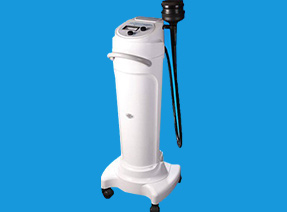
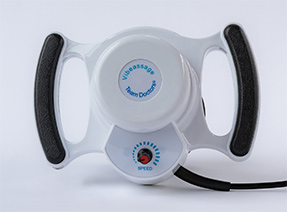
Recovery tools such as Vibeassage® Sport and Vibeassage® Pro featuring the TDX3 soft-as-the-hand Biomimetic Applicator Pad are designed to interact with soft tissue and sensory input. Their mention here is educational, not prescriptive.
Many individuals benefit from learning how posture mechanics influence thoracic outlet space. Awareness alone can reduce perceived threat and stress.
It is also common for people with TOS to experience burnout, especially when symptoms interfere with work and identity. Burnout reflects cumulative overload rather than emotional weakness.
Recognizing that mood changes arise from mood disorder–like physiology without implying diagnosis can be validating. Education reduces uncertainty.
Thoracic Outlet Syndrome affects the body as a system. Nerves, vessels, muscles, sleep, and mood interact continuously. Isolating one symptom misses the broader picture.
When individuals understand that anxiety and depression commonly accompany TOS, they often report relief. They feel less alone and more grounded in their experience.
This educational framework emphasizes observation, anatomy, and physiology. It avoids promises, diagnoses, or guarantees.
Understanding patterns empowers individuals to ask better questions and seek appropriate evaluation. Knowledge itself reduces stress load.
Thoracic Outlet Syndrome is not “just in the arm.” It is a whole-system condition with physical and emotional dimensions that deserve equal understanding.
Team Doctors Resources
✓ Check out the Team Doctors Recovery Tools
The Vibeassage Sport and the Vibeassage Pro featuring the TDX3 soft-as-the-hand Biomimetic Applicator Pad
https://www.teamdoctors.com/
✓ Get Dr. Stoxen’s #1 International Bestselling Books
Learn how to understand, examine, and reverse your TOS—without surgery.
https://drstoxen.com/1-international-best-selling-author/
✓ Check out Team Doctors Online Courses
Step-by-step video lessons, demonstrations, and self-treatment strategies.
https://teamdoctorsacademy.com/
✓ Schedule a Free Phone Consultation With Dr. Stoxen
Speak directly with him so he can review your case and guide you on your next steps.
https://drstoxen.com/appointment/
#ThoracicOutletSyndrome #TOS #ChronicPain #NerveCompression #BrachialPlexus #ShoulderPain #ArmNumbness #PainScience #Neuroinflammation #MentalHealthAwareness #ChronicStress #SleepAndPain #PostureMatters #Biomechanics #NervousSystem #PainEducation #Inflammation #HealthEducation #PatientAwareness #TeamDoctors
References
- Urschel, H. C., and Razzuk, M. A. “Neurovascular Compression in Thoracic Outlet Syndromes.” Annals of Thoracic Surgery 39, no. 4 (1985): 323–327. https://doi.org/10.1016/S0003-4975(10)62566-8
- Slavich, G. M., and Irwin, M. R. “From Stress to Inflammation and Major Depressive Disorder.” Psychological Bulletin 140, no. 3 (2014): 774–815. https://doi.org/10.1037/a0035302
- Birklein, F., and Schmelz, M. “Neurogenic Inflammation in Pain.” Journal of Neurology 255, no. 2 (2008): 157–165. https://doi.org/10.1007/s00415-008-0701-5
- Cohen, S. P., and Hooten, W. M. “Advances in the Diagnosis and Management of Neck Pain.” BMJ 358 (2017): j3221. https://doi.org/10.1136/bmj.j3221

Dr James Stoxen DC., FSSEMM (hon) He is the president of Team Doctors®, Treatment and Training Center Chicago, one of the most recognized treatment centers in the world.
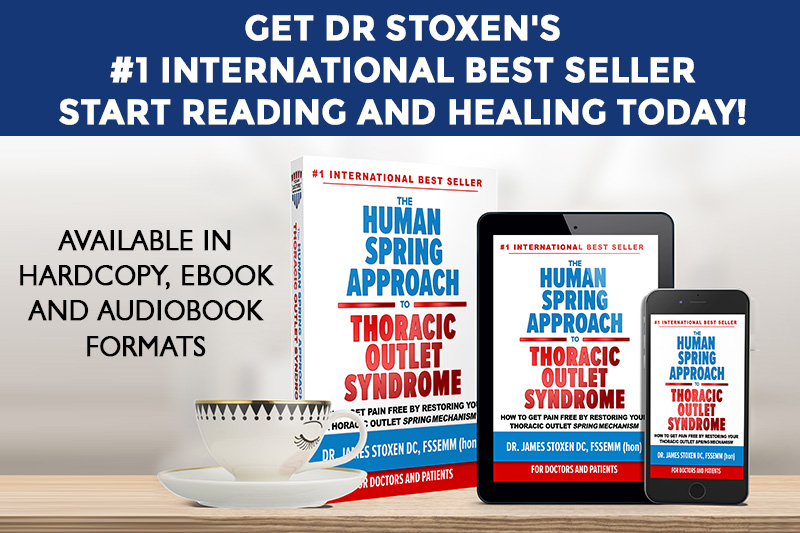
Dr Stoxen is a #1 International Bestselling Author of the book, The Human Spring Approach to Thoracic Outlet Syndrome. He has lectured at more than 20 medical conferences on his Human Spring Approach to Thoracic Outlet Syndrome and asked to publish his research on this approach to treating thoracic outlet syndrome in over 30 peer review medical journals.
He has been asked to submit his other research on the human spring approach to treatment, training and prevention in over 150 peer review medical journals. He serves as the Editor-in-Chief, Journal of Orthopedic Science and Research, Executive Editor or the Journal of Trauma and Acute Care, Chief Editor, Advances in Orthopedics and Sports Medicine Journal and editorial board for over 35 peer review medical journals.
He is a much sought-after speaker. He has given over 1000 live presentations and lectured at over 70 medical conferences to over 50,000 doctors in more than 20 countries. He has been invited to speak at over 300 medical conferences which includes invitations as the keynote speaker at over 50 medical conferences.
After his groundbreaking lecture on the Integrated Spring-Mass Model at the World Congress of Sports and Exercise Medicine he was presented with an Honorary Fellowship Award by a member of the royal family, the Sultan of Pahang, for his distinguished research and contributions to the advancement of Sports and Exercise Medicine on an International level. He was inducted into the National Fitness Hall of Fame in 2008 and the Personal Trainers Hall of Fame in 2012.
Dr Stoxen has a big reputation in the entertainment industry working as a doctor for over 150 tours of elite entertainers, caring for over 1000 top celebrity entertainers and their handlers. Anthony Field or the popular children’s entertainment group, The Wiggles, wrote a book, How I Got My Wiggle Back detailing his struggles with chronic pain and clinical depression he struggled with for years. Dr Stoxen is proud to be able to assist him.
Full Bio) Dr Stoxen can be reached directly at teamdoctors@aol.com