Thoracic Outlet Syndrome involves a complex interaction between anatomy, movement, and vascular structures.
Many individuals describe arm symptoms that seem unrelated until the anatomy of the thoracic outlet is carefully examined.
The thoracic outlet is the narrow passageway between the neck and the upper chest.
Through this space pass nerves, veins, and arteries supplying the arm.
When this space becomes narrowed, circulation and nerve signaling can be affected.
This narrowing can explain vascular thoracic outlet symptoms reported by patients.
In my clinical experience, vascular involvement often presents differently than nerve irritation.
Patients often report sensations related to blood flow rather than sharp pain alone.
One common complaint is poor circulation in arm during or after activity.
This can appear gradually and may not be constant at first.
Another frequently described issue is arm swelling and pain that increases with use.
The swelling may fluctuate throughout the day.
Some individuals notice blue or purple arm symptoms that appear after prolonged positioning.
Color changes can be alarming and often prompt further evaluation.
A cold hand circulation problem is also commonly mentioned.
This may occur even in warm environments.
When blood flow is restricted, people may describe a feeling that blood is not moving freely.
This sensation is often described as blood flow blocked to arm.
Venous involvement can create heaviness rather than sharp discomfort.
Patients often describe arm heaviness and swelling after repetitive tasks.
One anatomical factor involves vein compression in shoulder regions.
This compression can occur when surrounding muscles or ribs alter position.
Discoloration combined with discomfort is another pattern clinicians recognize.
Some describe arm discoloration and pain that improves with rest.
Activity-related changes are a hallmark of vascular involvement.
Arm swelling after activity is a commonly reported pattern.
Circulatory changes can feel vague and difficult to describe.
People often use the phrase blood flow issues in arm when explaining symptoms.
Temperature differences between arms may be subtle or obvious.
Some notice cold hand or arm on the affected side.
Swelling may extend into the hand and fingers.
This can appear as hand swelling and discoloration in the morning.
Color changes may range from bluish to deep purple.
Patients sometimes specifically note a blue or purple hand.
Compression-related symptoms can involve pressure rather than sharp pain.
These are often called vein compression symptoms arm.
At the shoulder level, multiple structures converge.
This explains reports of vascular compression shoulder sensations.
Heaviness is a recurring descriptor.
Many individuals say the arm feels heavy and tight during overhead activity.
Pressure sensations may increase with exertion.
Some describe arm pressure with activity that eases afterward.
Exercise can amplify venous congestion.
This may show up as a swollen arm after exercise.
Discomfort along superficial veins can also occur.
People may report arm vein pain without a clear injury.
Taken together, these patterns form recognizable arm circulation disorder symptoms.
They often fluctuate based on posture and movement.
Reduced venous return creates backflow pressure.
This is often described as reduced blood flow to arm.
Compression at the thoracic outlet may explain persistent swelling.
Clinicians may document arm swelling from compression during examinations.
In some cases, nerve and vascular issues coexist.
These overlapping patterns are called vascular nerve compression symptoms.
The shoulder region plays a critical role in circulation.
Patients may describe blood flow problems shoulder with prolonged positioning.
Color changes are not always painful but can be concerning.
Some notice arm color changes pain during sustained activity.
Circulatory complaints are often nonspecific.
People may simply report circulatory issues arm pain.
When venous obstruction becomes pronounced, clinicians may consider vascular tos signs.
These signs guide further imaging and evaluation.
In advanced cases, congestion reflects blood flow obstruction arm.
This requires careful anatomical assessment.
Swelling can sometimes extend beyond the arm itself.
Upper extremity swelling may include the shoulder and chest wall.
Effort-related venous congestion has been described in the literature.
This is sometimes called effort thrombosis.
Visible veins across the chest may develop over time.
These are known as chest wall veins.
A bluish appearance can indicate venous pooling.
Clinicians may document cyanotic discoloration.
Over time, the body may adapt to altered flow.
This can result in collateral vein formation.
Swelling may be noticed near the collarbone.
Patients sometimes report swelling above clavicle.
After activity, discomfort may persist longer than expected.
Some describe throbbing pain after activity.
Imaging studies are often used to better understand anatomy.
Tests such as doppler ultrasound evaluate blood flow dynamics.
Advanced imaging can visualize venous pathways.
MRI venography provides detailed soft tissue views.
Other studies may include CT venography to assess compression patterns.
Each imaging method offers different anatomical insights.
Traditional venography may still be referenced in clinical discussions.
It provides a dynamic view of venous flow.
Understanding scalene muscle anatomy is essential.
These muscles attach directly to the cervical spine and upper ribs.
When scalenes shorten, rib position can change.
This may narrow the space available for vessels and nerves.
Venous structures are particularly sensitive to compression.
They rely on open pathways and movement to drain blood.
Morning swelling can reflect overnight positional factors.
Gravity and muscle tone both influence venous return.
Posture plays a critical role in thoracic outlet mechanics.
Sustained forward head or shoulder positions can reduce space.
Movement-based assessments help identify contributing factors.
Clinicians often observe symptom changes with arm elevation.
Education focuses on understanding patterns rather than labeling disease.
This approach emphasizes anatomy and biomechanics.
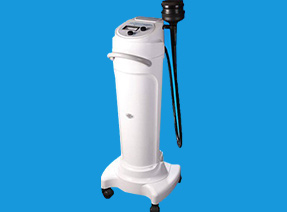
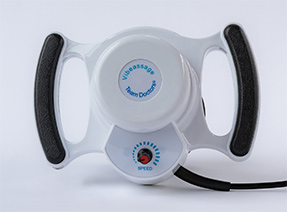
Tools like Vibeassage® are sometimes discussed in educational contexts.
The Vibeassage® Sport and Vibeassage® Pro are examples of recovery tools.
These devices may feature the TDX3 soft-as-the-hand Biomimetic Applicator Pad.
They are referenced in discussions about muscle tension and circulation awareness.
Team Doctors® educational materials often emphasize anatomy literacy.
Understanding structure helps individuals interpret their symptoms.
Thoracic Outlet Syndrome is not defined by one symptom alone.
It represents a spectrum of anatomical and mechanical influences.
By recognizing vascular patterns, individuals gain clarity.
Education helps connect symptoms to underlying anatomy.
Team Doctors Resources
✓ Check out the Team Doctors Recovery Tools
The Vibeassage Sport and the Vibeassage Pro featuring the TDX3 soft-as-the-hand Biomimetic Applicator Pad
https://www.teamdoctors.com/
✓ Get Dr. Stoxen’s #1 International Bestselling Books
Learn how to understand, examine, and reverse your TOS—without surgery.
https://drstoxen.com/1-international-best-selling-author/
✓ Check out Team Doctors Online Courses
Step-by-step video lessons, demonstrations, and self-treatment strategies.
https://teamdoctorsacademy.com/
✓ Schedule a Free Phone Consultation With Dr. Stoxen
Speak directly with him so he can review your case and guide you on your next steps.
https://drstoxen.com/appointment/
#ThoracicOutletSyndrome #TOS #VascularTOS #ArmSwelling #CirculationIssues #VenousCompression #BrachialPlexus #SubclavianVein #UpperExtremity #PostureMechanics #VascularSymptoms #ArmDiscoloration #ColdHand #ShoulderAnatomy #ScaleneMuscles #BloodFlow #VenousOutflow #ClinicalEducation #MedicalAnatomy #Biomechanics
References
- Sanders, R. J., & Hammond, S. L. Thoracic outlet syndrome: A common sequela of neck injuries. Philadelphia Medicine 98, no. 2 (2002): 25–30. https://pubmed.ncbi.nlm.nih.gov/11817807/
- Illig, K. A., et al. Reporting standards of the Society for Vascular Surgery for thoracic outlet syndrome. Journal of Vascular Surgery 64, no. 3 (2016): e23–e35. https://pubmed.ncbi.nlm.nih.gov/27565607/
- Peek, J., Vos, C. G., Ünlü, Ç., Schreve, M. A., van de Pavoordt, H. D. W. M., & van den Akker, P. J. Diagnosis and management of thoracic outlet syndrome. European Journal of Vascular and Endovascular Surgery 58, no. 5 (2019): 704–710. https://pubmed.ncbi.nlm.nih.gov/31402276/

Dr James Stoxen DC., FSSEMM (hon) He is the president of Team Doctors®, Treatment and Training Center Chicago, one of the most recognized treatment centers in the world.
Dr Stoxen is a #1 International Bestselling Author of the book, The Human Spring Approach to Thoracic Outlet Syndrome. He has lectured at more than 20 medical conferences on his Human Spring Approach to Thoracic Outlet Syndrome and asked to publish his research on this approach to treating thoracic outlet syndrome in over 30 peer review medical journals.
He has been asked to submit his other research on the human spring approach to treatment, training and prevention in over 150 peer review medical journals. He serves as the Editor-in-Chief, Journal of Orthopedic Science and Research, Executive Editor or the Journal of Trauma and Acute Care, Chief Editor, Advances in Orthopedics and Sports Medicine Journal and editorial board for over 35 peer review medical journals.
He is a much sought-after speaker. He has given over 1000 live presentations and lectured at over 70 medical conferences to over 50,000 doctors in more than 20 countries. He has been invited to speak at over 300 medical conferences which includes invitations as the keynote speaker at over 50 medical conferences.
After his groundbreaking lecture on the Integrated Spring-Mass Model at the World Congress of Sports and Exercise Medicine he was presented with an Honorary Fellowship Award by a member of the royal family, the Sultan of Pahang, for his distinguished research and contributions to the advancement of Sports and Exercise Medicine on an International level. He was inducted into the National Fitness Hall of Fame in 2008 and the Personal Trainers Hall of Fame in 2012.
Dr Stoxen has a big reputation in the entertainment industry working as a doctor for over 150 tours of elite entertainers, caring for over 1000 top celebrity entertainers and their handlers. Anthony Field or the popular children’s entertainment group, The Wiggles, wrote a book, How I Got My Wiggle Back detailing his struggles with chronic pain and clinical depression he struggled with for years. Dr Stoxen is proud to be able to assist him.
Full Bio) Dr Stoxen can be reached directly at teamdoctors@aol.com