TOS Surgery Or Suffer
I Found Another Way
Meta Description 2
Normal MRIs. Worsening arm pain. Conflicting diagnoses. Discover how ATOS, VTOS, NTOS, and forearm compartment syndrome finally made sense after flying 9,000 miles.
The Most Confusing Pain She Had Ever Known
The hardest part was not the pain itself. It was the uncertainty.
She could tolerate discomfort. She had lived an active life long enough to know that pain was sometimes part of the process. But this pain did not behave like anything she had experienced before. It did not follow rules. It did not respect rest. And it did not reveal itself on tests.
It began in her shoulder — a deep, aching sensation that felt as though it came from somewhere underneath the muscles. At first, it appeared only after long days or physical activity. Then it lingered. Eventually, it spread into her neck and down her arm. What unsettled her most was how inconsistent it felt. One day it was sharp. Another day it was dull. Sometimes her arm felt weak. Other times it felt numb or heavy.
She started asking questions she never imagined she would need to ask.
Is this a pinched nerve or TOS?
Is my arm pain neurological or vascular?
Why does my shoulder hurt if my MRI is normal?
The pain did not stay in one place long enough to be labeled. It moved. It shifted. It responded to posture, breathing, and activity in ways that no single diagnosis seemed to explain.
Normal Tests, Real Decline
As the symptoms worsened, she did what most people are told to do — she sought medical evaluation. Imaging was ordered quickly. MRI scans of her shoulder and neck showed no tears, no disc herniation, no obvious pathology. Nerve tests failed to show clear damage. Blood work was normal.
The conclusion was always the same: “Nothing is wrong.”
Yet her body told a different story.
She began experiencing normal tests but arm pain, a situation that left her feeling invisible. Each reassuring appointment was followed by another sleepless night. Each clean scan was followed by worsening symptoms. She lived with why MRI is normal but pain persists, a question that no one could answer in a way that felt real.
Her arm began to fail during activity. Holding objects became difficult. Fine motor control slipped. At times, her hand felt cold and weak, as though circulation were compromised. At other times, she experienced burning nerve pain that radiated unpredictably.
She searched for answers late at night, typing phrases like nerve pain but MRI normal and why tests don’t show my pain into her phone. Thousands of similar stories appeared — people describing pain that medicine could not easily label.
When Diagnoses Multiply Instead of Clarify
As she moved from provider to provider, diagnoses multiplied. One doctor suggested carpal tunnel syndrome, despite her pain originating far above the wrist. Another suspected a shoulder problem, even though strength tests were largely normal. Someone else mentioned cervical radiculopathy, though imaging did not support it.
She found herself living inside confusing arm pain diagnosis, where every structure was blamed at one point or another. Her experience became a case study in shoulder pain diagnosis confusion.
She learned the comparisons out of necessity. She read about thoracic outlet vs carpal tunnel, realizing that carpal tunnel does not explain shoulder or neck pain. She studied thoracic outlet vs shoulder impingement, understanding that impingement usually produces localized pain, not diffuse neurological symptoms. She compared thoracic outlet vs rotator cuff, seeing again that rotator cuff pathology does not cause hand numbness or vascular symptoms.
None of the explanations fit completely. Each one explained a piece — never the whole.
The Emotional Cost of Being Unbelieved
The most damaging part was not the pain. It was the doubt.
When doctors told her nothing was wrong, she began questioning herself. She wondered if she was exaggerating. She wondered if stress played a role. She wondered why her body felt like it was betraying her while every test insisted she was fine.
She experienced what so many patients describe as doctor says nothing is wrong arm pain — a phrase that quietly erodes confidence over time. Friends tried to be supportive, but without a diagnosis, it was hard for them to understand. She looked healthy. She moved well enough on the outside. Only she knew how much effort it took.
Her pain was real. Her decline was real. But without validation, both felt invisible.
Early Signs of Compression No One Named
Over time, patterns began to emerge that no one had explained to her before. Her symptoms worsened with overhead activity. Holding her arms up caused rapid fatigue and numbness. Carrying weight intensified pressure sensations. Certain neck positions altered symptoms dramatically.
She began noticing that exercise provoked symptoms rather than relieving them. During activity, her arm felt tight and heavy. Afterward, it felt weak and drained. These were classic signs of exercise-related nerve compression, though no one had used that term with her yet.
She noticed deep aching in her forearm muscles — both the forearm flexors and forearm extensors — especially during repetitive use. The pressure felt internal, as though the muscles were swelling against resistance. She did not yet know the term compartment syndrome, but she was living its early manifestations.
Still, no one connected the dots.
Section 2: When the Arm Begins to Change
What alarmed her most was not just the pain — it was the way her arm began to feel different. During activity, it felt heavier than the other side. At times, it looked slightly swollen. After repetitive use, her forearm felt tight and unyielding, as though the muscles were pressing outward against an invisible wall.
She noticed that gripping movements were particularly provocative. Carrying bags, holding weights, or even prolonged typing caused deep aching that radiated through her muscular forearm. The discomfort did not feel superficial. It felt trapped — buried beneath layers of tissue that would not release.
She began experiencing episodes where her hand felt clumsy and weak, followed by tingling or numbness. These sensations were not constant; they appeared and disappeared depending on activity and posture. The variability confused clinicians, but to her it felt patterned — mechanical, not random.
This was when she began to suspect that circulation might be involved. On colder days or after exertion, her hand felt unusually cold. At other times, it felt swollen and congested. These vascular-like changes were subtle, but unmistakable. They hinted at something more complex than a simple nerve irritation.
Without knowing the terminology yet, she was experiencing a form of compression syndrome — pressure building within confined spaces, affecting nerves and blood vessels simultaneously.
Forearm Pressure That Exercise Revealed
As the months passed, her forearm symptoms intensified. During physical activity, the pressure sensation built quickly, sometimes within minutes. The pain was deep, aching, and relentless. It forced her to stop what she was doing, even when she felt otherwise capable.
Later, she would learn that this pattern aligned with chronic compartment syndrome, a condition often missed because it does not involve acute trauma. Unlike acute compartment syndrome, which presents dramatically and requires emergency intervention, the chronic form develops slowly and is easily dismissed.
She did not experience sudden swelling or catastrophic pain. Instead, she experienced progressive loss of function. Her forearm compartments simply could not tolerate normal increases in blood flow and muscle expansion during activity. This explained why she experienced worsening symptoms during exertion and only partial relief with rest.
The absence of dramatic findings made it easy for providers to overlook the cause of compartment syndrome in her case. Chronic inflammation, sustained muscle contraction, and loss of tissue compliance were silently increasing internal pressure over time.
What made her case even more confusing was that the forearm was not the only region involved.
The Shoulder and Neck Complicate Everything
As forearm symptoms progressed, her shoulder and neck pain intensified. Certain head positions worsened arm symptoms almost instantly. Turning her head, lifting her arm overhead, or carrying weight altered sensation in her hand. This positional sensitivity was a critical clue — one that would later prove essential.
She began to question whether the pain originated in her neck or her shoulder. Was this shoulder pain from neck or shoulder? Was the numbness in her arm coming from the neck, or from something lower down? She found herself researching arm numbness from neck or shoulder, trying to understand what she was feeling.
The lack of clarity led to conflicting opinions. Some clinicians insisted it was cervical. Others argued it was peripheral. Still others focused solely on the shoulder joint. Each perspective ignored part of the picture.
This was the essence of why doctors disagree on arm pain. Each specialty saw what it was trained to see — and nothing more.
Thoracic Outlet Syndrome Enters the Conversation
Eventually, one provider mentioned Thoracic Outlet Syndrome almost in passing. There was no explanation, no detailed assessment, just a suggestion. But when she researched it, something clicked.
Thoracic Outlet Syndrome described compression of nerves and blood vessels between the neck and shoulder — a narrow passage vulnerable to muscle tension and postural strain. The symptoms included arm pain, numbness, weakness, heaviness, and vascular changes — especially during overhead activity.
She compared her experience to the descriptions she found. The overlap was undeniable.
She learned about comparisons such as thoracic outlet vs pinched nerve, realizing that a pinched nerve usually produces a predictable pattern, while thoracic outlet compression can cause shifting, variable symptoms. She read about thoracic outlet vs cervical radiculopathy, understanding that disc-related problems typically show on imaging — hers did not.
She explored thoracic outlet vs carpal tunnel, recognizing again that her pain involved the entire arm, not just the wrist and hand. The more she read, the more Thoracic Outlet Syndrome explained what no other diagnosis had.
Still, even this label did not explain everything — particularly the intense forearm pressure she experienced during activity.
Living Between Diagnoses
She now lived in a strange limbo. She had symptoms consistent with Thoracic Outlet Syndrome. She also had symptoms strongly suggestive of chronic exertional compartment syndrome in the forearm. Yet no one had connected the two.
Her experience became a perfect example of arm pain multiple diagnoses without a unifying explanation. Each label addressed one region while ignoring the rest. Each treatment attempt targeted one structure while the system continued to fail.
She felt as though her body was breaking apart in pieces, while medicine insisted on treating it in fragments.
The emotional toll was immense. Without a clear diagnosis, she felt isolated. Without a plan, she felt helpless. Without validation, she felt invisible.
Yet beneath the confusion, the truth was taking shape — she was not dealing with separate
When Surgery Becomes the Only Answer Offered
By the time surgery was mentioned, she was already worn down. Months of pain, confusion, and failed reassurance had taken their toll. She wanted certainty. She wanted a plan. What she did not want was to be rushed into something irreversible.
The first surgical recommendation came quietly. A specialist explained that when nerve pain persists without clear findings, decompression surgery is sometimes necessary. Another mentioned that forearm pressure syndromes are often treated surgically. The language was calm, almost casual, but the implications were enormous.
She was told about compartment syndrome surgery, a procedure designed to relieve pressure by cutting the fascia surrounding muscle compartments. The explanation sounded straightforward, but the more she asked, the less certain the answers became. Recovery times varied. Outcomes were unpredictable. Some patients improved; others did not.
When she researched further, she encountered stories of people struggling after compartment syndrome surgery, still dealing with pain, weakness, or nerve symptoms. Many had been promised relief, only to find themselves trading one set of problems for another.
Thoracic outlet surgery was discussed next. This option involved removing muscle, sometimes even part of a rib, to create more space for nerves and blood vessels. The idea unsettled her deeply. She learned that these procedures addressed only part of the compression and did not guarantee resolution of symptoms.
As she read more, she realized something critical: surgery focused on removal, not restoration. It treated compression by cutting tissue away, not by understanding why the compression existed in the first place.
She began to see why so many patients describe disappointing before and after compartment syndrome surgery outcomes. The problem was not simply lack of space — it was loss of normal function.
Why She Refused Surgery
Her decision not to pursue surgery was not emotional. It was logical.
She understood that her pain was dynamic. It changed with posture, movement, and activity. Static imaging could not capture it. Cutting tissue would not teach her muscles how to behave normally again. Removing structures would not restore elasticity, coordination, or circulation.
She also understood the risks. Surgery carried the possibility of permanent weakness, scar tissue, and prolonged disability. For someone who valued movement and independence, that risk was unacceptable.
Most importantly, she realized that surgery was being offered not because it was the best solution, but because it was the only solution available within a fragmented model. When medicine cannot explain a problem functionally, it often defaults to structural intervention.
She refused compartment syndrome operation.
She refused thoracic outlet surgery.
She refused to accept that her only options were pain or a scalpel.
What she wanted was understanding.
Discovering a Different Framework
Her turning point came when she encountered Dr. James Stoxen and his work. What immediately stood out was not a promise of cure, but an explanation that finally connected every symptom she had experienced.
Dr. Stoxen did not begin with imaging. He began with mechanics.
He explained the body as an integrated spring system — a structure designed to absorb load, distribute force, and maintain space for nerves and blood vessels. This framework, known as the Human Spring Approach, viewed pain not as isolated injury, but as a breakdown in how the system manages pressure and movement.
For the first time, someone explained why her symptoms did not appear on scans. Her problem was not static damage. It was compression created by chronically contracted tissue that had lost its ability to lengthen and recoil.
In her forearm, this loss of elasticity had produced rising internal pressure during activity — the hallmark of chronic exertional compartment syndrome. In her shoulder and neck, similar patterns had narrowed the thoracic outlet, compressing nerves and blood vessels dynamically.
These were not separate problems. They were expressions of the same failure — a system that had lost its spring.
Treatment Without Destruction
Instead of surgery, Dr. Stoxen outlined a non-surgical plan focused on restoring normal tissue behavior. The goal was to reduce pressure by improving elasticity, circulation, and movement — not by removing anatomy.
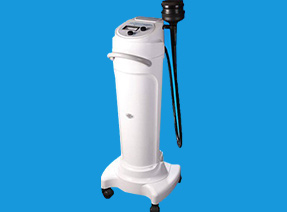
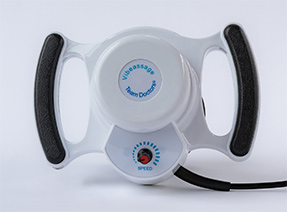
Treatment addressed the entire system. Deep tissue work targeted chronically contracted muscles. Vibration-assisted therapy helped mobilize fluid and reduce inflammation. The focus was on decompressing nerves and vessels by restoring space naturally.
As treatment progressed, changes appeared gradually but unmistakably. The pressure in her forearm eased. Activity no longer produced immediate collapse. Sensation returned to her hand. Her arm felt warmer — a sign that circulation was improving.
Just as importantly, her shoulder and neck symptoms began to resolve. Overhead movements no longer triggered instant pain. The positional sensitivity that had plagued her for months diminished.
For the first time, improvement felt stable — not fleeting.
Learning to Move Again
Recovery required patience. Months of fear had taught her to avoid movement. Every exercise had become a potential threat. Now, she had to relearn how to trust her body.
Movement was reintroduced carefully. She learned how posture influenced nerve and vascular space. She learned why certain exercises had triggered symptoms before and how to modify them safely. The emphasis was on restoring normal load tolerance, not pushing through pain.
Gradually, strength returned. Movements that once caused collapse now felt controlled. Instead of exercise-related nerve compression, she experienced healthy fatigue. Instead of unpredictable numbness, she felt stability.
Her body was no longer fighting itself.
A Life Reclaimed
Looking back, she realized how close she had come to a very different future. Had she accepted surgery as her only option, she might still be struggling — altered, weakened, and uncertain.
Instead, she regained function without sacrificing parts of her body. She returned to work. She returned to movement. She returned to herself.
Her story stands for everyone living with misdiagnosed shoulder nerve pain, normal tests but arm pain, and the quiet fear that nothing will ever make sense. It proves that pain does not need to be visible on scans to be real — and that healing does not always require cutting.
Through the Human Spring Approach and the guidance of Dr. James Stoxen, she found clarity, relief, and a way forward — whole.
Team Doctors Resources
✓ Check out the Team Doctors Recovery Tools
The Vibeassage Sport and the Vibeassage Pro featuring the TDX3 soft-as-the-hand Biomimetic Applicator Pad
https://www.teamdoctors.com/
✓ Get Dr. Stoxen’s #1 International Bestselling Books
Learn how to understand, examine, and reverse your TOS—without surgery.
https://drstoxen.com/1-international-best-selling-author/
✓ Check out Team Doctors Online Courses
Step-by-step video lessons, demonstrations, and self-treatment strategies.
https://teamdoctorsacademy.com/
✓ Schedule a Free Phone Consultation With Dr. Stoxen
Speak directly with him so he can review your case and guide you on your next steps.
https://drstoxen.com/appointment/
#ThoracicOutletSyndrome #TOS #TOSDiagnosis #NeurogenicTOS #MuscleGuarding #RibDysfunction #Misdiagnosis #HandsOnCare #ClinicalExamination #Biomechanics #NerveCompression #PectoralisMinor #ThoracicOutletCompression #PatientStories #MedicalEducation #MovementBasedCare #TOSAwareness #DeepTissue #EarlyTreatment #TeamDoctors #ThoracicOutletSyndrome #TOSAwareness #TOSPain #ChronicPainJourney #NerveCompression #ArmPain #ShoulderPain #RareDiseaseAwareness #InvisibleIllness #ChronicPainLif
Medical Disclaimer
This article is provided for educational and informational purposes only. It is not intended to diagnose, treat, cure, or prevent any disease, nor is it intended to replace professional medical advice, diagnosis, or treatment.
Thoracic outlet syndrome and related nerve, vascular, and musculoskeletal conditions can present differently in each individual. Treatment decisions—including surgical and non-surgical options—must be made on a case-by-case basis in consultation with a qualified, licensed healthcare professional who is familiar with the patient’s complete medical history.
The experiences described in this article reflect individual outcomes and do not guarantee similar results for others. Surgical procedures, including thoracic outlet surgery and first rib resection, carry inherent risks, and outcomes vary based on many factors including diagnosis, timing, practitioner experience, and patient-specific anatomy and physiology.
Readers should not delay or discontinue medical care based on information contained in this article. Always seek the guidance of a qualified healthcare provider with any questions regarding symptoms, conditions, or treatment options.
Editor’s Note
This article explores a patient and family experience following thoracic outlet syndrome surgery and highlights the importance of comprehensive evaluation, informed decision-making, and second opinions when managing complex pain conditions.
The article also references the Human Spring Approach, a biomechanical evaluation and treatment framework developed by Dr James Stoxen, which emphasizes understanding the body as an integrated, dynamic spring system rather than a collection of isolated anatomical structures. The inclusion of this approach is intended to illustrate an alternative clinical perspective, not to discredit surgery or any specific medical specialty.
Mention of specific clinicians, evaluation models, or treatment philosophies does not constitute endorsement, medical advice, or a claim of superiority. Rather, it reflects the editorial goal of encouraging patients and families to seek clarity, explanation, and individualized assessment before pursuing irreversible interventions.
The editorial position of this publication is that understanding should precede intervention, especially in conditions where symptoms persist, worsen, or fail to respond to standard care.

Dr James Stoxen DC., FSSEMM (hon) He is the president of Team Doctors®, Treatment and Training Center Chicago, one of the most recognized treatment centers in the world.
Dr Stoxen is a #1 International Bestselling Author of the book, The Human Spring Approach to Thoracic Outlet Syndrome. He has lectured at more than 20 medical conferences on his Human Spring Approach to Thoracic Outlet Syndrome and asked to publish his research on this approach to treating thoracic outlet syndrome in over 30 peer review medical journals.
He has been asked to submit his other research on the human spring approach to treatment, training and prevention in over 150 peer review medical journals. He serves as the Editor-in-Chief, Journal of Orthopedic Science and Research, Executive Editor or the Journal of Trauma and Acute Care, Chief Editor, Advances in Orthopedics and Sports Medicine Journal and editorial board for over 35 peer review medical journals.
He is a much sought-after speaker. He has given over 1000 live presentations and lectured at over 70 medical conferences to over 50,000 doctors in more than 20 countries. He has been invited to speak at over 300 medical conferences which includes invitations as the keynote speaker at over 50 medical conferences.
After his groundbreaking lecture on the Integrated Spring-Mass Model at the World Congress of Sports and Exercise Medicine he was presented with an Honorary Fellowship Award by a member of the royal family, the Sultan of Pahang, for his distinguished research and contributions to the advancement of Sports and Exercise Medicine on an International level. He was inducted into the National Fitness Hall of Fame in 2008 and the Personal Trainers Hall of Fame in 2012.
Dr Stoxen has a big reputation in the entertainment industry working as a doctor for over 150 tours of elite entertainers, caring for over 1000 top celebrity entertainers and their handlers. Anthony Field or the popular children’s entertainment group, The Wiggles, wrote a book, How I Got My Wiggle Back detailing his struggles with chronic pain and clinical depression he struggled with for years. Dr Stoxen is proud to be able to assist him.
Full Bio) Dr Stoxen can be reached directly at teamdoctors@aol.com