He had always believed pain was something a person worked through.
Discomfort, in his mind, was temporary—an expected byproduct of effort, deadlines, and responsibility.
He had spent years pushing himself in school and work, trusting that the body would eventually adapt.
That belief began to unravel when his arms stopped feeling reliable.
At first, the sensations were subtle.
Long days at a desk left him sore, tight, and fatigued.
He assumed it was ordinary arm pain from desk job strain paired with familiar shoulder pain from computer work.
Everyone around him complained about similar issues, so he thought little of it.
He blamed posture and setup.
He told himself it was ergonomic issues arm pain and adjusted his workstation.
He raised his monitor, changed his chair height, and reminded himself to sit straighter.
Nothing changed.
Weeks later, new sensations emerged.
Typing triggered arm numbness from typing, a dull, spreading heaviness that crept into his forearms.
Driving home, he felt hand tingling while driving, followed by unmistakable arm numbness when driving even on short trips.
He became more aware of neck and arm pain from posture, especially after long hours leaning forward.
He read about forward head posture pain and rounded shoulders nerve pain, convincing himself that better posture would solve everything.
It didn’t.
The discomfort deepened and spread.
Screen time arm pain became constant, no longer limited to work hours.
The ache in his shoulders intensified until shoulder pain office work could no longer explain it.
Soon, tech neck arm pain appeared daily, along with clear tech neck arm pain symptoms—burning, pressure, and a sense of congestion that never fully released.
Even small tasks became uncomfortable.
Carrying groceries caused arm pain from carrying bags.
Wearing a backpack triggered arm pain from backpack or purse pressure that lingered for hours afterward.
His arms felt heavy, swollen, and fragile.
The pain was not just soreness.
It burned.
It pulsed.
At times it felt electrical, as though signals were misfiring.
He stopped lifting weights.
Soon after, he realized he can’t lift arm anymore without triggering symptoms.
Simple movements—reaching, gripping, holding a phone—became difficult.
The idea of loss of function arm pain stopped being theoretical.
He worried about arm pain disability, something he had never imagined applying to himself.
Thoughts of living with thoracic outlet syndrome surfaced long before the term was formally used.
Medical visits multiplied.
Doctors began using phrases like compression syndrome and chronic nerve compression damage.
One warned him about permanent nerve damage risk if the condition continued unchecked.
That warning stayed with him long after the appointment ended.
At home, he asked himself the same questions repeatedly:
why won’t my arm heal
why nothing helps my arm pain
He tried everything suggested.
Rest.
Physical therapy.
Massage.
Stretching.
Dry needling.
Injections.
Still, nothing works for my shoulder pain.
Months later, a new diagnosis entered the discussion: compartment syndrome.
He learned about compartment syndrome signs and symptoms, reading descriptions that felt uncomfortably accurate.
The phrase compartment syndrome symptoms appeared in reports and consultations.
Soon, he heard terms like compartment syndrome of the forearm, arm compartment syndrome, and even bilateral compartment syndrome.
Specialists explained anatomy in detail.
They described the forearm flexors and forearm extensors, and how pressure could build within the muscular forearm when tissue expansion was limited.
They discussed the etiology of compartment syndrome, the cause of compartment syndrome, and how repetitive loading could elevate internal pressure.
Some physicians suggested acute compartment syndrome, while others insisted it was chronic compartment syndrome.
Another described chronic exertional compartment syndrome, linking symptoms to repetitive work.
One focused specifically on exertional compartment syndrome of the forearm, explaining how sustained activity could provoke symptoms without obvious injury.
Every appointment felt like another fork in the road.
He learned about compartment syndrome surgery and the technical details of a compartment syndrome operation.
Online searches revealed dramatic before and after compartment syndrome surgery stories, some hopeful, others unsettling.
He read about life after compartment syndrome surgery, including long recovery times and uncertain outcomes.
He searched desperately for alternatives—compartment syndrome relief, compartment syndrome therapy, and non-surgical compartment syndrome treatment options.
Eventually, he asked the question directly:
is surgery my only option
No one gave him a definitive answer.
He researched chronic compartment syndrome treatment and chronic exertional compartment syndrome treatment, but the results were inconsistent.
Some stories described improvement, others described lingering symptoms.
The idea of severe compartment syndrome frightened him.
So did the possibility of end stage nerve compression if nothing changed.
While his attention stayed focused on his forearms, symptoms began climbing upward.
He noticed worsening shoulder pain from phone use, especially when holding his phone for long periods.
Neck pain from laptop use became constant, even outside work hours.
A deep ache settled in from slouched posture shoulder pain, making it difficult to relax.
By evening, he experienced shoulder pain after desk work and unrelenting office posture shoulder pain that followed him into sleep.
Eventually, a new term surfaced during one appointment: Thoracic Outlet Syndrome.
That night, he began researching obsessively.
He read about severe thoracic outlet syndrome, end stage thoracic outlet syndrome, and warnings about when TOS becomes dangerous.
Late nights were spent reading about ignoring thoracic outlet syndrome risks and searching for chronic shoulder nerve pain help.
The emotional toll became overwhelming.
The phrase arm pain ruining my life stopped feeling exaggerated.
He lived with life with constant arm pain, persistent chronic nerve pain frustration, and rising arm pain anxiety.
His work performance declined.
He worried about job security.
Social activities disappeared.
Eventually, chronic pain burnout set in.
He felt desperate for arm pain relief, not because he expected perfection, but because he wanted his life back.
He wondered if he had reached the last option for thoracic outlet syndrome stage.
The thought i’ve tried everything arm pain replayed daily, often followed by fear.
Daily tasks became exhausting.
He can’t use my arm without pain.
Shoulder pain affecting daily life meant even basic activities required planning.
The overlap of conditions created constant confusion.
Was this work related arm nerve pain, daily activity arm nerve pain, or structural compression?
Was posture the primary driver, with pain from poor posture shoulder and arm pain from poor posture compounding everything?
He read about desk job arm pain, workstation posture arm pain, and sitting posture arm pain.
He worked on correcting rounded shoulders nerve pain and forward head posture pain, but symptoms persisted.
Some days, fear of permanent arm damage outweighed the pain itself.
He worried constantly about chronic nerve compression damage becoming irreversible.
At his lowest point, he questioned whether a compartment syndrome cure existed at all.
He doubted every compartment syndrome sign interpretation.
He weighed compartment syndrome surgery against the fear of doing nothing.
The uncertainty was exhausting.
He learned that arm forearm pain does not exist in isolation.
It reflects posture, repetition, load, stress, and inflammation interacting over time.
Arm pain from long hours sitting blended into daily strain and cumulative fatigue.
By this point, the story was no longer about a single diagnosis.
It was about endurance.
It dictated how long he could sit, how far he could drive, and how much he could focus before symptoms flared.
What once felt like a temporary problem had become a daily presence, something he had to negotiate with constantly.
The reality of arm pain from long hours sitting became unavoidable.
Meetings were broken into segments.
Typing sessions were paced carefully.
Even standing for too long caused discomfort to shift unpredictably.
He noticed that shoulder pain from bra strap pressure affected people around him in ways similar to how straps from bags affected him.
It made him realize how sensitive his upper body had become to compression and load.
Everyday movements required calculation.
Driving longer distances aggravated symptoms.
Reaching overhead caused flares.
Rest was no longer restorative.
He reflected often on how invisible the struggle was.
To others, he looked normal.
Inside, he lived with disabling arm pain that never fully shut off.
The mental burden grew heavier with time.
There were moments when arm pain anxiety dominated his thoughts, especially when symptoms changed unexpectedly.
He worried about making the wrong movement, sitting the wrong way, or pushing too hard on a day when his body felt fragile.
He began to recognize the emotional cost of chronic nerve pain frustration.
It wasn’t just the pain itself—it was the uncertainty, the constant questioning, the feeling of being trapped in a body that no longer behaved predictably.
He realized how quickly chronic pain burnout can creep in.
Not from dramatic moments, but from repetition.
From waking up every day knowing pain would be present in some form.
He started to notice patterns.
Certain postures worsened symptoms.
Certain activities triggered flares hours later.
Desk job arm pain wasn’t just about the desk—it was about how long he stayed there, how often he moved, and how much tension accumulated.
He studied workstation posture arm pain and office posture shoulder pain, trying to understand how environment shaped his symptoms.
He paid attention to sitting posture arm pain, adjusting how he sat, how often he stood, and how frequently he changed position.
Still, the relief was limited.
He couldn’t escape the reality that daily activity arm nerve pain followed him everywhere.
Even leisure activities required caution.
At times, he felt isolated.
Friends and coworkers couldn’t fully grasp what it meant to live with pain that didn’t show on imaging in a straightforward way.
He learned that conditions involving nerve and vascular compression often live in gray areas.
He thought often about the warnings he’d read—about end stage nerve compression, about when arm pain won’t stop, and about the risks of waiting too long.
Those thoughts fed his fear of permanent arm damage, especially on bad days.
The question of surgery never fully left his mind.
He revisited discussions around compartment syndrome surgery, reviewing notes about compartment syndrome sign findings and what they might mean long-term.
He considered stories of after compartment syndrome surgery, some hopeful, some disappointing.
The same uncertainty applied to thoracic outlet syndrome.
He read about people living with symptoms for years, weighing decisions, navigating incomplete answers.
He reflected on the phrase living with thoracic outlet syndrome, recognizing that it wasn’t a single moment or decision—it was a process.
A long series of adjustments, reevaluations, and compromises.
He noticed how work related arm nerve pain intersected with his identity.
His job had always been part of who he was.
Now, it was also part of what challenged his body the most.
Even outside work, symptoms followed him.
Recreational activities triggered arm pain from poor posture when he wasn’t mindful.
Phone use caused shoulder pain from phone use.
Long conversations while driving led to hand tingling while driving again.
He recognized how cumulative strain mattered.
Screen time arm pain, computer use shoulder pain, and neck pain from laptop use weren’t isolated triggers—they layered on top of each other.
The longer he lived with symptoms, the more he understood how complex the situation was.
There was no single villain.
No single fix.
He learned to listen to his body more carefully.
He paid attention to early warning signs instead of pushing through them.
Still, there were days when discouragement took over.
On those days, the thought arm pain ruining my life resurfaced.
Not as a dramatic statement, but as an honest reflection of how deeply pain had affected his sense of freedom.
He reminded himself that acknowledging frustration didn’t mean giving up.
It meant recognizing reality.
Over time, his relationship with uncertainty shifted.
He stopped expecting clear, definitive answers.
Instead, he focused on understanding patterns, limits, and responses.
He accepted that long term arm pain solutions might not be singular or immediate.
They might involve layers of education, awareness, pacing, and adaptation.
He learned that asking questions was not weakness.
Questions like is surgery my only option weren’t signs of desperation—they were signs of engagement.
He also learned that stories like his were more common than he once believed.
Many people quietly live with overlapping compression issues, posture-related strain, and nerve irritation.
They wonder if they’re missing something.
They wonder if they waited too long.
They wonder what the future holds.
This story exists for those people.
Not to promise outcomes.
Not to offer certainty.
But to reflect the lived experience of navigating pain that doesn’t fit neatly into boxes.
It is a story about patience, frustration, and resilience.
About learning to live inside unanswered questions without letting them define everything.
It is not simple.
It is not linear.
And it is not imagined.
It is life, lived one day at a time, adapting where possible, resting when necessary, and continuing forward even when clarity remains just out of reach.
Team Doctors Resources
✓ Check out the Team Doctors Recovery Tools
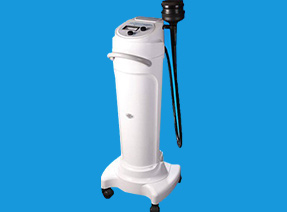
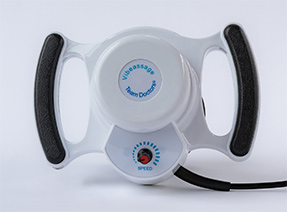
The Vibeassage Sport and the Vibeassage Pro featuring the TDX3 soft-as-the-hand Biomimetic Applicator Pad
https://www.teamdoctors.com/
✓ Get Dr. Stoxen’s #1 International Bestselling Books
Learn how to understand, examine, and reverse your TOS—without surgery.
https://drstoxen.com/1-international-best-selling-author/
✓ Check out Team Doctors Online Courses
Step-by-step video lessons, demonstrations, and self-treatment strategies.
https://teamdoctorsacademy.com/
✓ Schedule a Free Phone Consultation With Dr. Stoxen
Speak directly with him so he can review your case and guide you on your next steps.
https://drstoxen.com/appointment/
#ThoracicOutletSyndrome #TOS #CompartmentSyndrome #ChronicPain #ArmPain #NerveCompression #DeskJobPain #ForearmPain #ShoulderPain #ChronicNervePain #PosturePain #TechNeck #WorkRelatedPain #UpperExtremityPain #LivingWithPain #PainJourney #ChronicCondition #MusculoskeletalHealth #ArmPainAwareness #PatientStory

Dr James Stoxen DC., FSSEMM (hon) He is the president of Team Doctors®, Treatment and Training Center Chicago, one of the most recognized treatment centers in the world.
Dr Stoxen is a #1 International Bestselling Author of the book, The Human Spring Approach to Thoracic Outlet Syndrome. He has lectured at more than 20 medical conferences on his Human Spring Approach to Thoracic Outlet Syndrome and asked to publish his research on this approach to treating thoracic outlet syndrome in over 30 peer review medical journals.
He has been asked to submit his other research on the human spring approach to treatment, training and prevention in over 150 peer review medical journals. He serves as the Editor-in-Chief, Journal of Orthopedic Science and Research, Executive Editor or the Journal of Trauma and Acute Care, Chief Editor, Advances in Orthopedics and Sports Medicine Journal and editorial board for over 35 peer review medical journals.
He is a much sought-after speaker. He has given over 1000 live presentations and lectured at over 70 medical conferences to over 50,000 doctors in more than 20 countries. He has been invited to speak at over 300 medical conferences which includes invitations as the keynote speaker at over 50 medical conferences.
After his groundbreaking lecture on the Integrated Spring-Mass Model at the World Congress of Sports and Exercise Medicine he was presented with an Honorary Fellowship Award by a member of the royal family, the Sultan of Pahang, for his distinguished research and contributions to the advancement of Sports and Exercise Medicine on an International level. He was inducted into the National Fitness Hall of Fame in 2008 and the Personal Trainers Hall of Fame in 2012.
Dr Stoxen has a big reputation in the entertainment industry working as a doctor for over 150 tours of elite entertainers, caring for over 1000 top celebrity entertainers and their handlers. Anthony Field or the popular children’s entertainment group, The Wiggles, wrote a book, How I Got My Wiggle Back detailing his struggles with chronic pain and clinical depression he struggled with for years. Dr Stoxen is proud to be able to assist him.
Full Bio) Dr Stoxen can be reached directly at teamdoctors@aol.com