People often begin with the question do i have thoracic outlet syndrome when arm, neck, or shoulder sensations do not behave like a typical injury. These experiences often change with posture, movement, or time of day. A self-examination does not diagnose anything, but it helps you observe patterns that clinicians commonly ask about.
Many individuals wonder is this thoracic outlet syndrome because symptoms fluctuate instead of remaining constant. This variability is one reason thoracic outlet–related patterns can be confusing. The thoracic outlet is a dynamic space that responds to position, muscle tone, and load.
When reviewing thoracic outlet syndrome symptoms, the focus of self-examination is observation rather than conclusions. Sensations, timing, and positional responses provide the most useful information. This guide explains how to safely perform simple checks at home.
People often look for signs of thoracic outlet syndrome by comparing one side of the body to the other. Asymmetry is easier to notice during deliberate observation. Small differences may become more obvious when viewed carefully.
Online tools such as a thoracic outlet syndrome quiz can help people recognize shared experiences, but they are not diagnostic. Self-examination adds value by allowing you to observe your own responses in real time.
A formal thoracic outlet syndrome test involves structured observation during movement and posture changes. At home, similar principles can be applied gently and safely to notice symptom behavior.
One of the most common concerns involves symptoms of thoracic outlet syndrome in arm, which may include sensory changes, heaviness, or fatigue. These sensations often appear during everyday activities rather than sudden injury.
Many individuals notice early signs of thoracic outlet syndrome during repetitive tasks. Computer work, driving, or overhead activity can reveal subtle changes that are otherwise overlooked.
People frequently ask how to know if i have tos because symptoms do not always follow a predictable path. The goal of self-examination is not certainty, but clarity in describing what you experience.
When asked what does thoracic outlet syndrome feel like, people often describe vague but persistent sensations. These can include tightness, heaviness, or altered sensation rather than sharp pain.
A common pattern is shoulder pain and arm numbness that worsens with sustained posture. Noticing when this combination appears provides useful insight.
Another frequent observation is arm numbness and tingling, especially during prolonged sitting or driving. These sensations often ease with position changes.
Some people report neck pain radiating to arm, particularly when the head is held forward. This pattern highlights the relationship between neck posture and arm sensation.
Changes such as hand tingling and weakness may be subtle at first. Fine motor tasks can feel less precise even when strength appears normal.
The sensation of pins and needles in arm often appears during overhead activity. Lowering the arms may reduce these sensations.
Discomfort such as arm pain when lifting may appear before any loss of strength. This pain often reflects tissue response to load rather than injury.
Another common observation is shoulder pain when raising arm above shoulder height. This movement can temporarily reduce space in the thoracic outlet region.
Some individuals notice numbness when arms are overhead during tasks like washing hair. This positional response is frequently noted during self-checks.
Circulatory sensations such as a cold hand or arm may appear intermittently. These changes can fluctuate throughout the day.
Grip-related changes such as weak grip strength are often noticed during endurance tasks. Fatigue may appear before measurable weakness.
A burning sensation described as burning pain in shoulder may increase with activity. This sensation often shifts with movement or posture.
Discomfort described as pain under collarbone draws attention to the thoracic outlet area. This region contains many important structures.
Many people describe a feeling of shoulder heaviness rather than sharp pain. This heaviness often builds gradually.
Some individuals notice they arm fatigue easily, even during light tasks. This fatigue may feel out of proportion to activity.
Neurological sensations such as nerve pain in arm may follow variable paths. These paths do not always match a single nerve.
Nighttime symptoms such as tingling fingers at night are commonly reported. Sleep position often influences these sensations.
Asymmetry is frequently noted when one arm weaker than the other during daily tasks. Functional differences are often more noticeable than test results.
A broad sensation of pain down the arm may change location over time. Variability is a common observation.
Finger-specific sensations such as tingling pinky and ring finger are often noticed during sustained positions. These observations help describe symptom distribution.
Some people experience arm numbness from neck movements. Head and neck posture can influence arm sensations significantly.
Self-Examination Step 1: Posture Awareness
Begin by observing your natural posture while sitting or standing. Notice head position, shoulder height, and chest position. Small postural changes can influence how the arms feel.
Move slowly between slouched and upright positions. Observe whether symptoms increase or decrease. This response provides useful information without making assumptions.
Self-Examination Step 2: Phone Camera Hand and Forearm Check
This visual screening method helps you observe symmetry.
Place both hands and forearms flat on a table, palms down. Relax completely. Position your phone camera directly above the centerline, pointing straight down. The camera must not be angled.
Have someone take the photo if possible. Include both hands, wrists, and full forearms. Review the image carefully.
Adjust brightness or contrast if needed. Compare side to side for differences in hand width, finger thickness, wrist size, and forearm shape.
This observation does not confirm anything. It simply helps you notice differences that may be difficult to see otherwise.
Self-Examination Step 3: Overhead Arm Response
Slowly raise both arms overhead and hold for up to one minute. Observe changes in sensation, fatigue, or temperature.
Stop if discomfort increases. This step is about observation, not endurance.
Self-Examination Step 4: Grip Endurance Check
Squeeze a soft object in each hand. Compare how quickly each side fatigues. Notice differences without forcing effort.
Understanding the Purpose of Self-Examination
Self-examination helps you describe experiences clearly. It does not replace a formal evaluation. It provides language and awareness.
In my clinical experience, people who observe their symptoms carefully are better able to communicate what they feel. Patients often report clearer conversations after performing simple self-checks.
Many individuals describe greater confidence when they understand how posture and movement influence sensation. This is a pattern I commonly see.
Team Doctors Resources
✓ Check out the Team Doctors Recovery Tools
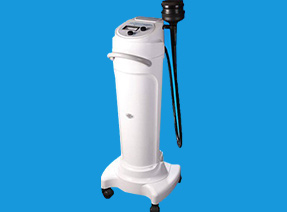
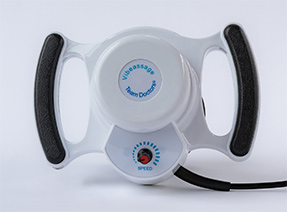
The Vibeassage Sport and the Vibeassage Pro featuring the TDX3 soft-as-the-hand Biomimetic Applicator Pad
https://www.teamdoctors.com/
✓ Get Dr. Stoxen’s #1 International Bestselling Books
Learn how to understand, examine, and reverse your TOS—without surgery.
https://drstoxen.com/1-international-best-selling-author/
✓ Check out Team Doctors Online Courses
Step-by-step video lessons, demonstrations, and self-treatment strategies.
https://teamdoctorsacademy.com/
✓ Schedule a Free Phone Consultation With Dr. Stoxen
Speak directly with him so he can review your case and guide you on your next steps.
https://drstoxen.com/appointment/
#ThoracicOutletSyndrome #TOS #SelfExamination #PostureAwareness #ArmNumbness #ShoulderPain #BrachialPlexus #ClinicalObservation #MovementPatterns #PatientEducation #UpperExtremity #FunctionalAnatomy #Biomechanics #HealthLiteracy #SelfScreening #OrthopedicExam #PostureMatters #NervePatterns #VascularPatterns #SymptomAwareness
References
- Sanders, Richard J., and Neal S. Pearce. “Thoracic Outlet Syndrome: A Review.” Neurologic Clinics 37, no. 3 (2019): 551–565. https://doi.org/10.1016/j.ncl.2019.04.002
- Illig, Karl A., et al. “Thoracic Outlet Syndrome.” Journal of Vascular Surgery 60, no. 3 (2014): 777–782. https://doi.org/10.1016/j.jvs.2014.04.065
- Povlsen, Bo, et al. “Treatment for Thoracic Outlet Syndrome.” Cochrane Database of Systematic Reviews (2014). https://doi.org/10.1002/14651858.CD007218.pub3

Dr James Stoxen DC., FSSEMM (hon) He is the president of Team Doctors®, Treatment and Training Center Chicago, one of the most recognized treatment centers in the world.
Dr Stoxen is a #1 International Bestselling Author of the book, The Human Spring Approach to Thoracic Outlet Syndrome. He has lectured at more than 20 medical conferences on his Human Spring Approach to Thoracic Outlet Syndrome and asked to publish his research on this approach to treating thoracic outlet syndrome in over 30 peer review medical journals.
He has been asked to submit his other research on the human spring approach to treatment, training and prevention in over 150 peer review medical journals. He serves as the Editor-in-Chief, Journal of Orthopedic Science and Research, Executive Editor or the Journal of Trauma and Acute Care, Chief Editor, Advances in Orthopedics and Sports Medicine Journal and editorial board for over 35 peer review medical journals.
He is a much sought-after speaker. He has given over 1000 live presentations and lectured at over 70 medical conferences to over 50,000 doctors in more than 20 countries. He has been invited to speak at over 300 medical conferences which includes invitations as the keynote speaker at over 50 medical conferences.
After his groundbreaking lecture on the Integrated Spring-Mass Model at the World Congress of Sports and Exercise Medicine he was presented with an Honorary Fellowship Award by a member of the royal family, the Sultan of Pahang, for his distinguished research and contributions to the advancement of Sports and Exercise Medicine on an International level. He was inducted into the National Fitness Hall of Fame in 2008 and the Personal Trainers Hall of Fame in 2012.
Dr Stoxen has a big reputation in the entertainment industry working as a doctor for over 150 tours of elite entertainers, caring for over 1000 top celebrity entertainers and their handlers. Anthony Field or the popular children’s entertainment group, The Wiggles, wrote a book, How I Got My Wiggle Back detailing his struggles with chronic pain and clinical depression he struggled with for years. Dr Stoxen is proud to be able to assist him.
Full Bio) Dr Stoxen can be reached directly at teamdoctors@aol.com