My Cervical Fusion Neck Operation Cancelled!
Watch to Learn Why
The Second Opinion That Saved His Neck: Greg’s Search for a Doctor Who Avoids Cervical Fusion
Greg didn’t think of himself as someone who would ever face spine surgery. He was an Emmy-, Tony-, and Grammy-nominated producer, the kind of person who solved problems through persistence, planning, and long nights that blurred into mornings. His job required a steady mind and a resilient body, and he had always trusted both. But when his neck pain stopped behaving like ordinary strain, it introduced a kind of uncertainty he wasn’t trained to manage.
The first stage was deceptively mild. A stiff neck after sitting for hours became a weekly pattern. Then the stiffness spread into the upper back and shoulder blades, and a deep ache began pulsing behind the collar line. Greg tried to outwork it, then out-stretch it, then out-rest it, but none of those strategies shifted the trend.
Within months, the pain took on a new character. It wasn’t only discomfort—it became a signal that his nervous system was involved. Some mornings he woke with tingling in his arm and an odd heaviness in his hand, as if his limb was slightly delayed in responding to commands. The inconsistency was maddening: one day his symptoms eased, and the next day they spiked, often after travel, long editing sessions, or hours at a workstation.
Greg did what most conscientious patients do. He sought care early and tried a wide range of conservative approaches. Chiropractic adjustments helped briefly, but the relief faded fast. Massage loosened tissue but didn’t change the deeper grip of tension that seemed to clamp down again within hours. Acupuncture occasionally lowered his pain, but the improvement didn’t last long enough to feel reliable.
The deeper he went into the care system, the more it felt like he was collecting attempts rather than building a plan. When the symptoms began radiating into the arm more frequently, the conversation shifted. Imaging was ordered, then re-ordered. Consultations multiplied. And suddenly, Greg’s condition was no longer framed as something recoverable—it was framed as something structural that needed correction.
The word “fusion” appeared earlier than he expected.
A surgeon explained that Greg likely needed cervical fusion—possibly a multi-level cervical spine fusion—to stop painful motion and prevent nerve irritation. Another specialist described cervical spinal fusion surgery as a routine solution for disc collapse and narrowing. Greg heard variations of the same plan: remove the damaged disc, place a spacer or graft, then fuse the segment using cervical fusion hardware such as plates and screws.
Greg was not ignorant of the stakes. He began reading obsessively about neck fusion surgery, learning what it meant to permanently lock motion in the neck. He read about cervical fusion recovery time, and how months of healing and structured cervical fusion rehabilitation might follow. He learned that recovery wasn’t only time—it was adaptation to a new mechanical reality.
Then he found what truly disturbed him: the long-term uncertainties.
He read about cervical fusion complications, including persistent pain, swallowing changes, and nerve symptoms that sometimes linger. He discovered risks like cervical fusion nonunion, when the bones don’t fuse as intended. He learned about cervical fusion adjacent segment disease, where the segments above and below the fusion bear extra load and can deteriorate faster. He saw stories of failed cervical fusion, people dealing with cervical fusion pain, and even needing cervical fusion revision surgery.
Greg’s fear wasn’t surgery itself. It was the possibility of trading one form of suffering for another—of entering a cycle of escalating intervention. He also worried about the practical aftermath: cervical fusion limitations, cervical fusion range of motion loss, and how life after cervical fusion might affect his work, travel, and daily movement.
He asked surgeons for clarity about cervical fusion success rate and how it compared to other options like cervical fusion vs disc replacement. He asked about cervical fusion surgery cost, not only financially but physiologically. The answers felt rehearsed and impersonal, as if the decision had already been made.
That’s when Greg decided he needed a different kind of evaluation. He wasn’t looking for reassurance—he was looking for a clinician who could explain why his pain behaved the way it did. He searched for a neck pain specialist before surgery, a neck pain specialist conservative treatment provider who could evaluate function, not just images. He wanted a cervical surgery second opinion doctor who wouldn’t automatically funnel him toward a fusion.
Greg’s search terms became very specific. He looked for a doctor who helps avoid cervical surgery and a doctor who avoids cervical fusion. He typed in phrases like alternative to cervical spine surgery doctor, best doctor to avoid neck surgery, and even “non-surgical spine doctor near me,” hoping the algorithm would surface someone who approached the problem differently. He wanted a spine specialist focused on non-surgical care, someone who could offer an evidence-driven path that didn’t start with hardware.
He also wanted someone who truly understood the nerve component. He searched for a doctor for nerve pain in neck and arm, a neck nerve pain specialist non-surgical, and a specialist for neck and arm pain without surgery. Some of the best matches led him to physical medicine experts and sports medicine clinicians. He learned that a physical medicine and rehabilitation doctor neck pain specialist often evaluates the full movement system, not only anatomy. He also began looking for a sports medicine doctor for neck pain who understood performance, load, and recovery.
Greg’s deepest frustration was that no one had yet explained why he could feel “fine” for a few hours and then flare dramatically after activity. No one had explained why the muscles around his neck felt like they were always guarding, as if bracing for impact. No one had explained why inflammation seemed to amplify everything. And no one had tested his body in the way he believed it needed to be tested—through movement, function, and load tolerance.
Then a friend from Chicago reached out with a name Greg had heard before, mostly in entertainment circles: Dr. James Stoxen.
The friend described him as a doctor who treats neck pain without surgery, a doctor for chronic neck pain without surgery, and a doctor who treats disc problems without surgery—someone who routinely works with performers, athletes, and high-demand professionals. Greg listened carefully, waiting for the exaggerated claims he’d learned to distrust. But what he heard next didn’t sound like a sales pitch—it sounded like a model.
Dr. Stoxen, the friend explained, viewed the body differently. He didn’t treat the spine like a stack of rigid parts requiring fixation. He treated it as a functional system that behaves like a set of springs—especially when it’s healthy—and that chronic pain often emerges when the spring system becomes stiff, locked, and overloaded. In other words, he approached neck pain using integrative spine care rooted in biomechanics.
Greg didn’t fully grasp it yet, but the idea struck a nerve—in the best way. The notion that function could fail before structure felt true to his experience. The idea that inflammation and muscle guarding could change the “space” around nerves helped explain why his symptoms fluctuated. And the promise wasn’t “avoid surgery at all costs”—it was “understand the system first.”
That was exactly what Greg needed.
He booked the appointment for a second opinion, even though time was tight. He was close to committing to cervical vertebrae fusion and didn’t want to discover later that a better path had existed. Greg wasn’t trying to be rebellious. He was trying to be informed.
And if a neck pain second opinion specialist could show him a clear, non-surgical path that made biomechanical sense, he was willing to try it.
The Examination That Reframed Everything: Understanding Spring Failure Instead of Structural Damage
When Greg arrived for his second-opinion evaluation, the difference was immediately apparent. This was not a rushed consult centered on MRI images or surgical consent forms. The process began with questions about how his pain behaved, not just where it appeared.
The doctor explained early on that many patients arrive after being told they need surgery, yet very few have undergone a true functional examination. Greg was told that before discussing procedures like cervical fusion, it was essential to understand how his neck actually worked during movement, load, and fatigue. Pain, he learned, is rarely a static event.
The evaluation started with posture and movement observation. Greg was asked to turn his head, raise his arms, rotate his shoulders, and shift his weight while standing and sitting. Subtle compensations appeared immediately, especially through the upper shoulders and rib cage. These patterns suggested that his neck was being asked to do far more work than it was designed to handle.
Neurological testing followed, not just to check reflexes, but to assess consistency. Greg’s responses varied depending on position and muscle activation. This variability suggested irritation rather than permanent nerve damage, contradicting the assumption that surgery was urgent or unavoidable.
The doctor explained that Greg’s symptoms aligned with neck nerve pain driven by dynamic compression. This type of irritation often worsens during activity and improves temporarily with rest, which matched Greg’s experience precisely. It was the kind of presentation a neck nerve pain specialist non-surgical clinician would expect when tunnel space is being altered by muscle tension rather than bone collapse.
What stood out most was the muscle testing. Each muscle in Greg’s neck, shoulders, arms, and upper back was tested individually. Some muscles tested strong in isolation but weakened rapidly when combined with movement or load. This pattern pointed to a failure in coordination, not strength.
At that point, the doctor introduced a concept Greg had never heard explained clearly before: the body as a spring system.
He was told that the cervical spine does not function as a rigid stack of bones. Instead, it behaves as part of an integrated spring-mass model, where muscles, fascia, joints, and connective tissue store and release energy continuously. When this system works properly, the neck absorbs stress and protects nerves automatically.
Greg learned that chronic inflammation increases spring stiffness, reducing compliance. As stiffness rises, the system stops absorbing force and begins transmitting it directly into sensitive structures. This is when pain, nerve irritation, and fatigue escalate.
The doctor contrasted this with the traditional lever model, where joints are treated like hinges and stability is achieved by limiting motion. In that framework, procedures such as cervical spine fusion or cervical disc fusion appear logical. In a spring-based framework, they represent a last resort.
Greg’s examination revealed widespread spring stiffening across the neck and upper thoracic region. This stiffening altered biomechanical load distribution, forcing stress into narrow pathways where nerves and blood vessels travel. These tunnel mechanics for nerves and blood vessels depend on suspension, not space carved out by bone.
When muscles guarding the neck remain chronically tight, the “roof” of these tunnels drops. This compromises nerve glide during movement and explains why Greg’s symptoms flared during activity. Static imaging could not capture this collapse because it only shows anatomy at rest.
The doctor explained that this is why so many patients receive recommendations for cervical fusion for herniated disc or cervical fusion for spinal stenosis when the true issue is functional compression. Surgery removes motion, but it does not restore spring mechanics in human movement.
Greg was also shown how the cervical spine interacts with the rest of the body. The fascial spring network connects the neck to the shoulders, rib cage, diaphragm, and even the feet. Dysfunction in one area alters tension across the entire system. This is why Greg’s neck pain worsened after long days of sitting or travel.
The discussion expanded into shock absorption biomechanics and impact attenuation biomechanics. When the neck loses elasticity, it can no longer dissipate micro-forces from posture, head movement, or arm activity. These forces accumulate instead of being recycled.
This loss of elastic energy storage in the body explained Greg’s fatigue. His system was leaking energy with every movement. The stretch-shortening cycle biomechanics that normally make motion efficient had been disrupted.
The doctor emphasized that Greg’s condition was not rare. It is commonly seen by a doctor for chronic neck pain without surgery, a movement-based neck pain specialist, or a manual therapy doctor for neck pain who understands functional biomechanics. Unfortunately, it is often misclassified as purely structural damage.
What surprised Greg most was the clarity. Nothing about the explanation felt speculative. It aligned with how his pain behaved, how his body felt, and why prior treatments had failed. The diagnosis was not “your spine is broken,” but rather “your spring system is overloaded and locked.”
Instead of proposing neck fusion surgery, the plan focused on restoring compliance. The doctor explained that inflammation had to be reduced before motion could normalize. Muscles needed permission to release before joints could decompress.
Vibration therapy was introduced as a tool for vibration and spring restoration. Low-amplitude vibration helps calm neuromechanical reflexes that keep muscles in a protective state. This allows the nervous system to permit movement again.
Deep tissue work would be used strategically, not aggressively. Its role was to reduce inflammation and stiffness in specific patterns, allowing joint decompression mechanics to occur naturally. The goal was not force, but cooperation.
Greg was told that if spring behavior could be restored, nerve symptoms should resolve without surgery. If it could not, surgery would remain an option. This honesty mattered to him.
For the first time, Greg felt like he was being treated by a holistic neck pain doctor and integrative spine care doctor who respected both biomechanics and clinical reality. He wasn’t being promised miracles. He was being offered understanding.
As the examination concluded, Greg realized something important. No one had previously explained his pain in a way that connected structure, movement, inflammation, and fatigue. This wasn’t just a second opinion — it was a new framework.
And that framework would soon change everything.
Restoring the Spring Instead of Removing the Motion: How Greg Avoided Fusion Long-Term
The treatment phase began with a clear principle: nothing would be forced. Greg was told that restoring motion in a locked system requires reducing resistance first, not pushing harder against it. This approach stood in sharp contrast to the logic behind neck fusion surgery, where motion is removed to control symptoms rather than restored to resolve the cause.
The initial sessions focused on calming inflammation and reducing excessive muscle guarding. Greg learned that inflammation acts like glue within a spring system, increasing stiffness and disrupting coordination. Until that inflammation was reduced, no amount of stretching or adjustment would produce lasting change.
Vibration therapy was used early and consistently as part of non-invasive neck pain treatment. The doctor explained that vibration improves neuromechanical spring control by reducing protective reflex activity in the muscles. As the nervous system relaxed, Greg noticed that his neck no longer felt braced or compressed during simple movements.
Deep tissue work followed, but it was unlike anything Greg had experienced before. Instead of chasing tight spots randomly, treatment followed clear biomechanical patterns. Areas that contributed to spring failure and chronic pain were addressed systematically, allowing tension to release in layers.
As stiffness decreased, something unexpected happened. Greg’s neck began moving more freely without pain. Range of motion returned naturally, without forcing or manipulation, highlighting the difference between restoring function and bypassing it through cervical vertebrae fusion.
The doctor explained that what Greg was experiencing was joint decompression mechanics driven by spring restoration. When muscles release and fascia regains elasticity, joints create space on their own. This process contrasts sharply with surgical decompression, which creates space by removing anatomy.
Greg also learned how his neck interacted with the rest of his body. Poor load management below the neck had increased strain above it. The kinetic chain spring transfer from the rib cage, shoulders, and even the feet influenced cervical stress more than he had ever been told.
The concept of the foot arch spring mechanism helped Greg understand why long days on his feet or extended travel worsened his symptoms. When lower-body springs collapse, load travels upward. The neck absorbs what the rest of the system fails to manage.
This insight reframed everything Greg had been told about surgery. Procedures like cervical fusion for herniated disc and cervical fusion for spinal stenosis assume the neck is the source of failure. In reality, it is often the victim of system-wide stiffness.
As treatment progressed, Greg’s nerve symptoms diminished steadily. Tingling in the arm disappeared. Strength normalized. These improvements reinforced that nerve irritation had been mechanical and inflammatory, not structural or permanent.
The doctor explained that this outcome is common for patients treated by a doctor who treats cervical radiculopathy without surgery or a doctor who treats pinched nerve without surgery when the root cause is spring dysfunction rather than irreversible damage. Removing motion would not have restored this balance.
Greg was educated extensively on prevention. He learned that spring-based injury prevention depends on maintaining compliance, not avoiding movement. Motion nourishes joints and nerves when springs are functioning properly.
He was also warned about the long-term risks he had avoided. Cervical fusion complications, including cervical fusion adjacent segment disease, often emerge years later. Loss of motion increases stress elsewhere, sometimes leading to cervical fusion revision surgery or persistent symptoms.
Greg reflected on how close he had come to that path. Cervical fusion risks, cervical fusion nerve damage, and the possibility of cervical fusion failure symptoms had once felt unavoidable. Now they felt unnecessary.
The decision to cancel surgery was no longer emotional. It was logical. The system that had failed was functioning again. Restoring human spring function had resolved the conditions that made surgery appear necessary.
Greg continued care at home using vibration and movement strategies designed to preserve elasticity. This ongoing maintenance supported biomechanical energy efficiency, preventing stiffness from rebuilding. His focus shifted from recovery to resilience.
Months later, Greg remained pain-free and fully active. He worked long hours without flare-ups. Travel no longer triggered symptoms. His body felt adaptable again.
What stayed with Greg most was not just the relief, but the understanding. He now recognized how lever model vs spring model thinking had shaped every recommendation he initially received. Fusion wasn’t wrong — it was incomplete.
Greg now encourages others facing surgery to seek a neck pain specialist before surgery, especially a non-surgical neck pain specialist, functional spine specialist, or integrative spine care doctor who understands applied clinical biomechanics. Understanding the system can change the outcome entirely.
Avoiding surgery did not mean avoiding responsibility. It meant learning how to support the body’s natural design. For Greg, that knowledge was life-changing.
4 Human Spring–Based Health Tips
Seek a Doctor Who Restores Function, Not Just Structure
A doctor who avoids cervical fusion evaluates how the body manages load and motion before recommending surgery. Restoring function can often prevent irreversible structural procedures.
Calm Inflammation to Restore Normal Motion
Inflammation increases spring stiffness and muscle guarding. Reducing inflammatory load allows muscles to release, joints to decompress, and normal spring mechanics to return Stiffness accumulates quietly long before pain becomes obvious. You must release the inflammation that is triggering the muscle contractions which are splinting and guarding that compress the discs.
Think System-Wide, Not Segment-Wide
Neck pain reflects how forces travel through the entire body, not just the cervical spine. Address posture, breathing, rib cage motion, shoulder and neck spring mechanics, and lower-body spring function together.
Reduce Stiffness Before Forcing Motion
Chiropractic adjustments performed without first addressing deep muscle stiffness and inflammation through deep tissue work and vibration therapy often attempt to force mobility into a system that is mechanically stiff. Forcing movement in this state increases irritation and can provoke protective muscle guarding. Restoring elasticity and reducing tissue resistance first allows movement to return naturally, safely, and without aggravating sensitive structures.
#CervicalFusion #NeckSurgeryAlternatives #HumanSpringModel #NonSurgicalSpineCare #ChronicNeckPain #Biomechanics #SpineHealth #FunctionalMedicine #PainEducation #MovementMedicine #thoracicoutletsyndrome
Team Doctors Resources
✓ Check out the Team Doctors Recovery Tools
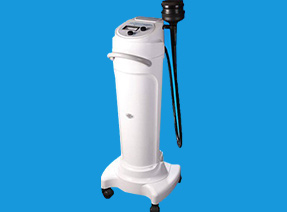
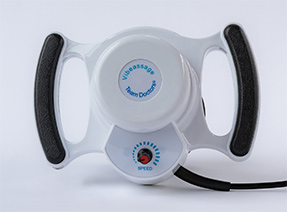
The Vibeassage Sport and the Vibeassage Pro featuring the TDX3 soft-as-the-hand Biomimetic Applicator Pad
https://www.teamdoctors.com/
✓ Get Dr. Stoxen’s #1 International Bestselling Books
Learn how to understand, examine, and reverse your TOS—without surgery.
https://drstoxen.com/1-international-best-selling-author/
✓ Check out Team Doctors Online Courses
Step-by-step video lessons, demonstrations, and self-treatment strategies.
https://teamdoctorsacademy.com/
✓ Schedule a Free Phone Consultation With Dr. Stoxen
Speak directly with him so he can review your case and guide you on your next steps.
https://drstoxen.com/appointment/
#ThoracicOutletSyndrome #FailedTOSSurgery #TOSRecovery #ChronicPainStory #VascularTOS #ArmPain #PatientAdvocacy #MedicalTrauma #SurgeryFailure #PainJourney
Medical Disclaimer
This article is provided for educational and informational purposes only. It is not intended to diagnose, treat, cure, or prevent any disease, nor is it intended to replace professional medical advice, diagnosis, or treatment.
Thoracic outlet syndrome and related nerve, vascular, and musculoskeletal conditions can present differently in each individual. Treatment decisions—including surgical and non-surgical options—must be made on a case-by-case basis in consultation with a qualified, licensed healthcare professional who is familiar with the patient’s complete medical history.
The experiences described in this article reflect individual outcomes and do not guarantee similar results for others. Surgical procedures, including thoracic outlet surgery and first rib resection, carry inherent risks, and outcomes vary based on many factors including diagnosis, timing, practitioner experience, and patient-specific anatomy and physiology.
Readers should not delay or discontinue medical care based on information contained in this article. Always seek the guidance of a qualified healthcare provider with any questions regarding symptoms, conditions, or treatment options.
Editor’s Note
This article explores a patient and family experience following thoracic outlet syndrome surgery and highlights the importance of comprehensive evaluation, informed decision-making, and second opinions when managing complex pain conditions.
The article also references the Human Spring Approach, a biomechanical evaluation and treatment framework developed by Dr James Stoxen, which emphasizes understanding the body as an integrated, dynamic spring system rather than a collection of isolated anatomical structures. The inclusion of this approach is intended to illustrate an alternative clinical perspective, not to discredit surgery or any specific medical specialty.
Mention of specific clinicians, evaluation models, or treatment philosophies does not constitute endorsement, medical advice, or a claim of superiority. Rather, it reflects the editorial goal of encouraging patients and families to seek clarity, explanation, and individualized assessment before pursuing irreversible interventions.
The editorial position of this publication is that understanding should precede intervention, especially in conditions where symptoms persist, worsen, or fail to respond to standard care.
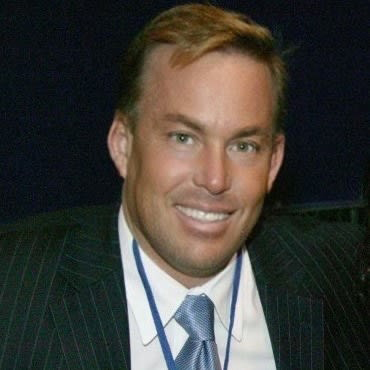
Dr James Stoxen DC., FSSEMM (hon) He is the president of Team Doctors®, Treatment and Training Center Chicago, one of the most recognized treatment centers in the world.
Dr Stoxen is a #1 International Bestselling Author of the book, The Human Spring Approach to Thoracic Outlet Syndrome. He has lectured at more than 20 medical conferences on his Human Spring Approach to Thoracic Outlet Syndrome and asked to publish his research on this approach to treating thoracic outlet syndrome in over 30 peer review medical journals.
He has been asked to submit his other research on the human spring approach to treatment, training and prevention in over 150 peer review medical journals. He serves as the Editor-in-Chief, Journal of Orthopedic Science and Research, Executive Editor or the Journal of Trauma and Acute Care, Chief Editor, Advances in Orthopedics and Sports Medicine Journal and editorial board for over 35 peer review medical journals.
He is a much sought-after speaker. He has given over 1000 live presentations and lectured at over 70 medical conferences to over 50,000 doctors in more than 20 countries. He has been invited to speak at over 300 medical conferences which includes invitations as the keynote speaker at over 50 medical conferences.
After his groundbreaking lecture on the Integrated Spring-Mass Model at the World Congress of Sports and Exercise Medicine he was presented with an Honorary Fellowship Award by a member of the royal family, the Sultan of Pahang, for his distinguished research and contributions to the advancement of Sports and Exercise Medicine on an International level. He was inducted into the National Fitness Hall of Fame in 2008 and the Personal Trainers Hall of Fame in 2012.
Dr Stoxen has a big reputation in the entertainment industry working as a doctor for over 150 tours of elite entertainers, caring for over 1000 top celebrity entertainers and their handlers. Anthony Field or the popular children’s entertainment group, The Wiggles, wrote a book, How I Got My Wiggle Back detailing his struggles with chronic pain and clinical depression he struggled with for years. Dr Stoxen is proud to be able to assist him.
Full Bio) Dr Stoxen can be reached directly at teamdoctors@aol.com