This Pianist Lost
Control Of His Hand
The Diagnostic Maze: “Do I Have Thoracic Outlet Syndrome?”
For months, the pianist lived inside a question that would not leave him alone:
do i have thoracic outlet syndrome
At first, he didn’t even know what the words meant. He only knew what his body was doing.
It was producing symptoms that made no sense.
One day it was shoulder pain and arm numbness.
Another day it was arm numbness and tingling.
Sometimes it was neck pain radiating to arm.
Sometimes hand tingling and weakness.
Sometimes it felt like pins and needles in arm.
Other times it was deep arm pain when lifting or sharp shoulder pain when raising arm.
And the most frightening symptom of all?
numbness when arms are overhead
That one didn’t feel like a muscle problem.
That felt like circulation or nerves being shut off.
When the Body Starts Sending Warnings
At first, he tried to ignore it.
But the signs kept stacking up:
- A cold hand or arm during long rehearsals
- Sudden weak grip strength in passages he used to play effortlessly
- A strange burning pain in shoulder
- A deep ache of pain under collarbone
- A constant sense of shoulder heaviness
- The feeling that his arm fatigue easily compared to before
- Persistent nerve pain in arm
- Waking at night with tingling fingers at night
- Realizing one arm weaker than the other
- Feeling pain down the arm into the forearm and hand
- Noticing tingling pinky and ring finger
- And the ominous arm numbness from neck
Nothing about this felt like a simple injury anymore.
This felt like a system failing.
The Search for a Name
He did what everyone does.
He searched.
He read.
He compared.
And he kept running into the same phrase:
is this thoracic outlet syndrome
Then:
thoracic outlet syndrome symptoms
signs of thoracic outlet syndrome
thoracic outlet syndrome quiz
thoracic outlet syndrome test
symptoms of thoracic outlet syndrome in arm
early signs of thoracic outlet syndrome
how to know if i have tos
what does thoracic outlet syndrome feel like
The more he read, the more uncomfortable the recognition became.
This wasn’t just similar.
It was disturbingly accurate.
The Problem with the Standard Medical Path
When he brought it up to doctors, the responses were vague.
Some said TOS was “rare.”
Some said it was “controversial.”
Some said it was “overdiagnosed.”
Others said it was “underdiagnosed.”
No one could give him a straight answer.
They ordered imaging.
The imaging looked “fine.”
They did nerve tests.
The nerve tests were “inconclusive.”
So he was sent back to physical therapy.
Again.
The Second, Even Stranger Symptom Set
As the upper-body symptoms continued, something else started to develop in parallel.
His forearm began to feel tight.
Not sore.
Not strained.
Tight.
Pressurized.
During playing, it would fill with pain and fatigue unbelievably fast.
After playing, it felt hard, swollen, and slow to recover.
This wasn’t normal muscle fatigue.
This was compartment syndrome of the forearm.
But no one recognized it yet.
Learning a New, Terrifying Vocabulary
Eventually, someone said the words:
compartment syndrome
Then more words appeared:
compartment syndrome signs and symptoms
compartment syndrome symptoms
exertional compartment syndrome of the forearm
acute compartment syndrome
chronic compartment syndrome
chronic exertional compartment syndrome
He learned that this was a condition where pressure builds inside muscle compartments and cuts off blood flow and nerve function.
He learned about:
- arm forearm compartment problems
- The cause of compartment syndrome
- The etiology of compartment syndrome
- How a heavily muscular forearm can be at risk
- What happens in severe compartment syndrome
- What acute compartment syndrome symptoms look like
- What people live with after compartment syndrome surgery
- The terrifying photos of before and after compartment syndrome surgery
- Stories of bilateral compartment syndrome
- The reality of arm compartment syndrome
And suddenly the conversation shifted to surgery.
The Surgical Trap
He started hearing:
- compartment syndrome operation
- compartment syndrome surgery
- compartment syndrome cure
- compartment syndrome relief
But something felt wrong.
No one could explain:
- Why he developed it
- Why it appeared at the same time as his neck and shoulder symptoms
- Why his entire arm seemed involved
- Why both problems were progressing together
This felt like one disease pretending to be two.
Two Syndromes. One Body. One Question.
He now had two terrifying diagnostic labels floating over his head:
thoracic outlet syndrome
and
compartment syndrome
Both were serious.
Both could be career-ending.
Both often led to surgery.
But something didn’t sit right.
The Real Question No One Was Asking
No one was asking:
“Why did his body create both problems at the same time?”
No one was looking at posture.
No one was analyzing load transfer.
No one was evaluating rib movement, clavicle mechanics, or shoulder suspension.
They were naming problems.
Not explaining them.
Standing at the Edge of Two Surgeries
At this point, he was being told that he might need:
- Surgery for TOS
- Surgery for the forearm compartments
Two operations.
Two major risks.
No guarantee.
No explanation of cause.
Just damage control.
The Moment of Doubt
That’s when he paused.
He asked himself:
“If my body is failing this badly, is cutting it really the answer?”
He went back to research.
Back to lectures.
Back to systems thinking.
And that’s when he found Dr. Stoxen’s work again—this time listening differently.
The First Real Insight
For the first time, someone was explaining:
- Why tunnel mechanics for nerves and blood vessels matter
- Why posture collapses space
- Why muscles become pressure chambers
- Why compression syndromes cluster together
- Why this is a mechanical failure, not a random disease
And suddenly, the two diagnoses made sense as one problem.
Two Syndromes, One Mechanical Failure
By the time the pianist understood that he was being pushed toward two different surgeries, something finally clicked:
This did not feel like two separate diseases.
It felt like one body-wide mechanical collapse expressing itself in two places.
One above.
One below.
The diagnoses on the table were frightening:
- thoracic outlet syndrome
- compartment syndrome
One threatening the nerves and blood vessels at the shoulder and neck.
One threatening the muscles and circulation in the forearm.
But the deeper question remained unanswered:
Why would a healthy, high-level musician develop both at the same time?
The Tunnel Problem
The human body is full of tunnels.
Nerves and blood vessels must pass through narrow spaces between muscles, bones, and connective tissue. When posture is good and movement is elastic, these tunnels stay open.
When posture collapses and load becomes rigid, these tunnels close.
In the shoulder and neck region, this creates what medicine calls thoracic outlet syndrome.
The classic signs were all there:
- shoulder pain and arm numbness
- arm numbness and tingling
- neck pain radiating to arm
- hand tingling and weakness
- pins and needles in arm
- arm pain when lifting
- shoulder pain when raising arm
- numbness when arms are overhead
- cold hand or arm
- weak grip strength
- burning pain in shoulder
- pain under collarbone
- shoulder heaviness
- arm fatigue easily
- nerve pain in arm
- tingling fingers at night
- one arm weaker than the other
- pain down the arm
- tingling pinky and ring finger
- arm numbness from neck
Anyone reading that list could ask:
is this thoracic outlet syndrome
And the honest answer would be:
It looks exactly like it.
Why Tests So Often Fail
This is where the pianist’s story mirrors thousands of others.
He had imaging.
He had nerve tests.
And they were “normal.”
But those tests are static.
They look at the body lying still.
Thoracic outlet syndrome is a dynamic compression.
It happens when you lift your arms.
When you hold posture.
When you load the system.
That is why people search for:
- thoracic outlet syndrome test
- thoracic outlet syndrome quiz
- how to know if i have tos
- what does thoracic outlet syndrome feel like
- early signs of thoracic outlet syndrome
- symptoms of thoracic outlet syndrome in arm
- signs of thoracic outlet syndrome
- thoracic outlet syndrome symptoms
Because the system fails under load—not in a scanner.
The Pressure Chamber in the Forearm
At the same time, his forearm was becoming something else:
A pressure vessel.
This is what compartment syndrome really is.
Muscles are wrapped in tough fascial sleeves. If pressure builds inside, blood flow and nerve function drop.
In his case, this was:
- compartment syndrome of the forearm
- exertional compartment syndrome of the forearm
- chronic compartment syndrome
- chronic exertional compartment syndrome
The classic pattern:
- Tightness during use
- Burning pressure
- Rapid fatigue
- Post-activity pain
- Slow recovery
He learned about:
- compartment syndrome signs and symptoms
- compartment syndrome symptoms
- cause of compartment syndrome
- etiology of compartment syndrome
- muscular forearm risk
- arm forearm involvement
- arm compartment syndrome
- bilateral compartment syndrome
- severe compartment syndrome
- acute compartment syndrome and acute compartment syndrome symptoms
And again, the proposed solution was:
- compartment syndrome surgery
- compartment syndrome operation
- compartment syndrome cure
- compartment syndrome relief
The Missing Link
What no one was explaining was the mechanical connection between these two problems.
Here is what Dr. Stoxen later explained to him:
If the shoulder and rib cage collapse, the arm loses suspension.
When the arm loses suspension, muscles must hold it up.
When muscles hold up structure, they become pressure chambers.
So:
- Collapsed shoulder mechanics → nerve compression in the thoracic outlet
- Overloaded forearm muscles → pressure compression in the compartments
Two different tissues.
Same mechanical failure.
This is what should be called a compression syndrome cascade.
Why Surgery Misses the Point
Surgery addresses the location of compression.
It does not address why compression happened.
- Cut a rib: the shoulder still collapses
- Cut a muscle: load still travels badly
- Cut fascia: muscles still overwork
So pressure and compression simply return somewhere else.
That is why people search:
- before and after compartment syndrome surgery
- Stories of life after compartment syndrome surgery
- Why some never recover
And why thoracic outlet surgeries so often disappoint.
The Body Is a Load System
The pianist finally heard someone explain his body like this:
“Your arm is not hanging from muscles.
It is supposed to be suspended by elastic structures.”
When that elastic suspension fails:
- Tunnels collapse
- Muscles become structural
- Pressure builds
- Nerves get irritated
- Blood flow gets compromised
That is exactly what had happened to him.
The Real Diagnosis
He did not have:
- A random nerve problem
- A random muscle problem
- Two unrelated rare diseases
He had:
A collapsed mechanical suspension system.
The diagnoses of TOS and compartment syndrome were effects, not causes.
The Turning Point
Once he understood that, one thing became obvious:
“If I don’t fix the mechanics, no surgery will save my career.”
That is when he committed fully to the approach that Dr. Stoxen was describing.
An approach based on:
- Restoring space
- Restoring suspension
- Restoring load distribution
- Restoring elastic function
To Be Continued in ARTICLE 2 – PART 3
Why the Human Spring Model Explains What Every Scan Misses
In Part 3, you’ll see:
- Why the body is not a lever system
- Why spring mechanics explain tunnel collapse
- Why restoring compliance fixes compression
- And why this approach succeeded when everything else failed
Why the Human Spring Model Explains What Every Scan Misses
By the time the pianist sat in Dr. Stoxen’s office, he had already been through the modern medical maze. He had heard the phrases do i have thoracic outlet syndrome and is this thoracic outlet syndrome so many times they no longer felt like questions—they felt like threats.
He had been told he likely had thoracic outlet syndrome.
He had also been told he likely had compartment syndrome.
Two diagnoses. Two possible surgeries. No real explanation.
What he finally received instead was something far more valuable:
An understanding of why both problems existed at the same time.
The Body Is Not a Lever System
Most medical thinking still treats the body like a machine made of levers.
Bones move.
Muscles pull.
Joints rotate.
But this model fails completely when you try to explain:
- Why tunnels collapse
- Why nerves get compressed without obvious injury
- Why pressure builds inside muscles
- Why posture changes everything
- Why problems cluster together
Dr. Stoxen explained that the human body behaves far more like a spring-based system than a lever-based one.
It is designed to:
- Suspend loads
- Absorb forces
- Store energy
- Release energy
- Maintain space
When that system fails, compression happens everywhere.
Why Thoracic Outlet Syndrome Is a Spring Failure
In a healthy system, the shoulder does not hang from muscles.
It is suspended by elastic structures.
When that elastic suspension fails:
- The clavicle drops
- The rib cage rises
- The space for nerves and blood vessels shrinks
This is what produces:
- shoulder pain and arm numbness
- arm numbness and tingling
- neck pain radiating to arm
- hand tingling and weakness
- pins and needles in arm
- numbness when arms are overhead
- cold hand or arm
- weak grip strength
- burning pain in shoulder
- pain under collarbone
- shoulder heaviness
- arm fatigue easily
- nerve pain in arm
- tingling fingers at night
- one arm weaker than the other
- pain down the arm
- tingling pinky and ring finger
- arm numbness from neck
That entire list is not a disease.
It is a mechanical space failure.
That is why people endlessly search:
- what does thoracic outlet syndrome feel like
- how to know if i have tos
- signs of thoracic outlet syndrome
- symptoms of thoracic outlet syndrome in arm
- thoracic outlet syndrome symptoms
- early signs of thoracic outlet syndrome
- thoracic outlet syndrome quiz
- thoracic outlet syndrome test
And why scans so often look “normal.”
Why Compartment Syndrome Is Also a Spring Failure
The same mechanical failure continues down the arm.
When elastic suspension is gone, muscles must hold up structure.
When muscles become structural, they become pressure chambers.
This is compartment syndrome.
In his case:
- compartment syndrome of the forearm
- exertional compartment syndrome of the forearm
- chronic exertional compartment syndrome
- chronic compartment syndrome
This explains:
- The tightness
- The burning
- The rapid fatigue
- The post-use pain
- The slow recovery
But again, the real problem was not tissue.
It was mechanics.
Why Surgery So Often Disappoints
Surgery changes anatomy.
It does not restore suspension.
- Remove a rib → shoulder still collapses
- Cut a muscle → load still transfers badly
- Release fascia → muscles still overwork
So pressure and compression simply reappear.
That is why:
- compartment syndrome surgery
- compartment syndrome operation
- compartment syndrome cure
- compartment syndrome relief
often fail to produce lasting results.
And why thoracic outlet surgeries so often leave patients worse.
What the Human Spring Model Does Differently
Instead of asking:
“Where should we cut?”
The Human Spring approach asks:
“Why did space collapse?”
It focuses on:
- Restoring elastic suspension
- Restoring rib and clavicle mechanics
- Restoring scapular support
- Restoring load sharing
- Restoring tissue compliance
When that happens:
- Tunnels reopen
- Pressure drops
- Blood flow returns
- Nerves calm down
No cutting required.
The Moment It All Made Sense
For the pianist, this was the moment everything finally aligned.
He did not have two rare diseases.
He had one mechanical failure.
The names were just describing where it showed up.
The Outcome Speaks for Itself
When the mechanics were restored:
- The shoulder pain and arm numbness stopped
- The arm numbness and tingling faded
- The hand tingling and weakness disappeared
- The numbness when arms are overhead resolved
- The cold hand or arm normalized
- The weak grip strength returned
- The burning pain in shoulder vanished
- The arm fatigue easily problem ended
- The forearm pressure resolved
- The compartments softened
- The system worked again
The Bigger Lesson
Thoracic outlet syndrome and compartment syndrome are not mysteries.
They are mechanical failures.
They are what happens when the body’s spring system collapses.
The Real Question
The real question is not:
“Do I have thoracic outlet syndrome?”
The real question is:
“Why did my body lose its ability to maintain space and absorb load?”
When you answer that, the rest becomes logical.
Team Doctors Resources
✓ Check out the Team Doctors Recovery Tools
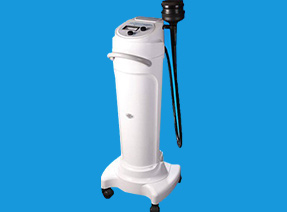
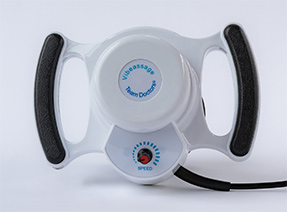
The Vibeassage Sport and the Vibeassage Pro featuring the TDX3 soft-as-the-hand Biomimetic Applicator Pad
https://www.teamdoctors.com/
✓ Get Dr. Stoxen’s #1 International Bestselling Books
Learn how to understand, examine, and reverse your TOS—without surgery.
https://drstoxen.com/1-international-best-selling-author/
✓ Check out Team Doctors Online Courses
Step-by-step video lessons, demonstrations, and self-treatment strategies.
https://teamdoctorsacademy.com/
✓ Schedule a Free Phone Consultation With Dr. Stoxen
Speak directly with him so he can review your case and guide you on your next steps.
https://drstoxen.com/appointment/
#ThoracicOutletSyndrome #FailedTOSSurgery #TOSRecovery #ChronicPainStory #VascularTOS #ArmPain #PatientAdvocacy #MedicalTrauma #SurgeryFailure #PainJourney
Medical Disclaimer
This article is provided for educational and informational purposes only. It is not intended to diagnose, treat, cure, or prevent any disease, nor is it intended to replace professional medical advice, diagnosis, or treatment.
Thoracic outlet syndrome and related nerve, vascular, and musculoskeletal conditions can present differently in each individual. Treatment decisions—including surgical and non-surgical options—must be made on a case-by-case basis in consultation with a qualified, licensed healthcare professional who is familiar with the patient’s complete medical history.
The experiences described in this article reflect individual outcomes and do not guarantee similar results for others. Surgical procedures, including thoracic outlet surgery and first rib resection, carry inherent risks, and outcomes vary based on many factors including diagnosis, timing, practitioner experience, and patient-specific anatomy and physiology.
Readers should not delay or discontinue medical care based on information contained in this article. Always seek the guidance of a qualified healthcare provider with any questions regarding symptoms, conditions, or treatment options.
Editor’s Note
This article explores a patient and family experience following thoracic outlet syndrome surgery and highlights the importance of comprehensive evaluation, informed decision-making, and second opinions when managing complex pain conditions.
The article also references the Human Spring Approach, a biomechanical evaluation and treatment framework developed by Dr James Stoxen, which emphasizes understanding the body as an integrated, dynamic spring system rather than a collection of isolated anatomical structures. The inclusion of this approach is intended to illustrate an alternative clinical perspective, not to discredit surgery or any specific medical specialty.
Mention of specific clinicians, evaluation models, or treatment philosophies does not constitute endorsement, medical advice, or a claim of superiority. Rather, it reflects the editorial goal of encouraging patients and families to seek clarity, explanation, and individualized assessment before pursuing irreversible interventions.
The editorial position of this publication is that understanding should precede intervention, especially in conditions where symptoms persist, worsen, or fail to respond to standard care.

Dr James Stoxen DC., FSSEMM (hon) He is the president of Team Doctors®, Treatment and Training Center Chicago, one of the most recognized treatment centers in the world.
Dr Stoxen is a #1 International Bestselling Author of the book, The Human Spring Approach to Thoracic Outlet Syndrome. He has lectured at more than 20 medical conferences on his Human Spring Approach to Thoracic Outlet Syndrome and asked to publish his research on this approach to treating thoracic outlet syndrome in over 30 peer review medical journals.
He has been asked to submit his other research on the human spring approach to treatment, training and prevention in over 150 peer review medical journals. He serves as the Editor-in-Chief, Journal of Orthopedic Science and Research, Executive Editor or the Journal of Trauma and Acute Care, Chief Editor, Advances in Orthopedics and Sports Medicine Journal and editorial board for over 35 peer review medical journals.
He is a much sought-after speaker. He has given over 1000 live presentations and lectured at over 70 medical conferences to over 50,000 doctors in more than 20 countries. He has been invited to speak at over 300 medical conferences which includes invitations as the keynote speaker at over 50 medical conferences.
After his groundbreaking lecture on the Integrated Spring-Mass Model at the World Congress of Sports and Exercise Medicine he was presented with an Honorary Fellowship Award by a member of the royal family, the Sultan of Pahang, for his distinguished research and contributions to the advancement of Sports and Exercise Medicine on an International level. He was inducted into the National Fitness Hall of Fame in 2008 and the Personal Trainers Hall of Fame in 2012.
Dr Stoxen has a big reputation in the entertainment industry working as a doctor for over 150 tours of elite entertainers, caring for over 1000 top celebrity entertainers and their handlers. Anthony Field or the popular children’s entertainment group, The Wiggles, wrote a book, How I Got My Wiggle Back detailing his struggles with chronic pain and clinical depression he struggled with for years. Dr Stoxen is proud to be able to assist him.
Full Bio) Dr Stoxen can be reached directly at teamdoctors@aol.com