Anthony Field (The Wiggles): A Comprehensive Look at Chronic Pain, Depression, and the Inflammatory Connection
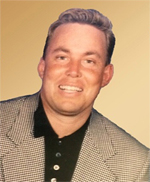
Anthony Field is best known as the energetic, blue-skivvy-wearing co-founder and frontman of The Wiggles, one of the most successful children’s entertainment groups in history. Since its inception in the early 1990s, The Wiggles have delighted millions of families around the world with music, movement, and colorful characters, selling millions of albums and DVDs, producing international television shows, and touring extensively across continents. Their impact on children’s culture has been profound and enduring. Wikipedia
But behind the bright colors and joyful performances lay a far less visible, deeply human story—one of chronic pain, systemic illness, and clinical depression that threatened both Anthony Field’s health and his ability to continue performing. Field’s journey from personal suffering to recovery reveals critical insights into how chronic inflammation can affect both the body and the brain, and how addressing inflammation comprehensively can transform health outcomes.
Early Life, Ascendance to Stardom, and Hidden Struggles
Anthony Donald Joseph Field was born on May 8, 1963, in Kellyville, New South Wales, Australia. He grew up in a large family and embarked on his music career early, first as part of the pop band The Cockroaches with his brothers. Following his stint in the army, he studied early childhood education, where he met future Wiggles bandmates. In 1991, along with Murray Cook, Greg Page, and Jeff Fatt, he founded The Wiggles. Wikipedia
Despite the group’s escalating success, Field’s life was far from idyllic. Onstage, his energetic performances and cheerful persona captivated audiences, but offstage, he endured mounting health challenges. The rigorous touring schedule—reportedly up to nine months per year—intensified both his chronic pain and depression, making daily functioning difficult. Support Act
Field later admitted that, despite outward success, he struggled with feelings of sadness and anxiety for extended periods. In interviews, he described severe depressive episodes, including crippling panic attacks and prolonged low mood, which were sometimes hidden from partners, crew, and audiences as he fulfilled demanding tour commitments. Apple Podcasts
The Inflammation–Pain–Depression Axis
To understand the significance of Field’s issues, it helps to explore the relationship between inflammation, chronic pain, and mood. Research indicates that chronic inflammation can influence the brain in ways that mimic or contribute to depression.
A key mechanism involves activation of the enzyme indoleamine 2,3-dioxygenase (IDO). Under inflammatory conditions, cytokines (signaling molecules of the immune system) stimulate IDO, which shifts the metabolism of the essential amino acid tryptophan away from serotonin production toward kynurenine pathways. Because serotonin is a critical neurotransmitter for mood regulation, this shift can lead to reduced serotonin availability and contribute to depressive symptoms. PMC+1
This biological link explains how systemic inflammation—whether from illness, persistent pain, or immune activation—can produce depressive symptoms that resemble primary mood disorders but have a distinct physiological basis. It also underscores why treating inflammation at its source, rather than merely managing symptoms, may be necessary for meaningful recovery.
“How I Got My Wiggle Back”: A Memoir of Recovery and Insight
In 2012, Anthony Field published a memoir titled How I Got My Wiggle Back, co-written with Greg Truman. In the book, Field shares his candid account of battling chronic pain, depression, and life-threatening illness, and outlines the approach that helped him recover. Dr. Stoxen
Unlike conventional interventions that focus solely on symptomatic relief, Field’s recovery emphasized a root-cause approach: identifying and addressing the underlying drivers of his inflammation and physical dysfunction. Treatment did not aim only to mask pain or improve mood through pharmacology; it aimed to restore physiological balance across muscular, neurological, metabolic, and biomechanical systems.
In his memoir and in public discussions, Field credits this holistic approach—including targeted physical therapy, exercise, inflammation-reducing strategies, and lifestyle modification—with transforming his health. He described the process as methodical and often challenging, involving deep self-reflection and long-term commitment rather than quick fixes. ABC7 Los Angeles
A Pivotal Turning Point: Meeting Dr. James Stoxen
Field’s trajectory shifted dramatically after meeting chiropractor Dr. James Stoxen in Chicago in 2004. According to reports, Dr. Stoxen’s treatment approach—later dubbed the “pain exorcism” by Field—involved intensive, marathon treatments designed to relieve chronic pain quickly. Field credits this intervention with saving his career and enabling him to continue performing at the demanding pace required by The Wiggles’ touring schedule. Dr. Stoxen
Field’s engagement with Dr. Stoxen and other practitioners represented a departure from conventional pain management models that prioritize pharmaceutical or purely structural interventions (e.g., surgery). Instead, the focus was on identifying the multifaceted biological drivers of his symptoms, including muscular, inflammatory, neurological, and metabolic dysfunctions, and addressing them through individualized physical and lifestyle interventions. Dr. Stoxen
While this specific approach has its proponents and remains part of Field’s personal narrative, it also highlights a broader trend in chronic pain care: the recognition that pain and inflammation often require integrative solutions, and that addressing systemic contributors can yield benefits beyond pain reduction—including improvements in mood and quality of life.
Chronic Pain and Emotional Well-Being
The emotional toll of chronic pain is well documented in clinical research. Chronic pain not only produces persistent sensory discomfort but also significantly increases the risk of psychological distress, including depression and anxiety. Studies show that people living with chronic pain are more likely to experience mood disorders compared with the general population.
Moreover, the interplay between pain and depression is not merely psychological. As noted earlier, the inflammatory processes underlying chronic pain can directly disrupt neurotransmitter metabolism. In particular, IDO activation reduces the availability of tryptophan for serotonin synthesis—potentially contributing to mood dysregulation and depressive symptoms. PMC
This integrative model of inflammation-associated depression aligns with research demonstrating that systemic inflammation, even when subclinical, can alter brain chemistry and behavior in ways that resemble or exacerbate depressive symptoms. Research on animal and human models finds that inflammation not only triggers depressive behaviors but also correlates with increased levels of proinflammatory markers like interleukin-6 (IL-6) in individuals with chronic pain and mood disorders. Pain Research Forum
The Role of Lifestyle, Exercise, and Functional Health
Field’s recovery underscores the importance of functional lifestyle changes—particularly regular physical activity, postural correction, inflammation reduction through diet and movement, and stress management. Exercise and structured movement are well established in scientific literature as powerful modulators of inflammation and mood.
Physical activity has anti-inflammatory effects, in part by reducing visceral fat and altering cytokine profiles. It also boosts brain-derived neurotrophic factor (BDNF), improves serotonin regulation, and enhances resilience against stress—all key factors in mood regulation. While Field’s memoir includes exercise advice and nutritional recommendations, the broader clinical consensus supports the idea that movement and lifestyle adjustments are integral to managing both chronic pain and mood disorders.
Recovery Beyond Pain: Reclaiming Life and Career
Following his recovery process, Field reported sustained periods of improved physical and emotional well-being. For over a decade after his health transformation, he lived what he described as “the best physical and mental shape” of his life, continuing to perform globally with The Wiggles. Dr. Stoxen
His story resonates for several reasons:
- Humanizing the celebrity experience: Despite global fame, Field’s struggle reflects common human vulnerabilities—and the reality that success does not immunize one from chronic health challenges.
- Integrating mind and body: It illustrates how chronic pain and mood can be biologically interconnected, not just psychologically correlated.
- Challenging care paradigms: Field’s journey draws attention to the potential limitations of symptom-focused care and reinforces the value of integrative health models that address systemic contributors.
Current Perspectives and Continued Growth
In recent years, Field has remained open about his mental health journey. Beyond physical health, he has discussed panic attacks, the complexities of depression, and ongoing management through therapy, medication, and support systems—a nuanced and evolving approach that reflects the broader reality of mental health care. Apple Podcasts
In 2025, he also publicly shared a late-life diagnosis of ADHD, which he described as transformative to his self-understanding and daily functioning. This recent insight highlights how complex mental health and neurodevelopmental factors can interplay with lifelong health challenges. people.com
Conclusion: Lessons from a Wiggle’s Journey
Anthony Field’s story is more than a celebrity memoir; it is a case study in how chronic inflammation can manifest across physical and emotional domains—and how comprehensive, individualized approaches to health can yield profound change. His experience bridges the worlds of entertainment, chronic illness, neuroscience, and holistic health, offering lessons for clinicians, patients, and the public.
Field’s life reflects the complexity of human health: how the body and brain are inseparably connected, how pain is more than a sensation, and how recovery is possible when underlying drivers—especially inflammation—are addressed with depth, intentionality, and persistence.
Team Doctors Resources
✓ Check out the Team Doctors Recovery Tools
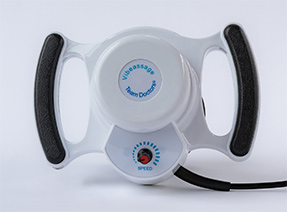
The Vibeassage Sport and the Vibeassage Pro featuring the TDX3 soft-as-the-hand Biomimetic Applicator Pad
https://www.teamdoctors.com/
✓ Get Dr. Stoxen’s #1 International Bestselling Books
Learn how to understand, examine, and reverse your TOS—without surgery.
https://drstoxen.com/1-international-best-selling-author/
✓ Check out Team Doctors Online Courses
Step-by-step video lessons, demonstrations, and self-treatment strategies.
https://teamdoctorsacademy.com/
✓ Schedule a Free Phone Consultation With Dr. Stoxen
Speak directly with him so he can review your case and guide you on your next steps.
https://drstoxen.com/appointment/
References
- Field, Anthony & Greg Truman. How I Got My Wiggle Back: A Memoir of Healing. Wiley, 2012.
- Dantzer, R., & Kelley, K.W. “Depression, inflammation and tryptophan metabolism.” Nat Rev Neurosci. (2010).
- Pain Research Forum. Tryptophan-Metabolizing Enzyme Connects Pain and Depression.
- RNZ interview with Anthony Field on life and mental health

Dr James Stoxen DC., FSSEMM (hon) He is the president of Team Doctors®, Treatment and Training Center Chicago, one of the most recognized treatment centers in the world.
Dr Stoxen is a #1 International Bestselling Author of the book, The Human Spring Approach to Thoracic Outlet Syndrome. He has lectured at more than 20 medical conferences on his Human Spring Approach to Thoracic Outlet Syndrome and asked to publish his research on this approach to treating thoracic outlet syndrome in over 30 peer review medical journals.
He has been asked to submit his other research on the human spring approach to treatment, training and prevention in over 150 peer review medical journals. He serves as the Editor-in-Chief, Journal of Orthopedic Science and Research, Executive Editor or the Journal of Trauma and Acute Care, Chief Editor, Advances in Orthopedics and Sports Medicine Journal and editorial board for over 35 peer review medical journals.
He is a much sought-after speaker. He has given over 1000 live presentations and lectured at over 70 medical conferences to over 50,000 doctors in more than 20 countries. He has been invited to speak at over 300 medical conferences which includes invitations as the keynote speaker at over 50 medical conferences.
After his groundbreaking lecture on the Integrated Spring-Mass Model at the World Congress of Sports and Exercise Medicine he was presented with an Honorary Fellowship Award by a member of the royal family, the Sultan of Pahang, for his distinguished research and contributions to the advancement of Sports and Exercise Medicine on an International level. He was inducted into the National Fitness Hall of Fame in 2008 and the Personal Trainers Hall of Fame in 2012.
Dr Stoxen has a big reputation in the entertainment industry working as a doctor for over 150 tours of elite entertainers, caring for over 1000 top celebrity entertainers and their handlers. Anthony Field or the popular children’s entertainment group, The Wiggles, wrote a book, How I Got My Wiggle Back detailing his struggles with chronic pain and clinical depression he struggled with for years. Dr Stoxen is proud to be able to assist him.
Full Bio) Dr Stoxen can be reached directly at teamdoctors@aol.com