Why So Many People Feel Stuck, Tired, and Empty — And Why It’s Not Their Fault
For many people, life slowly becomes smaller.
They stop enjoying things they once loved. They feel tired all the time. Their mind feels cloudy. Their body feels heavy. They wake up already exhausted and go to bed still worn out. Somewhere along the way, they begin to wonder what is wrong with them.
Some are told they have depression. Others hear the words major depressive disorder or clinical depression. Some are told they have a mood disorder. Others are simply told they are “stressed” or “burned out.”
But inside, the experience feels very real.
It may feel like chronic sadness or a constant low mood. It may feel like emotional numbness, where nothing feels good and nothing feels bad — just empty. Many people notice fatigue and depression at the same time. They may have sleep disturbance or long nights of sleep deprivation. They may struggle with anxiety and depression together.
Their head may feel full of cotton, a feeling many people call brain fog. They may notice loss of motivation, hopelessness, or anhedonia, which means they no longer feel pleasure from things that used to make them happy. Small things may trigger irritability, and their whole inner world may feel like it is falling apart.
Doctors call all of this mental health problems. But for the person living in it, it feels more like their entire system is breaking down.
Many people think this is “all in the mind.” But it is not.
This is where modern science is changing how we understand a depressive episode.
The Body and the Mind Are Not Separate
For a long time, medicine treated the body and the mind like two different things. If your knee hurt, that was physical. If you felt sad or tired or empty, that was “mental.”
But the truth is simpler and more powerful:
The brain lives in the body.
And the body strongly affects the brain.
Today, there is massive scientific evidence linking inflammation and depression. There is also strong evidence connecting nervous system dysregulation to mood problems, fatigue, and mental shutdown. Many people who feel depressed are not just “sad.” Their entire system is under stress.
In fact, when researchers search the medical database PubMed for the words “inflammation depression,” they find over 17,500 scientific studies connecting inflammation to depression, anxiety, and mood problems.
That means this is not a theory. This is not a guess. This is not rare.
It is biology.
What Inflammation Does to How You Feel
Inflammation is what the body uses to protect and repair itself. If you cut your finger, it gets red and swollen. That is normal.
But when inflammation stays in the body for a long time, it starts to change how the brain works. This is often called neuroinflammation.
When this happens, people may begin to notice:
- chronic fatigue and low energy
- cognitive dysfunction and trouble thinking clearly
- emotional exhaustion and mental exhaustion
- burnout and feeling like they have nothing left to give
They may also notice mood changes, emotional distress, and loss of interest in life.
This is not a character problem.
This is a system problem.
The Stress–Inflammation Trap
Long-term chronic stress is one of the strongest drivers of inflammation in the body. Stress also changes how the nervous system works. Over time, the system gets stuck in “high alert.”
This is why stress and depression are so closely linked.
When the nervous system stays in high alert too long, the person may develop:
- mood instability
- emotional exhaustion
- depressive fatigue
- mental exhaustion
- and eventually burnout
At the same time, stress often destroys sleep. This leads to sleep deprivation, which makes inflammation worse. And inflammation makes sleep worse. The cycle feeds itself.
Why This Feels So Physical
Many people say, “I don’t just feel sad. I feel sick. Heavy. Drained.”
That’s because depression is not only emotional.
It is often:
- low energy
- chronic fatigue
- depressive fatigue
- brain fog
- emotional numbness
The whole body is involved.
The Chemical Side Is Only Part of the Story
You may have heard about low serotonin and other brain chemicals. These are real. But chemicals do not change on their own. They change because the system they live in is under stress.
Inflammation, stress, poor sleep, and nervous system overload all affect brain chemistry.
This is why many people with persistent depressive disorder, seasonal affective disorder, or even treatment-resistant depression do not fully recover with medication alone.
The system underneath is still broken.
The Human Spring Idea
Dr. James Stoxen teaches that the human body is not just a machine with parts. It is a spring system designed to store energy, release energy, and recycle energy.
When this system is healthy, you feel:
- Clear
- Energetic
- Calm
- Emotionally stable
But when the system is overloaded by:
- Stress
- Inflammation
- Pain
- Poor sleep
- Long-term tension
The system stops recycling energy properly.
And the person begins to feel:
- Tired all the time
- Emotionally flat
- Mentally slow
- Physically heavy
This is not laziness.
This is energy system failure.
Why People Blame Themselves
Many people think:
“I should be stronger.”
“I should try harder.”
“I should just push through.”
But pushing a burned-out system usually makes:
- emotional exhaustion worse
- mental exhaustion worse
- burnout deeper
- mood instability stronger
This is not a willpower problem.
This is a biology problem.
A Very Important Hopeful Truth
If inflammation, stress, and nervous system overload help cause depression…
Then reducing inflammation, calming the nervous system, restoring sleep, and rebuilding the body’s energy system can help improve:
- depression
- anxiety and depression
- fatigue and depression
- brain fog
- loss of motivation
- hopelessness
- emotional distress
Not by “thinking positive.”
But by fixing the system.
Great. Here is PART 2 of 4, continuing in the same true article / book chapter style — no keyword dumping, no lists-for-SEO, just a clear story written for patients.
How the Body Slowly Slips Into Inflammation, Exhaustion, and Shutdown
Most people do not wake up one day with full depression.
It usually happens slowly.
At first, they are just tired. Then they are tired more often. Then they notice they are not sleeping well. Then their mood starts to change. Then their thinking becomes foggy. Then their emotions feel flat or heavy. Somewhere along the way, the joy leaks out of life.
One day, a doctor may tell them they are in a depressive episode or that they have clinical depression or major depressive disorder. But long before that label appears, the body has already been struggling.
Where the Trouble Really Begins
The trouble often begins with stress.
Not just short stress, but chronic stress — the kind that never really turns off.
This kind of stress keeps the nervous system stuck in high alert. Over time, this leads to nervous system dysregulation. The body forgets how to relax. The mind forgets how to feel safe.
When this happens, sleep often suffers. People develop sleep disturbance and sometimes long periods of sleep deprivation. This alone can cause low energy, brain fog, and mood changes.
But stress does something else too.
It increases inflammation in the body.
How Inflammation Spreads Through the System
Inflammation is supposed to be temporary. It is meant to help the body heal. But when stress, pain, or illness stays too long, inflammation becomes chronic.
This long-term inflammation can reach the brain. When it does, it becomes neuroinflammation.
This changes how the brain works.
People may notice:
- Slower thinking and cognitive dysfunction
- Heavy mental exhaustion
- Deep emotional exhaustion
- And eventually burnout
They may feel fatigue and depression at the same time. They may feel chronic fatigue that sleep does not fix. Their body feels empty of energy. Their mind feels dull.
This is not weakness.
This is biology under pressure.
Why Mood Changes First
The brain is very sensitive to inflammation and stress. That is why the first signs are often emotional.
People may notice:
- low mood
- chronic sadness
- irritability
- mood instability
- emotional distress
They may slowly lose interest in things they used to love. This is called loss of interest. Some develop anhedonia, where pleasure itself seems to disappear. Others describe emotional numbness, like they are watching life through a window.
Doctors call this a mood disorder. Patients just call it hell.
The Energy System Begins to Fail
Dr. James Stoxen explains this using the idea of the Human Spring.
Your body is supposed to store and recycle energy. When you move, when you think, when you live, your system should bounce back.
But chronic stress, poor sleep, pain, and inflammation slowly break this system.
When that happens, people feel:
- low energy all the time
- depressive fatigue
- mental exhaustion
- emotional exhaustion
They feel like their battery will not recharge.
This is not laziness.
This is system failure.
The Brain Chemistry Changes Too
Many people hear about low serotonin and other brain chemicals. These changes are real. But they do not happen in a vacuum.
Inflammation, stress hormones, and poor sleep all change brain chemistry.
This is why inflammation and depression are so strongly linked. It is also why researchers now talk about inflammation and mood disorders as a major field of study.
Why Anxiety Often Joins the Party
For many people, this is not just depression. It is anxiety and depression together.
A stressed, inflamed nervous system is jumpy. It worries more. It startles more easily. It has trouble calming down.
So the person feels:
- Tired but wired
- Exhausted but restless
- Drained but tense
This makes sleep worse. And poor sleep makes everything else worse.
When This Becomes Long-Term
If this state lasts long enough, some people develop persistent depressive disorder. Others fall into patterns that doctors call treatment-resistant depression, because nothing seems to fully fix it.
Some people notice that their mood drops every winter. This is called seasonal affective disorder. Light, movement, and inflammation all play a role here too.
But again, the pattern is the same:
The system is overloaded.
The Invisible Weight
One of the hardest parts of this illness is that other people cannot see it.
From the outside, the person may look fine.
Inside, they are carrying:
- mental exhaustion
- emotional exhaustion
- burnout
- hopelessness
- And deep emotional distress
They may still go to work. Still smile. Still function.
But everything feels heavy.
Why Willpower Is Not the Answer
You cannot “motivate” a broken energy system.
Trying harder often increases stress and depression and pushes the system even deeper into exhaustion.
This is why people who push themselves often crash.
The Key Idea
This is not a problem of character.
This is not a problem of weakness.
This is a problem of biology, inflammation, and nervous system overload.
And that means it can be changed.
Where Inflammation Really Comes From — And Why the Body Never Gets to Rest
By the time someone is living with depression, the problem did not start in the brain.
It started in the body.
It started with stress, pain, poor sleep, and overload that went on for too long. The nervous system stayed tense. The body stayed inflamed. And slowly, the system lost its ability to recover.
This is how inflammation and depression become tied together.
The Body Is Always Listening
Your nervous system is like a guard dog. Its job is to protect you. When it senses danger — physical or emotional — it turns on.
That is useful in emergencies.
But when life feels like an emergency every day, the system never turns off.
This is what leads to nervous system dysregulation.
When this happens, the body stays in a state of tension. Muscles stay tight. Breathing stays shallow. The heart beats a little faster. Sleep gets lighter and shorter. This creates sleep disturbance and sometimes long stretches of sleep deprivation.
And poor sleep is one of the fastest ways to deepen fatigue and depression.
Pain, Tension, and Silent Inflammation
Many people do not realize how much hidden inflammation they are carrying.
Old injuries, tight muscles, poor posture, and shallow breathing can all keep the nervous system in a low-grade alarm state. This keeps inflammation turned on.
Over time, this inflammation reaches the brain. This is neuroinflammation.
When this happens, people notice:
- brain fog
- cognitive dysfunction
- low energy
- mental exhaustion
- emotional exhaustion
Their thinking slows. Their emotions flatten. Their motivation fades.
This is not imagination.
This is chemistry and biology.
The Stress Chemistry Loop
Long-term chronic stress changes hormone levels in the body. These hormones affect the immune system. The immune system controls inflammation.
This is one of the main reasons stress and depression are so tightly linked.
Stress also makes people more sensitive to pain, more sensitive to noise, more sensitive to problems. The world starts to feel heavier.
This leads to:
- mood changes
- irritability
- emotional distress
- mood instability
How the Energy System Breaks Down
Dr. James Stoxen explains this using the Human Spring idea.
A healthy body stores energy and gives it back. A stressed body leaks energy.
When the system is overloaded for too long, people begin to feel:
- chronic fatigue
- depressive fatigue
- low energy
- mental exhaustion
- burnout
No amount of rest seems to fix it, because the system itself is not recycling energy properly.
The Brain Chemical Story Revisited
You may hear about low serotonin or other brain chemicals. But these chemicals are controlled by the body’s overall state.
Inflammation, stress hormones, poor sleep, and pain all change brain chemistry.
This is why doctors now talk about inflammation and mood disorders as a major cause of suffering.
This is also why many people with treatment-resistant depression do not get well until the body itself is addressed.
Why Some People Get Worse in the Winter
In seasonal affective disorder, light, movement, and activity drop. People move less. They go outside less. Their sleep patterns change. Their nervous system becomes more sluggish. Inflammation often rises.
The same biology is at work.
The Emotional Shutdown
Over time, some people stop feeling deeply sad and start feeling nothing.
This is emotional numbness.
Others feel a constant low mood, chronic sadness, or deep hopelessness.
Many lose interest in life. This is loss of interest.
Some stop feeling pleasure at all. This is anhedonia.
This is not a personality change.
This is the nervous system and brain under long-term stress.
Why People Think They Are Broken
Because this happens slowly, people often blame themselves.
They think:
“I’m weak.”
“I’ve lost my drive.”
“I’m just not the same person.”
But the truth is simpler and kinder:
Their system is exhausted.
The Big Pattern
Whether the doctor calls it:
- major depressive disorder
- clinical depression
- persistent depressive disorder
- Or a mood disorder
The body often shows the same signs:
- Inflammation
- Nervous system overload
- Energy system failure
The Good News
If this problem is driven by:
- Inflammation
- Stress
- Poor sleep
- Nervous system overload
Then changing those things can change the outcome.
You are not stuck this way.
Here is PART 4 of 4, the final section of the article. This finishes the story in a hopeful, practical, patient-centered way and keeps the same real article / book chapter style.
How the Body Can Heal, Rebuild Its Energy, and Find Its Way Back to Life
By the time someone reaches this point in the story, one thing should be clear:
What we call depression is very often not just a problem of thoughts or emotions.
It is a problem of the whole system.
For many people, what doctors call major depressive disorder, clinical depression, or a mood disorder is the end result of years of stress, poor sleep, pain, tension, and inflammation slowly wearing the system down.
This is why so many people do not just feel sad. They feel tired to the bone. They feel empty. They feel foggy. They feel like life has lost its color.
They are living with depressive symptoms like chronic sadness, low mood, emotional numbness, hopelessness, loss of interest, and sometimes anhedonia, where pleasure itself seems to disappear. They may also live with irritability, mood changes, and deep emotional distress.
And almost always, they also feel it in their bodies as fatigue and depression, chronic fatigue, depressive fatigue, low energy, mental exhaustion, and emotional exhaustion.
This is not weakness.
This is what happens when a system has been overloaded for too long.
The Turning Point: Understanding the Real Problem
Many people spend years trying to fix only their thoughts or only their brain chemistry. They may hear about low serotonin and take medications. Sometimes that helps a little. Sometimes it does not.
This is why doctors now talk more and more about inflammation and depression and even inflammation and mood disorders.
When the body is inflamed, the brain is inflamed. When the nervous system is stuck in stress mode, the mind cannot rest. This state is often called nervous system dysregulation.
When inflammation reaches the brain, it becomes neuroinflammation. This is when people begin to feel brain fog, cognitive dysfunction, and a deep sense that their mind is not working the way it used to.
This is not imagination.
This is biology.
Why So Many People Feel Stuck
Many people are told they have a depressive episode. Some are told they have persistent depressive disorder. Others are told they have treatment-resistant depression because nothing seems to work.
Some notice that their mood drops every winter, which doctors call seasonal affective disorder.
But under all these names, the body often shows the same pattern:
Too much stress.
Too little recovery.
Too much inflammation.
A nervous system that never fully turns off.
An energy system that no longer recharges.
This is why stress and depression walk together so often. This is also why sleep disturbance and sleep deprivation make everything worse.
When sleep is broken, the brain cannot clean itself. Inflammation rises. Mood falls. Energy disappears.
The Human Spring Idea, One More Time
Dr. James Stoxen teaches that the body is not just a machine that burns fuel. It is a spring system that is supposed to store energy and give it back.
When the system is healthy, you wake up with some energy. You use it. You rest. And the system refills.
But when the system is under constant pressure from chronic stress, pain, poor sleep, and inflammation, it stops refilling.
The person begins to live in a constant state of low battery.
This feels like:
- chronic fatigue
- low energy
- burnout
- mental exhaustion
- emotional exhaustion
And over time, it also feels like:
- hopelessness
- loss of motivation
- mood instability
- And a quiet pulling away from life
What Healing Really Means
Healing does not mean “forcing yourself to be positive.”
Healing means:
- Calming inflammation
- Calming the nervous system
- Restoring sleep
- Restoring movement
- Restoring the body’s ability to recycle energy
When these things begin to change, something surprising often happens:
The mind begins to clear.
The emotions begin to soften.
The body begins to feel lighter.
Many people notice that anxiety and depression begin to ease together, because the nervous system is no longer stuck in danger mode.
Why the Body Must Be Part of the Solution
You cannot think your way out of an inflamed, exhausted nervous system.
You must change the state of the system.
This often includes:
- Better sleep habits to fix sleep deprivation
- Gentle movement to help calm the nervous system
- Reducing pain and tension that keep the body in stress mode
- Supporting the body so inflammation can come down
As inflammation comes down, neuroinflammation comes down. As that happens, many people notice less brain fog, less cognitive dysfunction, and more emotional space.
The Emotional Return
One of the most beautiful parts of recovery is not just having more energy.
It is feeling again.
People who lived in emotional numbness may begin to feel normal sadness and normal joy again. People who lived in low mood and chronic sadness may notice that life starts to have color again. People who lived with loss of interest and anhedonia may slowly rediscover small pleasures.
This does not happen overnight.
But it happens.
Why This Is Not a Personal Failure Story
So many people believe their struggle is a failure of character.
It is not.
It is a story of a system under too much load for too long.
And systems can recover.
A Different Way to Think About Mental Health
What we call mental health is not just about the mind.
It is about:
- The brain
- The nervous system
- The immune system
- The energy system
- The body as a whole
When these systems are supported, the mind often follows.
The Real Hope
If your life has been shaped by:
- depression
- fatigue and depression
- chronic fatigue
- burnout
- emotional distress
- mood changes
- Or years of feeling “not yourself”
This does not mean you are broken.
It means your system is tired.
And tired systems can be rebuilt.
The Quiet Promise of the Human Spring Approach
The Human Spring Approach does not fight the body.
It helps the body remember how to recover.
It helps the nervous system calm down.
It helps inflammation come down.
It helps energy come back.
And when that happens, many people discover something they thought they had lost forever:
The feeling of being alive inside again.
Team Doctors Resources
✓ Check out the Team Doctors Recovery Tools
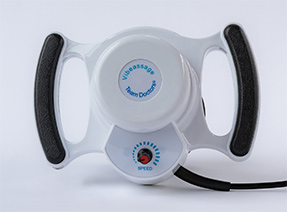
The Vibeassage Sport and the Vibeassage Pro featuring the TDX3 soft-as-the-hand Biomimetic Applicator Pad
https://www.teamdoctors.com/
✓ Get Dr. Stoxen’s #1 International Bestselling Books
Learn how to understand, examine, and reverse your TOS—without surgery.
https://drstoxen.com/1-international-best-selling-author/
✓ Check out Team Doctors Online Courses
Step-by-step video lessons, demonstrations, and self-treatment strategies.
https://teamdoctorsacademy.com/
✓ Schedule a Free Phone Consultation With Dr. Stoxen
Speak directly with him so he can review your case and guide you on your next steps.
https://drstoxen.com/appointment/

Dr James Stoxen DC., FSSEMM (hon) He is the president of Team Doctors®, Treatment and Training Center Chicago, one of the most recognized treatment centers in the world.
Dr Stoxen is a #1 International Bestselling Author of the book, The Human Spring Approach to Thoracic Outlet Syndrome. He has lectured at more than 20 medical conferences on his Human Spring Approach to Thoracic Outlet Syndrome and asked to publish his research on this approach to treating thoracic outlet syndrome in over 30 peer review medical journals.
He has been asked to submit his other research on the human spring approach to treatment, training and prevention in over 150 peer review medical journals. He serves as the Editor-in-Chief, Journal of Orthopedic Science and Research, Executive Editor or the Journal of Trauma and Acute Care, Chief Editor, Advances in Orthopedics and Sports Medicine Journal and editorial board for over 35 peer review medical journals.
He is a much sought-after speaker. He has given over 1000 live presentations and lectured at over 70 medical conferences to over 50,000 doctors in more than 20 countries. He has been invited to speak at over 300 medical conferences which includes invitations as the keynote speaker at over 50 medical conferences.
After his groundbreaking lecture on the Integrated Spring-Mass Model at the World Congress of Sports and Exercise Medicine he was presented with an Honorary Fellowship Award by a member of the royal family, the Sultan of Pahang, for his distinguished research and contributions to the advancement of Sports and Exercise Medicine on an International level. He was inducted into the National Fitness Hall of Fame in 2008 and the Personal Trainers Hall of Fame in 2012.
Dr Stoxen has a big reputation in the entertainment industry working as a doctor for over 150 tours of elite entertainers, caring for over 1000 top celebrity entertainers and their handlers. Anthony Field or the popular children’s entertainment group, The Wiggles, wrote a book, How I Got My Wiggle Back detailing his struggles with chronic pain and clinical depression he struggled with for years. Dr Stoxen is proud to be able to assist him.
Full Bio) Dr Stoxen can be reached directly at teamdoctors@aol.com