Understanding Why Your Shoulder Hurts: The Human Spring Approach
Many people wake up in the morning and say, “my shoulder hurts.”
Sometimes it feels like upper shoulder pain.
Sometimes it feels like under shoulder pain.
Sometimes it feels deep in the chest, the neck, or behind the shoulder blade, like shoulder blade pain or thoracic shoulder blade pain.
Some people worry because they have chronic shoulder pain that never seems to fully go away. Others are confused because they have left shoulder pain and don’t know the left shoulder pain causes. Some notice left shoulder and neck pain together. Others feel thoracic shoulder pain or thoracic shoulder tightness that spreads into the arm.
You may have heard terms like thoracic outlet syndrome, TOS shoulder pain, TOS shoulder blade pain, or thoracic outlet syndrome shoulder pain. You might even have seen products advertised like a thoracic outlet syndrome shoulder brace and wondered if that’s what you need.
Before we talk about products, exercises, or anything else, we have to start with something much more important:
Understanding how your body is designed.
The Shoulder Is Not Just Parts — It Is a System
Most people think of the shoulder as a group of parts:
- A rotator cuff
- A shoulder blade
- Some neck muscles
- Some chest muscles
Doctors and therapists often talk about specific muscles like the scalene muscles, the pectoralis minor, or the subclavius muscle. You might hear about the anterior scalene muscle or thoracic muscles and wonder how all of this fits together.
But here is the big idea from Dr. James Stoxen’s work:
The shoulder and upper body are not a pile of parts. They are an integrated spring system.
That means your body is designed more like a spring than like a machine made of stiff levers.
A spring:
- Stores energy
- Absorbs force
- Releases force
- Adapts to movement and load
When this spring system is working well, movement feels easy, light, and smooth.
When it is not working well, the body starts to protect itself.
And that is when problems like:
- muscle spasms in neck
- tight scalene muscles
- muscle under clavicle pain
- thoracic myalgia
- and many forms of symptoms shoulder pain
begin to appear.
Why Pain Spreads and Moves Around
One of the most confusing things for patients is this:
“Why does my pain move around?”
One day it feels like thoracic shoulder pain.
Another day it feels like shoulder blade pain.
Another day it feels like left shoulder pain or upper shoulder pain.
That’s because the body does not work in isolated pieces.
When the spring system becomes stiff, guarded, or overloaded, the body starts using protective muscle tension to hold itself together.
This can lead to:
- tight scalene muscles symptoms
- muscle spasms in neck
- pectoralis minor syndrome patterns
- anterior scalene syndrome symptoms
- Or what some people call thoracic shoulder syndrome or tos shoulder
These are not just “bad muscles.”
They are protective muscles that are working too hard for too long.
The Real Problem Is Often Not Where You Feel the Pain
A very important idea in the Human Spring Approach is this:
The place where you feel pain is often not the place where the real problem started.
For example:
- You may feel thoracic outlet syndrome shoulder blade pain, but the real issue may be stiffness and overload in the rib cage, spine, or breathing system.
- You may feel TOS shoulder pain, but the real issue may be how the entire spring system is handling gravity and daily stress.
- You may have TOS shoulder or TOS shoulder injury symptoms, but the body may simply be stuck in a long-term protection pattern.
This is why focusing only on “the sore spot” often does not solve the problem.
Why Muscles Get Tight in the First Place
Muscles like the scalene muscles, pectoralis minor, subclavius muscle, and other thoracic muscles are not supposed to be tight all the time.
They are supposed to:
- Turn on
- Turn off
- Change length
- Adapt to movement
But when the body feels overloaded, unsafe, or unstable, it does something very smart:
It tightens things up to create stability.
Over time, this can look like:
- muscles scalene staying shortened
- tight scalene muscles pulling on the neck and ribs
- muscle under clavicle pain from constant tension
- thoracic myalgia (muscle soreness in the chest and upper back)
- And patterns sometimes labeled anterior scalene muscle syndrome or anterior scalene syndrome
Again, these are not “bad” muscles.
They are overworked protection muscles.
Why Cutting or Forcing the Body Is Not the Same as Teaching It
Some treatment paths talk about things like:
- anterior scalenectomy
- pectoralis minor tenotomy
Those are surgical procedures. This article is not for or against any medical treatment. That is always a decision between a patient and their doctor.
But the Human Spring Approach asks a different question:
What if the body is tight because it is afraid to relax?
What if the problem is not a “bad structure” but a guarded system?
What if the real goal is to help the body feel safe enough to let go?
That is a very different way of thinking.
The Body Works Like a Set of Springs, Not Like a Stack of Parts
Think about the suspension system on a car.
If one spring gets stiff, the whole ride gets rough.
The human body is similar.
When the spring system of the:
- feet
- legs
- hips
- spine
- rib cage
- shoulders
- and neck
stops working smoothly, the load gets pushed into the wrong places.
That is when people start saying:
- “I have chronic shoulder pain.”
- “I have thoracic shoulder tightness.”
- “I have left shoulder and neck pain.”
- “I think I have thoracic outlet syndrome or thoracic outlet syndrome shoulder pain.”
So What Can a Person Do on Their Own?
This is the most important part of Dr. Stoxen’s philosophy:
Understanding comes before fixing.
As he often says:
You must first find a credible source that explains:
- What you are feeling
- Why it is happening
- And how the system works
That is why he wrote his book and invested so much in clear illustrations.
Because once people see how the system works, something amazing happens:
They stop being afraid of their body.
They stop thinking in scary labels.
They start thinking in systems and patterns.
The Real Key: Finding the Circuit
Chronic pain often works like a loop or a circuit.
Something triggers tension.
The tension changes movement.
The movement increases stress.
The stress keeps the muscles tight.
And the loop repeats.
This is how someone can get stuck for years with:
- TOS shoulder blade pain
- thoracic shoulder blade pain
- TOS shoulder pain
- or ongoing symptoms shoulder problems
The Human Spring Approach focuses on:
Finding what keeps triggering the system.
Because when that trigger changes, the body often starts to unwind on its own.
Where the Vibeassage Pro and Vibeassage Sport Fit In
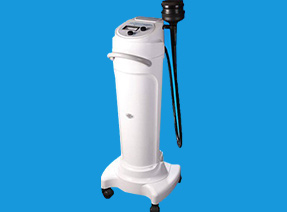
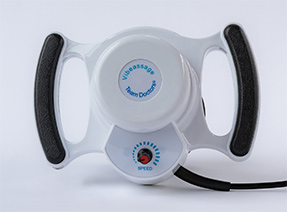
The Vibeassage Pro and Vibeassage Sport are not medical devices for diagnosis or cure.
They are self-care tools designed to help:
- Relax tight tissues
- Improve comfort
- Support circulation and movement
- Help the body feel safer and less guarded
In simple terms, they are tools that can help the nervous system calm down and the muscles let go.
They do not “fix” the body.
They support the body while it relearns how to move and relax.
The Big Picture
If you only remember one idea from this first part, remember this:
Your shoulder problem is probably not a “shoulder part” problem.
It is likely a whole-system spring problem.
That is why pain can show up as:
- shoulder blade pain
- upper shoulder pain
- left shoulder pain
- thoracic shoulder pain
- TOS shoulder or thoracic shoulder syndrome patterns
And that is why learning how the whole system works is the beginning of real change.
Why the Neck, Chest, and Shoulder Area Gets Tight and Painful
Many people are told they might have thoracic outlet syndrome. Others are told they have pectoralis minor syndrome, anterior scalene syndrome, or some kind of thoracic shoulder syndrome.
All of these names can sound scary and confusing.
But in simple terms, they are all describing crowding, tightness, and tension in the space between the neck, chest, and shoulder.
This is the area where:
• Nerves travel from the neck into the arm
• Blood vessels travel from the chest into the arm
• The shoulder “hangs” from the neck and rib cage like a suspension bridge
When this suspension system gets stiff, overloaded, or guarded, people begin to feel things like:
- thoracic outlet syndrome shoulder pain
• TOS shoulder pain
• TOS shoulder blade pain
• thoracic shoulder blade pain
• upper shoulder pain
• left shoulder pain or left shoulder and neck pain
• Or deep under shoulder pain
The Most Important Muscles in This Area (In Plain English)
Let’s talk about a few muscles that show up again and again in these problems.
The Scalene Muscles
The scalene muscles live on the sides of your neck. There are several of them, and one important one is called the anterior scalene muscle.
These muscles:
• Help with breathing
• Help stabilize the neck
• Help position the rib cage
When the body is stressed, tired, or overloaded, these muscles often become:
• tight scalene muscles
• Painful
• Shortened
• Overactive
This can create:
• tight scalene muscles symptoms
• muscle spasms in neck
• anterior scalene syndrome symptoms
• Or patterns sometimes called anterior scalene muscle syndrome or anterior scalene syndrome
Again, this does not mean the muscles are “bad.”
It means they are working too hard for too long.
The Pectoralis Minor
The pectoralis minor is a small but very important muscle in the front of the chest. It connects the shoulder to the rib cage.
When it gets tight, it can:
• Pull the shoulder forward and down
• Make the chest collapse
• Crowd the space where nerves and blood vessels pass
This can lead to:
• pectoralis minor syndrome
• Tightness in the front of the chest
• muscle under clavicle pain
• More thoracic shoulder pain and shoulder blade pain
Some medical approaches talk about pectoralis minor tenotomy (cutting the tendon). This article is not about recommending or opposing surgery. It is about understanding why the muscle got tight in the first place.
The Subclavius and the Collarbone Area
The subclavius muscle lives under the collarbone (clavicle).
When this whole area gets stiff and guarded, people often describe:
• Pressure
• Aching
• muscle under clavicle pain
• Or strange arm and shoulder symptoms
This is another sign that the spring suspension system of the shoulder is not moving freely.
Why This Area Is So Sensitive
Think about this:
Your arm weighs many pounds.
That weight is hanging from your neck, chest, and shoulder system all day long.
If the spring system is:
• Flexible
• Elastic
• And well balanced
Then the load is shared across the whole body.
But if the spring system becomes:
• Stiff
• Collapsed
• Or guarded
Then small areas start carrying too much load.
That is when people start to develop:
• chronic shoulder pain
• thoracic myalgia
• thoracic shoulder pain
• tos shoulder patterns
• Or what gets labeled as TOS shoulder injury
Why Nerves and Blood Vessels Get Irritated
The nerves and blood vessels that go into your arm have to pass through tight spaces near the neck, collarbone, and chest.
When the muscles and joints around them:
• Get tight
• Get stiff
• Or collapse inward
Those spaces get smaller.
This does not have to mean something is “damaged.”
It often just means:
• The system is too tight
• Too guarded
• And not moving well
This is why symptoms can include:
• Pain
• Tingling
• Heaviness
• Fatigue
• Weakness
• Or strange feelings in the arm and shoulder
And this is why people hear terms like:
• thoracic outlet syndrome shoulder pain
• TOS shoulder pain
• thoracic outlet syndrome shoulder blade pain
Why Braces and Supports Don’t Fix the Root Problem
Some people try things like a thoracic outlet syndrome shoulder brace.
A brace may:
• Hold the body in a certain position
• Reduce some strain
• Provide short-term comfort
But a brace does not:
• Teach the spring system how to move again
• Restore natural motion
• Or retrain the body’s own support system
The Human Spring Approach is about restoring function, not just holding things in place.
The Body Is Protecting You — Even When It Hurts
This is one of the most important ideas to understand:
Tightness is usually protection.
When the body feels:
• Unstable
• Overloaded
• Or unsafe
It tightens muscles like:
• The muscles scalene
• The pectoralis minor
• The thoracic muscles
• And many others
This creates:
• Stiffness
• Compression
• And eventually pain
But the goal of this tightness is not to hurt you.
The goal is to hold you together.
Why Pain Becomes Chronic
If the system never gets a chance to:
• Move freely
• Breathe fully
• And share load properly
Then the protection pattern becomes the new normal.
This is how people get stuck with:
• TOS shoulder blade pain
• thoracic shoulder blade pain
• left shoulder pain that never really leaves
• Or constant upper shoulder pain
At that point, the nervous system is used to being on guard.
Where Self-Care Fits In
The Human Spring Approach is not about “forcing” the body.
It is about:
• Reducing fear
• Reducing guarding
• Improving movement
• And letting the system relearn how to relax
Tools like the Vibeassage Pro and Vibeassage Sport are designed to:
• Help calm tight tissues
• Improve comfort
• Support circulation
• And make it easier for the body to let go
They are not treatments for disease.
They are support tools for daily self-care.
How Daily Life Slowly Breaks the Spring System (And Why Pain Appears Years Later)
One of the most confusing things about chronic shoulder pain, thoracic shoulder pain, and shoulder blade pain is this:
“Nothing big happened. Why do I hurt so much?”
Most people do not get these problems from one single injury.
They get them from thousands of small stresses added up over time.
The Slow Collapse of the Human Spring
Your body is designed to:
• Walk
• Twist
• Reach
• Breathe
• Bend
• And absorb force like a spring
But modern life changes how we use our bodies.
We:
• Sit a lot
• Look down at phones
• Work at computers
• Drive
• Carry stress in our breathing
• And move in very limited ways
Over time, this causes:
• The chest to collapse
• The shoulders to roll forward
• The neck to move forward
• The upper back to stiffen
This changes how load moves through the system.
Instead of being shared across the whole body, it gets dumped into smaller areas.
That is when people begin to develop:
• upper shoulder pain
• left shoulder pain
• left shoulder and neck pain
• under shoulder pain
• Or deep thoracic shoulder blade pain
Why the Scalene and Chest Muscles Get Overworked
When posture and breathing change, muscles like:
• The scalene muscles
• The anterior scalene muscle
• The pectoralis minor
• The subclavius muscle
• And other thoracic muscles
start doing too much work.
They become:
• tight scalene muscles
• Painful
• Shortened
• Overactive
This creates:
• tight scalene muscles symptoms
• muscle spasms in neck
• muscle under clavicle pain
• thoracic myalgia
• And patterns sometimes called anterior scalene syndrome or pectoralis minor syndrome
The Pain Circuit: How the Body Gets Stuck
Here is how the pain circuit usually forms:
- The spring system loses motion and flexibility
- The body feels less stable
- The nervous system increases muscle tension to protect you
- Movement becomes more stiff and guarded
- Blood flow and nerve movement become more irritated
- Pain appears
- The nervous system tightens even more to protect you
And the loop continues.
This is how people get stuck with:
• tos shoulder patterns
• TOS shoulder pain
• tos shoulder blade pain
• thoracic outlet syndrome shoulder pain
• Or long-term symptoms shoulder problems
Why Imaging and Tests Often Don’t Explain the Pain
Many people get:
• X-rays
• MRIs
• Scans
And are told:
“Nothing serious is wrong.”
That can be very frustrating.
But remember:
The problem in many cases is not a broken part.
It is a dysfunctional system.
A scan cannot easily show:
• Guarded breathing
• Stiff movement patterns
• Poor spring function
• Or a nervous system stuck in protection mode
Why Stress and Emotions Matter
Stress does not just live in the mind.
It changes:
• Breathing
• Muscle tone
• Posture
• And movement
Under stress, people:
• Breathe more shallow
• Lift the chest and shoulders more
• Use the neck muscles more
This puts extra load on:
• The muscles scalene
• The pectoralis minor
• The thoracic muscles
Over time, this can feed directly into:
• anterior scalene syndrome symptoms
• pectoralis minor syndrome
• thoracic shoulder syndrome
• And thoracic outlet syndrome patterns
Why the Problem Can Affect Only One Side
Many people ask:
“Why is my left shoulder pain so much worse?”
The body is not perfectly symmetrical.
We:
• Drive
• Use one hand more
• Sleep on one side
• Carry bags on one side
Over time, one side often becomes:
• Stiffer
• More overloaded
• More guarded
That is why people get:
• left shoulder pain causes that are not obvious
• left shoulder and neck pain
• Or one-sided shoulder blade pain
Why Rest Alone Is Usually Not Enough
Rest can help calm symptoms.
But rest does not:
• Restore spring motion
• Retrain breathing
• Improve movement patterns
• Or teach the body how to distribute load again
This is why pain often:
• Improves a little
• Then comes back
• Then becomes chronic
Where Gentle Self-Care Fits In
The Human Spring Approach is not about:
• Forcing
• Stretching aggressively
• Or “pushing through pain”
It is about:
• Making the body feel safe
• Reducing guarding
• Restoring gentle motion
• And calming the nervous system
This is where tools like the Vibeassage Pro and Vibeassage Sport can help.
They are designed to:
• Help tight tissues relax
• Improve comfort
• Support circulation
• And make it easier to move again
They do not “fix” anything by themselves.
They support the process of letting the body unwind.
How to Start Restoring the Spring and Moving Forward Without Fear
If you have lived with chronic shoulder pain, thoracic shoulder pain, shoulder blade pain, or TOS shoulder symptoms for a long time, it is very easy to start feeling discouraged.
Many people reach a point where they think:
“Maybe this is just how my body is now.”
But the Human Spring Approach offers a very different and much more hopeful way to look at things.
The Goal Is Not to “Fix a Part”
The goal is not to chase:
• One muscle
• One joint
• Or one painful spot
The goal is to help the entire system move, breathe, and load force more naturally again.
That is what it means to:
Restore the spring.
When the spring system starts working better:
• Muscles do not need to guard as much
• Breathing becomes easier
• Movement becomes smoother
• And the nervous system starts to calm down
This is how the body slowly moves away from:
• TOS shoulder blade pain
• thoracic shoulder blade pain
• TOS shoulder pain
• thoracic outlet syndrome shoulder pain
• And long-term symptoms shoulder patterns
Why There Is No Single Magic Exercise
Many people ask:
“What is the one exercise that fixes this?”
But remember:
The problem did not come from one thing.
It came from:
• Posture
• Breathing
• Stress
• Sitting
• Repetitive movement
• And years of load building up in the system
So the solution is not one exercise.
The solution is:
Changing how the whole system works over time.
Rethinking “Treatment” of Tight Muscles
You may see phrases like:
• muscles scalene treatment
• anterior scalene syndrome treatment
• Or care plans focused only on the pectoralis minor or scalene muscles
Those muscles are important.
But the Human Spring Approach looks at them like this:
They are not the enemy.
They are tired helpers.
They became tight because they were forced to do too much for too long.
So instead of only trying to “beat them into relaxing,” the goal is to:
• Improve breathing
• Improve posture
• Improve movement
• Improve load sharing in the whole body
When that happens, the muscles often start letting go on their own.
Surgery vs. System Thinking
Some people hear about procedures like:
• anterior scalenectomy
• Or pectoralis minor tenotomy
This article is not telling anyone what medical decisions to make.
But the Human Spring Approach always asks this question:
Even if something is removed, will the system know how to move correctly afterward?
Because if the movement system does not change, the same overload patterns often just:
• Show up somewhere else
• Or come back in a different form
Why Bracing and Holding Isn’t the Same as Healing
Some people try a thoracic outlet syndrome shoulder brace.
A brace may:
• Reduce strain
• Improve comfort
• Or remind you to hold better posture
But a brace does not:
• Restore breathing motion
• Restore spinal spring motion
• Or teach the nervous system how to relax again
Support is not the same as retraining.
The Role of Gentle Daily Self-Care
This is where tools like the Vibeassage Pro and Vibeassage Sport fit in.
They are not:
• A cure
• A medical treatment
• Or a replacement for professional care
They are:
• Daily self-care tools
• Designed to support comfort
• Relax tight tissues
• And help calm the nervous system
Used gently and consistently, they can:
• Make movement feel easier
• Make tight areas feel less guarded
• And make it easier for the body to start moving again
They support the process of restoring the spring.
How to Think About Breaking the Pain Circuit
Remember the pain loop:
Tension → stiff movement → more stress → more tension → more pain
To break that loop, you gently work on:
• Breathing better
• Moving more often
• Moving more easily
• And reducing fear of movement
The goal is to teach the nervous system:
“It is safe to move again.”
That is how people slowly move away from:
• upper shoulder pain
• left shoulder pain
• left shoulder and neck pain
• under shoulder pain
• And even long-term thoracic shoulder and TOS shoulder patterns
Why Understanding Your Body Changes Everything
This is why Dr. Stoxen put so much effort into:
• Clear explanations
• Clear illustrations
• And teaching patients how their body actually works
Because once you understand:
• That your body is an integrated spring system
• That tightness is protection, not damage
• And that pain is often a system problem, not a part problem
You stop being afraid of your body.
And that alone starts changing the nervous system.
The Most Important Mindset Shift
Here is the most important idea of the entire Human Spring Approach:
Your body is not broken.
Your body is overloaded and overprotected.
And overloaded systems can be:
• Unloaded
• Retrained
• And gently restored
A Realistic, Hopeful Path Forward
Progress usually looks like:
• Fewer bad days
• Easier movement
• Less guarding
• More confidence using your body
Not overnight.
But step by step.
The Final Big Picture
If you remember one thing from this entire article, remember this:
Most shoulder, neck, and chest pain is not a damaged part.
It is a spring system that has forgotten how to move and relax.
And that is something that can be relearned.
Closing Thought
The Human Spring Approach gives you a clear, logical, and empowering way to understand what is happening and how to start moving forward again.
Team Doctors Resources
✓ Check out the Team Doctors Recovery Tools
The Vibeassage Sport and the Vibeassage Pro featuring the TDX3 soft-as-the-hand Biomimetic Applicator Pad
https://www.teamdoctors.com/
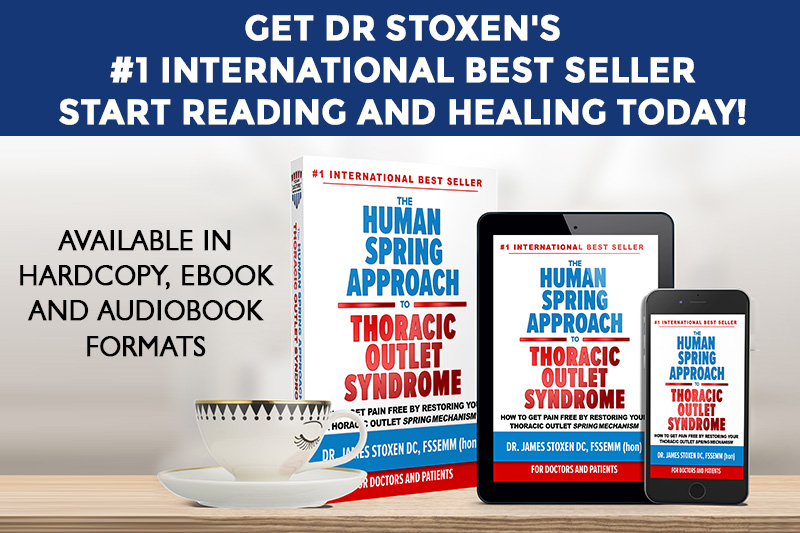
✓ Get Dr. Stoxen’s #1 International Bestselling Books
Learn how to understand, examine, and reverse your TOS—without surgery.
https://drstoxen.com/1-international-best-selling-author/
✓ Check out Team Doctors Online Courses
Step-by-step video lessons, demonstrations, and self-treatment strategies.
https://teamdoctorsacademy.com/
✓ Schedule a Free Phone Consultation With Dr. Stoxen
Speak directly with him so he can review your case and guide you on your next steps.
https://drstoxen.com/appointment/
#ThoracicOutletSyndrome #TOSRecovery #ChronicPainHelp #NaturalHealing #NonSurgical #PainRehab #MovementMedicine #BodyHealing #NervousSystem #Inflammation #PostureCorrection #Biomechanics #PainScience #HolisticHealth #SelfCare

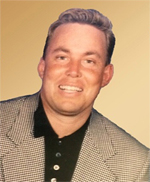
Dr James Stoxen DC., FSSEMM (hon) He is the president of Team Doctors®, Treatment and Training Center Chicago, one of the most recognized treatment centers in the world.
Dr Stoxen is a #1 International Bestselling Author of the book, The Human Spring Approach to Thoracic Outlet Syndrome. He has lectured at more than 20 medical conferences on his Human Spring Approach to Thoracic Outlet Syndrome and asked to publish his research on this approach to treating thoracic outlet syndrome in over 30 peer review medical journals.
He has been asked to submit his other research on the human spring approach to treatment, training and prevention in over 150 peer review medical journals. He serves as the Editor-in-Chief, Journal of Orthopedic Science and Research, Executive Editor or the Journal of Trauma and Acute Care, Chief Editor, Advances in Orthopedics and Sports Medicine Journal and editorial board for over 35 peer review medical journals.
He is a much sought-after speaker. He has given over 1000 live presentations and lectured at over 70 medical conferences to over 50,000 doctors in more than 20 countries. He has been invited to speak at over 300 medical conferences which includes invitations as the keynote speaker at over 50 medical conferences.
After his groundbreaking lecture on the Integrated Spring-Mass Model at the World Congress of Sports and Exercise Medicine he was presented with an Honorary Fellowship Award by a member of the royal family, the Sultan of Pahang, for his distinguished research and contributions to the advancement of Sports and Exercise Medicine on an International level. He was inducted into the National Fitness Hall of Fame in 2008 and the Personal Trainers Hall of Fame in 2012.
Dr Stoxen has a big reputation in the entertainment industry working as a doctor for over 150 tours of elite entertainers, caring for over 1000 top celebrity entertainers and their handlers. Anthony Field or the popular children’s entertainment group, The Wiggles, wrote a book, How I Got My Wiggle Back detailing his struggles with chronic pain and clinical depression he struggled with for years. Dr Stoxen is proud to be able to assist him.
Full Bio) Dr Stoxen can be reached directly at teamdoctors@aol.com