Your Body Is Not a Lever — It Is a Living Spring
Many people live every day with neck pain, neck shoulder pain, or neck and arm pain and think this is just part of getting older.
Some wake up with neck stiffness, some struggle with constant neck pain, and others notice neck pain and headaches or even neck pain and dizziness.
For many, the pain spreads into the chest, shoulder, or arm, showing up as collarbone neck pain, collarbone pain near neck, or collarbone and arm pain.
Some people feel chest pain around collar bone or chest pain under the collarbone. Others notice strange feelings like tingling in collarbone or pain above collarbone. Many describe neck muscle pain, arm neck pain, or even neck and back pain that never fully goes away.
Over time, this pain can become chronic neck pain. People try stretching, cracking their neck, massaging, or resting. Sometimes it helps for a short time. Often, it doesn’t.
Dr. James Stoxen has spent decades asking a different question:
“What if the body is not designed to work like a machine with levers… but like a living spring?”
This simple idea changes everything.
The Human Spring Idea
Most people are taught that the body works like a system of levers. Muscles pull on bones. Bones move like hinges. If something hurts, you stretch it, strengthen it, or try to force it to move.
But Dr. Stoxen teaches something very different.
He explains that the human body is built more like a spring system. Springs don’t just move. They store energy, absorb shock, and protect space for important structures like nerves and blood vessels.
When your spring system works well:
- Your joints stay open and free.
- Your muscles stay relaxed and balanced.
- Your nerves and blood vessels have room.
- Your body feels light, strong, and smooth.
When your spring system starts to fail:
- Joints slowly lose space.
- Muscles begin to tighten to protect you.
- Compression starts to build.
- Pain, tightness, and strange symptoms begin to appear.
This is how many people slowly develop neck pain causes without ever having a single big injury.
The Area Where Many Problems Begin
One of the most sensitive and crowded areas in the body is the space between the neck and the chest. This is where the nerves and blood vessels travel from the neck into the arm. This area is called the thoracic outlet.
This is also where problems like thoracic outlet syndrome can begin.
But long before anyone is told they have that, they usually notice:
- neck shoulder pain
- collarbone neck and shoulder pain
- arm neck pain
- muscle under clavicle pain
- collarbone and arm pain
And often, the real problem starts with muscles that are supposed to help hold the spring open.
The Scalene Muscles: Small Muscles, Big Consequences
Along the side of the neck are important muscles called the scalene muscles. There are three main ones, including the anterior scalene muscle. Together, they are part of the group sometimes called muscles scalene.
These muscles attach from the neck down to the first rib.
They help:
- Support the neck
- Help with breathing
- Help control the position of the rib cage
But when these muscles become overworked, stressed, or inflamed, they can become tight scalene muscles.
When that happens, people may start to notice tight scalene muscles symptoms such as:
- neck pain
- neck stiffness
- neck muscle pain
- collarbone neck pain
- tingling in collarbone
- arm neck pain
In some people, this pattern becomes what doctors describe as anterior scalene syndrome or anterior scalene muscle syndrome, and the symptoms are sometimes called anterior scalene syndrome symptoms.
But from the Human Spring point of view, this is not just a “muscle problem.”
It is a spring space problem.
Why Stretching the Neck Can Make Things Worse
Dr. Stoxen often explains this with a very simple idea.
Your head weighs about 10 to 11 pounds.
When you tilt your head to the side to “stretch your neck,” that weight is now hanging off to the side like a heavy bowling ball.
Your scalene muscles must contract to control that weight.
If they are already irritated or tired, this can make them tighten even more.
And here is the key point:
These muscles attach to the first rib.
When they tighten, they can pull the rib upward.
When the rib moves upward, it moves into the thoracic outlet space.
That is how space starts to disappear.
And when space disappears:
- Nerves get irritated
- Blood vessels get crowded
- Strange symptoms begin
Often, the first sign is tingling in the fingers or strange arm sensations.
So in many people, repeated aggressive neck stretching does not fix the problem.
It slowly makes the compression worse.
Other Muscles That Can Close the Space
The scalenes are not the only muscles involved.
Under the collarbone lives a small but important muscle called the subclavius muscle. When it becomes tight, people may feel muscle under clavicle pain or chest pain under the collarbone.
In the front of the chest is another important muscle called the pectoralis minor. When it becomes tight, it can pull the shoulder forward and downward, further closing space. In some people, this pattern is described as pectoralis minor syndrome, and sometimes surgical language like pectoralis minor tenotomy is discussed.
From the Human Spring view, these muscles are not “bad.”
They are protective muscles.
They tighten when the spring system is failing.
When Muscles Go Into Protection Mode
When the body senses danger, instability, or strain, it tightens muscles to protect itself.
This is how muscle spasms in neck begin.
This is how thoracic myalgia (deep aching in the chest and upper back muscles) can develop.
This is also how thoracic muscles can become hard, sore, and tired all the time.
Over time, these protective contractions stop being temporary and start becoming constant.
This is when people begin to live with:
- constant neck pain
- chronic neck pain
- neck and back pain
- neck pain and headaches
The muscles are not the enemy.
They are reacting to a deeper mechanical problem: loss of spring space.
The Medical World vs. The Spring World
In the traditional medical world, the focus is often on:
- Diagnosing a structure
- Naming a syndrome
- Considering procedures
That is how terms like anterior scalenectomy or pectoralis minor tenotomy enter the conversation.
From the Human Spring Approach, the question is different:
“Why did the body need to tighten these muscles in the first place?”
If the spring system is restored, the muscles often no longer need to stay tight.
This is why Dr. Stoxen focuses on muscles scalene treatment and anterior scalene syndrome treatment from a mechanical and spring-based point of view, not just a muscle-cutting point of view.
The Real Goal: Restore Space, Not Force Motion
The Human Spring Approach does not try to force joints to move.
It tries to:
- Restore natural spacing
- Reduce protective tension
- Improve spring function
- Let the body relax on its own
This is a very different way of thinking about pain.
Where Self-Care Tools Come In
Dr. Stoxen has spent many years working hands-on with patients. But he also understands something important:
People need safe ways to work on their own bodies at home.
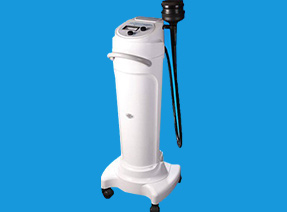
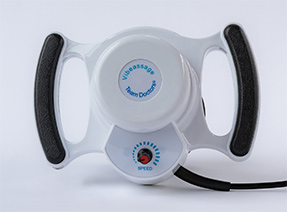
That is why tools like the Vibeassage Pro and Vibeassage Sport exist.
They are not presented as cures.
They are not presented as medical treatments.
They are presented as self-care tools that:
- Help relax overworked muscles
- Help improve circulation
- Help reduce protective tension
- Help people participate in their own recovery process
When used properly, they can help people gently work with areas like:
- The scalene muscles
- The pectoralis minor
- The subclavius muscle
- The thoracic muscles
Without aggressive stretching or force.
A New Way to Understand Your Pain
If you have lived with:
- neck pain
- collarbone neck pain
- collarbone and arm pain
- chest pain around collar bone
- neck shoulder pain
- arm neck pain
It does not mean your body is broken.
It often means your spring system is tired, compressed, and overloaded.
And tired springs don’t work well.
How the Spring System Slowly Breaks Down
Most people do not wake up one day with severe neck pain or neck shoulder pain. It usually starts quietly.
At first, you may only feel a little neck stiffness in the morning. Or maybe a mild neck muscle pain after a long day at the computer. You stretch, rub it, or ignore it, and it seems to go away.
But underneath, something important may already be changing in the body’s spring system.
The Body’s Natural Shock Absorber
Your body is designed to handle gravity, movement, and daily stress by using a system of living springs.
Every step you take, every time you lift your arm, every time you sit or stand, your body:
- Absorbs force
- Stores energy
- Releases energy
- Protects space inside your joints and soft tissues
When this system works well, muscles do not need to stay tight. They can turn on, turn off, and rest.
But when this system begins to fail, muscles start working all the time.
That is how muscle spasms in neck begin to appear.
The Slow Loss of Space
One of the most important jobs of the spring system is to keep space open inside the body.
Space for:
- Nerves
- Blood vessels
- Soft tissues
- Normal motion
When posture slowly collapses, when joints stiffen, and when movement becomes limited, the spring system cannot do its job well.
Little by little, the body starts to lose space.
In the neck and upper chest, this can show up as:
- collarbone neck pain
- pain above collarbone
- chest pain under the collarbone
- chest pain around collar bone
- collarbone and arm pain
People may also feel tingling in collarbone or strange arm sensations.
Why the Muscles Tighten
The body is very smart.
When it senses that joints are not stable or space is getting smaller, it tightens muscles to protect itself.
This is not a mistake.
This is a survival reflex.
In the neck and chest area, the muscles that often tighten include:
- The scalene muscles
- The anterior scalene muscle
- The pectoralis minor
- The subclavius muscle
- Other thoracic muscles
When these muscles stay tight for too long, people begin to describe things like:
- tight scalene muscles
- muscle under clavicle pain
- thoracic myalgia
- neck and arm pain
- arm neck pain
Over time, this pattern can become what doctors call anterior scalene syndrome or anterior scalene muscle syndrome, and people may be told they have anterior scalene syndrome symptoms or tight scalene muscles symptoms.
From the Human Spring point of view, these names describe the result, not the true cause.
The Problem Is Not Just the Muscle
It is very common for people to think:
“If my muscle is tight, I should stretch it.”
But remember what you learned in Part 1:
Your head weighs about 10 to 11 pounds.
When you pull it to the side, the scalene muscles must work even harder.
If the spring system is already failing, stretching can sometimes make the muscles tighten even more, not less.
That is one reason some people feel worse after stretching their neck.
How This Can Affect the Thoracic Outlet Area
The space where nerves and blood vessels travel from the neck into the arm is called the thoracic outlet.
When muscles like the anterior scalene muscle, pectoralis minor, and subclavius muscle tighten, and when posture collapses, that space can become smaller.
This is how some people are eventually told they have thoracic outlet syndrome.
But long before anyone uses that name, people usually notice:
- neck shoulder pain
- neck and arm pain
- collarbone neck and shoulder pain
- constant neck pain
- chronic neck pain
And sometimes:
- neck pain and headaches
- neck pain and dizziness
The Body Tries to Adapt
Here is something very important to understand:
The body does not want to hurt you.
When it tightens muscles, it is trying to:
- Protect weak or unstable areas
- Limit motion that feels unsafe
- Hold things together
This is why muscles scalene and chest muscles can become hard and tired.
They are doing too much work for too long.
Over time, they stop being able to relax.
That is when people live with:
- neck and back pain
- neck muscle pain
- arm neck pain
- neck shoulder pain
Why Cutting or Releasing Muscles Is Sometimes Discussed
In the traditional medical world, when a muscle stays tight and symptoms do not go away, doctors may talk about procedures like:
- anterior scalenectomy
- pectoralis minor tenotomy
These are ways to cut or release muscles to try to create space.
From the Human Spring Approach, the big question is:
“If the spring system is still broken, what will stop the next muscle from tightening?”
That is why Dr. Stoxen focuses more on muscles scalene treatment and anterior scalene syndrome treatment that aim to improve how the whole spring system works, not just one muscle.
Why Pain Can Spread
When one part of the spring system fails, other parts must work harder.
This is how pain spreads from:
- The neck into the shoulder
- The shoulder into the arm
- The chest into the back
People may start with simple neck pain, and years later live with:
- neck and back pain
- collarbone and arm pain
- arm neck pain
- constant neck pain
The Role of Daily Life
Modern life is very hard on the spring system.
- We sit too much
- We move in only one direction
- We stare at screens
- We stop using our full range of motion
Over time, the body forgets how to act like a spring.
It starts acting more like a stiff stick.
And stiff sticks don’t absorb shock well.
A Different Goal: Teach the Body to Be a Spring Again
The Human Spring Approach does not try to:
- Force joints
- Aggressively stretch protective muscles
- “Break” tight areas
Instead, it tries to:
- Improve gentle movement
- Improve circulation
- Reduce protective tension
- Restore spring-like motion
This is where gentle self-care tools, like the Vibeassage Pro and Vibeassage Sport, can play a supportive role.
They are not treatments.
They are not cures.
They are tools that can help people:
- Relax overworked muscles
- Improve comfort
- Participate in daily body care
What This Means for You
If you have lived with:
- chronic neck pain
- constant neck pain
- neck shoulder pain
- collarbone neck pain
- neck pain causes that no one seems to fully explain
It does not mean your body is weak or broken.
It often means your spring system has slowly lost its ability to protect space and absorb stress.
The Neck, Rib Cage, and Shoulder — One Connected Spring System
Most people think of the neck, chest, and shoulder as separate parts of the body.
But in real life, they work together as one connected spring system.
When one part loses its natural movement or position, the other parts must change to compensate. Over time, this is how many people develop neck pain, neck shoulder pain, or neck and arm pain without ever having a single clear injury.
The Shoulder Does Not Just Hang There
Your shoulder is not simply stuck onto your body like a hook on a wall.
It is suspended by muscles, ribs, and soft tissues.
When this suspension system works well, the shoulder can float, glide, and move smoothly. When it does not, the shoulder slowly settles downward and forward.
When that happens, people often start to feel:
- collarbone neck and shoulder pain
- collarbone pain near neck
- collarbone and arm pain
- chest pain around collar bone
This is not because the body is weak.
It is because the spring suspension system is not doing its job.
The First Rib: A Small Bone With a Big Job
The first rib sits under the collarbone and behind the shoulder.
It is one of the most important “support beams” in the upper body spring system.
Several important muscles attach to it, including:
- The scalene muscles
- The anterior scalene muscle
- The subclavius muscle
When these muscles stay relaxed and balanced, the rib stays in a good position.
But when they become overworked or protective, they can pull that rib upward.
When the rib moves up, it moves into the space where nerves and blood vessels pass.
This is one reason people can develop symptoms that later get described as thoracic outlet syndrome.
How the Chest Muscles Change the Whole System
In the front of the chest sits the pectoralis minor.
This muscle helps control the position of the shoulder.
When it becomes tight, it pulls the shoulder forward and downward.
Over time, this can contribute to patterns that some doctors call pectoralis minor syndrome.
From the Human Spring point of view, this is not just a tight muscle.
It is a collapsed spring position.
When the shoulder drops forward:
- The rib cage shifts
- The neck must work harder
- The scalene muscles tighten
- The subclavius muscle tightens
And space begins to disappear.
That is when people may notice:
- muscle under clavicle pain
- chest pain under the collarbone
- pain above collarbone
- tingling in collarbone
Why Breathing Matters
Many people do not realize how important breathing is to the spring system.
The ribs are supposed to move with every breath.
When breathing becomes shallow or tight, the ribs stop moving well.
When the ribs stop moving well:
- Muscles must work harder
- The spring system becomes stiff
- The body loses its natural rhythm
This can increase thoracic myalgia and tension in the thoracic muscles.
It can also make neck pain and headaches or neck pain and dizziness more common, because the neck is now doing extra work to help stabilize the upper body.
The Chain Reaction
Once one part of the spring system starts to fail, the body adapts.
But adaptation is not always comfortable.
Here is a common chain reaction:
- The shoulder slowly drops forward
- The chest tightens
- The first rib lifts
- The scalene muscles tighten
- The neck works harder
- Space gets smaller
- Nerves get irritated
- Symptoms spread into the arm
This is how people can go from simple neck pain to arm neck pain, neck and arm pain, or collarbone and arm pain over time.
When Muscles Become Permanent Guards
At first, muscle tightness is a short-term protection.
But when the spring system never gets restored, the muscles never get to relax.
That is how people end up living with:
- muscle spasms in neck
- tight scalene muscles
- tight scalene muscles symptoms
- neck muscle pain
- constant neck pain
Over time, this may be labeled as:
- anterior scalene syndrome
- anterior scalene muscle syndrome
- Or described by anterior scalene syndrome symptoms
These names describe where the tension is, not why it is there.
Why Cutting Muscles Is Sometimes Suggested
In some medical systems, when muscles stay tight and symptoms stay strong, doctors may talk about:
- anterior scalenectomy
- pectoralis minor tenotomy
These are ways to reduce tension by cutting or releasing muscles.
From the Human Spring Approach, this raises an important question:
“If the spring system is still collapsed, what will keep the space open after the muscle is cut?”
That is why the Human Spring Approach focuses on restoring function and balance, not just removing tension.
This is also why Dr. Stoxen talks about muscles scalene treatment and anterior scalene syndrome treatment in a way that looks at the whole body system, not just one spot.
Why Gentle Work Often Works Better Than Force
When muscles are tight because they are protecting something, forcing them to relax can make them fight back.
That is why aggressive stretching or pushing sometimes makes pain worse.
Gentle, slow, repeated input often works better.
This is where tools like the Vibeassage Pro and Vibeassage Sport can be helpful for daily self-care.
They are not medical devices in the sense of treating disease.
They are tools people can use to:
- Help muscles relax
- Improve comfort
- Improve body awareness
- Support circulation and movement
They allow people to work with their nervous system instead of against it.
The Goal Is Not Perfect Posture
The goal is not to “sit up straight” or “hold your shoulders back” all day.
That just creates more tension.
The real goal is to:
- Restore movement
- Restore rhythm
- Restore springiness
When the spring system works, posture improves by itself.
A Simple Way to Think About It
If your body feels stiff, heavy, and tight, your spring system is probably tired.
If your body feels light, smooth, and easy to move, your spring system is probably working better.
Living Like a Spring — Supporting Your Body for the Long Term
By now, you understand a very important idea:
Your body is not meant to work like a stiff machine.
It is meant to work like a living spring.
When your spring system works well, your body feels lighter, smoother, and easier to move. When it does not, your body starts to feel heavy, stiff, and tired. That is when many people begin to live with neck pain, neck shoulder pain, neck and arm pain, or neck and back pain and assume this is just how life is.
But it does not have to be that way.
The Goal Is Not to “Fix” the Body
The Human Spring Approach does not try to “fix” the body like a broken machine.
Instead, it tries to support the body so it can work the way it was designed to work.
That means:
- Supporting movement instead of forcing it
- Reducing protective tension instead of fighting it
- Restoring rhythm instead of chasing perfect posture
- Letting the nervous system feel safe again
This is a very different way to think about neck pain causes and long-term discomfort.
Understanding Why Your Body Tightens
If you have lived with:
- constant neck pain
- chronic neck pain
- neck muscle pain
- arm neck pain
- collarbone neck pain
- collarbone and arm pain
It is easy to feel frustrated with your body.
But remember:
Tightness is not your enemy.
Tightness is your body trying to protect you.
This is why people develop:
- muscle spasms in neck
- tight scalene muscles
- tight scalene muscles symptoms
- thoracic myalgia
- Tight and tired thoracic muscles
The body is trying to hold things together when the spring system is not doing its job well.
Why Gentle Daily Care Matters
Big changes in the body usually come from small actions done often.
Not from force.
Not from pain.
Not from extreme stretching.
The Human Spring idea supports gentle, regular care that helps the nervous system calm down and the muscles stop guarding.
This is where tools like the Vibeassage Pro and Vibeassage Sport can fit into daily life.
They are not cures.
They are not medical treatments.
They are self-care tools that people can use to:
- Help relax overworked muscles
- Improve comfort
- Improve circulation and awareness
- Help the body feel safe enough to let go of tension
They can be used around areas like:
- The scalene muscles
- The anterior scalene muscle
- The pectoralis minor
- The subclavius muscle
- The upper chest and thoracic muscles
Many people who feel muscle under clavicle pain, chest pain under the collarbone, or chest pain around collar bone find that gentle work in these areas helps the body feel more at ease.
Why This Is Different From Aggressive Stretching
When muscles are tight because they are protecting something, aggressive stretching can make the nervous system feel threatened.
That can cause muscles to tighten even more.
This is one reason some people notice that stretching makes their neck stiffness or neck pain worse instead of better.
Gentle vibration, slow movement, and calm breathing send a different message to the nervous system:
“You are safe. You can let go.”
That is often when real change begins.
A Smarter Way to Think About Posture
Many people try to “fix” their posture by forcing themselves to sit up straight or pull their shoulders back.
That usually creates more tension in the neck, chest, and shoulders.
From the Human Spring point of view, posture should be a result, not a command.
When the spring system works better:
- The rib cage moves better
- The shoulders float better
- The head balances more easily
- The body holds itself up with less effort
Posture improves naturally.
About Medical Labels and Big Decisions
Some people are told they have:
- anterior scalene syndrome
- anterior scalene muscle syndrome
- pectoralis minor syndrome
- Or even thoracic outlet syndrome
And sometimes they hear about procedures like:
- anterior scalenectomy
- pectoralis minor tenotomy
The Human Spring Approach does not tell anyone what medical choices they should make.
It simply offers a different way to understand the body and a way to support the system that protects space and movement.
It also explains why muscles scalene treatment and anterior scalene syndrome treatment should always consider the whole body spring system, not just one tight muscle.
Learning to Listen to Your Body
Your body gives signals all the time.
- tingling in collarbone
- pain above collarbone
- neck pain and headaches
- neck pain and dizziness
These are not random.
They are messages.
The Human Spring Approach teaches people to listen instead of fight.
What Real Progress Usually Looks Like
Progress is often:
- Less tension during the day
- More freedom of movement
- Less fear of motion
- Better comfort after activity
- A body that feels more “alive” and less stiff
It is not usually:
- A sudden miracle change
- A perfect posture pose
- A single stretch that fixes everything
Living in a Spring-Friendly Way
A spring-friendly life includes:
- Gentle daily movement
- Changing positions often
- Breathing that lets the ribs move
- Not staying in one posture too long
- Regular self-care for tired muscles
Over time, this helps the body remember how to act like a spring again.
A Final Way to Think About Your Body
If your body feels stiff, tight, and heavy, your spring system is probably tired.
If your body feels light, smooth, and easy to move, your spring system is probably doing better.
Your body is not broken.
It is adaptive.
And with the right kind of support, it can often learn to move better again.
The Big Idea
Dr. James Stoxen’s Human Spring Approach is not about fighting the body.
It is about working with it.
It is about understanding why muscles tighten, why space disappears, and why comfort often returns when the body feels safe enough to let go.
It is about helping people live more comfortably, more freely, and with more confidence in their own bodies.
Team Doctors Resources
✓ Check out the Team Doctors Recovery Tools
The Vibeassage Sport and the Vibeassage Pro featuring the TDX3 soft-as-the-hand Biomimetic Applicator Pad
https://www.teamdoctors.com/
✓ Get Dr. Stoxen’s #1 International Bestselling Books
Learn how to understand, examine, and reverse your TOS—without surgery.
https://drstoxen.com/1-international-best-selling-author/
✓ Check out Team Doctors Online Courses
Step-by-step video lessons, demonstrations, and self-treatment strategies.
https://teamdoctorsacademy.com/
✓ Schedule a Free Phone Consultation With Dr. Stoxen
Speak directly with him so he can review your case and guide you on your next steps.
https://drstoxen.com/appointment/
#ThoracicOutletSyndrome #ExerciseTherapy #RehabExercises #MovementMedicine #StrengthAndMobility #PostureTraining #FunctionalMovement #PainRehab #InjuryRecovery #HumanSpring #Biomechanics #ChronicPainHelp #HealthEducation #SelfCare #Recovery

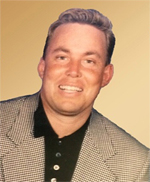
Dr James Stoxen DC., FSSEMM (hon) He is the president of Team Doctors®, Treatment and Training Center Chicago, one of the most recognized treatment centers in the world.
Dr Stoxen is a #1 International Bestselling Author of the book, The Human Spring Approach to Thoracic Outlet Syndrome. He has lectured at more than 20 medical conferences on his Human Spring Approach to Thoracic Outlet Syndrome and asked to publish his research on this approach to treating thoracic outlet syndrome in over 30 peer review medical journals.
He has been asked to submit his other research on the human spring approach to treatment, training and prevention in over 150 peer review medical journals. He serves as the Editor-in-Chief, Journal of Orthopedic Science and Research, Executive Editor or the Journal of Trauma and Acute Care, Chief Editor, Advances in Orthopedics and Sports Medicine Journal and editorial board for over 35 peer review medical journals.
He is a much sought-after speaker. He has given over 1000 live presentations and lectured at over 70 medical conferences to over 50,000 doctors in more than 20 countries. He has been invited to speak at over 300 medical conferences which includes invitations as the keynote speaker at over 50 medical conferences.
After his groundbreaking lecture on the Integrated Spring-Mass Model at the World Congress of Sports and Exercise Medicine he was presented with an Honorary Fellowship Award by a member of the royal family, the Sultan of Pahang, for his distinguished research and contributions to the advancement of Sports and Exercise Medicine on an International level. He was inducted into the National Fitness Hall of Fame in 2008 and the Personal Trainers Hall of Fame in 2012.
Dr Stoxen has a big reputation in the entertainment industry working as a doctor for over 150 tours of elite entertainers, caring for over 1000 top celebrity entertainers and their handlers. Anthony Field or the popular children’s entertainment group, The Wiggles, wrote a book, How I Got My Wiggle Back detailing his struggles with chronic pain and clinical depression he struggled with for years. Dr Stoxen is proud to be able to assist him.
Full Bio) Dr Stoxen can be reached directly at teamdoctors@aol.com