The Human Spring: A New Way to Understand Why the Body Breaks Down
If you ask most people what the human body is like, they will say it is like a machine. They imagine bones as sticks, joints as hinges, and muscles as ropes that pull things around. That way of thinking has been taught for a very long time. But there is another way to look at the body—one that explains pain, fatigue, stiffness, and injury in a much simpler and more complete way.
Dr. James Stoxen teaches something called the Human Spring Approach.
Instead of seeing the body as a system of stiff levers, this approach looks at the body as a living spring system. Springs are not rigid. Springs bend, store energy, release energy, and protect structures from shock and overload. If you think about how your legs work when you walk, run, or jump, you are not just pushing like a machine. You are loading and unloading energy, over and over again, like a spring.
When the body’s spring system works well, movement feels easy. You have endurance. You recover faster. Your joints feel open instead of tight. Your muscles feel alive instead of hard and locked.
But when the spring system starts to break down, the body begins to stiffen. Motion becomes harder. Muscles stay tight. Joints lose space. Pressure builds up in places where it should not. Over time, this can lead to many kinds of chronic problems—especially in the neck, shoulders, arms, and upper back.
This is one reason so many people end up going from doctor to doctor. One person might see a doctor for chronic arm pain. Another might be sent to a specialist for unexplained arm pain. Someone else might be told to see a shoulder nerve pain specialist or a nerve compression specialist. Some people are told to find a neurologist for arm nerve pain, while others are referred to an orthopedic doctor or even a vascular thoracic outlet specialist.
Very quickly, people discover something confusing: different specialists often look at the same body in completely different ways.
Some patients are told they need an orthopedic opinion. Others are told they should compare an orthopedic vs vascular TOS specialist. Some are sent to a TOS diagnosis specialist, while others are told to go to a special TOS evaluation center or an advanced TOS treatment center. People hear phrases like thoracic outlet syndrome care team, expert in thoracic outlet syndrome, or even best care for thoracic outlet syndrome.
But many patients still feel lost.
They may even start looking for a TOS clinic near me, or wonder where to go for TOS, or ask for a second opinion arm pain visit because nothing has fully explained what is really happening.
Some are simply told, “You need the best doctor for arm numbness,” without anyone clearly explaining why the numbness is happening in the first place.
This confusion exists because most systems are still looking at the body as a set of parts instead of a whole spring system.
A Simple but Powerful Idea
Here is one of the most important ideas in the Human Spring Approach:
Determining which exact structure in the thoracic outlet is being compressed is not the most important question. Doctors often want to focus on that—Is it the nerve? Is it the vein? Is it the artery?—but that is not where the real solution lives.
The more important question is: Why is it being compressed in the first place?
If you understand why the outlet is collapsing, you can reverse it.
In most cases, something—usually muscles, posture, or movement patterns—is pulling the body out of alignment, collapsing the space, and twisting the system into a chronic state of pain.
So the real priorities are:
- Stop the compression.
- Stop the twisting and distortion that keeps recreating the compression.
Whether the structure being irritated is a nerve, a vein, or an artery is less important than understanding how and why the outlet is being compressed in the first place.
If you fix the cause, the structure no longer matters—because it’s no longer being crushed.
This way of thinking is very different from simply naming a body part and chasing it.
It is also much more hopeful, because it means the body is not “broken.” It means the body is being held in a bad shape.
And shapes can change.
Why the Spring Model Makes More Sense
Think about a car.
A car does not just have wheels and an engine. It also has suspension. The suspension is a spring system. Its job is to:
- Absorb shock
• Protect the structure
• Keep space between parts
• Return energy smoothly
If the suspension gets stiff, rusty, or collapsed, the car does not break right away—but the ride becomes rough, parts start taking too much stress, and eventually things wear out or fail.
Your body works the same way.
Your feet, ankles, knees, hips, spine, shoulders, and neck are all part of a connected spring chain. If one area gets stiff, other areas have to take more load. Over time, this changes posture, movement, and muscle tone.
The body starts to hold itself tight for protection.
This protective tightness is not a decision you make. It is a reflex. The nervous system does it automatically.
But protective tightness has a cost:
• It reduces joint space
• It reduces circulation
• It reduces nerve glide
• It increases pressure
• It reduces springiness
Over time, this is how people end up with long-term shoulder, neck, and arm problems.
Why So Many People Get Stuck in the Medical Maze
Once someone has pain, numbness, tingling, weakness, or strange symptoms in the arm or hand, they often enter a long journey.
They may be told to see a neurologist for arm nerve pain. Then maybe an orthopedic doctor. Then maybe a vascular thoracic outlet specialist. They might hear that they need a thoracic outlet syndrome care team. They might be told to go to a TOS evaluation center.
Some people are told, “You need a TOS diagnosis specialist.” Others are told to look for the expert in thoracic outlet syndrome. Others are told to get a second opinion arm pain consultation.
Each step often focuses on what is being irritated.
But very few steps clearly explain why the body is shaped the way it is.
That is where the Human Spring Approach is different.
It starts by asking:
- Why did the spring system lose its bounce?
• Why did the joints lose space?
• Why did the muscles start guarding?
• Why did the body twist and collapse into this shape?
When you ask those questions, the problem stops looking mysterious.
The Body Is Always Adapting
Your body is not fragile. It is incredibly good at adapting.
If you sit badly, it adapts.
If you move badly, it adapts.
If you are stressed, it adapts.
If you stop moving in full ranges, it adapts.
But adaptation is not always improvement.
Sometimes adaptation is compensation.
Compensation means the body is finding a way to survive, not a way to stay healthy.
Over time, compensation leads to:
- Stiffness
• Weakness
• Loss of coordination
• Loss of spring
• Loss of space in joints and passageways
This is how many chronic problems slowly develop without one single injury.
A Gentle, Educational Tool for Self-Care
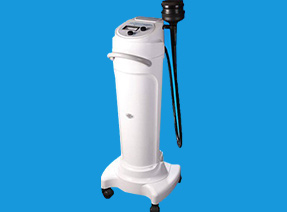
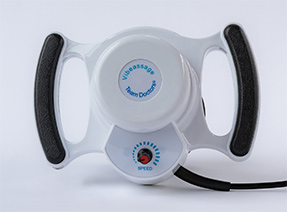
Dr. Stoxen uses tools called the Vibeassage Pro and Vibeassage Sport as part of teaching people how to care for their own tissues at home.
These are not magic tools. They are not cures. They are not medical treatments.
They are educational self-care tools designed to help people:
- Become aware of tight, guarded areas
• Gently relax overworked tissues
• Improve comfort and movement quality
• Support daily recovery from stress and strain
Just like stretching, walking, or gentle mobility work, these tools are part of daily body maintenance.
They do not “fix” a diagnosis.
They help support the environment of the body so the spring system can begin to behave more like a spring again.
A New Way to Think About Your Body
The most important thing the Human Spring Approach teaches is this:
Your body is not a broken machine.
It is a living, adaptable spring system that has been shaped by how you live, move, sit, work, and protect yourself.
If it has been shaped into a bad position, it can be shaped into a better one.
That does not happen overnight. And it does not happen by chasing one symptom at a time.
It happens by:
- Understanding the whole system
• Reducing unnecessary tension
• Restoring movement
• Letting the spring system do its job again
Where This Series Is Going
In the next parts, we will explain:
- How the spring system really works from head to toe
• Why posture and movement habits slowly reshape the body
• How protective muscle guarding changes circulation and nerve space
• How daily self-care can support recovery and comfort
• How Dr. Stoxen’s approach fits into a bigger, safer, smarter view of long-term health
We will also explain how tools like the Vibeassage Pro and Vibeassage Sport are used as supportive self-care tools, not medical treatments, and how they fit into a bigger picture of respecting how the human body actually works.
How the Body Loses Its Spring (And How It Begins to Find It Again)
In Part 1, we talked about a simple but powerful idea: the human body does not work like a stiff machine made of levers. It works more like a living spring system.
When that spring system is healthy, movement feels smooth. You can walk, reach, turn, and lift without feeling like everything is tight or fragile. Your body naturally spreads forces out instead of jamming them into one place.
But over time, many people slowly lose this spring.
They do not fall apart in one day. The body changes shape little by little, adapting to stress, posture, work, habits, and even emotions. The changes are so slow that most people do not notice them happening.
One day they wake up and think, “Why does my neck always feel tight?”
Or, “Why does my shoulder burn?”
Or, “Why does my arm go numb when I sleep or use the computer?”
That is usually when the medical journey begins.
Some people are sent to a doctor for chronic arm pain. Others are told to find a specialist for unexplained arm pain. Some see a shoulder nerve pain specialist or a nerve compression specialist. Many are referred to a neurologist for arm nerve pain.
If symptoms involve circulation or color changes, someone might suggest a vascular thoracic outlet specialist. Others might debate whether to see an orthopedic doctor or compare an orthopedic vs vascular TOS specialist.
People often hear that they need a TOS diagnosis specialist, or that they should visit a TOS evaluation center or even an advanced TOS treatment center. Some are told to look for a thoracic outlet syndrome care team or an expert in thoracic outlet syndrome.
And many people, still confused, end up searching for a TOS clinic near me, wondering where to go for TOS, or asking for a second opinion arm pain consultation because nothing has really explained the big picture.
The Slow Process No One Explains
Here is something important:
Most long-term neck, shoulder, and arm problems do not start in the arm.
They start in how the whole body carries itself.
The body is always balancing against gravity. If that balance is good, forces are spread out. If that balance is poor, certain areas take too much load.
Common things that slowly change the body’s shape include:
- Sitting for many hours every day
• Looking down at screens
• Shallow breathing
• Stress and tension
• Old injuries
• Lack of full-range movement
• Wearing the same movement patterns into the ground
The nervous system reacts to stress and strain by tightening muscles for protection. This is not a choice. It is automatic.
At first, this protective tightness seems helpful. It makes the body feel more stable.
But over time, constant tightness does something harmful:
It reduces movement and reduces space.
Why Loss of Space Matters
Your nerves and blood vessels travel through pathways and tunnels in the body. These tunnels are not rigid pipes. They are shaped by muscles, joints, posture, and movement.
When the body is relaxed and springy, these spaces stay open.
When the body becomes stiff and guarded, these spaces slowly get smaller.
This is one reason people start hearing words like “compression” or “entrapment” or “impingement.”
But here is the key idea from the Human Spring Approach:
The problem is not just that something is being compressed.
The problem is why the body has changed shape in a way that allows compression to happen.
This is why Dr. Stoxen teaches that it is less important to argue about whether the nerve, vein, or artery is the main structure involved. The more important question is:
Why is the body holding itself in a shape that collapses the space?
The Body as a Collapsing Tent
Imagine a tent held up by flexible poles and tension lines.
If the poles are strong and springy, the tent stays open.
If the poles slowly bend and lose their spring, the tent starts to sag. The fabric presses inward. The space inside gets smaller.
Your body works in a similar way.
Your spine, rib cage, shoulders, and hips are part of a suspension system. If that suspension system becomes stiff and collapsed, the spaces inside the body get smaller.
That does not mean anything is “broken.”
It means the shape has changed.
Why Symptoms Move Around
Many people notice something strange:
One day the pain is in the neck.
Another day it is in the shoulder.
Another day it is in the arm.
Another day the hand feels weak or tingly.
This happens because the whole system is under stress, not just one spot.
That is why one doctor may say, “You need the best doctor for arm numbness,” while another says, “You need a nerve compression specialist,” and another says, “You should see a neurologist for arm nerve pain.”
They are all looking at different pieces of the same stressed system.
The Role of the Nervous System
The nervous system’s main job is to protect you.
If it senses danger, instability, or strain, it increases muscle tension.
This is called guarding.
Guarding is useful in short bursts. It is not useful when it becomes permanent.
Long-term guarding:
- Makes muscles hard and tired
• Reduces joint movement
• Reduces circulation
• Reduces nerve mobility
• Makes the body feel heavy and stiff
Over time, the body forgets how to fully relax and fully spring.
Re-Teaching the Body How to Let Go
One of the main goals of the Human Spring Approach is not to force the body, but to teach it that it is safe to let go.
This is where gentle daily self-care comes in.
Dr. Stoxen uses tools like the Vibeassage Pro and Vibeassage Sport to help people:
- Explore tight areas safely
• Encourage muscles to soften
• Improve body awareness
• Support relaxation and movement
These tools are not medical treatments. They do not diagnose anything. They do not “fix” structures.
They are self-care tools, like foam rollers, stretching, or gentle massage, used to support comfort and movement.
When used gently and consistently, they can help the body remember what it feels like not to be on guard all the time.
Small Changes Add Up
The body does not collapse overnight.
And it does not rebuild overnight either.
But small daily changes in how you move, breathe, sit, stand, and relax can slowly change the shape and behavior of the whole system.
When that happens:
- Movement feels easier
• The body feels lighter
• Endurance improves
• Recovery feels faster
• The body starts acting more like a spring again
A Different Kind of Progress
The Human Spring Approach does not chase symptoms.
It watches the whole system.
Progress is not measured by “Did this one spot stop hurting today?”
Progress is measured by:
- Is the body moving more freely?
• Is there less overall tension?
• Is breathing easier?
• Is posture changing naturally?
• Is daily life feeling less effortful?
Why This Changes the Whole Conversation
This is why many people who have been told to see a TOS diagnosis specialist, or to visit a TOS evaluation center, or to find the best care for thoracic outlet syndrome, finally feel like someone is explaining their body in a way that makes sense.
Not as a collection of broken parts.
But as a system that has adapted into a bad shape—and can adapt into a better one.
The Body Is One Spring Chain (Not Separate Parts)
By now, one big idea should be clear: your body does not work as a collection of separate pieces. It works as one connected system.
That system behaves much more like a chain of springs than a stack of rigid parts.
If one spring in a chain gets stiff or collapsed, the springs above and below it must take more load. Over time, they change shape too. This is how problems that seem to start in the neck, shoulder, or arm often begin somewhere else.
This is also why so many people get sent to different specialists.
One person may be told to see a doctor for chronic arm pain. Another is told to find a specialist for unexplained arm pain. Someone else is referred to a shoulder nerve pain specialist or a nerve compression specialist. Many are sent to a neurologist for arm nerve pain.
If circulation symptoms are involved, a vascular thoracic outlet specialist may be suggested. Others are told to compare an orthopedic vs vascular TOS specialist. Some are sent to a TOS diagnosis specialist, a TOS evaluation center, or even an advanced TOS treatment center.
People hear phrases like thoracic outlet syndrome care team, expert in thoracic outlet syndrome, or best care for thoracic outlet syndrome. They search for a TOS clinic near me, wonder where to go for TOS, or seek a second opinion arm pain visit because nothing fully explains what is happening.
All of this happens because the system is being looked at in pieces instead of as one spring chain.
How the Spring Chain Really Works
Your body’s spring chain starts at the ground.
Your feet are not just blocks you stand on. They are dynamic spring structures. When they work well, they absorb shock and return energy.
That spring energy travels up through:
- The ankles
• The knees
• The hips
• The spine
• The rib cage
• The shoulders
• The neck
• The arms
If any part of that chain becomes stiff, weak, or locked, the rest of the chain has to compensate.
For example:
If the feet lose their spring, more shock goes into the knees and hips.
If the hips get stiff, the spine moves less.
If the rib cage gets rigid, breathing becomes shallow.
If breathing is shallow, the neck and shoulders do more work.
If the shoulders are overworked, the arms and hands start to feel it.
The body is always sharing load. When one area stops doing its share, another area pays the price.
Why the “Problem Area” Is Often Innocent
Many people point to their arm or shoulder and say, “This is where my problem is.”
But in a spring system, the painful area is often just the place that finally ran out of extra capacity.
It is like the weakest link in a chain.
That is why you can see three different people with similar arm symptoms, and each one ends up being told to see a different kind of doctor:
- One is told to see the best doctor for arm numbness
• One is told to see a neurologist for arm nerve pain
• One is told to see a nerve compression specialist
But the real story is often happening below and around the arm.
The Hidden Role of Breathing
Most people do not think of breathing as a movement problem.
But breathing is one of the most important movements in the entire spring system.
Your rib cage is not just a box. It is a flexible spring structure that should expand and recoil thousands of times a day.
When breathing becomes shallow or tense:
- The rib cage becomes stiff
• The upper chest and neck try to help
• The shoulders start to lift and hold tension
• The neck muscles stay active all the time
Over time, this creates a constant load on the neck and shoulder region.
The body is not designed for that.
How the Body Learns Bad Habits
The nervous system is a learning system.
If you sit a certain way for years, your body learns it.
If you move a certain way for years, your body learns it.
If you protect an old injury, your body learns it.
If you live in stress, your body learns it.
Eventually, these patterns feel “normal,” even if they are very inefficient.
The body is not choosing efficiency. It is choosing survival.
Why the Shape of the Body Matters More Than the Labels
This brings us back to one of the most important ideas in Dr. Stoxen’s work:
It is not as important to argue about whether the main issue is nerve, vein, or artery irritation.
What matters more is:
Why has the body taken on a shape that makes any of those structures vulnerable?
This is why two people can go to two different clinics and get two different labels.
One is told to go to a TOS diagnosis specialist.
Another is told to go to a TOS evaluation center.
Another is told to visit an advanced TOS treatment center.
But none of those labels explain why the body collapsed into that shape.
Rebuilding the Spring Chain Gently
The Human Spring Approach does not try to force the body into better movement.
It tries to remind the body how to move.
That happens through:
- Gentle movement
• Better breathing
• Better posture awareness
• Reducing unnecessary tension
• Daily self-care
Tools like the Vibeassage Pro and Vibeassage Sport are used as support tools in this process.
They are not treatments. They do not diagnose. They do not “fix” anything.
They are simply tools that can help people:
- Explore tight areas
• Encourage muscles to relax
• Improve awareness of their own body
• Support daily recovery from stress and overuse
Why Consistency Matters More Than Intensity
The body does not like sudden, aggressive change.
It responds much better to small, repeated, gentle signals.
That is how posture changes.
That is how breathing changes.
That is how movement quality changes.
That is how the spring system slowly returns.
A Different Way to Think About “Getting Better”
In the spring model, improvement looks like:
- The body feels lighter
• Movement feels easier
• Breathing feels deeper
• Tension fades faster
• You feel more “put together” instead of held together
This is not about chasing pain from place to place.
It is about changing how the whole system behaves.
Coming Up in Part 4 (Final Part)
In the final part, we will talk about:
- How to live in a way that protects your spring system
• How daily habits either build or break your body’s spring
• How to think about long-term body care instead of short-term fixes
• How the Human Spring Approach fits into a smart, safe, modern view of health
• How to use supportive tools like Vibeassage in a responsible self-care routine
How to Live Like a Spring (And Stop Living Like a Stiff Machine)
At this point, the main idea of the Human Spring Approach should feel clear:
Your body is not a stiff machine made of parts.
Your body is a living, adaptable spring system.
And like any spring system, it responds to how it is used.
If it is used gently, fully, and in many directions, it stays elastic.
If it is held in one shape, under stress, and never allowed to move freely, it slowly becomes stiff.
Most people do not break their bodies.
They slowly train their bodies to become stiff.
The Quiet Habits That Shape Your Body
Your body is being shaped every day by things that seem small:
- How you sit
• How you stand
• How you breathe
• How you walk
• How much you move
• How tense you stay
• How often you rest and reset
None of these feel dramatic.
But over years, they literally reshape your posture, your movement, and your spring system.
This is how many people eventually end up visiting a doctor for chronic arm pain, or looking for a specialist for unexplained arm pain, or being sent to a shoulder nerve pain specialist or a nerve compression specialist.
Some are told to see a neurologist for arm nerve pain.
Some are referred to a vascular thoracic outlet specialist.
Some are told to compare an orthopedic vs vascular TOS specialist.
Some are sent to a TOS diagnosis specialist or a TOS evaluation center or even an advanced TOS treatment center.
Many people start searching for a TOS clinic near me, wondering where to go for TOS, or asking for a second opinion arm pain visit because they still do not feel like anyone has explained the whole picture.
Some are simply told, “You need the best doctor for arm numbness.”
But the Human Spring Approach teaches something different:
The body usually did not fail.
It adapted into a bad shape.
A Different Goal: Change the Shape, Not Just the Symptoms
Symptoms move around.
One day it is the neck.
Another day it is the shoulder.
Another day it is the arm.
Another day the hand feels weak or tingly.
This is why one person is told to see an expert in thoracic outlet syndrome, another is told to work with a thoracic outlet syndrome care team, and another is told they need the best care for thoracic outlet syndrome.
But the deeper issue is not the label.
The deeper issue is the shape and behavior of the whole system.
Dr. Stoxen teaches that it is less important to argue about whether the nerve, vein, or artery is the main structure being irritated.
What matters more is:
Why is the body holding itself in a shape that allows any of them to be irritated?
When that shape changes, the stress on those structures often changes too.
Living in a Spring-Friendly Way
Living like a spring does not mean exercising all day.
It means:
- Moving often
• Changing positions often
• Breathing fully
• Letting your body relax when it can
• Not staying locked in one posture for hours
• Using your body in many directions
Small things done every day matter more than big things done once in a while.
The Role of Daily Self-Care
Daily self-care is not about “fixing” yourself.
It is about keeping your system from getting stuck.
Dr. Stoxen uses tools like the Vibeassage Pro and Vibeassage Sport as supportive self-care tools.
They are not medical treatments.
They do not diagnose.
They do not cure.
They do not replace professional care.
They are simply tools that can help people:
- Explore tight areas safely
• Encourage muscles to soften
• Improve body awareness
• Support relaxation and recovery
• Make it easier to move and breathe more freely
Used gently and responsibly, they become part of a daily body-care routine, like stretching, walking, or mobility work.
Why Gentle and Consistent Wins
The nervous system does not like force.
It responds much better to gentle, repeated signals that say:
“It is safe to let go.”
“It is safe to move.”
“It is safe to breathe.”
Over time, those signals change how the body holds itself.
That is how posture changes.
That is how movement changes.
That is how tension patterns change.
That is how the spring system slowly comes back online.
A Smarter Way to Think About the Future
The Human Spring Approach is not about chasing diagnoses.
It is about building a body that works better over time.
A body that:
- Moves more freely
• Wastes less energy
• Holds less tension
• Recovers faster
• Feels more resilient
This does not mean you never seek professional help.
It means you stop thinking of your body as something that keeps “breaking” and start thinking of it as something that is always adapting.
The Most Important Takeaway
Your body is not a pile of parts.
It is a living spring system.
How you live shapes that system.
How you move shapes that system.
How you breathe shapes that system.
How much tension you carry shapes that system.
Change those inputs, and over time, the system changes too.
A Final Thought
Many people spend years searching for the right label, the right specialist, or the right explanation.
The Human Spring Approach offers something simpler and more hopeful:
Your body is not broken. It has adapted. And adaptation can change.
That is the real power of thinking like a spring instead of a machine.
Team Doctors Resources
✓ Check out the Team Doctors Recovery Tools
The Vibeassage Sport and the Vibeassage Pro featuring the TDX3 soft-as-the-hand Biomimetic Applicator Pad
https://www.teamdoctors.com/
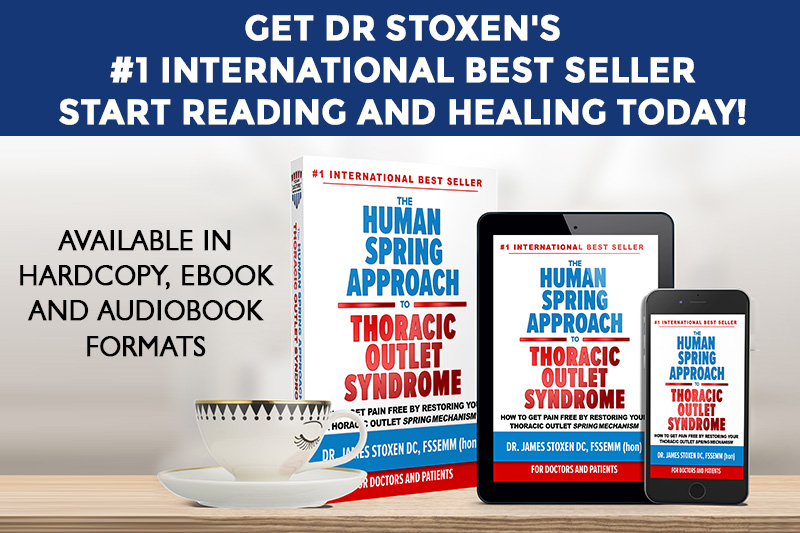
✓ Get Dr. Stoxen’s #1 International Bestselling Books
Learn how to understand, examine, and reverse your TOS—without surgery.
https://drstoxen.com/1-international-best-selling-author/
✓ Check out Team Doctors Online Courses
Step-by-step video lessons, demonstrations, and self-treatment strategies.
https://teamdoctorsacademy.com/
✓ Schedule a Free Phone Consultation With Dr. Stoxen
Speak directly with him so he can review your case and guide you on your next steps.
https://drstoxen.com/appointment/
#ThoracicOutletSyndrome #TOS #ArmNumbness #ShoulderPain #NerveCompression #PostureMatters #UpperExtremity #ChronicPainEducation #Biomechanics #MovementHealth #NeckPain #HandTingling #ClinicalObservation #ConservativeCare #RehabEducation #SoftTissue #VascularSymptoms #NeurologicalSymptoms #PatientEducation #TeamDoctors

Dr James Stoxen DC., FSSEMM (hon) He is the president of Team Doctors®, Treatment and Training Center Chicago, one of the most recognized treatment centers in the world.
Dr Stoxen is a #1 International Bestselling Author of the book, The Human Spring Approach to Thoracic Outlet Syndrome. He has lectured at more than 20 medical conferences on his Human Spring Approach to Thoracic Outlet Syndrome and asked to publish his research on this approach to treating thoracic outlet syndrome in over 30 peer review medical journals.
He has been asked to submit his other research on the human spring approach to treatment, training and prevention in over 150 peer review medical journals. He serves as the Editor-in-Chief, Journal of Orthopedic Science and Research, Executive Editor or the Journal of Trauma and Acute Care, Chief Editor, Advances in Orthopedics and Sports Medicine Journal and editorial board for over 35 peer review medical journals.
He is a much sought-after speaker. He has given over 1000 live presentations and lectured at over 70 medical conferences to over 50,000 doctors in more than 20 countries. He has been invited to speak at over 300 medical conferences which includes invitations as the keynote speaker at over 50 medical conferences.
After his groundbreaking lecture on the Integrated Spring-Mass Model at the World Congress of Sports and Exercise Medicine he was presented with an Honorary Fellowship Award by a member of the royal family, the Sultan of Pahang, for his distinguished research and contributions to the advancement of Sports and Exercise Medicine on an International level. He was inducted into the National Fitness Hall of Fame in 2008 and the Personal Trainers Hall of Fame in 2012.
Dr Stoxen has a big reputation in the entertainment industry working as a doctor for over 150 tours of elite entertainers, caring for over 1000 top celebrity entertainers and their handlers. Anthony Field or the popular children’s entertainment group, The Wiggles, wrote a book, How I Got My Wiggle Back detailing his struggles with chronic pain and clinical depression he struggled with for years. Dr Stoxen is proud to be able to assist him.
Full Bio) Dr Stoxen can be reached directly at teamdoctors@aol.com