Nighttime arm symptoms are among the most common yet misunderstood complaints seen in spine, shoulder, and nerve-related evaluations. Many individuals report that their arm goes numb while sleeping, only to regain sensation after changing position. This pattern raises important questions about what structures are being stressed during rest.
From a clinical observation standpoint, symptoms that appear primarily at night behave differently than those that occur with activity. When a person is lying still, load patterns on nerves and blood vessels change dramatically. In many cases, this helps explain waking up with numb arm sensations that are absent during the day.
Thoracic Outlet Syndrome (TOS) involves compression of neural and vascular structures as they pass from the neck into the arm. These structures are highly sensitive to posture. During sleep, prolonged positioning can provoke symptoms that do not appear during upright movement [1].
Many patients describe waking up with dead arm sensations that feel heavy, weak, or disconnected. This experience is not random. It reflects changes in circulation, nerve conduction, or both, occurring during sustained positioning.
One of the most common associated complaints is shoulder pain at night, particularly when lying on the affected side. Shoulder position directly alters the dimensions of the thoracic outlet space, influencing symptom onset.
Sleep-related symptoms are often minimized or dismissed, yet they offer some of the most valuable diagnostic clues. Patterns that worsen during rest frequently point away from disc injury and toward positional compression syndromes.
When the arm is elevated, rotated, or compressed against the body, individuals may experience arm tingling when sleeping that resolves shortly after waking. This rapid change suggests a mechanical and positional mechanism rather than permanent nerve injury.
Patients often report tingling arm when lying down, especially when the shoulder rolls forward or the head tilts toward one side. These positions narrow the costoclavicular and scalene spaces where nerves and vessels pass.
Clinically, sleeping position arm numbness provides insight into which tissues are involved. Vascular structures respond differently to compression than nerves, and symptom quality helps differentiate between them.
A frequent scenario involves shoulder pain sleeping on side, where body weight compresses the shoulder girdle downward. This can tension the brachial plexus or reduce blood flow through the subclavian vessels.
Another common complaint is nighttime arm nerve pain, often described as aching, burning, or electrical sensations that interrupt sleep. These sensations differ from the heavy numbness seen with pure vascular compromise.
Some individuals experience pins and needles at night arm sensations that spread into the hand and fingers. Distribution patterns often correlate with brachial plexus involvement rather than a single peripheral nerve.
When patients say they have shoulder pain waking me up, the timing is significant. Symptoms that disrupt sleep suggest sustained compression rather than overuse injury.
Hand symptoms also appear frequently. Many people ask about numb hands at night cause, assuming carpal tunnel syndrome. While distal nerve entrapment is possible, proximal compression at the thoracic outlet can produce similar hand symptoms [2].
Reports of arm pain when sleeping often coexist with neck stiffness or upper chest tightness. These findings align with postural loading rather than inflammatory joint disease.
Clinicians frequently hear about numb arm while sleeping episodes that improve within minutes of movement. Rapid reversibility is a key behavioral clue that helps narrow differential diagnosis.
Persistent arm numbness at night may indicate repeated exposure to the same compressive posture, night after night. Over time, tissues become more sensitive to even mild compression.
When individuals describe shoulder pain during sleep, attention should be paid to pillow height, mattress firmness, and habitual sleep posture. These external factors influence internal biomechanics.
A hallmark feature in TOS-related patterns is arm pain worse at night, despite minimal daytime discomfort. This inversion of the usual pain pattern differentiates postural compression from activity-based strain.
Clinically, sleep related arm nerve pain often follows non-dermatomal patterns, supporting involvement of the brachial plexus rather than a single nerve root.
Descriptions of arm numbness during sleep commonly include the entire limb rather than isolated fingers. This diffuse pattern aligns with proximal compression mechanisms.
Many patients notice shoulder pain lying down that disappears when sitting or standing. Gravity alters shoulder girdle alignment, changing thoracic outlet dimensions.
Side sleepers frequently complain of side sleeping shoulder pain, especially when the lower shoulder is compressed under body weight for hours.
In these cases, sleeping causes arm numbness not because of sleep itself, but because sleep involves prolonged static positioning without protective movement.
Some individuals experience a night flare arm pain pattern, where symptoms intensify in the early morning hours. This may reflect cumulative compression over time.
Reports of arm pain at bedtime can occur even before falling asleep, as soon as the person lies down. This immediate response suggests positional sensitivity.
A key biomechanical factor is shoulder compression during sleep, particularly when the shoulder rolls forward and downward, narrowing passageways for nerves and vessels.
Symptoms described as night nerve pain arm may include burning or shooting sensations that differ from vascular numbness, indicating mixed involvement.
Patients often mention arm tingling at night that shifts with head or shoulder movement. Cervical and thoracic posture both influence symptom behavior.
Discussion of sleep posture arm pain allows clinicians to evaluate alignment from head to shoulder to rib cage as an integrated system.
One of the most common patient questions is why arm goes numb at night, especially when imaging studies appear normal. Static compression offers a mechanical explanation not visible on routine scans.
Finally, understanding nerve compression while sleeping requires recognizing that compression does not need to be severe to alter nerve signaling when sustained for hours [3].
Thoracic Outlet Syndrome remains a clinical diagnosis that relies heavily on symptom behavior, posture analysis, and positional testing. Nighttime symptoms provide a controlled environment where movement is minimized and compression effects are amplified.
Rather than viewing sleep-related symptoms as vague or nonspecific, they should be recognized as valuable biomechanical signals. Observing how symptoms change with position offers insight into whether nerves, arteries, veins, or a combination are involved.
Understanding these patterns helps explain why some individuals experience dramatic nighttime symptoms despite minimal daytime limitations. It also clarifies why conventional imaging may fail to identify the source of the problem.
Accurate interpretation begins with recognizing that symptom timing, distribution, and reversibility matter as much as anatomical findings. In thoracic outlet–type patterns, sleep often reveals what upright activity conceals.
Team Doctors Resources
✓ Check out the Team Doctors Recovery Tools
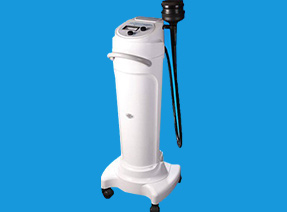
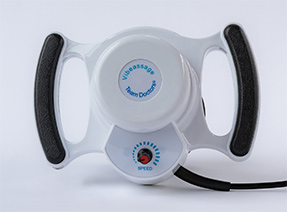
The Vibeassage Sport and the Vibeassage Pro featuring the TDX3 soft-as-the-hand Biomimetic Applicator Pad
https://www.teamdoctors.com/
✓ Get Dr. Stoxen’s #1 International Bestselling Books
Learn how to understand, examine, and reverse your TOS—without surgery.
https://drstoxen.com/1-international-best-selling-author/
✓ Check out Team Doctors Online Courses
Step-by-step video lessons, demonstrations, and self-treatment strategies.
https://teamdoctorsacademy.com/
✓ Schedule a Free Phone Consultation With Dr. Stoxen
Speak directly with him so he can review your case and guide you on your next steps.
https://drstoxen.com/appointment/
#ThoracicOutletSyndrome #TOS #ArmNumbness #ShoulderPain #NightPain #NerveCompression #SleepPosture #BrachialPlexus #VascularCompression #ShoulderBiomechanics #ClinicalObservation #DifferentialDiagnosis #PostureMechanics #UpperExtremityPain #SleepSymptoms #NeurovascularCompression #ThoracicOutlet #ShoulderHealth #NighttimeSymptoms #PainPatterns
References:
- Sanders, Richard J., and Neal M. Rao. “The Thoracic Outlet Syndromes.” Journal of Vascular Surgery 49, no. 4 (2009): 1089–1098. https://doi.org/10.1016/j.jvs.2008.10.085
- Povlsen, Bo, Marius Hansson, and Olaf Povlsen. “Treatment for Thoracic Outlet Syndrome.” Cochrane Database of Systematic Reviews 11 (2014): CD007218. https://doi.org/10.1002/14651858.CD007218.pub3
Roos, David B. “Thoracic Outlet Syndrome Is Underdiagnosed.” Muscle & Nerve 19, no. 4 (1996): 494–496. https://doi.org/10.1002/(SICI)1097-4598(199604)19:4<494::AID-MUS15>3.0.CO;2-8

Dr James Stoxen DC., FSSEMM (hon) He is the president of Team Doctors®, Treatment and Training Center Chicago, one of the most recognized treatment centers in the world.
Dr Stoxen is a #1 International Bestselling Author of the book, The Human Spring Approach to Thoracic Outlet Syndrome. He has lectured at more than 20 medical conferences on his Human Spring Approach to Thoracic Outlet Syndrome and asked to publish his research on this approach to treating thoracic outlet syndrome in over 30 peer review medical journals.
He has been asked to submit his other research on the human spring approach to treatment, training and prevention in over 150 peer review medical journals. He serves as the Editor-in-Chief, Journal of Orthopedic Science and Research, Executive Editor or the Journal of Trauma and Acute Care, Chief Editor, Advances in Orthopedics and Sports Medicine Journal and editorial board for over 35 peer review medical journals.
He is a much sought-after speaker. He has given over 1000 live presentations and lectured at over 70 medical conferences to over 50,000 doctors in more than 20 countries. He has been invited to speak at over 300 medical conferences which includes invitations as the keynote speaker at over 50 medical conferences.
After his groundbreaking lecture on the Integrated Spring-Mass Model at the World Congress of Sports and Exercise Medicine he was presented with an Honorary Fellowship Award by a member of the royal family, the Sultan of Pahang, for his distinguished research and contributions to the advancement of Sports and Exercise Medicine on an International level. He was inducted into the National Fitness Hall of Fame in 2008 and the Personal Trainers Hall of Fame in 2012.
Dr Stoxen has a big reputation in the entertainment industry working as a doctor for over 150 tours of elite entertainers, caring for over 1000 top celebrity entertainers and their handlers. Anthony Field or the popular children’s entertainment group, The Wiggles, wrote a book, How I Got My Wiggle Back detailing his struggles with chronic pain and clinical depression he struggled with for years. Dr Stoxen is proud to be able to assist him.
Full Bio) Dr Stoxen can be reached directly at teamdoctors@aol.com