The Alarming Rise of Thoracic Outlet Syndrome in Teenagers
In my clinical experience, one of the most concerning trends in recent years is the rapid rise of Thoracic Outlet Syndrome in teenagers. Even more alarming is the growing number of adolescents being referred for invasive procedures such as first rib resection and scalenectomy. Twenty or thirty years ago, this would have been extraordinarily rare. Today, it is becoming disturbingly common.
The explanation is not mysterious. The postures and movement patterns that drive Thoracic Outlet Syndrome now begin at a much earlier age. Children grow up immersed in smartphones, tablets, gaming systems, and computers. Hours are spent every day in positions the human body was never designed to maintain for prolonged periods. These early habits shape developing biomechanics in powerful ways.
Prolonged screen use promotes tech posture, where the head drifts forward, the upper back rounds, and the rib cage elevates. As this posture becomes habitual, the shoulders collapse inward and downward. Over time, the pectoralis minor shortens, the anterior scalenes increase resting tone, and the thoracic outlet gradually narrows.
These changes do not occur overnight. They develop through thousands of low-load repetitions performed daily. What is striking is that the same postural compression patterns commonly observed in adults with advanced Thoracic Outlet Syndrome are now appearing in children as young as nine, ten, and eleven.
As the rib cage elevates and stabilizing muscles fatigue, the nervous system responds with protective tightening. This leads to muscle shortening and sustained guarding around the neck and shoulder girdle. The result is a mechanical environment where nerves and blood vessels are exposed to chronic pressure rather than acute injury.
What raises the greatest concern is how quickly some teenagers are pushed toward surgery. Parents are often unaware of how many conservative options should be exhausted before agreeing to procedures as permanent as first rib resection or scalenectomy. These operations permanently alter anatomy that plays a critical role in posture, breathing, and shoulder stability.
Adolescents are still developing. Their rib structure, spinal alignment, and muscular coordination continue to adapt well into early adulthood. Removing bones and cutting stabilizing neck muscles during this phase can disrupt biomechanical dysfunction for life. Once altered, these structures cannot be restored.
A tragic example of misdiagnosis involved a young patient named Brady. He underwent bilateral rib resections and scalenectomies after being diagnosed with Thoracic Outlet Syndrome. Despite undergoing multiple surgeries, blood flow to his arms never improved. Years later, during a detailed evaluation, it became clear that his true condition was severe bilateral exertional compartment syndrome of the forearms.
Brady never had Thoracic Outlet Syndrome. Yet he lost both first ribs, lost critical stabilizing muscles, endured years of pain, and suffered irreversible mechanical consequences. This case illustrates how devastating misdiagnosis can be, particularly when surgical decisions are made prematurely.
The danger lies in assuming structural causes without confirming them. Many adolescents experience symptoms driven by posture, guarding patterns, and movement habits rather than fixed anatomical obstruction. When compression is muscular rather than structural, surgery does not address the root cause.
Teenagers are remarkably adaptable. When teen TOS is driven by posture-related factors, non-surgical care is often highly effective. Correcting movement habits, restoring rib mechanics, reducing guarding, and improving shoulder support can dramatically change symptoms without permanent intervention.
It is also critical to distinguish between functional compression and true vascular compromise. Surgery may be appropriate in rare, well-documented cases involving venous TOS or arterial TOS, particularly when there is limb-threatening compromise. However, these cases are uncommon and should never be assumed based on symptoms alone.
Many adolescents present with nerve compression symptoms such as tingling, heaviness, or fatigue in the arms. These sensations often fluctuate with posture, activity, and device use. Static imaging frequently fails to capture this dynamic behavior, leading to confusion and inappropriate conclusions.
Another overlooked factor is rib cage elevation caused by chronic shallow breathing and forward head posture. As the rib cage remains lifted, space within the thoracic outlet decreases. This creates a sustained narrowing that mimics more serious pathology but remains reversible with appropriate care.
Parents must advocate for comprehensive evaluation before agreeing to surgery. A proper assessment includes observation of posture, breathing patterns, rib mobility, muscle tone, and shoulder mechanics. Without this information, treatment decisions are incomplete.
The rise of Thoracic Outlet Syndrome in teenagers is not a coincidence. It reflects changes in how young bodies interact with technology and gravity. Addressing these factors early protects developing anatomy and prevents unnecessary procedures.
A misdiagnosis leads to surgery that cannot be undone. A correct diagnosis allows the body’s adaptability to work in its favor. When biomechanics are restored and habits change, healing becomes possible without sacrificing anatomy.
Team Doctors Resources
✓ Check out the Team Doctors Recovery Tools
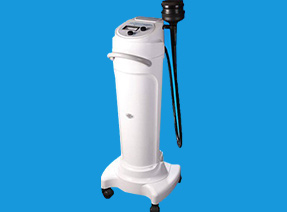
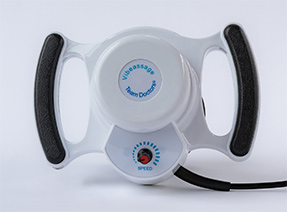
The Vibeassage® Sport and the Vibeassage® Pro featuring the TDX3 soft-as-the-hand Biomimetic Applicator Pad
https://www.teamdoctors.com/
✓ Get Dr. Stoxen’s #1 International Bestselling Books
Learn how to understand, examine, and reverse your TOS—without surgery.
https://drstoxen.com/1-international-best-selling-author/
✓ Check out Team Doctors Online Courses
Step-by-step video lessons, demonstrations, and self-treatment strategies.
https://teamdoctorsacademy.com/
✓ Schedule a Free Phone Consultation With Dr. Stoxen
Speak directly with him so he can review your case and guide you on your next steps.
https://drstoxen.com/appointment/
#ThoracicOutletSyndrome #TeenTOS #TechPosture #PosturalCompression #Misdiagnosis #Biomechanics #YouthHealth #NerveCompression #VascularCompression #FirstRibResection #Scalenectomy #PediatricPosture #ChronicPain #MovementMatters #PreventMisdiagnosis #TeamDoctors #DrStoxen #ParentAwareness #NonSurgicalCare #TOSAwareness
References
- Sanders, R. J., and Hammond, S. L. “Thoracic Outlet Syndrome: A Review.” Neurologic Clinics, 2009.
- Illig, K. A., et al. “Thoracic Outlet Syndrome.” Journal of Vascular Surgery, 2010.
- Urschel, H. C., and Razzuk, M. A. “Paget-Schroetter Syndrome.” Annals of Thoracic Surgery, 2000.
- Grieve, G. P. Common Vertebral Joint Problems. Churchill Livingstone, 2006.

Dr James Stoxen DC., FSSEMM (hon) He is the president of Team Doctors®, Treatment and Training Center Chicago, one of the most recognized treatment centers in the world.
Dr Stoxen is a #1 International Bestselling Author of the book, The Human Spring Approach to Thoracic Outlet Syndrome. He has lectured at more than 20 medical conferences on his Human Spring Approach to Thoracic Outlet Syndrome and asked to publish his research on this approach to treating thoracic outlet syndrome in over 30 peer review medical journals.
He has been asked to submit his other research on the human spring approach to treatment, training and prevention in over 150 peer review medical journals. He serves as the Editor-in-Chief, Journal of Orthopedic Science and Research, Executive Editor or the Journal of Trauma and Acute Care, Chief Editor, Advances in Orthopedics and Sports Medicine Journal and editorial board for over 35 peer review medical journals.
He is a much sought-after speaker. He has given over 1000 live presentations and lectured at over 70 medical conferences to over 50,000 doctors in more than 20 countries. He has been invited to speak at over 300 medical conferences which includes invitations as the keynote speaker at over 50 medical conferences.
After his groundbreaking lecture on the Integrated Spring-Mass Model at the World Congress of Sports and Exercise Medicine he was presented with an Honorary Fellowship Award by a member of the royal family, the Sultan of Pahang, for his distinguished research and contributions to the advancement of Sports and Exercise Medicine on an International level. He was inducted into the National Fitness Hall of Fame in 2008 and the Personal Trainers Hall of Fame in 2012.
Dr Stoxen has a big reputation in the entertainment industry working as a doctor for over 150 tours of elite entertainers, caring for over 1000 top celebrity entertainers and their handlers. Anthony Field or the popular children’s entertainment group, The Wiggles, wrote a book, How I Got My Wiggle Back detailing his struggles with chronic pain and clinical depression he struggled with for years. Dr Stoxen is proud to be able to assist him.
Full Bio) Dr Stoxen can be reached directly at teamdoctors@aol.com