In my clinical experience, one of the most heartbreaking patterns is meeting individuals who have undergone multiple surgeries yet continue to suffer. They were promised relief from pain, numbness, tingling, or weakness radiating down the arm, only to wake up after each procedure unchanged or worse.
Many of these individuals had carpal tunnel release surgery, cervical disc procedures, or nerve decompressions. Each operation was presented as the final answer. None addressed the real source of compression.
Later, they discover that the problem was Thoracic Outlet Syndrome—one of the most misdiagnosed conditions affecting the upper extremity.
Patients often describe a long medical journey. Symptoms evolve over time, and each specialist focuses on the region that hurts most during that visit. Wrist pain leads to a diagnosis of carpal tunnel syndrome. Neck pain leads to suspicion of a disc issue. Elbow symptoms are labeled as ulnar nerve entrapment.
Each diagnosis seems logical in isolation. Each leads to a different treatment pathway. Yet none explain the full picture.
The thoracic outlet is the narrow passage where nerves and blood vessels travel from the neck into the arm. When compression occurs here, symptoms can appear anywhere along the entire limb.
This is why Thoracic Outlet Syndrome frequently mimics multiple diagnoses. The same compression can create hand numbness, arm weakness, neck pain, shoulder pain, or vascular symptoms depending on posture and activity.
Because wrist, elbow, and spine conditions are easier to image and easier to explain, they are often addressed first. The thoracic outlet remains overlooked.
By the time patients finally hear the words “thoracic outlet syndrome,” they often carry surgical scars, long recoveries, and emotional exhaustion from repeated failure.
Patients commonly ask:
“How could so many doctors miss this?”
“Why did I have surgeries for conditions I never truly had?”
The answer lies in how Thoracic Outlet Syndrome behaves. Unlike fixed structural problems, TOS is a dynamic compression disorder.
Standard imaging such as MRI, X-ray, or nerve conduction studies often appear normal. These tests capture anatomy at rest, not during movement, posture changes, or muscle guarding.
Thoracic outlet compression frequently appears only when the arms are elevated, the shoulders are depressed, the head is forward, or muscles are inflamed.
This dynamic nature makes TOS difficult to capture with static tests. When imaging looks normal, patients are sometimes told nothing is wrong.
In reality, the compression is positional and reflex-driven.
Understanding thoracic outlet anatomy is essential. The brachial plexus and subclavian vessels pass between the scalene muscles, beneath the clavicle, and over the first rib.
When inflammation, guarding, posture changes, or muscle imbalance narrow this space, symptoms emerge that resemble several other conditions.
Unless clinicians evaluate the entire kinetic chain—from the neck to the fingers—the true bottleneck may remain hidden.
In my clinical experience, many individuals are treated for years without anyone observing how their symptoms change with posture, arm position, or sustained muscle contraction.
This leads to unnecessary interventions. Patients undergo surgeries aimed at areas that are not the primary source of compression.
Another challenge is that symptoms rarely stay consistent. One day numbness dominates. Another day weakness. Another day vascular symptoms such as coldness or color change.
This variability reinforces misdiagnosis rather than clarifying it.
Thoracic Outlet Syndrome does not behave like a single-site injury. It behaves like a system-wide mechanical problem influenced by inflammation and muscle tone.
When this perspective is missing, treatment targets symptoms instead of mechanisms.
The emotional impact of misdiagnosis is significant. Patients often feel dismissed, confused, or blamed when tests are negative.
They question their own experience despite ongoing pain and functional loss.
Many tell me they wish someone had explained earlier why their symptoms did not match imaging results. Understanding that TOS is dynamic often brings relief and clarity.
When we evaluate movement, posture, muscle tone, and functional mechanics together, the pattern becomes clear.
Symptoms finally make sense.
My goal is to help patients and practitioners recognize these patterns earlier. Early recognition can prevent unnecessary surgeries, prolonged recovery, and years of avoidable suffering.
Thoracic Outlet Syndrome is not rare. It is simply misunderstood.
When the thoracic outlet is evaluated as the central bottleneck, many unexplained symptoms find a logical explanation.
Correct identification does not erase the past, but it can redirect the future.
For individuals who have endured failed surgeries and unanswered questions, understanding TOS can be the first step toward regaining control and restoring quality of life.
Team Doctors Resources
✓ Check out the Team Doctors Recovery Tools
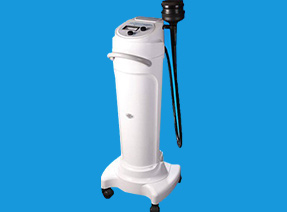
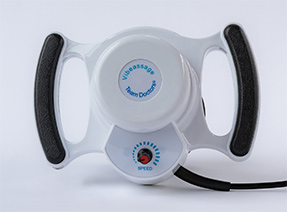
The Vibeassage Sport and the Vibeassage Pro featuring the TDX3 soft-as-the-hand Biomimetic Applicator Pad
https://www.teamdoctors.com/
✓ Get Dr. Stoxen’s #1 International Bestselling Books
Learn how to understand, examine, and reverse your TOS—without surgery.
https://drstoxen.com/1-international-best-selling-author/
✓ Check out Team Doctors Online Courses
Step-by-step video lessons, demonstrations, and self-treatment strategies.
https://teamdoctorsacademy.com/
✓ Schedule a Free Phone Consultation With Dr. Stoxen
Speak directly with him so he can review your case and guide you on your next steps.
https://drstoxen.com/appointment/
#ThoracicOutletSyndrome #MisdiagnosedPain #FailedSurgeries #UpperExtremityPain #TOSAwareness #BrachialPlexus #DynamicCompression #CarpalTunnelMimic #CervicalRadiculopathy #ChronicPainEducation #DiagnosticErrors #MovementMatters #Biomechanics #PatientAdvocacy #NeckAndArmPain #VascularCompression #NeurogenicTOS #WhatMimicsTOS #HealthEducation #PainPatterns
References
- Roos, D. B. “Thoracic Outlet Syndrome Is Underdiagnosed.” Muscle & Nerve 22, no. 1 (1999): 126–129.
- Sanders, Richard J., and Neal S. Pearce. “Neurogenic Thoracic Outlet Syndrome.” Journal of Vascular Surgery 36, no. 3 (2002): 669–676.
- Urschel, Harold C., and R. B. Razzuk. “The Neurovascular Compression Syndromes of the Thoracic Outlet.” Annals of Thoracic Surgery 50, no. 3 (1990): 484–490.

Dr James Stoxen DC., FSSEMM (hon) He is the president of Team Doctors®, Treatment and Training Center Chicago, one of the most recognized treatment centers in the world.
Dr Stoxen is a #1 International Bestselling Author of the book, The Human Spring Approach to Thoracic Outlet Syndrome. He has lectured at more than 20 medical conferences on his Human Spring Approach to Thoracic Outlet Syndrome and asked to publish his research on this approach to treating thoracic outlet syndrome in over 30 peer review medical journals.
He has been asked to submit his other research on the human spring approach to treatment, training and prevention in over 150 peer review medical journals. He serves as the Editor-in-Chief, Journal of Orthopedic Science and Research, Executive Editor or the Journal of Trauma and Acute Care, Chief Editor, Advances in Orthopedics and Sports Medicine Journal and editorial board for over 35 peer review medical journals.
He is a much sought-after speaker. He has given over 1000 live presentations and lectured at over 70 medical conferences to over 50,000 doctors in more than 20 countries. He has been invited to speak at over 300 medical conferences which includes invitations as the keynote speaker at over 50 medical conferences.
After his groundbreaking lecture on the Integrated Spring-Mass Model at the World Congress of Sports and Exercise Medicine he was presented with an Honorary Fellowship Award by a member of the royal family, the Sultan of Pahang, for his distinguished research and contributions to the advancement of Sports and Exercise Medicine on an International level. He was inducted into the National Fitness Hall of Fame in 2008 and the Personal Trainers Hall of Fame in 2012.
Dr Stoxen has a big reputation in the entertainment industry working as a doctor for over 150 tours of elite entertainers, caring for over 1000 top celebrity entertainers and their handlers. Anthony Field or the popular children’s entertainment group, The Wiggles, wrote a book, How I Got My Wiggle Back detailing his struggles with chronic pain and clinical depression he struggled with for years. Dr Stoxen is proud to be able to assist him.
Full Bio) Dr Stoxen can be reached directly at teamdoctors@aol.com