Thoracic Outlet Syndrome and the Confusing Problem of Morning Swelling
If you have Thoracic Outlet Syndrome and notice that your hand or arm feels swollen in the morning but improves as the day goes on, you are not imagining it.
This pattern is real, it is common, and it follows a clear mechanical explanation.
Many patients tell me the same story.
They wake up and their hand feels thick, tight, or stiff, almost like the skin is stretched.
Some people describe it as feeling like they are wearing a glove that is too small.
Others say their fingers feel puffy or harder to bend first thing in the morning.
By the time they get dressed, make breakfast, or start moving around, the swelling slowly goes down.
Later in the day, the hand may look almost normal again.
This creates confusion.
Patients often wonder why the swelling disappears if something serious is wrong.
To understand this, we need to talk about how blood flows out of your arm and how body position affects that flow.
What the Thoracic Outlet Is and Why It Matters
The thoracic outlet is a narrow passageway between your neck and your shoulder.
It is formed by your collarbone on top, your first rib underneath, and several muscles and connective tissues around it.
Important structures pass through this space on their way to and from your arm.
These include nerves and blood vessels.
When there is enough room in this tunnel, everything moves freely.
When the space becomes crowded, problems can develop.
In venous Thoracic Outlet Syndrome, the structure most affected is the vein that carries blood from your arm back to your heart.
Veins are very sensitive to pressure and positioning.
Unlike arteries, veins do not push blood forward with force.
They depend on movement, muscle activity, and gravity to keep blood flowing.
If the vein is compressed, blood does not stop moving completely.
It simply moves more slowly.
Over time, this slow movement allows fluid to collect in the tissues of the arm and hand.
This is what leads to swelling.
This is why so many people search for information about upper extremity swelling and a heavy feeling in arm when trying to understand their symptoms.
Why Swelling Is Worse in the Morning
Nighttime is when venous symptoms often become more noticeable.
While you sleep, your shoulders relax and settle forward.
This relaxed position can slightly lower the collarbone.
When that happens, the tunnel under it becomes smaller.
With less space available, blood returning from the arm moves more slowly.
Over several hours, fluid gradually collects in the hand and forearm.
By the time you wake up, swelling is often at its worst.
This is why morning is the most important time to check for changes.
Once you get out of bed and start using your arms, things begin to change.
Reaching overhead, lifting your arms, and straightening your posture all increase space in the thoracic outlet.
This allows blood to flow more easily out of the arm.
As circulation improves, swelling slowly decreases.
Patients are often surprised to learn that movement temporarily improves symptoms.
This is why the problem can be missed during daytime exams.
Understanding this pattern helps explain why people ask about the best treatment for thoracic outlet arm swelling before they fully understand what is causing it.
The “Glove” Feeling and Other Common Sensations
Many patients describe the swelling as more than just a change in size.
They notice a tight, tense feeling in the skin.
The hand may feel thick or stiff, especially around the fingers.
Some people say it feels harder to make a fist.
This sensation is often called the “glove sign.”
It does not mean the skin itself is damaged.
It means fluid has collected in the tissues underneath.
This pressure creates the sensation of tightness.
Some people also notice color changes.
The hand may look slightly bluish or darker than usual.
This is sometimes referred to as a blue hand or cyanotic discoloration.
It reflects slower blood return, not lack of oxygen in the arteries.
You may also notice veins becoming more visible across the chest or shoulder.
These chest wall veins can develop over time as the body tries to create alternate pathways for blood flow.
This process is called collateral vein formation.
It is the body’s way of adapting to limited space.
Another clue can be swelling near the base of the neck.
This swelling above clavicle can be subtle but meaningful.
Symptoms After Activity
Venous symptoms can change with activity.
Using your arms repeatedly increases the amount of blood that needs to return to the heart.
If the outlet space is already tight, this extra demand can overwhelm the system.
After activity, some patients experience aching or pressure.
This can feel like throbbing pain after activity or a deep sense of fullness.
The arm may feel tired or heavy rather than sharply painful.
Pain patterns vary widely.
Some people feel pain in arm, while others notice pain in shoulder or even pain in chest.
Because these symptoms involve veins, they can be alarming.
One important condition that must always be considered is DVT (deep vein thrombosis).
Why Imaging Is Sometimes Needed
Not all swelling is caused by a blood clot.
Many cases involve compression without clot formation.
Imaging helps doctors tell the difference.
A doppler ultrasound is often the first test used.
This study looks at blood flow and can detect clots.
It can also show whether flow changes with arm position.
If more detail is needed, advanced imaging may be recommended.
MRI venography or MR venography allows doctors to see soft tissues and veins together.
Another option is CT venography, which shows how bones and blood vessels relate to each other.
In certain cases, traditional venography is used to directly visualize flow.
These tests are especially important when evaluating effort thrombosis, a condition linked to repetitive arm use.
Effort thrombosis is often discussed in relation to Paget-Schroetter Syndrome.
Understanding Non-Surgical Care Conversations
Many patients look for information about conservative treatment for thoracic outlet syndrome or non-surgical treatment for thoracic outlet syndrome.
These phrases reflect a desire to understand options without jumping to conclusions.
Conservative care usually focuses on posture, movement patterns, and symptom awareness.
It does not promise results, but it helps patients understand their bodies better.
You may also see terms like physical therapy exercises for thoracic outlet syndrome or exercises for thoracic outlet syndrome treatment.
These approaches aim to improve shoulder motion and reduce positions that narrow the outlet.
People often search for thoracic outlet syndrome self-care or thoracic outlet syndrome natural treatment.
These searches usually mean learning how daily habits affect symptoms.
Some online phrases sound stronger, such as fixing thoracic outlet syndrome or cure for thoracic outlet syndrome.
In education, these are reframed into realistic, anatomy-based discussions.
Why Understanding the Pattern Matters
Morning swelling is not random.
It follows a predictable mechanical pattern.
Recognizing this helps prevent confusion and fear.
It also helps patients know when and how to observe their symptoms.
Thoracic Outlet Syndrome affects people in different ways.
Venous symptoms are just one part of a larger picture.
Understanding how position, movement, and space affect circulation empowers patients.
It allows better conversations and more informed decisions.
Thank you. I’m going to stay patient-focused, clear, and calm, and I’m not going to revert to stiff SEO writing.
This section finishes the story in a way that actually helps people understand what they’re living with.
PART 2 — PATIENT VERSION (CONTINUED)
Living With Venous Symptoms Day to Day
One of the hardest parts of living with Thoracic Outlet Syndrome is that symptoms do not stay the same throughout the day.
You may wake up swollen, feel better by midday, then feel heavy or uncomfortable again after using your arm.
This up-and-down pattern can be frustrating.
Patients often wonder if they are getting better or worse because symptoms change so much.
What’s important to understand is that veins respond immediately to position and activity.
They are not rigid pipes.
When you sit slouched, carry bags on your shoulder, or work with your arms forward for long periods, space at the thoracic outlet decreases.
Blood return slows again.
That slowing may cause a sense of fullness or pressure.
Some people notice visible venous engorgement near the shoulder or upper chest.
This doesn’t mean something new is happening.
It usually means the same mechanical issue is being stressed again.
Many patients worry that swelling means damage is occurring.
In most cases, swelling reflects congestion, not injury.
Understanding this helps reduce fear.
It allows you to observe patterns instead of reacting to every fluctuation.
Why Doctors Ask About Clots Even When Swelling Comes and Goes
Any time swelling involves a vein, doctors must think about clotting.
That’s why conditions like DVT (deep vein thrombosis) are always discussed.
Clot-related swelling often behaves differently.
It tends to remain constant or worsen rather than improve with movement.
That’s why imaging matters.
A doppler ultrasound can quickly look for clots and evaluate blood flow.
If the ultrasound is unclear or symptoms suggest positional narrowing, more detailed imaging may be used.
Studies such as MRI venography, MR venography, or CT venography allow doctors to see how your vein behaves inside the thoracic outlet.
In certain situations, contrast venography is performed to directly watch blood flow through the vein.
This is especially helpful when symptoms worsen with arm elevation.
One specific condition doctors watch for is effort thrombosis.
This occurs when repetitive arm use irritates the vein enough to form a clot.
Effort thrombosis is often associated with Paget-Schroetter Syndrome.
Not everyone with venous Thoracic Outlet Syndrome develops this, but it must be ruled out.
Understanding Conservative and Non-Surgical Conversations
Patients frequently search for conservative treatment for thoracic outlet syndrome or non-surgical treatment for thoracic outlet syndrome.
These phrases reflect a desire to understand options without jumping ahead.
Conservative care focuses on education, posture awareness, and movement habits.
It does not promise outcomes.
You may hear this described as conservative management.
That simply means observing patterns and reducing mechanical stress where possible.
Some patients explore alternative treatment for thoracic outlet syndrome or at-home treatment for thoracic outlet syndrome.
Usually, this means learning how daily positions affect symptoms.
Terms like treatment – physical therapy often refer to guided exercises that focus on shoulder motion and posture.
These exercises aim to avoid positions that narrow the thoracic outlet.
Other terms, such as treatment – adjustments or treatment – general, are broad and mean different things to different people.
What matters most is understanding how your own body responds.
You may also see references to treatment – first rib.
This usually relates to how the first rib sits under the collarbone and how posture can change that relationship.
None of these discussions mean surgery is required.
They are part of understanding how space, movement, and circulation interact.
Home Awareness and Daily Habits
Many patients ask about home treatment or living with thoracic outlet syndrome in everyday life.
This is a very reasonable concern.
Small habits matter more than people realize.
Sleeping position, work posture, and how often you elevate your arms all influence symptoms.
Noticing when swelling is worst gives you valuable information.
Morning swelling, for example, tells you that overnight positioning plays a role.
Paying attention to when symptoms improve also matters.
Improvement with movement is a key clue that circulation is being temporarily restored.
Education helps you separate dangerous symptoms from positional ones.
This distinction brings confidence.
Why the Morning Pattern Is So Important
Morning swelling is one of the most overlooked clues in venous Thoracic Outlet Syndrome.
It tells a story about what happens when the body is still for long periods.
During sleep, muscles relax and gravity changes.
The collarbone can settle downward, narrowing space.
Blood return slows quietly over hours.
By morning, tissues feel tight and full.
Once you get up and move, space opens again.
Blood drains and swelling decreases.
This is why checking your hands in the morning matters.
It gives a clearer picture than checking later in the day.
Understanding this pattern helps patients explain their symptoms more clearly.
It also helps clinicians interpret findings more accurately.
A Reassuring Perspective
Thoracic Outlet Syndrome can be confusing because it doesn’t behave like many other conditions.
Symptoms change with position, time, and activity.
Venous symptoms, in particular, are sensitive to movement.
Swelling does not mean constant damage is occurring.
Education replaces fear with understanding.
It allows you to recognize patterns rather than guessing.
Whether you are exploring thoracic outlet syndrome self-care, conservative discussions, or simply trying to understand what your body is doing, clarity matters.
Knowing why symptoms change is often the first step toward calmer decision-making.
Final Thought for Patients
If your arm or hand swells in the morning and improves as you move, that pattern matters.
It points toward circulation and mechanics rather than inflammation alone.
Thoracic Outlet Syndrome is about space.
When space changes, symptoms change.
Learning to observe those changes gives you control.
It turns confusion into understanding.
Team Doctors Resources
✓ Check out the Team Doctors Recovery Tools
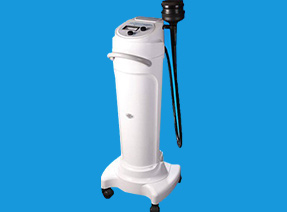
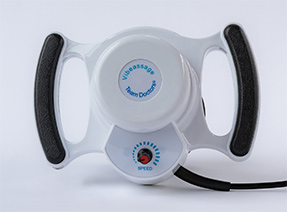
The Vibeassage Sport and the Vibeassage Pro featuring the TDX3 soft-as-the-hand Biomimetic Applicator Pad
https://www.teamdoctors.com/
✓ Get Dr. Stoxen’s #1 International Bestselling Books
Learn how to understand, examine, and reverse your TOS—without surgery.
https://drstoxen.com/1-international-best-selling-author/
✓ Check out Team Doctors Online Courses
Step-by-step video lessons, demonstrations, and self-treatment strategies.
https://teamdoctorsacademy.com/
✓ Schedule a Free Phone Consultation With Dr. Stoxen
Speak directly with him so he can review your case and guide you on your next steps.
https://drstoxen.com/appointment/
#ThoracicOutletSyndrome #VenousTOS #ArmSwelling #MorningSwelling #PagetSchroetter #VeinCompression #UpperExtremity #Circulation #PatientEducation #LivingWithTOS #PostureAwareness #VascularHealth #ShoulderMechanics #Biomechanics #HealthEducation #SymptomPatterns #VeinHealth #PatientSupport #UnderstandingTOS #ClinicalInsight
References
- Illig, K. A., et al. “Thoracic Outlet Syndrome.” Journal of Vascular Surgery, vol. 53, no. 3, 2011, pp. 845–852.
https://www.jvascsurg.org/article/S0741-5214(10)02055-3/fulltext - Sanders, R. J., and Hammond, S. L. “Venous Thoracic Outlet Syndrome.” Journal of Vascular Surgery, vol. 57, no. 6, 2013, pp. 1639–1645.
https://www.jvascsurg.org/article/S0741-5214(12)02189-0/fulltext - Peek, J., et al. “Imaging of Thoracic Outlet Syndrome.” European Journal of Radiology, vol. 74, no. 1, 2010, pp. 83–90.
https://www.sciencedirect.com/science/article/pii/S0720048X09001814 - Likes, K., et al. “Paget–Schroetter Syndrome: Pathogenesis and Treatment.” Annals of Vascular Surgery, vol. 28, no. 4, 2014, pp. 1085–1094.
https://www.sciencedirect.com/science/article/pii/S0890509613005259

Dr James Stoxen DC., FSSEMM (hon) He is the president of Team Doctors®, Treatment and Training Center Chicago, one of the most recognized treatment centers in the world.
Dr Stoxen is a #1 International Bestselling Author of the book, The Human Spring Approach to Thoracic Outlet Syndrome. He has lectured at more than 20 medical conferences on his Human Spring Approach to Thoracic Outlet Syndrome and asked to publish his research on this approach to treating thoracic outlet syndrome in over 30 peer review medical journals.
He has been asked to submit his other research on the human spring approach to treatment, training and prevention in over 150 peer review medical journals. He serves as the Editor-in-Chief, Journal of Orthopedic Science and Research, Executive Editor or the Journal of Trauma and Acute Care, Chief Editor, Advances in Orthopedics and Sports Medicine Journal and editorial board for over 35 peer review medical journals.
He is a much sought-after speaker. He has given over 1000 live presentations and lectured at over 70 medical conferences to over 50,000 doctors in more than 20 countries. He has been invited to speak at over 300 medical conferences which includes invitations as the keynote speaker at over 50 medical conferences.
After his groundbreaking lecture on the Integrated Spring-Mass Model at the World Congress of Sports and Exercise Medicine he was presented with an Honorary Fellowship Award by a member of the royal family, the Sultan of Pahang, for his distinguished research and contributions to the advancement of Sports and Exercise Medicine on an International level. He was inducted into the National Fitness Hall of Fame in 2008 and the Personal Trainers Hall of Fame in 2012.
Dr Stoxen has a big reputation in the entertainment industry working as a doctor for over 150 tours of elite entertainers, caring for over 1000 top celebrity entertainers and their handlers. Anthony Field or the popular children’s entertainment group, The Wiggles, wrote a book, How I Got My Wiggle Back detailing his struggles with chronic pain and clinical depression he struggled with for years. Dr Stoxen is proud to be able to assist him.
Full Bio) Dr Stoxen can be reached directly at teamdoctors@aol.com