In my clinical experience, one of the most distressing phases for individuals with Thoracic Outlet Syndrome occurs before they ever receive an explanation. Symptoms often escalate suddenly, sleep becomes impossible, and fear takes over.
Many patients describe nights when sensations intensify to the point that anxiety spikes and the body feels out of control. Chest pressure, arm heaviness, neck pain, and shortness-of-breath sensations can feel terrifying in the moment.
It is not uncommon for individuals to believe they may be experiencing a heart attack. These fears are real and understandable.
What makes this phase especially difficult is the lack of answers early on. Many individuals seek help from multiple providers before anyone connects the symptoms to the thoracic outlet.
Patients often report that early visits do not bring clarity. When explanations are vague or incomplete, uncertainty grows.
That uncertainty increases stress. Stress amplifies muscle tone in the neck and chest, which intensifies guarding around the thoracic outlet.
As guarding increases, symptoms can become sharper, heavier, or more intense. This creates a feedback loop between fear and physical sensation.
The body’s protective reflexes are designed to respond to perceived threat. When compression, inflammation, and anxiety coexist, the nervous system becomes overwhelmed.
In my clinical observations, this is a common turning point. Symptoms feel too intense to ignore, and individuals decide to seek emergency care.
Emergency rooms are designed to identify life-threatening conditions. In these settings, providers often run extensive testing.
Patients frequently undergo cardiac workups, including EKGs, blood tests, imaging, and sometimes MRIs or CT scans.
In many cases, these tests return normal results. There is no heart attack, no acute cardiac event, and no structural emergency.
While this is reassuring, it can also be deeply frustrating. The symptoms felt real and overwhelming, yet no explanation is provided.
Patients often leave the ER feeling confused. The emergency was ruled out, but the mystery remains.
From an educational standpoint, this experience highlights a key reality. Emergency testing is excellent for ruling out immediate danger, but it is not designed to diagnose musculoskeletal compression patterns.
Thoracic Outlet Syndrome is a dynamic condition. Compression changes with posture, muscle tone, inflammation, and stress.
Static tests performed at rest may appear normal even when symptoms are severe during activity or emotional stress.
This mismatch leaves patients feeling dismissed, even when providers are acting appropriately within emergency protocols.
In my clinical experience, this ER visit often becomes a turning point. It is the moment individuals realize something is wrong, but not in the way they feared.
Many then begin researching their symptoms. They search for explanations that connect neck pain, arm symptoms, chest sensations, and anxiety.
This is often when they discover how conditions involving the neck, shoulder girdle, and thoracic outlet can mimic cardiac emergencies.
Understanding this connection can be profoundly relieving. It reframes fear into curiosity.
The thoracic outlet is a narrow space where nerves and blood vessels pass between the neck and chest. When muscles guard, posture collapses, or inflammation increases, this space narrows.
Nerve irritation can produce chest sensations, arm pain, tingling, or pressure that feels alarming.
Vascular compression can create heaviness, fullness, or breath-related discomfort that mimics more serious conditions.
At the same time, anxiety activates the sympathetic nervous system. Heart rate increases, breathing changes, and muscle tone rises.
These responses amplify physical sensations, making them feel urgent and dangerous.
This does not mean symptoms are psychological. The sensations are real.
They are the result of interaction between compression, guarding, and nervous system stress.
Many individuals describe feeling validated once they learn this. They realize they were not imagining the symptoms.
The fear was a response to real signals coming from the body.
Understanding this pattern also explains why reassurance alone does not stop symptoms. Until the mechanical drivers are understood, the nervous system remains on alert.
This phase of fear is extremely common in early Thoracic Outlet Syndrome.
Patients often tell me they wish someone had explained this sooner. Knowing that others have experienced the same pattern reduces isolation.
Education becomes a stabilizing force. It helps individuals regulate fear while continuing the search for answers.
Recognizing that TOS can mimic emergencies allows patients to interpret sensations more accurately.
Instead of spiraling into worst-case thinking, they can observe patterns related to posture, stress, and activity.
This awareness does not eliminate symptoms, but it reduces panic.
When panic decreases, guarding often decreases as well.
That shift alone can reduce symptom intensity and frequency.
The goal of this discussion is not to minimize fear, but to contextualize it.
Fear is often the body’s response to unexplained signals.
When those signals are understood, fear begins to loosen its grip.
For many individuals, this marks the transition from crisis to comprehension.
Thoracic Outlet Syndrome is complex, but understanding its patterns brings clarity.
And clarity is often the first step toward regaining a sense of control during an otherwise overwhelming experience.
Team Doctors Resources
✓ Check out the Team Doctors Recovery Tools
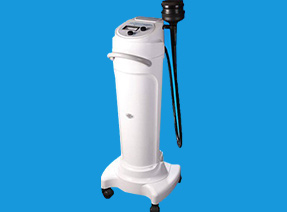
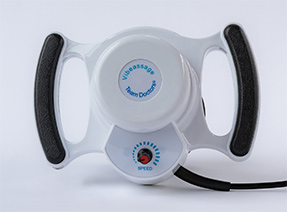
The Vibeassage Sport and the Vibeassage Pro featuring the TDX3 soft-as-the-hand Biomimetic Applicator Pad
https://www.teamdoctors.com/
✓ Get Dr. Stoxen’s #1 International Bestselling Books
Learn how to understand, examine, and reverse your TOS—without surgery.
https://drstoxen.com/1-international-best-selling-author/
✓ Check out Team Doctors Online Courses
Step-by-step video lessons, demonstrations, and self-treatment strategies.
https://teamdoctorsacademy.com/
✓ Schedule a Free Phone Consultation With Dr. Stoxen
Speak directly with him so he can review your case and guide you on your next steps.
https://drstoxen.com/appointment/
#ThoracicOutletSyndrome #TOSAwareness #AnxietyAndPain #NeckAndChestPain #UpperExtremitySymptoms #WhatMimicsTOS #EmergencyRoomVisits #ChronicPainEducation #MuscleGuarding #NervousSystemStress #PainAndAnxiety #Biomechanics #PatientEducation #DynamicCompression #HealthUnderstanding #FearAndPain #NeckPainJourney #TOSSymptoms #UpperBodyPain #ClinicalEducation
References
- Roos, D. B. “Thoracic Outlet Syndrome Is Underdiagnosed.” Muscle & Nerve 22, no. 1 (1999): 126–129.
- Sanders, Richard J., and Neal S. Pearce. “Neurogenic Thoracic Outlet Syndrome.” Journal of Vascular Surgery 36, no. 3 (2002): 669–676.
- Urschel, Harold C., and R. B. Razzuk. “The Neurovascular Compression Syndromes of the Thoracic Outlet.” Annals of Thoracic Surgery 50, no. 3 (1990): 484–490.

Dr James Stoxen DC., FSSEMM (hon) He is the president of Team Doctors®, Treatment and Training Center Chicago, one of the most recognized treatment centers in the world.
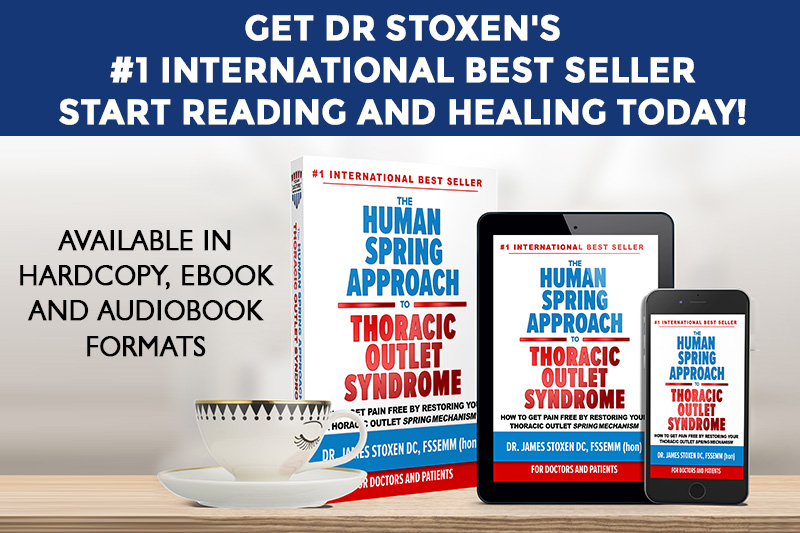
Dr Stoxen is a #1 International Bestselling Author of the book, The Human Spring Approach to Thoracic Outlet Syndrome. He has lectured at more than 20 medical conferences on his Human Spring Approach to Thoracic Outlet Syndrome and asked to publish his research on this approach to treating thoracic outlet syndrome in over 30 peer review medical journals.
He has been asked to submit his other research on the human spring approach to treatment, training and prevention in over 150 peer review medical journals. He serves as the Editor-in-Chief, Journal of Orthopedic Science and Research, Executive Editor or the Journal of Trauma and Acute Care, Chief Editor, Advances in Orthopedics and Sports Medicine Journal and editorial board for over 35 peer review medical journals.
He is a much sought-after speaker. He has given over 1000 live presentations and lectured at over 70 medical conferences to over 50,000 doctors in more than 20 countries. He has been invited to speak at over 300 medical conferences which includes invitations as the keynote speaker at over 50 medical conferences.
After his groundbreaking lecture on the Integrated Spring-Mass Model at the World Congress of Sports and Exercise Medicine he was presented with an Honorary Fellowship Award by a member of the royal family, the Sultan of Pahang, for his distinguished research and contributions to the advancement of Sports and Exercise Medicine on an International level. He was inducted into the National Fitness Hall of Fame in 2008 and the Personal Trainers Hall of Fame in 2012.
Dr Stoxen has a big reputation in the entertainment industry working as a doctor for over 150 tours of elite entertainers, caring for over 1000 top celebrity entertainers and their handlers. Anthony Field or the popular children’s entertainment group, The Wiggles, wrote a book, How I Got My Wiggle Back detailing his struggles with chronic pain and clinical depression he struggled with for years. Dr Stoxen is proud to be able to assist him.
Full Bio) Dr Stoxen can be reached directly at teamdoctors@aol.com