The Day a Patient Walked In With a Pulse Oximeter
One day, a patient walked into Dr. Stoxen’s office holding a small device in his hand. It was a pulse oximeter — the little clip doctors put on your finger to measure oxygen in your blood and your pulse.
He said, “Doctor, I want you to leave this on my finger while you test me.”
He explained that his symptoms were strange and scary. Sometimes his arm would feel heavy and tight. Sometimes it would swell. Sometimes his hand would get cold. Sometimes the color of his arm or hand would change. He had experienced arm heaviness and swelling, arm discoloration and pain, hand swelling and discoloration, and even moments where his hand looked blue or purple hand.
In other words, he was living with what many people would describe as vascular thoracic outlet symptoms or vascular TOS signs — problems related to blood flow blocked to arm, vein compression in shoulder, and blood flow problems shoulder.
Dr. Stoxen began doing gentle diagnostic position tests. These are simple movements that change the position of the shoulders, neck, and chest to see what happens to circulation and nerve signals.
Then something shocking happened.
When the patient pulled his shoulders back and stiffened his neck slightly, the pulse disappeared completely from the oximeter.
Not weakened.
Not reduced.
Gone.
This meant the man had reduced blood flow to arm so severe that certain positions could almost completely shut it off.
This is not rare in advanced cases. Many people with blood flow issues in arm, arm circulation problems, or blood flow obstruction arm do not realize how much their posture, muscle tension, and stress response are affecting their circulation.
Why His Heart Was Racing
There was another strange symptom.
His heart rate was often fast, even at rest.
Why?
Because when blood is not moving freely through the arms and shoulders, the body has a problem. Blood normally returns to the heart from the top and bottom of the body smoothly. But when there is blood flow blocked to arm or serious vein compression in shoulder, the heart has to work harder to keep oxygen moving to the tissues.
So the heart speeds up.
This is called a compensatory response. The heart is trying to make up for blood flow obstruction arm by pumping faster.
In simple terms:
If the pipes are squeezed, the pump has to work harder.
This is why people with advanced compression often feel:
- Fatigued
- Short of breath
- Anxious
- Weak
- And sometimes have pounding or racing heartbeats
Most people are taught to think of the human body like a machine made of levers. Bones move. Muscles pull. Joints hinge. If something hurts, the common belief is that something must be “pinched,” “worn out,” or “out of place.” But after more than four decades of clinical experience, Dr. James Stoxen discovered something much deeper and more important:
Your body does not work like a lever system. It works like a living spring system.
A healthy spring does three things:
- It absorbs force
- It stores energy
- It releases that energy smoothly
When your spring system is working, your body feels light, strong, and efficient. When your spring system starts to fail, everything changes. Joints get compressed. Muscles get tight. Circulation becomes restricted. Nerves get irritated. And over time, people begin to develop problems like poor circulation in arm, arm swelling and pain, cold hand circulation problem, and even blue or purple arm symptoms.
This is not because the body is “broken.” It is because the spring system is no longer able to decompress itself.
And when the spring system fails in the neck, shoulders, and rib cage, the results can be dramatic.
When Stress Turns Off Your Circulation
The patient explained something else.
When he was driving and someone followed too close…
When a motorcycle suddenly passed him…
When he got startled or stressed…
His neck and shoulders would tighten automatically.
And when they tightened, his symptoms exploded.
Suddenly he would feel:
- arm pressure with activity
- arm vein pain
- arm feels heavy and tight
- Sometimes swollen arm after exercise
- Sometimes cold hand or arm
- Sometimes obvious arm color changes pain
This is not psychological. This is mechanical and neurological.
His nervous system was reacting to stress by tightening the muscles of the neck and shoulders. But those muscles were already inflamed and tight. That extra tension was enough to further compress the blood vessels and nerves passing from the chest into the arm.
This is what people are really describing when they talk about:
- vascular nerve compression symptoms
- vascular compression shoulder
- vein compression symptoms arm
- arm circulation disorder symptoms
This Is Not Just a “Neck Problem”
Here is the most important thing to understand:
This is not just a neck problem.
This is not just a rib problem.
This is not just a shoulder problem.
This is a whole spring-system collapse problem.
When the human spring system is healthy:
- The rib cage floats
- The shoulders suspend
- The neck is light
- The joints stay open
- The blood vessels and nerves have space
But when the spring system fails:
- The rib cage lifts and jams upward
- The shoulders get dragged downward
- The muscles tighten to “hold you together”
- The joints compress
- The tunnels that carry nerves and blood get smaller
That is when people develop:
- arm swelling from compression
- arm swelling after activity
- circulatory issues arm pain
- blood flow problems shoulder
- arm vein pain
- arm circulation problems
Why Cutting Things Out Doesn’t Fix a Collapsed Spring
Many people are told that removing a rib or cutting muscles will “make space.”
But space is not created by removing parts.
Space is created by spring tension and suspension.
If you remove one rib from a system where:
- The entire rib cage is lifted
- The shoulders are pulled down
- The muscles are in protective spasm
- The joints are compressed
- The nervous system is on high alert
…you have not fixed the spring system.
You have simply made a slightly bigger hole in a system that is still collapsed.
That is why so many people continue to have:
- arm heaviness and swelling
- arm pressure with activity
- arm color changes pain
- cold hand circulation problem
- blue or purple arm symptoms
- blood flow issues in arm
Even after structural procedures.
The Human Spring Approach: Fix the System, Not Just the Structure
Dr. Stoxen’s Human Spring Approach is built on a simple idea:
You don’t fix a collapsed suspension system by cutting out parts.
You fix it by restoring spring, movement, and decompression.
The goals are:
- Reduce chronic protective muscle tension
- Restore joint play and elastic movement
- Let the rib cage drop back down
- Let the shoulders float back up
- Restore space for nerves and blood vessels
- Normalize blood flow blocked to arm patterns naturally
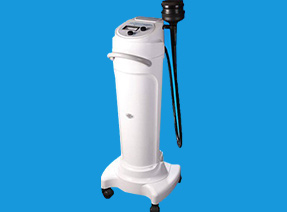
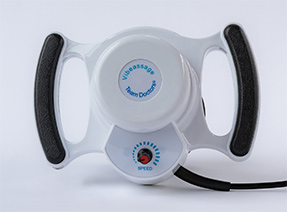
This is where tools like the Vibeassage Pro and Vibeassage Sport come in.
They are not “treatments.”
They are self-care tools that help relax protective muscle tone, improve movement, and help the body begin returning toward normal spring behavior.
They do not “cure” anything.
They support the body’s natural recovery mechanisms.
And that distinction matters for both honesty and safety.
Why the Rib Cage Rises and the Spring System Collapses
To really understand why so many people develop serious problems like poor circulation in arm, arm swelling and pain, blood flow blocked to arm, and vascular thoracic outlet symptoms, you have to stop thinking of the body like a stack of bones and start thinking of it like a suspended spring system.
In a healthy body, the rib cage does not sit rigidly on the spine like a box on a shelf. It is hung, balanced, and suspended by muscles, ligaments, and elastic tissues that act like springs. The shoulders are not supposed to hang downward like weights on hooks. They are supposed to float on this spring system.
When this suspension system works, several important things happen at once:
- The joints stay slightly open instead of jammed together
• The muscles do not need to stay tight all the time
• The nerves and blood vessels have room to pass through
• Circulation flows freely into and out of the arms
When this system starts to fail, the entire geometry of the upper body changes.
The Slow Upward Creep of the Rib Cage
One of the most misunderstood things in chronic neck and shoulder problems is this:
The rib cage slowly rises upward into the outlet space.
This does not happen overnight. It happens over years.
It happens because:
- People sit too much
• People breathe shallowly
• People live in stress
• People hold tension in their shoulders and neck
• People lose normal spring motion in their joints
Over time, the muscles of the neck, chest, and upper back become shorter, tighter, and more protective. They start acting like ropes instead of springs.
And ropes do not absorb force.
They pull things out of position.
As these muscles shorten and stiffen, they pull the rib cage upward and pull the shoulders downward at the same time. This is the perfect setup for:
- vein compression in shoulder
• vascular compression shoulder
• vein compression symptoms arm
• blood flow problems shoulder
• blood flow issues in arm
This is why so many people notice arm heaviness and swelling, arm pressure with activity, or even swollen arm after exercise.
Why Compression Gets Worse With Use
A normal spring system opens space when it is loaded.
A collapsed spring system closes space when it is loaded.
That one sentence explains why people develop:
- arm swelling after activity
• arm feels heavy and tight
• arm circulation problems
• arm vein pain
• arm circulation disorder symptoms
When you use your arms, carry things, work, type, or exercise, your body should respond by distributing the load through elastic structures.
But when the spring system is stiff and collapsed, every movement pulls the shoulder girdle downward and squeezes the outlet tighter.
So instead of movement helping circulation, movement blocks it.
This is how you end up with:
- reduced blood flow to arm
• blood flow obstruction arm
• arm swelling from compression
• circulatory issues arm pain
Why the Body Tightens Even More
Here is where the nervous system makes things worse.
Your brain is designed to protect you.
When it senses:
• Instability
• Pain
• Inflammation
• Compression
…it automatically tightens muscles to create temporary stability.
This is called protective muscle guarding.
The problem is that in the neck and shoulders, this guarding further shrinks the space for nerves and blood vessels.
So the body enters a vicious cycle:
- Spring system weakens
- Joints compress
- Nerves and vessels get crowded
- Brain tightens muscles to protect
- Muscles pull the rib cage up and shoulders down
- Space gets even smaller
- Symptoms get worse
This is how people progress from mild symptoms to:
- cold hand or arm
• cold hand circulation problem
• hand swelling and discoloration
• blue or purple hand
• arm color changes pain
• blue or purple arm symptoms
Why This Is a Whole-System Problem
It is tempting to blame just one muscle.
Or one rib.
Or one joint.
But that is not how suspension systems fail.
When the cables on a bridge start to lose tension, the whole bridge changes shape.
Your upper body works the same way.
By the time someone has obvious vascular TOS signs or vascular thoracic outlet symptoms, they usually also have:
- Stiff mid-back
• Forward head posture
• Tight chest
• Weak foot and hip springs
• Poor shock absorption from the ground up
This means the problem is global, not local.
Which is why local “cut it out” solutions rarely restore:
- blood flow blocked to arm
• blood flow problems shoulder
• arm circulation problems
in a lasting way.
The Hidden Role of Breathing
Breathing is supposed to move the rib cage up and down like a spring.
But in stressed, guarded bodies:
- Breathing becomes shallow
• The chest stays lifted
• The rib cage never drops
• The neck muscles do the breathing
This locks the rib cage up inside the outlet all day long.
And that constant elevation makes:
- vein compression in shoulder
• vascular compression shoulder
• blood flow issues in arm
• arm swelling after activity
much more likely.
Why Imaging Often Misses This
Many people are told:
“Your MRI doesn’t look that bad.”
That is because most imaging is done lying down, in a non-loaded position, with muscles not under stress.
But your symptoms happen:
- When sitting
• When standing
• When lifting
• When using your arms
• When stressed
Which is when the spring system is most collapsed.
This is why functional tests and positional changes often reveal blood flow obstruction arm and pulse loss even when scans look “normal.”
Where the Human Spring Approach Is Different
Dr. Stoxen’s Human Spring Approach does not ask:
“What should we remove?”
It asks:
“Why did the suspension system collapse in the first place?”
And:
“How do we get it to start acting like a spring again?”
The focus is on:
- Reducing chronic muscle guarding
• Restoring joint motion
• Re-teaching the rib cage to move
• Letting the shoulders float again
• Supporting normal circulation mechanics
Tools like the Vibeassage Pro and Vibeassage Sport are used to help the body:
- Calm overactive muscles
• Improve tissue movement
• Support daily decompression habits
• Encourage healthier motion patterns
They are support tools, not medical treatments.
Why Muscles Stay Tight, Joints Stay Compressed, and Circulation Gets Trapped
By the time someone is dealing with poor circulation in arm, arm swelling and pain, blood flow blocked to arm, or other vascular thoracic outlet symptoms, they usually ask a very reasonable question:
“Why won’t my muscles just relax?”
The answer is simple, but not obvious:
Your muscles are not tight because they are “short.”
They are tight because your nervous system is afraid to let them relax.
The Body’s Built-In Bracing System
Your brain’s main job is to keep you alive.
When it senses:
• Instability
• Inflammation
• Compression
• Or poor support from the spring system
…it turns on a bracing program.
This bracing program tightens muscles automatically to hold the body together.
In the short term, this is helpful.
In the long term, it becomes destructive.
In the neck and shoulders, this bracing:
• Pulls the rib cage upward
• Drags the shoulders downward
• Shrinks the space for nerves and blood vessels
• Worsens vein compression in shoulder and vascular compression shoulder
That is how people slowly develop:
• arm heaviness and swelling
• arm pressure with activity
• arm feels heavy and tight
• arm swelling after activity
• swollen arm after exercise
Why Stretching Often Fails
Many people try to stretch their neck and shoulders all day long.
Sometimes it helps for a few minutes.
Then the tightness comes right back.
Why?
Because the nervous system says:
“If I relax this area, the structure will collapse even more.”
So it tightens everything back up.
This is why stretching does not fix:
• arm circulation problems
• blood flow issues in arm
• blood flow problems shoulder
• reduced blood flow to arm
The system is guarding, not just stiff.
Joint Compression: The Silent Circulation Killer
Healthy joints are not jammed together.
They have a tiny amount of play and spring.
When the spring system fails, joints start to collapse and compress.
This happens in:
• The neck
• The collarbone joints
• The shoulder joints
• The upper rib joints
When joints compress:
• Inflammation builds up
• Nerves get irritated
• Blood vessels get crowded
This is a major reason for:
• blood flow obstruction arm
• arm swelling from compression
• circulatory issues arm pain
• arm circulation disorder symptoms
• arm vein pain
Why Inflammation Gets Trapped
Inflammation is not always the enemy.
It is part of healing.
But inflammation must be able to drain and circulate away.
When joints are compressed and tissues are tight:
• Fluid cannot move
• Pressure builds
• Tissues swell
• Circulation slows
This is how people end up with:
• hand swelling and discoloration
• arm discoloration and pain
• arm color changes pain
• blue or purple arm symptoms
• blue or purple hand
• cold hand or arm
• cold hand circulation problem
Why Symptoms Flare With Activity
People often notice that symptoms get worse:
• After using the arm
• After lifting
• After exercise
• After stress
That is because a collapsed spring system gets tighter under load.
So instead of movement helping circulation, it makes:
• blood flow blocked to arm worse
• arm swelling after activity more obvious
• arm feels heavy and tight more intense
• arm pressure with activity more noticeable
This is also why many people develop obvious vascular TOS signs only when the arm is used.
The Stress Connection
Stress does not stay in the mind.
Stress shows up in the body as muscle tension.
In people with a fragile spring system, stress:
• Tightens the neck
• Lifts the rib cage
• Pulls the shoulders down
• Shrinks circulation space
This is why emotional stress can trigger:
• blood flow issues in arm
• arm circulation problems
• vein compression symptoms arm
• vascular nerve compression symptoms
Why the Heart Sometimes Races
When circulation is restricted, the body tries to compensate.
If less blood is moving easily through the arms and shoulders, the heart may beat faster to keep oxygen moving.
This is not a heart disease.
It is a plumbing and suspension problem.
Again:
If the pipes are squeezed, the pump works harder.
Why “Fixing One Spot” Rarely Works
The spring system works from the feet up.
If the foot springs collapse, the knees, hips, spine, rib cage, and neck all take more load.
By the time someone sees:
• vascular thoracic outlet symptoms
• blood flow problems shoulder
• arm circulation problems
…the entire spring chain is usually involved.
This is why working on only the neck or only the shoulder rarely changes the long-term pattern.
Where the Human Spring Approach Changes the Strategy
Dr. Stoxen’s approach focuses on:
- Calming the nervous system
• Reducing protective muscle guarding
• Restoring joint motion and spring
• Improving tissue movement
• Supporting better daily mechanics
This is where tools like the Vibeassage Pro and Vibeassage Sport are explained to patients as:
Tools that help relax tissues, improve movement, and support the body’s natural recovery process.
Not cures.
Not medical treatments.
Not promises.
Just mechanical support for a system that has been stuck in protection mode.
How the Human Spring Approach Helps the Body Move Back Toward Normal
By the time someone has read this far, they usually recognize themselves in the story.
They have lived with things like poor circulation in arm, arm swelling and pain, blood flow blocked to arm, arm heaviness and swelling, or other vascular thoracic outlet symptoms for months or years. They have tried many things. Some things helped a little. Some things did nothing. And many things only worked for a short time.
The reason is now clear:
The problem is not just one muscle or one bone.
The problem is a collapsed spring system.
The Goal Is Not to “Fix” You — It Is to Restore Normal Function
The Human Spring Approach developed by Dr. James Stoxen does not promise to “cure” diseases or replace medical care.
Instead, it focuses on something much more realistic and honest:
Helping the body move, unload, and circulate more normally again.
When the spring system begins to work better:
- Joints are less compressed
• Muscles do not need to stay in protection mode
• The rib cage can move up and down again
• The shoulders can float instead of hang
• Nerves and blood vessels have more space
This is how the body can gradually reduce patterns like:
- blood flow problems shoulder
• blood flow issues in arm
• arm circulation problems
• reduced blood flow to arm
• blood flow obstruction arm
The Three Big Priorities
The Human Spring Approach always comes back to three priorities:
1. Calm the Nervous System
A guarded nervous system keeps muscles tight and joints compressed.
When the body feels safer:
• Muscles can soften
• Breathing can deepen
• The rib cage can drop
• The shoulders can rise back up
This helps reduce:
• arm pressure with activity
• arm feels heavy and tight
• arm swelling after activity
• swollen arm after exercise
2. Restore Motion and Spring
Motion is not just “movement.” It is elastic movement.
The goal is not to force joints.
The goal is to reintroduce gentle, spring-like motion so tissues begin to glide and joints begin to decompress.
Over time, this supports improvement in:
- arm swelling from compression
• arm vein pain
• circulatory issues arm pain
• arm circulation disorder symptoms
3. Improve Daily Loading Habits
Your body is loaded by:
• How you sit
• How you stand
• How you walk
• How you breathe
• How you react to stress
When these loads are more balanced, the spring system stops collapsing as fast as it is being rebuilt.
This matters for people with:
• vein compression in shoulder
• vascular compression shoulder
• vein compression symptoms arm
• vascular nerve compression symptoms
Where the Vibeassage Pro and Vibeassage Sport Fit In
The Vibeassage Pro and Vibeassage Sport are explained to patients as:
Tools that help relax tight tissues, improve local movement, and support daily recovery habits.
They are not medical devices for treating disease.
They are self-care tools that support:
• Muscle relaxation
• Tissue movement
• Circulation-friendly motion
• Recovery after activity
When used gently and consistently, they can help people manage patterns like:
- arm heaviness and swelling
• arm discoloration and pain
• hand swelling and discoloration
• arm color changes pain
• cold hand or arm
• cold hand circulation problem
Again, no promises. No cures. Just supporting healthier mechanics.
The Long Game: Rebuilding a System, Not Chasing Symptoms
One of the biggest mistakes people make is chasing today’s symptom.
The Human Spring Approach teaches a different mindset:
You are rebuilding a suspension system.
That takes time.
But it creates more stable change.
As the system slowly improves, many people notice:
- Less frequent flare-ups
• Better tolerance to activity
• Less heaviness and pressure
• Fewer color and swelling changes
• Better overall comfort and confidence
This can influence patterns such as:
- vascular TOS signs
• vascular thoracic outlet symptoms
• arm circulation problems
• blood flow issues in arm
A Different Way to Think About Your Body
Instead of asking:
“What should I cut out or fix?”
The better question becomes:
“How do I help my body move, load, and recover more normally again?”
That is a much safer, much more sustainable, and much more realistic approach.
A Final Return to the Pulse Oximeter Story
Remember the patient who watched his pulse disappear when he tightened his shoulders?
His problem was not that he needed something removed.
His problem was that his entire system was living in protection mode.
The work was not about forcing change.
It was about teaching the body that it was safe to let go.
The Most Important Message
Your body is not broken.
It is overloaded, over-protected, and under-sprung.
And that can be worked with.
Closing Thought
The Human Spring Approach is not about fighting your body.
It is about working with how it was designed to function.
Like a spring.
Team Doctors Resources
✓ Check out the Team Doctors Recovery Tools
The Vibeassage Sport and the Vibeassage Pro featuring the TDX3 soft-as-the-hand Biomimetic Applicator Pad
https://www.teamdoctors.com/
✓ Get Dr. Stoxen’s #1 International Bestselling Books
Learn how to understand, examine, and reverse your TOS—without surgery.
https://drstoxen.com/1-international-best-selling-author/
✓ Check out Team Doctors Online Courses
Step-by-step video lessons, demonstrations, and self-treatment strategies.
https://teamdoctorsacademy.com/
✓ Schedule a Free Phone Consultation With Dr. Stoxen
Speak directly with him so he can review your case and guide you on your next steps.
https://drstoxen.com/appointment/
#ThoracicOutletSyndrome #TOSRecovery #ChronicPainHelp #NaturalHealing #NonSurgical #PainRehab #MovementMedicine #BodyHealing #NervousSystem #Inflammation #PostureCorrection #Biomechanics #PainScience #HolisticHealth #SelfCare

Dr James Stoxen DC., FSSEMM (hon) He is the president of Team Doctors®, Treatment and Training Center Chicago, one of the most recognized treatment centers in the world.
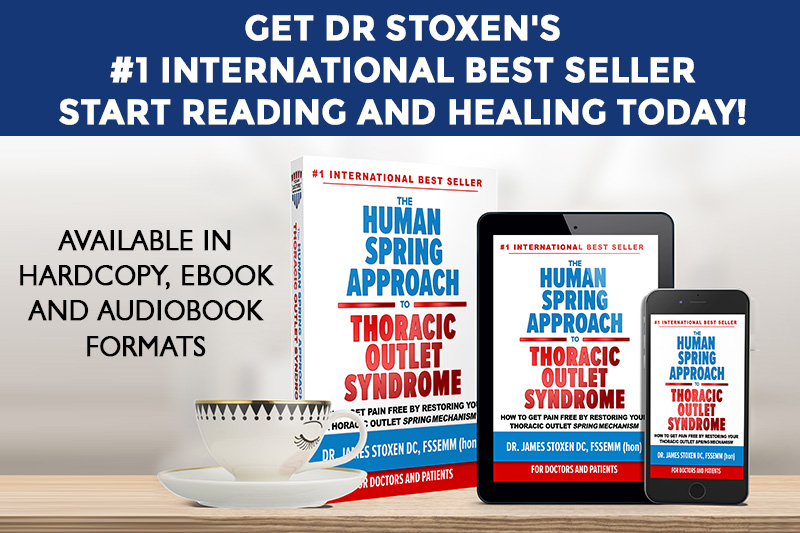
Dr Stoxen is a #1 International Bestselling Author of the book, The Human Spring Approach to Thoracic Outlet Syndrome. He has lectured at more than 20 medical conferences on his Human Spring Approach to Thoracic Outlet Syndrome and asked to publish his research on this approach to treating thoracic outlet syndrome in over 30 peer review medical journals.
He has been asked to submit his other research on the human spring approach to treatment, training and prevention in over 150 peer review medical journals. He serves as the Editor-in-Chief, Journal of Orthopedic Science and Research, Executive Editor or the Journal of Trauma and Acute Care, Chief Editor, Advances in Orthopedics and Sports Medicine Journal and editorial board for over 35 peer review medical journals.
He is a much sought-after speaker. He has given over 1000 live presentations and lectured at over 70 medical conferences to over 50,000 doctors in more than 20 countries. He has been invited to speak at over 300 medical conferences which includes invitations as the keynote speaker at over 50 medical conferences.
After his groundbreaking lecture on the Integrated Spring-Mass Model at the World Congress of Sports and Exercise Medicine he was presented with an Honorary Fellowship Award by a member of the royal family, the Sultan of Pahang, for his distinguished research and contributions to the advancement of Sports and Exercise Medicine on an International level. He was inducted into the National Fitness Hall of Fame in 2008 and the Personal Trainers Hall of Fame in 2012.
Dr Stoxen has a big reputation in the entertainment industry working as a doctor for over 150 tours of elite entertainers, caring for over 1000 top celebrity entertainers and their handlers. Anthony Field or the popular children’s entertainment group, The Wiggles, wrote a book, How I Got My Wiggle Back detailing his struggles with chronic pain and clinical depression he struggled with for years. Dr Stoxen is proud to be able to assist him.
Full Bio) Dr Stoxen can be reached directly at teamdoctors@aol.com