The Day the Pattern Finally Made Sense
This was the day it finally came together. After years of watching people struggle with the same confusing set of problems, I finally understood what was really going on. This was one of the most difficult conditions you could ever see in a clinical office. It was so complex that it was easy to misunderstand, easy to miss, and extremely hard to reverse once it had been there for a long time.
How People Actually Describe Their Symptoms
People did not come in saying, “I have a spring problem.” They came in saying their neck hurt, their shoulder felt tight, their arm went numb, their hand felt weak, or their chest felt heavy. Some felt burning. Some felt tingling. Some felt a deep ache that never really went away. Many had already been to several doctors and therapists. Many had tried physical therapy for thoracic outlet syndrome. Some had been told to try thoracic outlet syndrome massage, and more than a few asked me directly, does massage help thoracic outlet syndrome.
When “Doing the Right Things” Makes Things Worse
Almost all of them were doing what they were told. They were stretching. They were exercising. They were trying to fix themselves. Many had done months of stretching for thoracic outlet syndrome and exercises for thoracic outlet syndrome. A few told me something strange and discouraging. They said that sometimes physical therapy made TOS worse. Others said that stretching made symptoms worse, even though everyone kept telling them that stretching was supposed to help.
Trying Every Kind of Hands-On Care
Some had tried hands-on care too. They had been through manual therapy for thoracic outlet syndrome. Some had tried deep tissue for thoracic outlet syndrome. Others had been given soft tissue treatment for TOS or myofascial release thoracic outlet syndrome. A few had even tried different forms of vibration therapy for arm pain at home because they were desperate to find something that felt soothing instead of irritating.
The Big Questions Patients Keep Asking
What surprised me was how many people came in confused and discouraged, asking bigger questions. They would ask things like can physical therapy fix thoracic outlet syndrome, or does chiropractic help TOS, or what therapy works best for TOS. Some had been searching for conservative treatment options TOS or non invasive therapy for thoracic outlet syndrome because they did not want anything extreme. Many were still looking for what they called the best treatment plan for TOS, but they could not even agree on what that meant.
When Hope Turns into Frustration
A common story kept repeating. Someone would start therapy full of hope. They would do their exercises. They would stretch every day. They would go to their appointments. But instead of slowly getting better, they would hit a wall. Sometimes the symptoms would change. Sometimes the pain would move. Sometimes the arm would feel more tired or more irritated. Eventually, someone would say, “I don’t understand why PT doesn’t work for TOS for me. Everyone said it should.”
More Techniques, More Confusion
Some people were sent to learn special movements. They tried movement therapy for TOS or postural therapy for thoracic outlet syndrome. Others were taught nerve glides for arm pain and told that the nerve needed to move more freely. A few were warned that can stretching worsen nerve compression in some people, which only made them more confused about what they should or should not be doing.
The Hidden Pattern No One Was Seeing
By the time many of them reached me, they were tired. They were not lazy. They were not giving up. They were worn out from trying.
What they did not know was that everyone had been looking at the body in the wrong way.
The Old Machine Model of the Body
For a very long time, medicine has taught us to think of the body like a machine made of parts. Bones are like sticks. Joints are like hinges. Muscles are like ropes that pull on the sticks. If something hurts, the idea is simple. Stretch what is tight. Strengthen what is weak. Stabilize what feels loose.
Why the Body Is Not Built Like a Crane
But that is not how your body really works.
Your body is not built like a crane. It is not built like a door. It is built much more like a living spring system.
Discovering the Human Spring
When you walk, your body does not move in stiff pieces. It gently loads and unloads energy. When you run, your tissues stretch and rebound. When you stand, your body does not collapse to the floor because your muscles and connective tissues act like tensioned springs holding you up.
The arches of your feet behave like springs. Your calves and thighs behave like springs. Your hips and spine behave like springs. Even your rib cage and shoulders are suspended in a kind of spring system.
This is what I began to call the Human Spring.
What Happens When the Spring System Loses Balance
Once I started seeing the body this way, many confusing things suddenly made sense.
If a spring system stays healthy, it holds space. It keeps joints from collapsing into each other. It keeps tunnels and pathways open for nerves and blood vessels. But if the spring system slowly loses its balance, parts of the body start to sag, twist, and tighten in the wrong places.
This is when people start developing the kind of symptoms that make them search for things like manual therapy nerve compression or wonder can stretching worsen nerve compression. The nerves are not being “attacked.” They are being crowded because the body’s suspension system is no longer doing its job.
A Simple Way to Picture the Problem
Think about a tent held up by ropes. If some ropes get too tight and others get too loose, the tent does not stand tall anymore. It twists. It sags. Poles start to press where they should not. Nothing is broken, but everything is under the wrong kind of tension.
The human body is very similar.
Why People Keep Searching and Switching Treatments
When this happens, people often start looking for relief wherever they can find it. They may search for massage vs PT for TOS because they are trying to decide which feels less irritating. They may try rehab for thoracic outlet syndrome again and again with different providers, hoping this time it will be different. They may ask does exercise help TOS or look up home exercises for TOS, trying to fix themselves because they do not want to give up.
Where Gentle Self-Care Tools Fit In
Some do feel temporary relief from hands-on work or from tools they use at home. This is where simple self-care tools come in. Over the years, I saw that many people needed a gentle way to calm overworked tissues and make their bodies feel safer. Not as a medical treatment. Not as a cure. Just as a way to support daily comfort and relaxation.
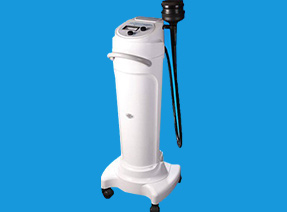
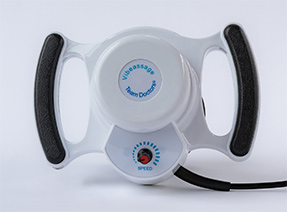
This is where tools like the Vibeassage Pro and Vibeassage Sport fit into the picture. They are not there to “fix” a diagnosis. They are self-massage tools that many people use the same way they might use a heating pad, a foam roller, or a massage ball. The gentle vibration can help some people relax tight areas and become more aware of their bodies without forcing anything.
For people who are sensitive and guarded, sometimes even simple touch feels like too much. In those cases, gentle vibration can feel easier to tolerate, which is why some people explore vibration therapy for arm pain as part of their comfort routine at home.
Why Temporary Relief Is Not the Same as Real Change
But here is the most important part.
None of these things, by themselves, rebuild a collapsed spring system.
They may make you feel better. They may help tissues calm down. They may make movement easier for a while. But if the overall suspension system of the body is still unbalanced, the same patterns keep coming back.
Why So Many People Stay Stuck
This is why so many sincere, hard-working people end up asking what therapy works best for TOS or searching for alternative treatments for TOS. They are not failing. The model they are being shown is incomplete.
The Real Problem Beneath the Symptoms
The real problem is not just a tight muscle. It is not just a weak muscle. It is not even just a “pinched nerve.”
It is a whole-body spring system that has slowly lost its natural balance and lift.
The Insight That Changed Everything
Once I understood that, everything about these difficult cases started to look different.
Why the Body Tightens, Guards, and Slowly Loses Its Spring
Why the Body Always Tries to Protect Itself
One of the most important things to understand about the human body is that it is always trying to protect you. It does not wait for permission. It does not ask if the strategy is perfect. If something feels unsafe, irritated, or overloaded, the body tightens and guards.
This guarding is not a mistake. It is a survival reflex.
If you sprain your ankle, the muscles around it tighten. If you strain your back, your body stiffens to protect the area. If your shoulder or neck feels irritated, the muscles around it begin to hold on and limit motion. This is the body’s way of saying, “Slow down. Be careful.”
The problem is not that the body guards. The problem is when the guarding never fully lets go.
How Guarding Slowly Becomes a Habit
At first, this tightening is helpful. It reduces movement. It reduces risk. But if the irritation, stress, posture load, or overuse continues, the body can start to treat this guarded state as the new normal.
Over time, muscles that were meant to move and release start to stay partially tight all the time. This is not something people choose. It happens quietly in the background.
As this happens, the spring system of the body slowly changes. Tissues that should stretch and rebound become more stiff. Areas that should share load stop doing their job. Other areas begin to work too hard.
This is when people start noticing that their posture is changing, their movement feels smaller, and their body feels heavier and more tired than it used to.
Why Posture Is a Result, Not the Root Cause
Many people are told that their problem is posture. They are told to sit straighter, stand taller, or hold their shoulders back. Some are sent to postural therapy for thoracic outlet syndrome or taught special exercises to “fix” their alignment.
But posture is not something you control directly for very long. Posture is a reflection of how your body is balancing tension.
If the spring system is healthy, posture takes care of itself. If the spring system is stiff, guarded, and unbalanced, posture changes no matter how hard you try to sit up straight.
This is one reason why some people work very hard on posture and still feel stuck.
How Inflammation and Irritation Feed the Tightening Cycle
When tissues are irritated, overworked, or stressed, the body often responds with low-grade inflammation. This is not always dramatic. Sometimes it is quiet and slow.
But inflammation makes tissues more sensitive. Sensitive tissues make the nervous system more protective. The nervous system then tells muscles to hold on even more.
This creates a loop: irritation leads to guarding, guarding leads to stiffness, stiffness changes movement, and changed movement increases irritation.
Over time, this loop can affect large regions of the body, not just one small spot.
Why Nerves and Blood Vessels Begin to Feel Crowded
As the body’s spring system loses its natural lift and balance, spaces that were once gently held open begin to narrow.
Nerves and blood vessels do not usually get irritated because something suddenly “pinches” them. More often, they become uncomfortable because the surrounding tissues no longer create enough space.
This is why people start exploring things like manual therapy nerve compression or asking can stretching worsen nerve compression. They can feel that something is being crowded, even if scans do not always show a clear cause.
Some are taught nerve glides for arm pain to try to help the nerves move more easily through these tight areas. Sometimes this feels helpful. Sometimes it feels irritating. It depends on how guarded and sensitive the whole system is at that moment.
Why Stretching and Exercise Can Sometimes Make Things Worse
This part confuses many people.
They are told that movement is good. They are told that exercise is healthy. And in general, this is true. But when a body is already in a high state of protection, the way movement is applied matters.
Some people discover firsthand that stretching made symptoms worse. Others find that physical therapy made TOS worse, even though the therapist was trying to help.
This does not mean stretching or exercise is bad. It means the system was not ready to accept that kind of input yet.
If you pull on a spring that is already stuck and twisted, it does not suddenly become smooth and elastic. It often fights back.
This is why people start asking questions like does exercise help TOS or can physical therapy fix thoracic outlet syndrome. The honest answer is that it depends on the state of the whole system, not just on the exercise itself.
Why So Many Different Therapies Feel Similar After a While
When people do not get lasting change, they often try many different approaches. They may compare massage vs PT for TOS. They may go through several rounds of rehab for thoracic outlet syndrome. They may try movement therapy for TOS, different styles of hands-on work, or different exercise programs.
Some even start looking into alternative treatments for TOS or searching again for the best treatment plan for TOS.
Very often, each new approach helps a little at first. The tissues calm down. The person feels hopeful. But after a while, the old patterns return.
This is not because these approaches are useless. It is because most of them are working on pieces of the problem instead of the full spring system.
Where Comfort-Based Care and Self-Care Fit In
When a body is guarded and sensitive, one of the first needs is simply to feel safer.
This is where gentle hands-on care, or gentle tools used at home, can be helpful as part of a daily routine. Some people explore thoracic outlet syndrome massage and ask, does massage help thoracic outlet syndrome. Others find that gentle self-care tools, including things used for vibration therapy for arm pain, help their body relax enough to move more comfortably.
Tools like the Vibeassage Pro and Vibeassage Sport fit into this category. They are not treatments or cures. They are comfort and recovery tools. For many people, they make it easier to calm tight areas, breathe more easily, and reconnect with their body in a non-threatening way.
This kind of comfort does not “fix” the spring system by itself, but it can lower the overall level of tension and guarding, which is an important first step.
Why Lasting Change Requires More Than Chasing Symptoms
If you only chase the tight spot of the week, you never change the system that keeps creating tight spots.
If you only chase symptoms, you stay in a loop of short-term relief and long-term frustration.
Real change begins when you start thinking in terms of restoring the body’s natural spring behavior, not just fixing isolated parts.
The Slow Shift From Protection Back to Movement
The good news is that the nervous system can learn.
Just as it learned to protect and guard, it can also learn to trust and release again. But this does not happen all at once. It happens in stages.
First, the system has to calm down. Then it has to begin sharing load again. Then movement can slowly become more elastic and less forced.
This is not a quick process. But it is a logical one.
Preparing the Ground for Real Spring Restoration
Before the spring system can truly be rebuilt, the body has to stop fighting itself.
That means less guarding. Less fear. Less constant tension.
It means teaching the nervous system that movement is safe again, and that the body does not have to hold itself like a rigid brace all the time.
This is the stage where comfort, awareness, and gentle daily care play an important role.
How Modern Life Slowly Breaks the Human Spring
How the Body Is Supposed to Work
When the human body is working the way it was designed to work, movement feels light, smooth, and efficient. You do not have to think about every step or every reach. Your body naturally stores energy and releases it again, the way a spring does.
When you walk, your foot and ankle compress and rebound. Your calves and thighs stretch and release. Your hips and spine gently twist and untwist. Even your rib cage and shoulders float and glide more than most people realize.
This is not something you have to learn as a child. You are born with it.
The Body as a Connected Spring System
No part of the body works alone. The foot affects the knee. The knee affects the hip. The hip affects the spine. The spine affects the shoulders and neck. Everything is connected through chains of muscles, fascia, and joints that behave like a single, large spring system.
When this system is healthy, it spreads load across the whole body. No one area has to work too hard. No one area has to stay tight all the time.
When this system is not healthy, certain areas start doing too much work, and other areas stop doing enough.
How Daily Life Changes the Way We Move
Modern life is very different from the life the human body was built for.
We sit more. We walk less. We move in fewer directions. We wear shoes that limit the natural motion of the foot. We spend hours looking at screens. We repeat the same small movements again and again.
None of these things are evil by themselves. But together, over many years, they slowly change the way the spring system works.
Some springs stop moving as much. Other springs get overloaded. The system becomes less elastic and more stiff.
Why the Spring System Slowly Loses Its Bounce
A healthy spring likes to move. It likes to be loaded and unloaded. But a spring that is kept in the same position all the time becomes stiff.
This is what happens to many bodies.
When joints do not move through their natural ranges, the tissues around them slowly adapt to a smaller, stiffer world. When muscles are always used in the same way, they stop sharing work with their neighbors.
Over time, the body becomes less like a trampoline and more like a stiff board.
Why One-Direction Exercise Is Not Enough
Many people exercise. This is good. But a lot of exercise is very one-directional. Forward and backward. Up and down. Push and pull.
The human spring system is three-dimensional. It needs twisting, turning, bending, and sideways movement too.
When movement becomes too simple and too repetitive, some springs get strong but stiff, and others get weak and forgotten.
This creates imbalances that do not show up right away, but slowly build in the background.
How Small Changes Add Up Over Years
Most people do not wake up one day with a broken spring system. It happens slowly.
First, they feel a little stiffer in the morning. Then they notice certain movements feel harder. Then they start avoiding some positions without even realizing it.
Over time, the body adapts to these smaller movements as if they are normal.
Eventually, some people start to feel symptoms in the neck, shoulders, arms, or hands. They may start searching for physical therapy for thoracic outlet syndrome or reading about thoracic outlet syndrome massage and wondering, does massage help thoracic outlet syndrome.
Why the Problem Rarely Starts Where You Feel It
One of the most confusing things about the human body is that the place you feel the problem is often not where the problem started.
A shoulder that feels tight may be reacting to a stiff rib cage. A neck that feels overloaded may be reacting to a spine that no longer shares movement well. An arm that feels tired or numb may be reacting to a whole upper-body system that has lost its spring.
This is why some people do months of stretching for thoracic outlet syndrome and exercises for thoracic outlet syndrome and still feel stuck.
Why Some People Get Worse Instead of Better
When a system is already stiff and guarded, forcing more movement into the wrong places can backfire.
This is why some people say stretching made symptoms worse or physical therapy made TOS worse. The body was not refusing to heal. It was protecting itself from something it did not feel ready for.
This does not mean therapy is bad. It means timing, context, and whole-body balance matter.
Why People Keep Searching for the “Right” Therapy
When progress is slow or inconsistent, people often start comparing options. They may wonder about massage vs PT for TOS. They may ask can physical therapy fix thoracic outlet syndrome or does chiropractic help TOS. They may look for conservative treatment options TOS or non invasive therapy for thoracic outlet syndrome because they do not want drastic measures.
They are not wrong for searching. They are trying to solve a puzzle that has not been explained to them correctly yet.
How Comfort-Based Care Fits Into the Bigger Picture
When a system is overloaded and sensitive, sometimes the first step is simply to calm things down.
This is why some people benefit, at least temporarily, from manual therapy for thoracic outlet syndrome, deep tissue for thoracic outlet syndrome, soft tissue treatment for TOS, or myofascial release thoracic outlet syndrome. These approaches can make tissues feel looser and movement feel easier for a while.
Some people also explore vibration therapy for arm pain at home because they are looking for a gentle way to relax tight areas without forcing them.
Tools like the Vibeassage Pro and Vibeassage Sport belong in this comfort and recovery category. They are not there to rebuild the entire system by themselves. They are there to support daily care, help calm tissues, and make it easier to move and breathe more comfortably.
Why Symptom Relief Is Not the Same as System Change
Feeling better is important. Comfort matters. But feeling better for a few hours or a few days is not the same as changing how the body works.
If the spring system is still stiff and unbalanced, symptoms often come back in some form.
This is why people cycle through rehab for thoracic outlet syndrome, movement therapy for TOS, or different programs and still feel like something is missing.
What the Human Spring Approach Looks at Differently
The Human Spring approach does not start by asking, “Which muscle is tight?”
It starts by asking, “Where has the spring system stopped behaving like a spring?”
It looks at how the whole body loads, shares, and releases movement. It looks at how different regions work together instead of in isolation.
Preparing the Body to Become Springy Again
Before a stiff system can become elastic again, it usually has to go through a phase of calming, reawakening, and relearning.
This is not about forcing flexibility. It is about slowly restoring trust in movement.
The Big Shift From Controlling the Body to Letting It Move
Many people have spent years trying to control their bodies. Hold this. Brace that. Don’t move there. Protect this side.
The Human Spring idea is about gently teaching the body how to move again without fear.
Learning to Live in a Spring-Friendly Body Again
From Managing Symptoms to Changing How the Body Works
By the time most people reach the end of a long journey with chronic neck, shoulder, or arm problems, they are tired of chasing symptoms. They have tried many things. Some have done physical therapy for thoracic outlet syndrome. Some have explored manual therapy for thoracic outlet syndrome. Others have looked into thoracic outlet syndrome massage and asked, more than once, does massage help thoracic outlet syndrome.
Some have tried stretching for thoracic outlet syndrome and exercises for thoracic outlet syndrome. Some have discovered that stretching made symptoms worse or that physical therapy made TOS worse. This is usually not because they did something wrong. It is because their body was still in a state of protection.
Many people eventually start asking bigger questions like what therapy works best for TOS, can physical therapy fix thoracic outlet syndrome, or does chiropractic help TOS. Others search for conservative treatment options TOS or non invasive therapy for thoracic outlet syndrome because they do not want drastic measures.
All of these questions come from the same place: the desire to get back to a normal life.
Why There Is No Single Magic Technique
One of the hardest truths to accept is that there is no single exercise, no single stretch, and no single technique that “fixes” a complicated, long-standing body pattern.
This is why people move from one program to another, compare massage vs PT for TOS, try different rounds of rehab for thoracic outlet syndrome, or look into alternative treatments for TOS and still feel like something is missing.
Each approach may help part of the picture. But none of them, by themselves, automatically rebuild how the whole body shares load and movement.
What “Restoring the Spring” Really Means
Restoring the spring system does not mean forcing flexibility. It does not mean pushing through pain. It does not mean bracing harder or trying to hold perfect posture all day.
It means slowly teaching the body how to move, load, and release again without fear.
It means helping different parts of the body start working together again instead of acting like stiff, isolated pieces.
It also means respecting that the nervous system, not just the muscles, has to learn that movement is safe again.
Why Comfort and Safety Come First
A body that feels threatened does not learn new movement patterns very well.
This is why comfort matters. This is why calming the system matters. This is why some people benefit from gentle, non-threatening approaches before they ever worry about strengthening or stretching.
Some people explore vibration therapy for arm pain or gentle hands-on care not because it is a cure, but because it helps their body relax enough to move more freely afterward.
Tools like the Vibeassage Pro and Vibeassage Sport belong in this comfort and awareness category. They are self-massage and recovery tools. They are not treatments or cures. They do not diagnose anything. They simply give many people a way to calm tight areas, improve body awareness, and make daily movement feel less guarded.
Used reasonably, they can be part of a routine that supports relaxation, circulation, and general comfort, the same way other self-care tools do.
How Movement Gradually Becomes More Elastic Again
Once the body starts to feel safer, movement can slowly change.
At first, this may be very subtle. Breathing may feel easier. Reaching may feel less forced. Turning the head may feel less guarded.
Over time, the body can begin to share load more evenly again. Areas that were doing too much can rest. Areas that were doing too little can begin to participate again.
This is not about chasing the perfect exercise. It is about restoring cooperation inside the body.
Why Some Techniques Still Have a Place
Approaches like soft tissue treatment for TOS, myofascial release thoracic outlet syndrome, or even specific movement work can still play a role. They can help reduce local tension and make movement more comfortable.
Techniques like nerve glides for arm pain or gentle mobility work can sometimes be useful when applied at the right time and in the right context.
The difference is that they are no longer seen as “the fix.” They are seen as tools that support a bigger process.
Why Symptoms May Change Before They Disappear
One thing that often surprises people is that symptoms may move or change as the body starts to work differently.
This does not always mean something is going wrong. Sometimes it means load is being shared in a new way. Sometimes it means an area that was quiet is waking up again.
This is another reason why chasing only the symptom is so frustrating. The system is more complex than that.
How to Think About Long-Term Progress
Long-term change usually does not come from heroic effort. It comes from steady, respectful, intelligent care.
It comes from paying attention to how your body responds, not from forcing it to obey.
It comes from building a relationship with movement instead of fighting with it.
Why People Eventually Stop Asking “Which Therapy Is Best?”
When people start to understand their body as a living spring system, the question slowly changes.
Instead of asking, “Which therapy should I try next?” they start asking, “What helps my body feel safer, move easier, and share load better?”
That is a much more useful question.
Living in a Spring-Friendly Way
Living in a spring-friendly way does not mean living in fear of movement. It means respecting movement.
It means using your body in many directions, not just one. It means giving your body chances to move, rest, and recover. It means not turning every discomfort into a battle.
The Real Point of the Human Spring Idea
The Human Spring idea is not about promising cures.
It is about giving people a better way to understand their bodies.
It is about helping people stop blaming themselves for problems that grew slowly over many years.
It is about replacing fear and confusion with understanding and patience.
A Different Way Forward
When you stop seeing your body as a broken machine and start seeing it as a living, adaptable spring system, everything changes.
You stop chasing parts.
You start caring for the whole.
And that is where real, lasting change usually begins.
Team Doctors Resources
✓ Check out the Team Doctors Recovery Tools
The Vibeassage Sport and the Vibeassage Pro featuring the TDX3 soft-as-the-hand Biomimetic Applicator Pad
https://www.teamdoctors.com/
✓ Get Dr. Stoxen’s #1 International Bestselling Books
Learn how to understand, examine, and reverse your TOS—without surgery.
https://drstoxen.com/1-international-best-selling-author/
✓ Check out Team Doctors Online Courses
Step-by-step video lessons, demonstrations, and self-treatment strategies.
https://teamdoctorsacademy.com/
✓ Schedule a Free Phone Consultation With Dr. Stoxen
Speak directly with him so he can review your case and guide you on your next steps.
https://drstoxen.com/appointment/
#ThoracicOutletSyndrome #TOS #ArmNumbness #ShoulderPain #NerveCompression #PostureMatters #UpperExtremity #ChronicPainEducation #Biomechanics #MovementHealth #NeckPain #HandTingling #ClinicalObservation #ConservativeCare #RehabEducation #SoftTissue #VascularSymptoms #NeurologicalSymptoms #PatientEducation #TeamDoctors

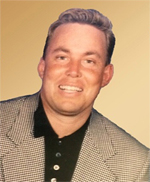
Dr James Stoxen DC., FSSEMM (hon) He is the president of Team Doctors®, Treatment and Training Center Chicago, one of the most recognized treatment centers in the world.
Dr Stoxen is a #1 International Bestselling Author of the book, The Human Spring Approach to Thoracic Outlet Syndrome. He has lectured at more than 20 medical conferences on his Human Spring Approach to Thoracic Outlet Syndrome and asked to publish his research on this approach to treating thoracic outlet syndrome in over 30 peer review medical journals.
He has been asked to submit his other research on the human spring approach to treatment, training and prevention in over 150 peer review medical journals. He serves as the Editor-in-Chief, Journal of Orthopedic Science and Research, Executive Editor or the Journal of Trauma and Acute Care, Chief Editor, Advances in Orthopedics and Sports Medicine Journal and editorial board for over 35 peer review medical journals.
He is a much sought-after speaker. He has given over 1000 live presentations and lectured at over 70 medical conferences to over 50,000 doctors in more than 20 countries. He has been invited to speak at over 300 medical conferences which includes invitations as the keynote speaker at over 50 medical conferences.
After his groundbreaking lecture on the Integrated Spring-Mass Model at the World Congress of Sports and Exercise Medicine he was presented with an Honorary Fellowship Award by a member of the royal family, the Sultan of Pahang, for his distinguished research and contributions to the advancement of Sports and Exercise Medicine on an International level. He was inducted into the National Fitness Hall of Fame in 2008 and the Personal Trainers Hall of Fame in 2012.
Dr Stoxen has a big reputation in the entertainment industry working as a doctor for over 150 tours of elite entertainers, caring for over 1000 top celebrity entertainers and their handlers. Anthony Field or the popular children’s entertainment group, The Wiggles, wrote a book, How I Got My Wiggle Back detailing his struggles with chronic pain and clinical depression he struggled with for years. Dr Stoxen is proud to be able to assist him.
Full Bio) Dr Stoxen can be reached directly at teamdoctors@aol.com