Discovering Ageless Vitality: What Real Anti-Aging Success Looks Like in the Real World
January 21, 2026
Discovering ageless vitality is not a theory.
It is not a slogan.
And it is certainly not a marketing promise.
It is something you can see with your own eyes when you spend your life working with people who have done things right for decades.
Over the years, I’ve had the privilege of working alongside my colleague and friend, Dr. Ron Klatz, and of caring for patients who are living, breathing proof of what anti-aging medicine is truly about. These individuals are not just surviving into old age. They are thriving. They are moving. They are thinking clearly. They are enjoying their lives. And perhaps most importantly, they are doing it with optimism, purpose, and joy.
One of the most inspiring among them is Dr. Monique, who is now 79 years old and doing absolutely fantastic. She is, in every sense of the word, a role model. She embodies the principles of preventive, regenerative, and anti-aging medicine not just in theory, but in daily practice. Her energy, her clarity, her posture, her engagement with life—all of it reflects decades of making intelligent decisions about how to care for her body, her mind, and her health.
People like Dr. Monique are not exceptions.
They are previews of what is possible.
When you work in this field long enough, you begin to notice a pattern. The patients who do well in their 70s, 80s, and beyond are not the ones who start “getting serious” about their health after their first heart scare or their first major diagnosis. They are the ones who started early—or at least earlier—and stayed consistent.
I have patients in their 80s who are doing remarkably well. One of them is 87 years old. I was just on the phone with him the other day. He told me he’s walking a mile every day. He’s happy. He’s upbeat. He’s mentally sharp. And he’s almost always in a good mood.
That combination is not an accident.
It is the result of decades of intelligent self-care.
It’s interesting to observe how different aging looks when it is approached as something you actively manage rather than something you passively endure. Too many people are taught, implicitly or explicitly, that aging is a downhill slide—an unavoidable process of loss, weakness, stiffness, and dependency.
But that is not what we see in people who have practiced true longevity medicine for most of their lives.
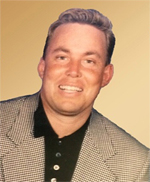
And then there’s Bob Delmonteque
Bob is one of my favorite examples because his story shows just how powerful early lifestyle decisions can be. Bob used to be the fitness director for many of the Hollywood studios. He worked with people like Marilyn Monroe and many other famous actors and actresses. He lived in a world where appearance, performance, and vitality mattered—but what makes Bob truly remarkable is that he didn’t just apply those ideas to others.
He applied them to himself.
Even when Bob Delmonteque was young—19 or 20 years old—he was already thinking in terms of health, fitness, and longevity. Long before the term “anti-aging medicine” was popular, or even widely understood, Bob was already living it. He was already training his body, feeding his body, and respecting his body in a way that most people do not even begin to consider until middle age—if they consider it at all.
In other words, Bob Delmonteque started “anti-aging” his body when he was still young.
And now, decades later, you can see the result of that strategy written in every movement he makes, in the way he carries himself, and in the quality of his daily life.
When we look at how Bob lived—how he trained, how he ate, how he thought, how he managed stress, how he stayed active—and we teach those same principles to our patients, something remarkable happens.
We start to realize that what we call “normal aging” is often not normal at all.
It is optional.
Or at least, much of it is.
Anti-aging medicine, at its core, is not about chasing immortality. It is not about denying the passage of time. It is about preserving function. It is about protecting vitality. It is about maintaining independence, mobility, clarity, and joy for as long as possible.
It is about extending healthspan, not just lifespan.
There is a massive difference between being 80 years old and functioning like you are 80 years old.
I have met 80-year-olds who move like they are 60.
And I have met 60-year-olds who move like they are 90.
The difference is not luck.
The difference is lifestyle, strategy, and consistency over time.
People often ask, “When should I start thinking about anti-aging?”
The honest answer is: yesterday.
But the second-best time is today.
Because the body is always responding to what you do to it—or what you fail to do for it. Every day, you are either investing in your future vitality or withdrawing from it.
Movement matters.
Strength matters.
Mobility matters.
Nutrition matters.
Sleep matters.
Hormonal balance matters.
Inflammation control matters.
Stress management matters.
And perhaps most importantly, mindset matters.
The patients who do the best over the long term are not obsessed. They are committed. They do not chase fads. They build habits. They do not look for shortcuts. They build systems.
And over decades, those systems compound.
That is the real secret behind people like Dr. Monique, Bob, and my 87-year-old patient who walks a mile a day with a smile on his face.
They didn’t do one magic thing.
They did many small, smart things—consistently—for a very long time.
When Dr. Ron Klatz and I talk about anti-aging medicine, we are not talking about superficial youthfulness. We are talking about biological youthfulness. We are talking about preserving tissue quality, joint function, muscle mass, bone density, neurological function, cardiovascular capacity, and metabolic health.
We are talking about keeping the human machine running the way it was designed to run.
And the most exciting part is this: the science keeps getting better.
We now understand more about inflammation, oxidative stress, hormonal regulation, mitochondrial health, nervous system function, and tissue regeneration than at any point in human history. When these tools are combined with the right lifestyle foundations, the results can be extraordinary.
But none of it works if people wait too long to care.
Aging is not something that suddenly begins at 65.
It is something that starts in your 20s and 30s, quietly, invisibly, and cumulatively.
Bob understood that.
Dr. Monique understands that.
And my healthiest elderly patients live that truth every day.
The real promise of anti-aging medicine is not that you will live forever.
The real promise is that you can live better, longer.
You can stay mobile.
You can stay independent.
You can stay mentally sharp.
You can stay engaged with life.
And you can dramatically reduce the years of suffering, disability, and decline that most people assume are inevitable.
They are not.
The future of aging does not have to look like the past.
And the proof is already walking among us—sometimes literally, one happy mile at a time.
Why So Many People Stay Stuck in Pain (And What Most Approaches Miss)
Every year, millions of people look for help with pain, stiffness, fatigue, and loss of function.
They go to doctors.
They get scans.
They try treatments.
They do exercises.
They rest.
They try again.
And many of them still feel stuck.
Some feel a little better for a while.
Some feel worse.
Some bounce from one solution to the next, always hoping the next thing will finally fix it.
This is not because they are weak.
It is not because they are lazy.
And it is not because they are broken.
It is usually because the system they are using to understand their body is incomplete.
The Old Way of Thinking: Find the Broken Part
Most healthcare systems still think of the body like a machine made of parts.
If your knee hurts, the knee is the problem.
If your back hurts, the back is the problem.
If your neck hurts, the neck is the problem.
So the focus becomes:
- Find the bad part
- Fix the bad part
- Or manage the bad part
This approach is very good for emergencies.
It is very good for fractures, infections, and clear structural damage.
But it is not very good for long-term, slow-building problems.
This is where many people with chronic issues get lost.
The Pattern I Kept Seeing
After decades working in musculoskeletal medicine, I kept seeing the same story in different bodies.
People would come in with:
- Long histories of pain
- Many past treatments
- Many normal or confusing scans
- And a lot of frustration
Some of them were everyday people.
Some were performers.
Some were executives.
Some were athletes.
Over time, I ended up working as a tour doctor, providing on-tour medical care, and serving as a backstage doctor in very high-pressure environments.
In those worlds, people talk about:
- performance medicine
- peak performance medicine
- elite performance recovery
- performance longevity
They also talk about:
- VIP medical care
- concierge medicine
- elite client health
- high-profile patient care
- luxury medical services
- executive health program
Some people describe me as a celebrity doctor, celebrity health expert, celebrity performance doctor, professional athlete doctor, Hollywood doctor, entertainer health specialist, or private doctor for celebrities.
Over time, people also started using titles like world-renowned doctor, international medical speaker, keynote medical speaker, medical innovator, bestselling medical author, and performance medicine pioneer.
But again, the titles are not the point.
The pattern is.
The Pattern: The System Was Failing, Not Just the Part
What I kept seeing was this:
The place that hurt was almost never the real beginning of the problem.
The problem usually started with how the body handled force, stress, and movement.
This is what led to the Human Spring Approach and the Integrated Spring-Mass Model.
Instead of seeing the body as a set of rigid levers, this model sees the body as a living human spring system.
A system designed to:
- Absorb force
- Store energy
- Return energy
- Protect joints and tissues
This is the foundation of human spring biomechanics, performance biomechanics, biomechanics optimization, and understanding gravity and the body.
Why the Spring System Matters More Than You’ve Been Told
If your spring system works, daily life feels easier.
If it does not, daily life slowly becomes heavier.
This is where foot spring mechanics, kinetic chain dysfunction, movement pattern correction, posture correction, and gait analysis become important.
Because force never stays in one place.
It always travels.
When the spring system fails in one area, other areas pay the price.
This is how small problems turn into big ones.
How Stress and the Nervous System Lock the Pattern In
Pain is not just a tissue problem.
It is also a nervous system problem.
When the nervous system feels overloaded or unsafe, it tightens the body to protect it.
At first, this is helpful.
Over time, it becomes part of the problem.
This is where:
- nervous system regulation
- stress physiology
- nervous system reset
- brain-body connection
become central ideas.
Long-term tension is also linked to neuroinflammation and to patterns people describe as brain fog treatment, mental clarity optimization, mood optimization, and even inflammation and depression.
This is why so many people don’t just hurt.
They’re tired.
They’re foggy.
They’re burned out.
This is where energy restoration, burnout recovery, and resilience training become part of the same story as pain.
Why So Many Treatments Only Chase Symptoms
Most systems still ask:
“Where does it hurt?”
The Human Spring Approach asks:
“Why is the system no longer working like a spring?”
This is the difference between:
- movement-based medicine
- function-first medicine
- root-cause medicine
- functional recovery
and symptom chasing.
This way of thinking is also why I became known as a non-surgical recovery expert and focused so much on non-surgical pain relief.
Not because structure doesn’t matter.
But because function usually breaks first.
Where Chronic and Complex Pain Fits In
When the spring system stays broken for a long time, compression and irritation build up.
This is where inflammation reduction, recovery medicine, and chronic pain recovery become daily concerns.
In some people, this shows up as nerve compression syndromes.
In more complex cases, it overlaps with patterns often discussed by a thoracic outlet syndrome expert.
But again, the label is not the most important part.
The system is.
Why Daily Recovery Matters More Than Occasional Treatment
Recovery is not something you do once in a while.
It is something you support every day.
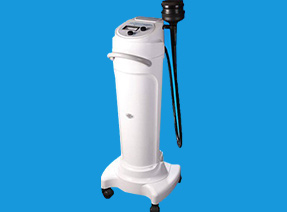
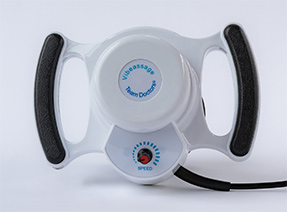
This is where tools like Vibeassage Pro and Vibeassage Sport fit in — not as cures, but as daily recovery support tools.
They help support:
- Muscle relaxation
- Circulation
- Nervous system calming
- Consistent recovery habits
We offer our VIP patients:
- an intensive recovery program
- a high-intensity rehab
- a 7-day recovery program
- a private in-home treatment
- a luxury hotel treatment program
- an executive recovery retreat
- or a rapid recovery5 day program
But again, the real value is not the setting.
It’s the repetition.
A Different Starting Question
Instead of asking:
“What’s wrong with me?”
This approach asks:
“What does my body need to start working like a spring again?”
That question changes everything.
The Chronic Pain Trap (And Why Most People Can’t “Rest” Their Way Out of It)
One of the most confusing things for people in long-term pain is this:
They rest… but they don’t get better.
They do exercises… but the pain comes back.
They stretch… but they stay stiff.
They try to be careful… but their world keeps getting smaller.
This is not because they are doing something wrong.
It is because once the body enters a chronic protection pattern, the rules change.
This is one of the core ideas behind the Human Spring Approach and the Integrated Spring-Mass Model.
How the Trap Begins
At the beginning, most pain starts with:
- A small injury
- A period of overload
- A stressful life chapter
- Or a series of small, repeated strains
The human spring system is supposed to absorb these things and recover.
But when recovery time is too short, stress is too high, or movement quality is too low, the spring system starts to stiffen.
This changes human spring biomechanics, performance biomechanics, and begins kinetic chain dysfunction.
Still, at this stage, many people can “push through.”
How Protection Becomes the New Normal
The nervous system’s job is to keep you safe.
When it senses threat, it tightens muscles and limits motion.
At first, this is helpful.
But if the system stays in this mode too long, protection becomes the new normal.
This is where:
- nervous system regulation
- stress physiology
- nervous system reset
- brain-body connection
become central ideas.
The body is no longer just healing.
It is guarding.
Why Rest Alone Often Fails
Rest is important.
But rest without restoring motion does not rebuild a spring.
It just teaches the body to become even more cautious.
This is why many people feel worse after long periods of rest.
Their system becomes:
- Stiffer
- Weaker
- More sensitive
- Less confident in movement
The Human Spring Approach does not ignore rest.
It just does not rely on it alone.
Why Strengthening Alone Often Fails
Strength is important.
But strength built on top of a stiff, guarded system often increases compression.
If joints are not moving well, and the foot spring mechanics and human spring biomechanics are not working, strength work can:
- Increase joint pressure
- Increase muscle tension
- Reinforce bad movement patterns
This is why movement pattern correction, posture correction, and gait analysis come before aggressive strengthening.
We have to restore the spring before we load it.
The Compression–Inflammation–Tension Loop
Once the system is stuck, three things feed each other:
- Compression of joints and tissues
- Irritation and sensitivity
- Muscle guarding and tension
This is where inflammation reduction, neuroinflammation, recovery medicine, and chronic pain recovery become daily concerns.
In some people, this loop shows up as nerve compression syndromes.
In more complex patterns, it overlaps with cases often handled by a thoracic outlet syndrome expert.
But again, the diagnosis label is not the main issue.
The loop is.
Why the Brain Gets Better at Producing Pain
Here is something most people are never told:
The nervous system learns.
If pain signals repeat often enough, the brain gets better at producing them.
This does not mean the pain is “in your head.”
It means the system has become very good at protection.
This is why people can have:
- More pain with less activity
- More fatigue with less effort
- More stiffness with less movement
This is also why pain is often linked with:
- energy restoration problems
- burnout recovery needs
- mental clarity optimization
- mood optimization
- and patterns described as brain fog treatment or inflammation and depression
Again, this is the brain-body connection at work.
Why Chasing Pain Locations Doesn’t Work
Most people still get treated like this:
Neck hurts? Treat the neck.
Back hurts? Treat the back.
Hip hurts? Treat the hip.
But this ignores structural balance, biomechanics optimization, and the system-wide nature of the problem.
This is why the Human Spring Approach focuses on:
- movement-based medicine
- function-first medicine
- root-cause medicine
- functional recovery
We don’t ask, “Where does it hurt?”
We ask, “Where did the spring system stop working?”
Why This Shows Up in Every Kind of Person
In high-pressure environments, I saw this pattern again and again while working as a tour doctor providing on-tour medical care and serving as a backstage doctor.
In those worlds, people talk about:
- performance medicine
- peak performance medicine
- elite performance recovery
- performance longevity
They also talk about:
- VIP medical care
- concierge medicine
- elite client health
- high-profile patient care
- luxury medical services
- executive health program
Some people describe me as a celebrity doctor, celebrity health expert, celebrity performance doctor, professional athlete doctor, Hollywood doctor, entertainer health specialist, or private doctor for celebrities.
Others use titles like world-renowned doctor, international medical speaker, keynote medical speaker, medical innovator, bestselling medical author, and performance medicine pioneer.
But the biology is the same for everyone.
Your nervous system does not know your job title.
Where Daily Recovery Tools Fit In
Breaking the chronic pain trap requires daily signals of safety and movement.
This is where tools like Vibeassage Pro and Vibeassage Sport fit in as recovery support tools.
They are not cures.
They help support:
- Muscle relaxation
- Circulation
- Nervous system calming
- Consistency in recovery habits
This fits into what some people call:
- an intensive recovery program
- high-intensity rehab
- a 7-day recovery program
- a private in-home treatment
- a VIP recovery week
- a luxury hotel treatment program
- an executive recovery retreat
- or a rapid recovery program
But again, the real change comes from what you do every day.
What Actually Starts to Break the Cycle
The first real change happens when:
- The nervous system begins to calm
- The body begins to move again
- The spring system begins to reload
- The brain begins to trust movement again
This is the beginning of real nervous system reset and nervous system regulation.
Not by force.
By consistency.
The Right Order for Real Recovery (And Why Doing the Right Things in the Wrong Order Fails)
One of the biggest reasons people stay stuck is not because they are doing the wrong things.
It is because they are doing the right things in the wrong order.
They stretch before the nervous system feels safe.
They strengthen before joints move well.
They push before the body trusts movement.
The Human Spring Approach and the Integrated Spring-Mass Model are built around one simple idea:
You must restore the spring before you load it.
Step One: Calm the System First
A guarded nervous system cannot learn.
A threatened body cannot change.
That is why the first step is always:
- nervous system regulation
- nervous system reset
- Understanding stress physiology
- Supporting the brain-body connection
This does not mean doing nothing.
It means doing things that tell the body it is safe.
Slow movement.
Comfortable positions.
Gentle breathing.
And daily habits that reduce threat signals.
This is also where tools like Vibeassage Pro and Vibeassage Sport can support relaxation, circulation, and muscle comfort as part of recovery medicine and chronic pain recovery.
They are not cures.
They are signals.
Step Two: Restore Motion Before Strength
Once the nervous system starts to calm, the next job is restoring motion.
Not forcing it.
Not stretching into pain.
But gently reopening joints and tissues so the human spring system can start working again.
This restores:
- human spring biomechanics
- foot spring mechanics
- performance biomechanics
and begins reversing kinetic chain dysfunction.
This is the heart of:
- movement-based medicine
- function-first medicine
- root-cause medicine
- functional recovery
Step Three: Rebuild the Chain, Not Just One Link
The body works as a connected system.
Foot to knee.
Knee to hip.
Hip to spine.
Spine to shoulders and neck.
This is why posture correction, gait analysis, structural balance, and biomechanics optimization matter so much.
We are not fixing one joint.
We are teaching the whole system to share load again.
This reduces the risk of nerve compression syndromes and many complex patterns sometimes handled by a thoracic outlet syndrome expert.
Step Four: Reload the Spring System Gently
Once motion returns, the spring system must be trained to handle load again.
But not with heavy force first.
With controlled, confident, elastic movement.
This is where the body relearns:
- How to absorb force
- How to store energy
- How to return energy
This is how performance biomechanics and human performance optimization come back without fear.
Step Five: Rebuild Confidence in Movement
After long periods of pain, the body is afraid to move.
So recovery also means rebuilding trust.
This is part of:
- resilience training
- energy restoration
- burnout recovery
- mental clarity optimization
- mood optimization
And yes, it also helps with patterns people describe as brain fog treatment and inflammation and depression, because the nervous system is no longer living in constant alarm.
Why Inflammation and Sensitivity Calm Down
As motion improves and tension decreases, circulation improves.
As circulation improves, waste products clear more easily.
As the system moves better, compression decreases.
This supports inflammation reduction and reduces neuroinflammation without fighting the body.
This is the quiet side of recovery medicine.
Not dramatic.
But powerful over time.
Why This Order Matters So Much
If you try to strengthen before calming the system, you add threat.
If you try to stretch before restoring control, you add fear.
If you try to push performance before restoring the spring, you add compression.
This is why so many people feel like exercise “doesn’t work for them.”
It’s not the exercise.
It’s the order.
Others do it slowly and simply at home.
The setting does not matter.
The sequence does.
Why This Works in High-Pressure Environments
In touring and performance worlds, there is no time to waste.
This is why this approach became trusted in performance medicine, peak performance medicine, elite performance recovery, and performance longevity settings.
It is also why it became part of VIP medical care, concierge medicine, elite client health, high-profile patient care, and luxury medical services.
Some people call this executive health program style care.
Some describe me as a celebrity doctor, celebrity health expert, celebrity performance doctor, professional athlete doctor, Hollywood doctor, entertainer health specialist, or private doctor for celebrities.
Others use titles like world-renowned doctor, international medical speaker, keynote medical speaker, medical innovator, bestselling medical author, and performance medicine pioneer.
Again, the titles do not matter.
The order does.
The Real Goal: A Body That Can Handle Life Again
The goal is not to create a fragile body that must be protected.
The goal is to rebuild a body that can adapt.
That can absorb stress.
That can recover.
That can live.
That is what the Human Spring Approach is really about.
How to Make Recovery Last
Many people can feel better for a while.
They do a program.
They rest.
They get some help.
And for a few weeks or months, things improve.
Then slowly, life happens.
Work gets busy.
Stress returns.
Movement gets smaller.
Recovery time disappears.
And the old symptoms start to creep back in.
This is not a failure of the person.
It is a failure of the system they were using.
The Human Spring Approach and the Integrated Spring-Mass Model were designed not just to help people feel better, but to help them stay better.
The Real Goal Is Not “No Pain”
The real goal is a body that can adapt.
A body that can handle stress.
A body that can recover.
Pain is not always avoidable.
But chronic, life-shrinking pain often is.
This is the difference between symptom control and functional recovery.
When the human spring system works well, the body can take hits and bounce back.
When it does not, every small stress becomes a big problem.
This is why human spring biomechanics, performance biomechanics, and biomechanics optimization are not just sports ideas.
They are life ideas.
Protecting the Spring System in Daily Life
You don’t protect your spring system with one big workout or one big treatment.
You protect it with small daily choices:
- Walking more
- Sitting less
- Changing positions often
- Moving gently but regularly
- Breathing fully
- Letting joints move
This supports foot spring mechanics, posture correction, gait analysis, and helps prevent kinetic chain dysfunction from slowly returning.
This is what long-term movement-based medicine looks like in real life.
Stress, the Nervous System, and Long-Term Health
Stress is not just emotional.
It is physical.
It shows up in breathing.
In muscle tone.
In posture.
In sleep.
This is why nervous system regulation, understanding stress physiology, and practicing gentle nervous system reset habits are not optional if you want long-term change.
They are part of:
- resilience training
- energy restoration
- burnout recovery
- Supporting the brain-body connection
- Improving mental clarity optimization and mood optimization
And yes, they also support people who struggle with patterns often described as brain fog treatment needs or inflammation and depression.
Why Inflammation and Sensitivity Stay Lower
When the body moves well and the nervous system stays calmer, circulation improves.
When circulation improves, tissues stay healthier.
When tissues stay healthier, irritation is less likely to build up.
This is how inflammation reduction and neuroinflammation calm down naturally over time as part of good recovery medicine and chronic pain recovery habits.
Not by fighting the body.
By supporting it.
How to Avoid the “Boom and Bust” Cycle
Many people live like this:
Do too much → flare up → rest too much → get stiff → do too much again.
This is the boom-and-bust cycle.
The Human Spring Approach encourages a different rhythm:
Do a little → recover → adapt → repeat.
This is how the spring system gets stronger without getting more compressed.
Where Daily Recovery Tools Fit In Long-Term
Daily recovery does not have to be complicated.
It just has to be consistent.
This is where tools like Vibeassage Pro and Vibeassage Sport can fit into a long-term routine as recovery support tools.
They are not cures.
They help support:
- Muscle relaxation
- Circulation
- Nervous system calming
- Daily recovery habits
Most people just build small daily routines at home.
Both can work.
Consistency matters more than location.
Why This Philosophy Works in High-Pressure Lives
This way of thinking is the same one I used while working as a tour doctor, providing on-tour medical care, and serving as a backstage doctor for performers whose careers depended on their bodies.
In those worlds, people talk about:
- performance medicine
- peak performance medicine
- elite performance recovery
- performance longevity
They also talk about:
- VIP medical care
- concierge medicine
- elite client health
- high-profile patient care
- luxury medical services
- executive health program
Some people describe me as a celebrity doctor, celebrity health expert, celebrity performance doctor, professional athlete doctor, Hollywood doctor, entertainer health specialist, or private doctor for celebrities.
Others use titles like world-renowned doctor, international medical speaker, keynote medical speaker, medical innovator, bestselling medical author, and performance medicine pioneer.
But again, the biology is the same for everyone.
Stress is stress.
Gravity is gravity.
Recovery is recovery.
A Simpler Way to Think About Your Body
Your body is not a machine made of rigid parts.
It is a living, adaptable spring system.
If you treat it like a spring, it often starts behaving like one again.
This is the heart of the Human Spring Approach and the Integrated Spring-Mass Model.
A Final Message to the Reader
You do not need to be perfect.
You do not need to do everything.
You just need to do a few simple things, consistently.
Move a little every day.
Recover a little every day.
Calm your nervous system a little every day.
Trust your body a little more every day.
That is how long-term functional recovery, non-surgical pain relief, root-cause medicine, and function-first medicine actually work in real life.
Team Doctors Resources
✓ Check out the Team Doctors Recovery Tools
The Vibeassage Sport and the Vibeassage Pro featuring the TDX3 soft-as-the-hand Biomimetic Applicator Pad
https://www.teamdoctors.com/
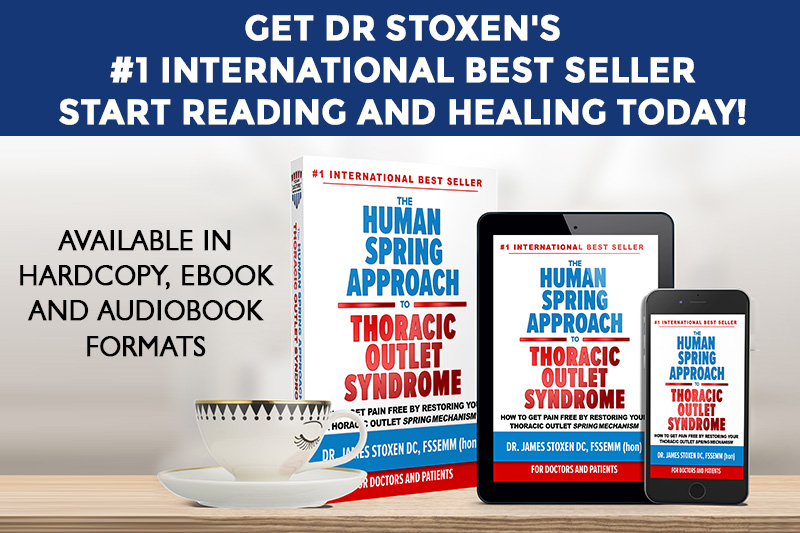
✓ Get Dr. Stoxen’s #1 International Bestselling Books
Learn how to understand, examine, and reverse your TOS—without surgery.
https://drstoxen.com/1-international-best-selling-author/
✓ Check out Team Doctors Online Courses
Step-by-step video lessons, demonstrations, and self-treatment strategies.
https://teamdoctorsacademy.com/
✓ Schedule a Free Phone Consultation With Dr. Stoxen
Speak directly with him so he can review your case and guide you on your next steps.
https://drstoxen.com/appointment/
#ThoracicOutletSyndrome #ChronicFatigue #LowEnergy #BrainFog #BurnoutRecovery #SystemicPain #WholeBodyHealth #EnergyRestoration #NervousSystemHealth #Inflammation #StressRecovery #HealingTheBody #HealthReset #RecoveryMode #Wellbeing
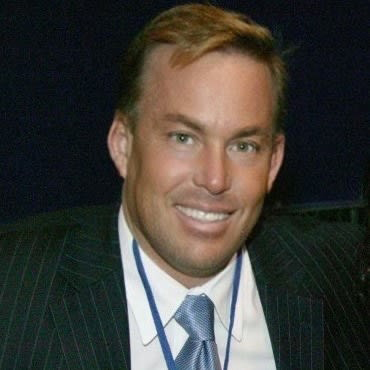
Dr James Stoxen DC., FSSEMM (hon) He is the president of Team Doctors®, Treatment and Training Center Chicago, one of the most recognized treatment centers in the world.
Dr Stoxen is a #1 International Bestselling Author of the book, The Human Spring Approach to Thoracic Outlet Syndrome. He has lectured at more than 20 medical conferences on his Human Spring Approach to Thoracic Outlet Syndrome and asked to publish his research on this approach to treating thoracic outlet syndrome in over 30 peer review medical journals.
He has been asked to submit his other research on the human spring approach to treatment, training and prevention in over 150 peer review medical journals. He serves as the Editor-in-Chief, Journal of Orthopedic Science and Research, Executive Editor or the Journal of Trauma and Acute Care, Chief Editor, Advances in Orthopedics and Sports Medicine Journal and editorial board for over 35 peer review medical journals.
He is a much sought-after speaker. He has given over 1000 live presentations and lectured at over 70 medical conferences to over 50,000 doctors in more than 20 countries. He has been invited to speak at over 300 medical conferences which includes invitations as the keynote speaker at over 50 medical conferences.
After his groundbreaking lecture on the Integrated Spring-Mass Model at the World Congress of Sports and Exercise Medicine he was presented with an Honorary Fellowship Award by a member of the royal family, the Sultan of Pahang, for his distinguished research and contributions to the advancement of Sports and Exercise Medicine on an International level. He was inducted into the National Fitness Hall of Fame in 2008 and the Personal Trainers Hall of Fame in 2012.
Dr Stoxen has a big reputation in the entertainment industry working as a doctor for over 150 tours of elite entertainers, caring for over 1000 top celebrity entertainers and their handlers. Anthony Field or the popular children’s entertainment group, The Wiggles, wrote a book, How I Got My Wiggle Back detailing his struggles with chronic pain and clinical depression he struggled with for years. Dr Stoxen is proud to be able to assist him.
Full Bio) Dr Stoxen can be reached directly at teamdoctors@aol.com