Why So Many Thoracic Outlet Syndrome Patients Are Sent for Surgery
In my clinical experience, one of the most misunderstood aspects of Thoracic Outlet Syndrome is why such a high number of individuals are ultimately recommended for first rib resection and scalenectomy. Many patients assume this recommendation means surgery is unavoidable. In reality, operative intervention is appropriate only in specific circumstances, yet it is increasingly suggested even when those criteria are not met.
After reviewing more than 2,300 scientific citations, clinical papers, and medical texts, it is clear that there are legitimate reasons for thoracic outlet surgery. However, it is equally clear that many surgeries occur not because they are medically necessary, but because conservative care failed—or was never properly designed in the first place.
The most common reason patients undergo Thoracic Outlet Syndrome surgery is the failure of physical therapy. This does not mean therapy was ineffective by nature. It often means the approach did not address the true drivers of compression. Generic strengthening programs, isolated stretching, or symptom-based treatment rarely resolve biomechanical compression within the thoracic outlet.
When muscle guarding, postural collapse, rib elevation, and inflammatory reflexes are not addressed, symptoms persist. Over time, both patients and providers become frustrated. At that point, surgery becomes the default option rather than the correct next step. This pattern is one of the leading contributors to unnecessary first rib resection.
Another valid indication for surgery involves the venous system. In cases of severe compression of the subclavian vein, blood flow out of the arm may be restricted enough to cause clot formation. This presentation, known as Paget-Schroetter syndrome, represents true venous TOS and may warrant surgical consideration when obstruction persists.
What many patients are never told is that venous involvement does not automatically mandate surgery. In my clinical observations, numerous individuals with prior subclavian vein thrombosis, including those who experienced pulmonary emboli, have recovered fully without surgical intervention. By restoring thoracic outlet mechanics and reducing soft-tissue compression, blood flow normalized and symptoms resolved.
The problem arises when surgery is recommended for reasons that do not meet historical or anatomical criteria. Today, increasing numbers of patients with mild neurogenic TOS, nonspecific tingling, postural fatigue, or chronic pain without vascular compromise are told that surgery is their next step. Historically, these presentations were never considered surgical conditions.
Decades ago, first rib resection was reserved almost exclusively for severe venous obstruction or clear arterial injury. Now, individuals with no evidence of vascular compromise are frequently advised to undergo irreversible procedures. This shift reflects changes in clinical thresholds rather than changes in pathology.
There are legitimate scenarios where surgery may be necessary. Persistent venous obstruction that does not improve, true arterial TOS with aneurysm formation, embolic risk, or limb-threatening ischemia may require operative management. In rare cases, progressive neurologic deficit with objective loss of function that fails to improve may also be considered.
Outside of these categories, most patients benefit from exhausting non-surgical strategies. Addressing muscle guarding, improving shoulder mechanics, normalizing rib motion, and reducing chronic inflammation often opens the thoracic outlet without removing anatomy. These approaches focus on function rather than destruction.
Many individuals describe returning to symptom-free lives even after serious vascular findings once soft-tissue compression is resolved. This challenges the assumption that surgery is the inevitable endpoint. Instead, it highlights how frequently the thoracic outlet is narrowed by dynamic factors rather than fixed structural abnormalities.
Another driver of surgical overuse is the misunderstanding of pain persistence. Chronic symptoms are often labeled as intractable pain, leading clinicians to escalate care. In reality, persistent pain frequently reflects unresolved mechanical stress and neural sensitization rather than irreversible damage.
When conservative care is poorly designed or prematurely abandoned, surgery fills the gap. This does not mean surgery was required; it means the correct care was never delivered. This distinction is critical for patient decision-making.
Thoracic Outlet Syndrome behaves dynamically. Symptoms change with posture, fatigue, breathing patterns, and activity. Static imaging rarely captures this behavior. When decisions are made without evaluating movement and mechanics, the risk of thoracic outlet surgery being overrecommended increases substantially.
Understanding why surgery is suggested empowers patients. It allows them to ask whether the recommendation is based on true vascular compromise, objective neurologic loss, or simply failed symptom management. These distinctions matter because once ribs and muscles are removed, they cannot be replaced.
Surgery has a role in Thoracic Outlet Syndrome. But it should be reserved for clearly defined indications—not used as a solution when conservative care fails to address the real problem. When the true source of compression is identified and treated appropriately, many patients avoid invasive procedures and regain full function.
Informed decisions begin with understanding why surgery is recommended—and whether it is truly necessary.
Team Doctors Resources
✓ Check out the Team Doctors Recovery Tools
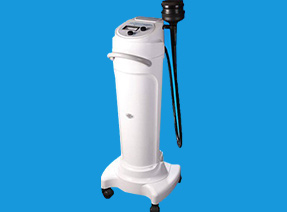
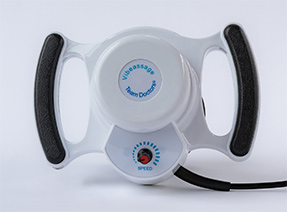
The Vibeassage® Sport and the Vibeassage® Pro featuring the TDX3 soft-as-the-hand Biomimetic Applicator Pad
https://www.teamdoctors.com/
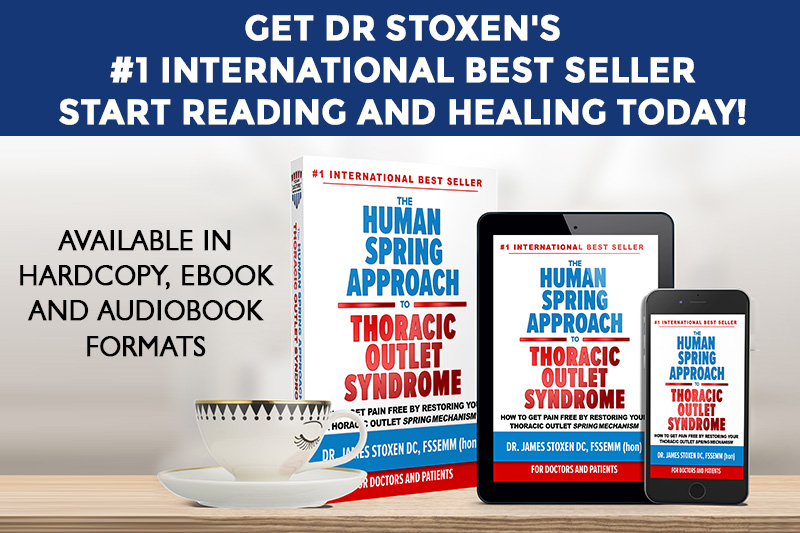
✓ Get Dr. Stoxen’s #1 International Bestselling Books
Learn how to understand, examine, and reverse your TOS—without surgery.
https://drstoxen.com/1-international-best-selling-author/
✓ Check out Team Doctors Online Courses
Step-by-step video lessons, demonstrations, and self-treatment strategies.
https://teamdoctorsacademy.com/
✓ Schedule a Free Phone Consultation With Dr. Stoxen
Speak directly with him so he can review your case and guide you on your next steps.
https://drstoxen.com/appointment/
#ThoracicOutletSyndrome #TOSSurgery #FirstRibResection #Scalenectomy #VenousTOS #ArterialTOS #NeurogenicTOS #Misdiagnosis #BiomechanicalCompression #MuscleGuarding #VascularCompression #ChronicPain #InformedConsent #SecondOpinion #NonSurgicalCare #TeamDoctors #DrStoxen #PatientEducation #HealthcareDecisions #TOSAwareness
References
- Illig, K. A., et al. “Thoracic Outlet Syndrome.” Journal of Vascular Surgery, 2010.
- Sanders, R. J., and Hammond, S. L. “Thoracic Outlet Syndrome: A Review.” Neurologic Clinics, 2009.
- Urschel, H. C., and Razzuk, M. A. “Paget-Schroetter Syndrome.” Annals of Thoracic Surgery, 2000.
- Butler, D. S., and Moseley, G. L. Explain Pain. Noigroup Publications, 2013.

Dr James Stoxen DC., FSSEMM (hon) He is the president of Team Doctors®, Treatment and Training Center Chicago, one of the most recognized treatment centers in the world.
Dr Stoxen is a #1 International Bestselling Author of the book, The Human Spring Approach to Thoracic Outlet Syndrome. He has lectured at more than 20 medical conferences on his Human Spring Approach to Thoracic Outlet Syndrome and asked to publish his research on this approach to treating thoracic outlet syndrome in over 30 peer review medical journals.
He has been asked to submit his other research on the human spring approach to treatment, training and prevention in over 150 peer review medical journals. He serves as the Editor-in-Chief, Journal of Orthopedic Science and Research, Executive Editor or the Journal of Trauma and Acute Care, Chief Editor, Advances in Orthopedics and Sports Medicine Journal and editorial board for over 35 peer review medical journals.
He is a much sought-after speaker. He has given over 1000 live presentations and lectured at over 70 medical conferences to over 50,000 doctors in more than 20 countries. He has been invited to speak at over 300 medical conferences which includes invitations as the keynote speaker at over 50 medical conferences.
After his groundbreaking lecture on the Integrated Spring-Mass Model at the World Congress of Sports and Exercise Medicine he was presented with an Honorary Fellowship Award by a member of the royal family, the Sultan of Pahang, for his distinguished research and contributions to the advancement of Sports and Exercise Medicine on an International level. He was inducted into the National Fitness Hall of Fame in 2008 and the Personal Trainers Hall of Fame in 2012.
Dr Stoxen has a big reputation in the entertainment industry working as a doctor for over 150 tours of elite entertainers, caring for over 1000 top celebrity entertainers and their handlers. Anthony Field or the popular children’s entertainment group, The Wiggles, wrote a book, How I Got My Wiggle Back detailing his struggles with chronic pain and clinical depression he struggled with for years. Dr Stoxen is proud to be able to assist him.
Full Bio) Dr Stoxen can be reached directly at teamdoctors@aol.com