Why This Common Stretch Causes Trouble
Many people try stretching their necks to ease tightness or nerve irritation. One of the most common movements is the side-bending stretch, where you pull your head toward your shoulder. It seems simple, but for people with a narrowed thoracic outlet, this motion can make symptoms worse.
This stretch pulls on the scalene muscles, which attach to the first rib. These muscles sit right next to the nerves, arteries, and veins that travel through the outlet into the arm. When they tighten, pull, or react, they can lift the rib upward, reducing the space in the outlet.
What Happens Inside the Thoracic Outlet
When you bend your neck to the side, the scalenes stretch and create tension on the first rib. That tension can raise the rib upward and decrease the space inside the thoracic outlet. Research shows that rib and clavicle position changes can reduce the cross-sectional area around nerves and blood vessels ([Study 1]).
If your outlet is already sensitive, this motion can increase compression. Many people report tingling, numbness, heavy arms, or burning sensations after trying this stretch. These reactions happen because the area is already under pressure.
Why Veins and Nerves React
The veins under the first rib are especially sensitive to changes in space. Studies show that venous flow can be affected by how the ribs and neck are positioned ([Study 2]). If the outlet narrows, blood flow may slow, leading to swelling or heaviness.
The nerves can also react strongly. When the scalenes tighten, the nerves that run beside them can become irritated. This may lead to tingling, numb fingers, or weakness during or after the stretch. Many people think this means they need to stretch more, but the opposite is often true.
Why It Feels Good During the Stretch—but Worse Later
Patients often describe the same experience:
• The stretch feels like a “good pull” at first.
• A few minutes later, symptoms increase.
• Hours later, flare-ups become stronger.
This happens because the movement pulls tissues in a way that increases compression. It may feel like a release at first, but the rebound tightness and nerve irritation show up later.
Why This Stretch Became Popular
The side-bend stretch is common in fitness routines and widely shared online. But most guides do not consider the relationship between the scalenes and the first rib. They don’t explain how pulling on these muscles can shrink the thoracic outlet.
This means people with compression can end up doing stretches that directly aggravate the problem.
What Helps Instead
Instead of side-bending the neck, many people do better with gentler options that reduce tension without closing the outlet. Soft-tissue approaches such as Massage Therapy, Physical Therapy, Chiropractic Treatment, and Acupuncture can help calm the scalenes and improve movement.
Targeted programs like Thoracic Outlet Syndrome Physical Therapy or TOS Physical Therapy focus on breathing, posture, rib motion, and shoulder alignment rather than aggressive stretching. These approaches aim to open space instead of closing it.
Gentle home programs such as TOS Exercises, TOS Stretches, or guided Exercises for Thoracic Outlet Syndrome can also help reduce symptoms without stressing the outlet.
People who respond well to hands-on work may benefit from Thoracic Outlet Syndrome Massage, Myofascial Release for Thoracic Outlet Syndrome, and soft tissue-focused care such as Chiropractic for Thoracic Outlet Syndrome or Acupuncture for Thoracic Outlet Syndrome.
For movement-based relief, many find success using Exercises to Relieve Thoracic Outlet Syndrome, Thoracic Outlet Syndrome Exercises, or slow, guided routines designed to reduce compression while improving mobility.
Listening to the Body
If a stretch increases your symptoms, that is useful information. The body is signaling that the motion is closing the outlet or pulling on sensitive structures. Many people find better results when they switch to movements that open the outlet instead of narrowing it.
If you are unsure which movements help and which harm, getting guidance can help you understand your anatomy and the best approach for your situation.
Team Doctors Resources
✓ Check out the Team Doctors Recovery Tools
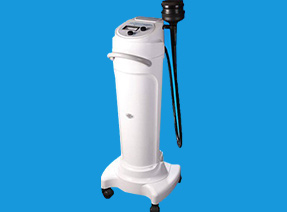
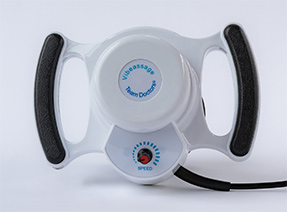
The Vibeassage Sport and the Vibeassage Pro featuring the TDX3 soft-as-the-hand Biomimetic Applicator Pad
https://www.teamdoctors.com
✓ Get Dr. Stoxen’s #1 International Bestselling Books
Learn how to understand, examine, and reverse your TOS—without surgery.
https://drstoxen.com/1-international-best-selling-author
✓ Check out Team Doctors Online Courses
Step-by-step video lessons, demonstrations, and self-treatment strategies.
https://teamdoctorsacademy.com
✓ Schedule a Free Phone Consultation With Dr. Stoxen
Speak directly with him so he can review your case and guide you on your next steps.
https://drstoxen.com/appointment
#ThoracicOutletSyndrome #TOS #NeckPain #ScaleneMuscles #FirstRib #NerveCompression #VeinCompression #PostureTips #ChronicPainRelief #SoftTissueTherapy #BodyMechanics #SelfCare #PainScience #UpperBodyPain #ThoracicOutlet #NeckHealth #ManualTherapy #MovementMatters #RecoveryTips #UnderstandingPain

Dr James Stoxen DC., FSSEMM (hon) He is the president of Team Doctors®, Treatment and Training Center Chicago, one of the most recognized treatment centers in the world.
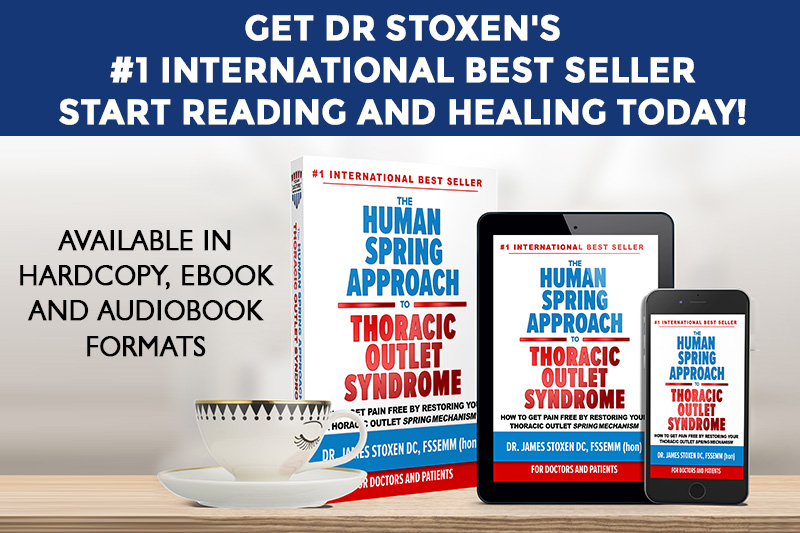
Dr Stoxen is a #1 International Bestselling Author of the book, The Human Spring Approach to Thoracic Outlet Syndrome. He has lectured at more than 20 medical conferences on his Human Spring Approach to Thoracic Outlet Syndrome and asked to publish his research on this approach to treating thoracic outlet syndrome in over 30 peer review medical journals.
He has been asked to submit his other research on the human spring approach to treatment, training and prevention in over 150 peer review medical journals. He serves as the Editor-in-Chief, Journal of Orthopedic Science and Research, Executive Editor or the Journal of Trauma and Acute Care, Chief Editor, Advances in Orthopedics and Sports Medicine Journal and editorial board for over 35 peer review medical journals.
He is a much sought-after speaker. He has given over 1000 live presentations and lectured at over 70 medical conferences to over 50,000 doctors in more than 20 countries. He has been invited to speak at over 300 medical conferences which includes invitations as the keynote speaker at over 50 medical conferences.
After his groundbreaking lecture on the Integrated Spring-Mass Model at the World Congress of Sports and Exercise Medicine he was presented with an Honorary Fellowship Award by a member of the royal family, the Sultan of Pahang, for his distinguished research and contributions to the advancement of Sports and Exercise Medicine on an International level. He was inducted into the National Fitness Hall of Fame in 2008 and the Personal Trainers Hall of Fame in 2012.
Dr Stoxen has a big reputation in the entertainment industry working as a doctor for over 150 tours of elite entertainers, caring for over 1000 top celebrity entertainers and their handlers. Anthony Field or the popular children’s entertainment group, The Wiggles, wrote a book, How I Got My Wiggle Back detailing his struggles with chronic pain and clinical depression he struggled with for years. Dr Stoxen is proud to be able to assist him.
Full Bio) Dr Stoxen can be reached directly at teamdoctors@aol.com