Why Short Treatment Sessions Rarely Resolve Thoracic Outlet Syndrome
Many individuals with Thoracic Outlet Syndrome spend years moving from one practitioner to another, trying every available therapy and wondering why nothing produces lasting change. In my clinical experience, the problem is rarely a lack of effort or commitment. The missing link is understanding how much inflammation, muscle guarding, and protective contraction are actually present—and how long it realistically takes to clear them.
When this patient arrived for evaluation, the first step was not treatment but assessment. A detailed three-hour examination was performed, reviewing every muscle involved in the thoracic outlet and surrounding anatomy. The goal was not simply to confirm the diagnosis, but to determine exactly which tissues were inflamed, how severe that inflammation was, and how much physical “real estate” needed to be addressed.
This process is part of a method I call inflammation mapping. It is a systematic, inch-by-inch evaluation using a calibrated 1” × 1” thumb pressure to document inflammation throughout the region. Each point is assessed consistently, allowing patterns to emerge rather than relying on assumptions or isolated findings.
Inflammation is the primary driver of muscle guarding in Thoracic Outlet Syndrome. When nerves detect irritation in the tissues, they send signals to the spinal cord. The spinal cord responds by increasing muscle contraction to brace and protect the area. This reflex is helpful when you sprain an ankle or strain a muscle. But in the thoracic outlet, it becomes destructive.
Protective contractions in this region do not simply stiffen tissue. They twist the shoulder girdle, elevate ribs, and collapse the tunnel that carries the artery, vein, and nerves into the arm. The more inflammation present, the stronger the guarding reflex becomes. As guarding intensifies, compression worsens—and symptoms escalate.
This creates a self-perpetuating cycle. Inflammation increases guarding. Guarding increases compression. Compression sustains inflammation. Unless this cycle is interrupted at scale, progress remains limited.
By documenting how many inches of inflamed tissue are present, it becomes possible to estimate the true scope of work required. Each inch corresponds to a pressure point. Each pressure point takes time to normalize. From there, total treatment hours can be calculated rather than guessed.
In the average Thoracic Outlet Syndrome case, inflammation mapping reveals approximately 55 to 60 inches of involved tissue. When treated thoroughly, these cases typically require 24 to 30 hours of focused deep-tissue work to achieve meaningful change. More complex presentations, such as forearm compartment syndromes that mimic TOS, may involve 70 inches or more and require even greater treatment volume.
This reality explains why short sessions fail—not because the technique is wrong, but because the dosage is insufficient.
A simple analogy helps illustrate the problem. Imagine a town where every driveway is 15 feet wide and takes 30 minutes to plow. Practitioners become accustomed to half-hour appointments. Then a 10-acre Walmart parking lot appears. If the same plow company insists they can clear it in 30 minutes because that is their standard appointment length, the outcome is predictable.
Yet this is exactly what many patients experience. They receive 15- or 20-minute deep-tissue sessions for a condition that involves dozens of inches of inflamed tissue. No matter how skilled the practitioner, the volume of work cannot outpace reinflammation from daily activity.
Modern posture habits have intensified this problem. Prolonged smartphone use, gaming, and hours of device-focused neck flexion have dramatically increased the inflammatory burden seen in thoracic outlet cases compared to 10 or 15 years ago. Many individuals are not failing treatment—they simply need far more time than traditional session models allow.
Short sessions may reduce symptoms temporarily, but they rarely clear enough inflammation to shut down the guarding reflex. As a result, patients leave feeling slightly better, only to return to baseline days later. Over time, this creates the false impression that deep tissue or manual approaches “don’t work.”
In reality, the body was never given enough input to change.
When patients finally receive treatment at the correct scale, the difference is dramatic. Muscles soften instead of rebounding. Posture unwinds naturally rather than being forced. Nerve tension decreases. Blood flow improves. These changes often occur faster than patients expect—not because the body suddenly cooperates, but because it finally had the opportunity to do so.
Understanding the true scale of inflammation is often the turning point for people who feel they have tried everything without relief. It reframes past failures and replaces frustration with clarity. The issue was not resistance. It was underdosing.
Thoracic Outlet Syndrome is not a driveway-sized problem for most patients. It is a parking-lot-sized problem. Once treatment volume matches reality, progress becomes logical, measurable, and sustainable.
Team Doctors Resources
✓ Check out the Team Doctors Recovery Tools
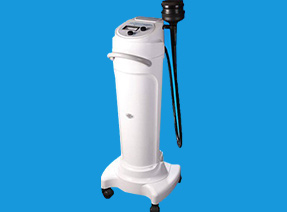
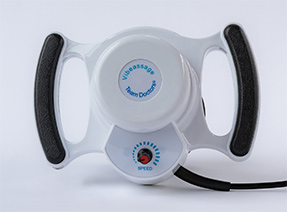
The Vibeassage® Sport and the Vibeassage® Pro featuring the TDX3 soft-as-the-hand Biomimetic Applicator Pad
https://www.teamdoctors.com/
✓ Get Dr. Stoxen’s #1 International Bestselling Books
Learn how to understand, examine, and reverse your TOS—without surgery.
https://drstoxen.com/1-international-best-selling-author/
✓ Check out Team Doctors Online Courses
Step-by-step video lessons, demonstrations, and self-treatment strategies.
https://teamdoctorsacademy.com/
✓ Schedule a Free Phone Consultation With Dr. Stoxen
Speak directly with him so he can review your case and guide you on your next steps.
https://drstoxen.com/appointment/
#ThoracicOutletSyndrome #TOS #ChronicPain #InflammationMapping #MuscleGuarding #DeepTissueTherapy #WhatWorks #TreatmentDosage #Biomechanics #NerveCompression #VascularCompression #PostureMatters #ChronicInflammation #PatientEducation #TOSRecovery #TeamDoctors #DrStoxen #ManualTherapy #PainScience #UpperExtremityPain
References
- Illig, K. A., et al. “Thoracic Outlet Syndrome.” Journal of Vascular Surgery, 2010.
- Sanders, R. J., and Hammond, S. L. “Thoracic Outlet Syndrome: A Review.” Neurologic Clinics, 2009.
- Lund, J. P., et al. “The Pain Adaptation Model.” Pain, 1991.
- Shacklock, M. Clinical Neurodynamics. Elsevier, 2005.

Dr James Stoxen DC., FSSEMM (hon) He is the president of Team Doctors®, Treatment and Training Center Chicago, one of the most recognized treatment centers in the world.
Dr Stoxen is a #1 International Bestselling Author of the book, The Human Spring Approach to Thoracic Outlet Syndrome. He has lectured at more than 20 medical conferences on his Human Spring Approach to Thoracic Outlet Syndrome and asked to publish his research on this approach to treating thoracic outlet syndrome in over 30 peer review medical journals.
He has been asked to submit his other research on the human spring approach to treatment, training and prevention in over 150 peer review medical journals. He serves as the Editor-in-Chief, Journal of Orthopedic Science and Research, Executive Editor or the Journal of Trauma and Acute Care, Chief Editor, Advances in Orthopedics and Sports Medicine Journal and editorial board for over 35 peer review medical journals.
He is a much sought-after speaker. He has given over 1000 live presentations and lectured at over 70 medical conferences to over 50,000 doctors in more than 20 countries. He has been invited to speak at over 300 medical conferences which includes invitations as the keynote speaker at over 50 medical conferences.
After his groundbreaking lecture on the Integrated Spring-Mass Model at the World Congress of Sports and Exercise Medicine he was presented with an Honorary Fellowship Award by a member of the royal family, the Sultan of Pahang, for his distinguished research and contributions to the advancement of Sports and Exercise Medicine on an International level. He was inducted into the National Fitness Hall of Fame in 2008 and the Personal Trainers Hall of Fame in 2012.
Dr Stoxen has a big reputation in the entertainment industry working as a doctor for over 150 tours of elite entertainers, caring for over 1000 top celebrity entertainers and their handlers. Anthony Field or the popular children’s entertainment group, The Wiggles, wrote a book, How I Got My Wiggle Back detailing his struggles with chronic pain and clinical depression he struggled with for years. Dr Stoxen is proud to be able to assist him.
Full Bio) Dr Stoxen can be reached directly at teamdoctors@aol.com