Why Most Thoracic Outlet Syndrome Treatments Fail to Stop Compression
In my clinical experience, one of the most misunderstood aspects of Thoracic Outlet Syndrome is why so many individuals fail to improve despite trying nearly every available treatment. When patients search the medical literature, they often discover that more than a dozen treatment options are described. Medications, injections, therapy, exercise, and ergonomic changes are all commonly recommended. Yet many people remain symptomatic for years.
This raises an important question: if so many treatments exist, why do symptoms persist?
A review of the medical literature reveals at least sixteen commonly discussed approaches to managing Thoracic Outlet Syndrome. These include medications, non-steroidal anti-inflammatory drugs, painkillers, scalene injections, Botox injections, stretching, traction, nerve gliding, ultrasound, muscle stimulation, massage, chiropractic adjustments, exercise, strengthening, ergonomic workstation corrections, and even supportive bras designed to alter shoulder load in women.
Each of these approaches aims to influence symptoms in some way. Some reduce pain perception. Others attempt to relax muscles temporarily or improve posture. A few are designed to increase strength or flexibility. However, none of these interventions consistently address the core mechanism that physically compresses the thoracic outlet.
The central issue in many chronic cases is muscle-driven compression. Sustained muscle tension can pull bones, ribs, and soft tissues inward, narrowing the thoracic outlet and compressing nerves and blood vessels. Unless this tension is shut off at its source, the mechanical problem remains.
Medications may reduce pain signals, but they do not stop muscles from contracting. Scalene injections or Botox may weaken muscles temporarily, but they do not eliminate the reflex that caused the contraction in the first place. When the medication wears off, the guarding returns.
Stretching and traction often feel helpful in the moment, yet their effects are short-lived. Muscles that are contracting protectively resist lengthening. Once the stretch ends, the nervous system reasserts control. This is why many individuals describe brief relief followed by rapid symptom return.
Nerve gliding techniques are frequently prescribed to improve neural mobility. While these movements may reduce sensitivity temporarily, they do not remove the compressive forces acting on the nerve if muscle tension remains high.
Modalities such as ultrasound therapy and muscle stimulation can increase circulation or create temporary relaxation. However, they do not penetrate deeply enough to resolve chronic inflammatory signaling that drives sustained contraction.
Massage therapy can reduce surface tension and provide short-term comfort. Yet deep protective guarding, especially in muscles like the scalenes and pectoralis minor, often returns once the session ends. The nervous system resumes bracing because the underlying trigger has not been removed.
Exercise and strengthening are often recommended to “support” posture. While strength is important, adding load to an inflamed and guarded system can worsen symptoms. Muscles already under constant tension fatigue faster, generating more inflammation and reinforcing the cycle.
Even ergonomic corrections—better chairs, desk height adjustments, or keyboard positioning—rarely solve the problem on their own. They reduce strain but do not shut off the reflexive muscle guarding that has already been established.
This is why many patients feel like they have tried everything. Each treatment targets a piece of the problem, but none of them independently silence the mechanism that squeezes the thoracic outlet.
The missing link is the inflammation–guarding reflex. Chronic inflammation alters tissue chemistry. Sensory nerves detect this change and signal danger. The spinal cord responds by contracting muscles to stabilize the region. This reflex is automatic and powerful.
As long as inflammation persists, the spinal cord continues sending contraction signals. Muscles remain tight. Ribs stay elevated or pulled inward. The thoracic outlet remains narrowed. Symptoms persist regardless of how many surface-level treatments are applied.
This explains why treatments often appear to “fail.” They are not ineffective; they are incomplete. They do not address the trigger that keeps the system locked.
When patients ask which of the sixteen treatments actually shuts off the muscle tension that pulls structures into the thoracic outlet by itself, the honest answer is none of them—at least not consistently or permanently.
This does not mean these therapies have no value. Many play supportive roles. Pain relief, temporary relaxation, and improved mobility can all be helpful. However, without resolving the inflammatory reflex that drives guarding, these benefits rarely last.
Understanding this shifts expectations. It explains why improvement may stall despite effort and compliance. It also clarifies why some individuals are eventually told surgery is their only option. The system remains compressed, not because care failed, but because the correct mechanism was never addressed.
Thoracic Outlet Syndrome is not simply tight muscles or weak posture. It is a neurologically driven compression problem fueled by inflammation. Until that signal is quieted, the body continues to brace.
When patients understand this, frustration often gives way to clarity. They realize they were not “doing it wrong.” They were missing a critical piece of the puzzle.
Effective progress begins when care is designed to reduce inflammation deeply enough to shut off guarding. Once the reflex releases, muscles soften, bones settle, and the thoracic outlet opens without force.
Without that step, even the most comprehensive treatment list remains incomplete.
Team Doctors Resources
✓ Check out the Team Doctors Recovery Tools
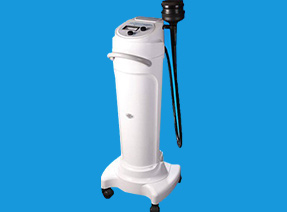
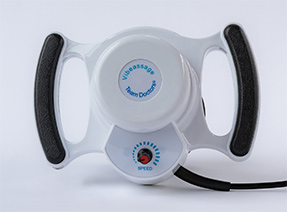
The Vibeassage® Sport and the Vibeassage® Pro featuring the TDX3 soft-as-the-hand Biomimetic Applicator Pad
https://www.teamdoctors.com/
✓ Get Dr. Stoxen’s #1 International Bestselling Books
Learn how to understand, examine, and reverse your TOS—without surgery.
https://drstoxen.com/1-international-best-selling-author/
✓ Check out Team Doctors Online Courses
Step-by-step video lessons, demonstrations, and self-treatment strategies.
https://teamdoctorsacademy.com/
✓ Schedule a Free Phone Consultation With Dr. Stoxen
Speak directly with him so he can review your case and guide you on your next steps.
https://drstoxen.com/appointment/
#ThoracicOutletSyndrome #TOS #WhatDoesntWork #ChronicPain #MuscleGuarding #BiomechanicalCompression #NerveCompression #VascularCompression #InflammationLoop #FailedTherapy #PainScience #PatientEducation #NonSurgicalCare #HealthcareAwareness #TOSRecovery #TeamDoctors #DrStoxen #ChronicInflammation #MovementScience #TOSAwareness
References
- Illig, K. A., et al. “Thoracic Outlet Syndrome.” Journal of Vascular Surgery, 2010.
- Sanders, R. J., and Hammond, S. L. “Thoracic Outlet Syndrome: A Review.” Neurologic Clinics, 2009.
- Lund, J. P., et al. “The Pain Adaptation Model.” Pain, 1991.
- Shacklock, M. Clinical Neurodynamics. Elsevier, 2005.

Dr James Stoxen DC., FSSEMM (hon) He is the president of Team Doctors®, Treatment and Training Center Chicago, one of the most recognized treatment centers in the world.
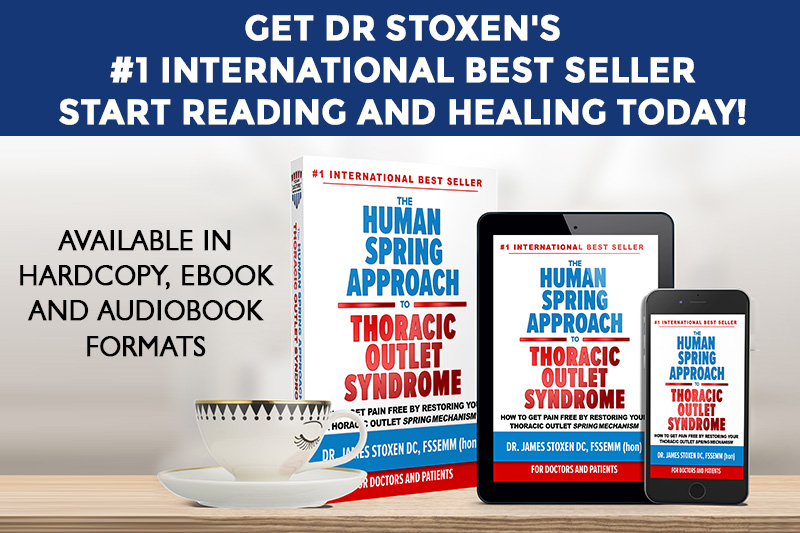
Dr Stoxen is a #1 International Bestselling Author of the book, The Human Spring Approach to Thoracic Outlet Syndrome. He has lectured at more than 20 medical conferences on his Human Spring Approach to Thoracic Outlet Syndrome and asked to publish his research on this approach to treating thoracic outlet syndrome in over 30 peer review medical journals.
He has been asked to submit his other research on the human spring approach to treatment, training and prevention in over 150 peer review medical journals. He serves as the Editor-in-Chief, Journal of Orthopedic Science and Research, Executive Editor or the Journal of Trauma and Acute Care, Chief Editor, Advances in Orthopedics and Sports Medicine Journal and editorial board for over 35 peer review medical journals.
He is a much sought-after speaker. He has given over 1000 live presentations and lectured at over 70 medical conferences to over 50,000 doctors in more than 20 countries. He has been invited to speak at over 300 medical conferences which includes invitations as the keynote speaker at over 50 medical conferences.
After his groundbreaking lecture on the Integrated Spring-Mass Model at the World Congress of Sports and Exercise Medicine he was presented with an Honorary Fellowship Award by a member of the royal family, the Sultan of Pahang, for his distinguished research and contributions to the advancement of Sports and Exercise Medicine on an International level. He was inducted into the National Fitness Hall of Fame in 2008 and the Personal Trainers Hall of Fame in 2012.
Dr Stoxen has a big reputation in the entertainment industry working as a doctor for over 150 tours of elite entertainers, caring for over 1000 top celebrity entertainers and their handlers. Anthony Field or the popular children’s entertainment group, The Wiggles, wrote a book, How I Got My Wiggle Back detailing his struggles with chronic pain and clinical depression he struggled with for years. Dr Stoxen is proud to be able to assist him.
Full Bio) Dr Stoxen can be reached directly at teamdoctors@aol.com