Why Insurance-Based Thoracic Outlet Syndrome Treatment Often Fails
In my clinical experience, one of the most common frustrations expressed by individuals with Thoracic Outlet Syndrome is that symptoms return despite months of therapy, injections, medications, stretching, or traction. Many patients blame themselves. In reality, the problem is rarely patient compliance. It is the structure of insurance-based care.
Most insurance-driven treatment models limit hands-on care to 30–45 minutes per session. That time constraint fundamentally conflicts with the anatomical reality of Thoracic Outlet Syndrome. TOS is not a single-muscle problem. It is a multi-layered compression pattern involving the neck, shoulder, chest, and upper arm.
To decompress the outlet fully, every involved muscle must be addressed. This includes the scalene muscles, pectoralis minor, subclavius, upper trapezius, levator scapulae, deep cervical rotators, intercostals, and accessory stabilizers surrounding the outlet. In severe cases, inflammation extends well beyond these structures.
In my clinical observation, clearing compression from the thoracic outlet anatomy often requires 90 minutes to three hours of focused deep-tissue work in a single session. There is no realistic way to address all involved tissues in half an hour.
When treatment time is restricted, only a few muscles are worked. The remaining tissues stay inflamed. As soon as the patient returns to daily activity, the outlet re-compresses. Symptoms recur. Patients lose hope and assume nothing works.
This is not a failure of technique. It is a failure of dosage.
A critical but rarely explained issue is what happens to inflammation during deep tissue work. When deep tissue therapy is performed correctly, inflammatory fluid, metabolic waste, and lactic acid are pushed out of the muscle fibers into the interstitial space—the area between the skin and muscle.
At that point, the body must clear this waste through drainage systems. The lymphatic system plays a primary role, along with venous return. However, most people with severe TOS are in pain and moving very little. Circulation is slow. Drainage cannot keep up.
If inflammation is not actively moved out of the area, it seeps back into the muscles. The spinal cord senses irritation again, triggering muscle guarding and protective splinting. The thoracic outlet narrows once more. The cycle restarts.
This is why many individuals feel temporary relief after treatment, only to flare days later or feel progressively worse. Inflammation is being shifted but not evacuated.
This pattern explains why standard insurance-based care often fails. It treats a parking-lot-sized problem with driveway-level time.
In my clinical experience, a two-step approach produces far more consistent results. The first step is long-duration, high-volume deep tissue work to decompress every involved structure. This clears the outlet mechanically and reduces active guarding.
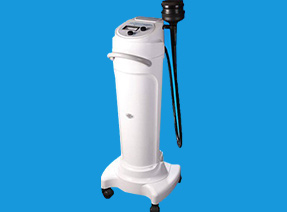
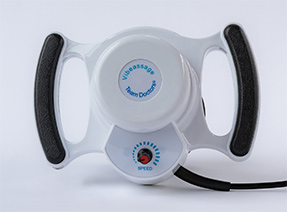
The second step is immediate powerful vibration massage using Vibeassage®. This is not a relaxation tool. The vibration is used to accelerate circulation, stimulate lymphatic drainage, and prevent inflammatory fluid from re-entering the muscles.
When performed after deep tissue release, vibration helps move waste products away from the thoracic outlet region. It supports venous return, reduces rebound swelling, and helps maintain decompression. Patients often report fewer flare-ups, faster recovery, and longer-lasting improvement.
This two-step method addresses the missing link in TOS care: where the inflammation goes after it is released.
Without this step, even excellent manual work can fail. With it, results tend to last longer because the physiological bottleneck is addressed.
This approach also explains why many patients feel worse with repeated short sessions. Inflammation is stirred repeatedly without ever being cleared in sufficient volume. Over time, the system becomes more reactive, not less.
Understanding this framework reframes failure. The patient did not fail therapy. The therapy was never delivered at the scale required by the condition.
Thoracic Outlet Syndrome is complex, layered, and cumulative. Modern posture habits, device use, and prolonged shoulder loading have dramatically increased inflammatory burden. Treatment models have not adapted.
When care is structured around anatomy rather than billing codes, outcomes change. When inflammation is released and drained effectively, the outlet stays open longer. And when dosage matches reality, progress finally makes sense.
Team Doctors Resources
✓ Check out the Team Doctors Recovery Tools
The Vibeassage® Sport and the Vibeassage® Pro featuring the TDX3 soft-as-the-hand Biomimetic Applicator Pad
https://www.teamdoctors.com/
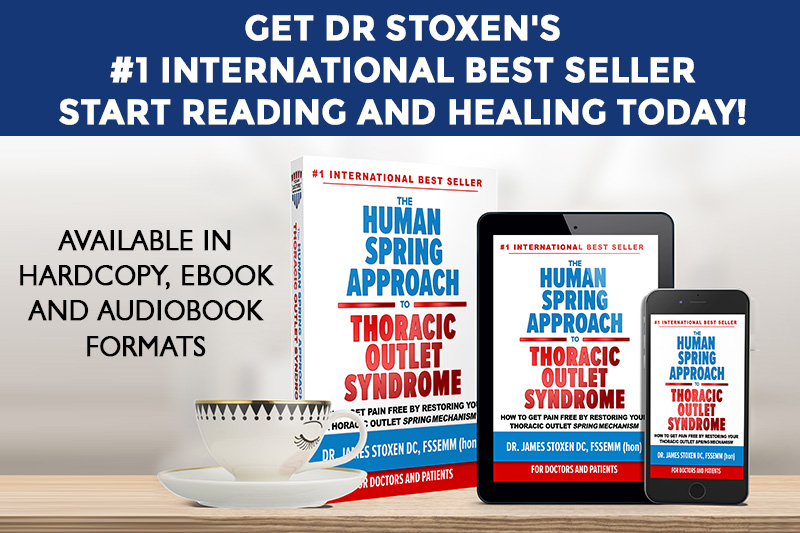
✓ Get Dr. Stoxen’s #1 International Bestselling Books
Learn how to understand, examine, and reverse your TOS—without surgery.
https://drstoxen.com/1-international-best-selling-author/
✓ Check out Team Doctors Online Courses
Step-by-step video lessons, demonstrations, and self-treatment strategies.
https://teamdoctorsacademy.com/
✓ Schedule a Free Phone Consultation With Dr. Stoxen
Speak directly with him so he can review your case and guide you on your next steps.
https://drstoxen.com/appointment/
#ThoracicOutletSyndrome #TOS #WhatWorks #WhatDoesntWork #ChronicInflammation #MuscleGuarding #DeepTissueTherapy #Vibeassage #TOSRecovery #UpperExtremityPain #NerveCompression #VascularCompression #PatientEducation #Biomechanics #ManualTherapy #HealthcareReality #TOSAwareness #ChronicPain #PostureHealth #TeamDoctors
References
- Sanders, R. J., and Hammond, S. L. “Thoracic Outlet Syndrome: A Review.” Neurologic Clinics 27, no. 2 (2009): 779–793.
- Illig, K. A., et al. “Thoracic Outlet Syndrome.” Journal of Vascular Surgery 53, no. 3 (2011): 845–852.
- Lund, J. P., et al. “The Pain Adaptation Model.” Pain 43, no. 1 (1991): 67–76.
- Novak, C. B., and Mackinnon, S. E. “Thoracic Outlet Syndrome.” Current Problems in Surgery 39, no. 11 (2002): 1070–1145.
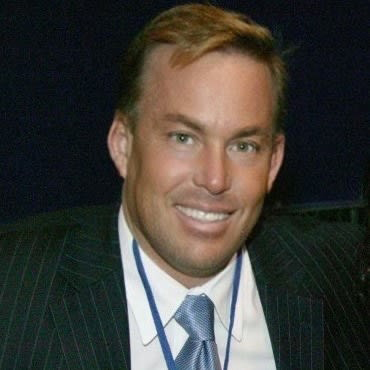
Dr James Stoxen DC., FSSEMM (hon) He is the president of Team Doctors®, Treatment and Training Center Chicago, one of the most recognized treatment centers in the world.
Dr Stoxen is a #1 International Bestselling Author of the book, The Human Spring Approach to Thoracic Outlet Syndrome. He has lectured at more than 20 medical conferences on his Human Spring Approach to Thoracic Outlet Syndrome and asked to publish his research on this approach to treating thoracic outlet syndrome in over 30 peer review medical journals.
He has been asked to submit his other research on the human spring approach to treatment, training and prevention in over 150 peer review medical journals. He serves as the Editor-in-Chief, Journal of Orthopedic Science and Research, Executive Editor or the Journal of Trauma and Acute Care, Chief Editor, Advances in Orthopedics and Sports Medicine Journal and editorial board for over 35 peer review medical journals.
He is a much sought-after speaker. He has given over 1000 live presentations and lectured at over 70 medical conferences to over 50,000 doctors in more than 20 countries. He has been invited to speak at over 300 medical conferences which includes invitations as the keynote speaker at over 50 medical conferences.
After his groundbreaking lecture on the Integrated Spring-Mass Model at the World Congress of Sports and Exercise Medicine he was presented with an Honorary Fellowship Award by a member of the royal family, the Sultan of Pahang, for his distinguished research and contributions to the advancement of Sports and Exercise Medicine on an International level. He was inducted into the National Fitness Hall of Fame in 2008 and the Personal Trainers Hall of Fame in 2012.
Dr Stoxen has a big reputation in the entertainment industry working as a doctor for over 150 tours of elite entertainers, caring for over 1000 top celebrity entertainers and their handlers. Anthony Field or the popular children’s entertainment group, The Wiggles, wrote a book, How I Got My Wiggle Back detailing his struggles with chronic pain and clinical depression he struggled with for years. Dr Stoxen is proud to be able to assist him.
Full Bio) Dr Stoxen can be reached directly at teamdoctors@aol.com