Why Imaging Alone Can Mislead Thoracic Outlet Syndrome Diagnosis
One of the most common sources of confusion in Thoracic Outlet Syndrome evaluation is the belief that imaging alone can provide definitive answers. Many patients assume that if an MRI, X-ray, or other radiologic study is “normal,” then nothing significant is wrong. In my clinical experience, this assumption often delays accurate diagnosis and leads to inappropriate next steps.
Imaging studies are static snapshots. They capture anatomy at rest, in a controlled position, usually lying down. Thoracic Outlet Syndrome, however, is primarily a dynamic condition. Symptoms often appear or worsen during movement, sustained posture, or loading of the shoulder and arm. Static images simply cannot capture these changes.
There are several critical contributors to thoracic outlet compression that imaging does not reliably show. These include elevated first rib motion, scalene muscle tightness, shortening of the pectoralis minor, and instability or malposition of the shoulder girdle. Each of these factors can narrow the outlet during movement without leaving a visible structural abnormality on a scan.
Even advanced diagnostic tests such as MRI, X-ray, or thoracic outlet–focused radiology cannot demonstrate how the body loads pressure during daily activities. They cannot show how the rib moves during breathing, how the shoulder drops during arm elevation, or how muscle guarding alters joint relationships over time.
This is why combining physical examination findings with targeted diagnostic tests produces the most accurate understanding. Movement reveals what images cannot.
A patient may have perfectly “normal” imaging and still experience severe symptoms when reaching overhead, carrying weight, or sitting with poor posture. Without observing how the body behaves under these conditions, the underlying cause of compression remains hidden.
When imaging becomes the primary decision-maker, patients are often sent for surgery too early. A scan may appear to justify an intervention, even though the true driver of symptoms is mechanical rather than structural. In these cases, surgery may address anatomy that was never the problem to begin with.
Most individuals with Thoracic Outlet Syndrome need a movement-based assessment before any major decisions are made. TOS is frequently influenced by posture, rib mobility, muscle tension, and shoulder mechanics. These factors require hands-on evaluation, not just interpretation of images.
A thorough examination allows the clinician to determine whether symptoms arise from joint restriction, rib elevation, muscle shortening, shoulder instability, or another mechanical factor. When this step is skipped, patients often receive confusing explanations, undergo repeated testing, or are told surgery is the only remaining option.
This pattern is not rare. Many patients describe having multiple scans that “don’t explain” their symptoms. The problem is not that imaging failed—it is that imaging was never designed to assess dynamic loading and movement-based compression.
Patients can play an active role in advocating for better evaluation. During appointments, asking targeted questions can shift the focus back to proper examination. Questions such as:
- “Can we check the mobility of my first rib?”
• “Can you test how my shoulder blade moves?”
• “Can we do positional exams before ordering more imaging?”
• “Can we perform the clinical tests for thoracic outlet syndrome first?”
These questions encourage a more complete assessment rather than an image-driven pathway.
Understanding how movement testing and imaging complement each other helps patients make informed choices. Imaging has value—it can rule out fractures, tumors, or major structural abnormalities. But it should support the examination, not replace it.
With the right physical exam, the right tests, and accurate interpretation, patients can finally receive clear explanations for their symptoms. Instead of being told that “nothing shows up,” they gain insight into how their body is actually functioning.
Thoracic Outlet Syndrome is not a condition that lives on a scan. It lives in movement, posture, and load. Recognizing this distinction is often the turning point that leads patients out of confusion and toward clarity.
Team Doctors Resources
✓ Check out the Team Doctors Recovery Tools
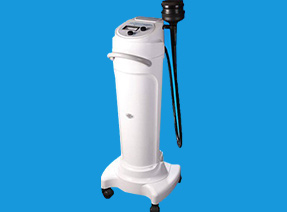
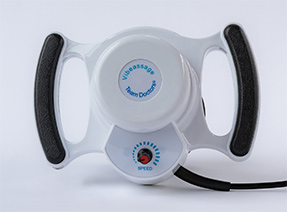
The Vibeassage® Sport and the Vibeassage® Pro featuring the TDX3 soft-as-the-hand Biomimetic Applicator Pad
https://www.teamdoctors.com/
✓ Get Dr. Stoxen’s #1 International Bestselling Books
Learn how to understand, examine, and reverse your TOS—without surgery.
https://drstoxen.com/1-international-best-selling-author/
✓ Check out Team Doctors Online Courses
Step-by-step video lessons, demonstrations, and self-treatment strategies.
https://teamdoctorsacademy.com/
✓ Schedule a Free Phone Consultation With Dr. Stoxen
Speak directly with him so he can review your case and guide you on your next steps.
https://drstoxen.com/appointment/
#ThoracicOutletSyndrome #TOS #TOSDiagnosis #DiagnosticTests #ImagingLimits #MovementBasedAssessment #Biomechanics #PostureMatters #NerveCompression #VascularCompression #WhatDoesntWork #PatientEducation #ClinicalExamination #TOSAwareness #SecondOpinion #HealthcareClarity #UpperExtremityPain #DynamicCompression #TeamDoctors #DrStoxen
References
- Sanders, R. J., and Hammond, S. L. “Thoracic Outlet Syndrome: A Review.” Neurologic Clinics, 2009.
- Illig, K. A., et al. “Thoracic Outlet Syndrome.” Journal of Vascular Surgery, 2010.
- Novak, C. B., and Mackinnon, S. E. “Thoracic Outlet Syndrome.” Current Problems in Surgery, 2002.
- Peet, R. M., et al. “Thoracic Outlet Syndrome: Evaluation of a Therapeutic Exercise Program.” Proceedings of the Staff Meetings of the Mayo Clinic, 1956.

Dr James Stoxen DC., FSSEMM (hon) He is the president of Team Doctors®, Treatment and Training Center Chicago, one of the most recognized treatment centers in the world.
Dr Stoxen is a #1 International Bestselling Author of the book, The Human Spring Approach to Thoracic Outlet Syndrome. He has lectured at more than 20 medical conferences on his Human Spring Approach to Thoracic Outlet Syndrome and asked to publish his research on this approach to treating thoracic outlet syndrome in over 30 peer review medical journals.
He has been asked to submit his other research on the human spring approach to treatment, training and prevention in over 150 peer review medical journals. He serves as the Editor-in-Chief, Journal of Orthopedic Science and Research, Executive Editor or the Journal of Trauma and Acute Care, Chief Editor, Advances in Orthopedics and Sports Medicine Journal and editorial board for over 35 peer review medical journals.
He is a much sought-after speaker. He has given over 1000 live presentations and lectured at over 70 medical conferences to over 50,000 doctors in more than 20 countries. He has been invited to speak at over 300 medical conferences which includes invitations as the keynote speaker at over 50 medical conferences.
After his groundbreaking lecture on the Integrated Spring-Mass Model at the World Congress of Sports and Exercise Medicine he was presented with an Honorary Fellowship Award by a member of the royal family, the Sultan of Pahang, for his distinguished research and contributions to the advancement of Sports and Exercise Medicine on an International level. He was inducted into the National Fitness Hall of Fame in 2008 and the Personal Trainers Hall of Fame in 2012.
Dr Stoxen has a big reputation in the entertainment industry working as a doctor for over 150 tours of elite entertainers, caring for over 1000 top celebrity entertainers and their handlers. Anthony Field or the popular children’s entertainment group, The Wiggles, wrote a book, How I Got My Wiggle Back detailing his struggles with chronic pain and clinical depression he struggled with for years. Dr Stoxen is proud to be able to assist him.
Full Bio) Dr Stoxen can be reached directly at teamdoctors@aol.com