I did not write this book because Thoracic Outlet Syndrome is rare.
I wrote it because it is commonly misunderstood, frequently misinterpreted, and repeatedly missed—especially in active individuals and athletes.
Long before I became a doctor, I lived the experience that so many patients now describe to me in my office. I was not reading about it in a textbook.
I was not reviewing it in a journal. I was living it in my own body, without answers, without a clear explanation, and without a framework that made sense.
As a young athlete, I played rugby in the hooker position, one of the most physically demanding and exposed roles on the field. During one match, the scrum collapsed.
My head was driven straight into the ground. It was raining, the field was soaked, and my face was submerged in mud and water.
With multiple players piled on top of me, I remember the sensation of not being able to breathe, of being pinned, and of panic setting in.
Then I felt—and heard—a loud crack in my back.
That moment marked the beginning of a long and difficult chapter in my life. I fractured three ribs in the back of my rib cage, but the fractures were only the most visible part of the injury.
What followed was a slow progression of symptoms that did not behave like a typical musculoskeletal injury. They did not follow the predictable course of healing that athletes are taught to expect.
Over the next several years, I developed numbness in my arm, persistent pain in my neck, shoulder, and upper back, and episodes of weakness and stiffness that came and went depending on posture, activity, and fatigue. At times, the symptoms were mild enough to ignore. At other times, they were severe enough to interfere with daily function.
What made this experience particularly confusing was that I was already immersed in healthcare.
I was in chiropractic school. My father was a chiropractor. I had access to practitioners, therapists, and specialists.
Yet despite seeing more than fifty providers—chiropractors, massage therapists, family doctors, orthopedic consultants, and neurosurgeons—I still could not get a clear explanation for what was happening.
The symptoms did not fit neatly into a single diagnosis. Imaging was often described as unremarkable. Tests were inconclusive. Treatments were aimed at isolated structures rather than patterns. Some interventions helped temporarily. Most did not.
At that time, I did not have the language to describe what I was experiencing. Today, I hear that same language echoed by patients who describe thoracic outlet syndrome athletes presentations that do not respond to conventional care. They often arrive frustrated, exhausted, and questioning their own perceptions.
As I moved from being a patient to becoming a clinician, I began to see how frequently Thoracic Outlet Syndrome shows up in athletic and physically active populations. Athletes often present with arm pain from weightlifting that does not behave like a strain or tear. Others describe shoulder pain after lifting weights that worsens despite rest and rehabilitation.
Many athletes report arm numbness during exercise, particularly during overhead movements or sustained gripping tasks. Swimmers describe shoulder pain from swimming that radiates into the arm and hand, while strength athletes report arm pain after pushups or pressing movements that load the shoulder girdle in a closed-chain position.
In overhead sports, I repeatedly see overhead athlete shoulder pain that cannot be explained by rotator cuff pathology alone. This pattern is increasingly recognized as sports-related thoracic outlet syndrome, yet it remains inconsistently identified.
Patients often describe arm nerve pain from training that feels sharp, burning, or electric rather than muscular. During intense sessions, they may experience a workout causing arm numbness, sometimes without immediate loss of strength. Others notice shoulder pain after workout that intensifies later in the day or disrupts sleep.
Delayed symptoms are common. Athletes report arm pain after exercise that lingers long after training has ended. Swimmers describe arm pain after swimming that feels deep and difficult to localize. In bodyweight training, shoulder pain from push-ups may develop without any single inciting event.
Even practices associated with flexibility and recovery are not exempt. Some individuals experience arm pain after yoga, particularly during sustained weight-bearing or inverted positions. Fatigue often precedes pain, with athletes reporting arm fatigue during workouts that is disproportionate to the workload.
In my clinical experience, this constellation of symptoms is frequently labeled as athletic shoulder nerve pain by patients themselves. Over time, the pattern becomes clearer: sports overhead arm pain that worsens with repetition, combined with exercise-induced arm numbness that initially resolves quickly but gradually lasts longer.
Weight rooms are common trigger environments. Many patients describe gym-related shoulder pain that does not respond to stretching or strengthening programs. Heavy lifting often produces strength training arm pain, while sustained muscle activation can provoke resistance training nerve pain without visible tissue damage.
Athletes with well-developed neck and shoulder musculature may present with athlete nerve compression shoulder patterns, where muscle bulk itself contributes to reduced outlet space. In endurance and overhead sports, repetitive overhead sports pain often worsens mid-season, even in well-conditioned individuals.
As symptoms progress, athletes notice that training causes arm numbness earlier and with less load. Performance suffers. Many describe performance-limiting arm pain that affects competition, training volume, and confidence.
The pain often spreads beyond the shoulder, evolving into athletic arm nerve pain that involves the forearm and hand. At this stage, symptoms may appear during daily activities, with shoulder pain during workouts blending into discomfort during routine tasks.
Posture becomes increasingly relevant. Forward head positioning and shoulder protraction contribute to sports posture arm pain, particularly during prolonged training sessions. Over time, exercise-related nerve compression becomes more persistent, occurring even at lower intensities.
This is often the point where patients express deep frustration. They ask why nothing helps my arm pain after months or years of effort. Some describe feeling as though they have reached the last option for thoracic outlet syndrome, emotionally if not medically.
It is common to hear patients say i’ve tried everything arm pain when they arrive at this stage. Uncertainty leads to fear, and many begin asking is surgery my only option, even when diagnostic clarity remains limited.
When symptoms no longer fluctuate, patients describe when arm pain won’t stop scenarios that dominate daily life. Some are told they have severe thoracic outlet syndrome, particularly when neurological symptoms escalate.
Functional limitations become real. Patients report disabling arm pain, difficulty with basic tasks, and even moments where they feel they can’t lift arm anymore. Work capacity may be affected, leading to concerns about arm pain disability.
Chronic compression raises important questions. Patients worry about chronic nerve compression damage and the permanent nerve damage risk associated with long-standing symptoms. Education becomes critical in helping individuals understand when TOS becomes dangerous and why early recognition matters.
Unfortunately, many patients minimize early symptoms, unaware of the ignoring thoracic outlet syndrome risks associated with continued exposure. Advanced presentations are sometimes described as end stage thoracic outlet syndrome, particularly when symptoms are constant and severe.
Living with these symptoms affects identity and quality of life. Patients describe living with thoracic outlet syndrome as mentally and physically exhausting. Some openly state that arm pain ruining my life is not an exaggeration.
As daily function declines, individuals report shoulder pain affecting daily life beyond sport. Simple activities become challenging, and some feel they can’t use my arm without pain even at rest.
Emotionally, chronic symptoms take a toll. Many experience chronic nerve pain frustration, asking repeatedly why won’t my arm heal despite discipline and effort. They seek long term arm pain solutions, not quick fixes.
Support and understanding are essential. Patients often search for chronic shoulder nerve pain help while managing arm pain anxiety that accompanies unpredictable flare-ups. Over time, life with constant arm pain reshapes priorities and self-image.
Loss of function becomes a defining concern. Athletes describe loss of function arm pain that limits independence and identity. Fear escalates, particularly the fear of permanent arm damage if nothing changes.
Burnout is common. Many reach a point of chronic pain burnout, feeling emotionally depleted and physically exhausted. Some arrive desperate, expressing they are desperate for arm pain relief after years of unsuccessful approaches.
Repeated disappointments reinforce hopelessness. Patients say nothing works for my shoulder pain, even after multiple evaluations. In the most advanced cases, clinicians may describe end stage nerve compression, emphasizing the seriousness of long-standing dysfunction.
I wrote this book because I lived through this progression myself. I know what it feels like to be an athlete who cannot explain their symptoms, a patient who is told imaging is normal, and a person who continues to function while something clearly feels wrong.
This book exists to provide context, language, and understanding. It is not about fear, promises, or guarantees. It is about recognizing patterns early, understanding why Thoracic Outlet Syndrome is so often missed in athletes, and explaining how dynamic compression differs from static injury models.
Most importantly, I wrote this book so fewer people have to spend years searching for answers without a framework that makes sense.
Thoracic Outlet Syndrome is a condition that often appears in physically active individuals who repeatedly load the upper body during training.
Many athletes are surprised when symptoms develop despite strong conditioning and regular exercise.
In my clinical experience, athletes frequently describe thoracic outlet syndrome athletes symptoms as vague, inconsistent, and difficult to explain.
Pain may shift between the neck, shoulder, arm, and hand depending on activity and posture.
The thoracic outlet is a narrow passageway between the neck and shoulder that allows nerves and blood vessels to pass into the arm.
When this space becomes compromised, symptoms can appear during movement or sustained positioning.
Many individuals report arm pain from weightlifting that does not follow a clear muscle strain pattern.
The discomfort often worsens with overhead lifts or sustained gripping tasks.
Unlike isolated shoulder injuries, Thoracic Outlet Syndrome involves neurological and vascular structures.
This explains why symptoms can include pain, numbness, fatigue, and weakness simultaneously.
Athletes commonly experience shoulder pain after lifting weights without a specific traumatic event.
The onset is gradual and often dismissed as overtraining or poor recovery.
During exertion, increased muscle tone and breathing demands can reduce available outlet space.
This transient compression may be enough to provoke symptoms.
Patients often report arm numbness during exercise that resolves with rest.
This pattern suggests positional or load-dependent compression rather than tissue damage.
Swimming is another activity frequently associated with symptoms.
Repetitive overhead motion combined with breath control places unique demands on the thoracic outlet.
Many individuals describe shoulder pain from swimming that radiates into the arm or hand.
This discomfort may persist long after leaving the pool.
Push-up variations and plank-based training also stress the outlet region.
These exercises combine weight bearing, shoulder protraction, and neck stabilization.
Athletes report arm pain after pushups that feels deep and difficult to localize.
Symptoms may worsen as repetitions accumulate.
Overhead athletes are particularly vulnerable due to repetitive arm elevation.
Sports such as baseball, volleyball, tennis, and rugby create sustained outlet loading.
This is a pattern I commonly see in overhead athlete shoulder pain presentations.
Symptoms are often activity-specific and improve only temporarily with rest.
Thoracic Outlet Syndrome is increasingly recognized in competitive sports.
The term sports-related thoracic outlet syndrome reflects this growing awareness.
Training volume and recovery strategies play a significant role in symptom development.
Athletes often increase load without recognizing subtle neurological warning signs.
Many individuals describe arm nerve pain from training that feels sharp, electric, or burning.
This sensation may travel along the forearm into the hand.
During intense sessions, athletes may notice workout causing arm numbness without immediate strength loss.
Grip endurance often declines before pain becomes severe.
Post-exercise discomfort is another hallmark.
Symptoms frequently intensify after training rather than during it.
Patients often report shoulder pain after workout that disrupts sleep and recovery.
Nighttime symptoms are common due to sustained positioning.
Delayed onset symptoms may include arm pain after exercise that lingers for hours or days.
This pattern is frequently misattributed to muscle soreness.
Swimmers may notice arm pain after swimming even when technique appears sound.
Breathing mechanics and neck rotation contribute to outlet stress.
Yoga practitioners are not immune.
Sustained poses can create prolonged compression without obvious strain.
Many individuals describe arm pain after yoga during weight-bearing or inverted positions.
Symptoms may appear unrelated to flexibility level.
Fatigue is another early indicator.
Athletes often report arm fatigue during workouts disproportionate to training intensity.
This fatigue reflects neural load rather than muscular failure.
It often precedes pain or numbness.
In my clinical experience, athletic shoulder nerve pain is frequently mistaken for rotator cuff pathology.
Standard imaging may appear normal.
Sport-specific demands shape symptom patterns.
Throwing and serving motions repeatedly challenge outlet dimensions.
Athletes describe sports overhead arm pain that escalates with repetition.
Performance declines before pain becomes constant.
Transient neurological symptoms are common.
Many individuals experience exercise-induced arm numbness that resolves quickly at first.
As exposure continues, recovery time lengthens.
This progression often signals worsening outlet mechanics.
Weight rooms are frequent symptom triggers.
Exercises emphasizing scapular fixation increase compression risk.
Patients often describe gym-related shoulder pain that defies standard treatment approaches.
Stretching and strengthening alone may not address the issue.
Resistance-based programs can provoke symptoms.
This includes strength training arm pain associated with heavy loads.
Sustained muscle activation increases pressure within the outlet.
This can provoke resistance training nerve pain without tissue injury.
Athletes with hypertrophied neck and shoulder muscles are at higher risk.
Muscle bulk alone can reduce available space.
This is often seen as athlete nerve compression shoulder presentations.
Symptoms fluctuate with conditioning cycles.
Repetition compounds the problem.
Endurance-based overhead sports are particularly demanding.
Many individuals describe repetitive overhead sports pain that worsens mid-season.
Rest alone rarely resolves symptoms.
Neurological symptoms may become more frequent.
Athletes report training causes arm numbness even during warm-ups.
At this stage, performance begins to suffer.
Athletes describe performance-limiting arm pain affecting competition.
Pain may spread beyond the shoulder.
Forearm and hand involvement becomes more noticeable.
This broader pattern is often labeled athletic arm nerve pain by patients.
It reflects multi-structure involvement.
Symptoms may now appear during daily activities.
Simple movements provoke discomfort.
Patients report shoulder pain during workouts and routine tasks alike.
Recovery capacity declines significantly.
Postural factors contribute.
Forward head and shoulder positioning reduce outlet dimensions.
This is frequently described as sports posture arm pain in active populations.
Training posture matters as much as exercise selection.
As symptoms progress, nerve irritation becomes more persistent.
Patients experience exercise-related nerve compression even at lower intensities.
At advanced stages, frustration dominates.
Many individuals ask why nothing helps my arm pain after repeated failed approaches.
Symptoms may feel overwhelming.
Athletes begin questioning their future in sport.
Some describe reaching the last option for thoracic outlet syndrome mindset.
This reflects exhaustion rather than true lack of options.
Patients often state i’ve tried everything arm pain when symptoms persist.
This language signals emotional and physical burnout.
Uncertainty increases.
Athletes ask is surgery my only option despite limited diagnostic clarity.
When symptoms become constant, concern escalates.
Patients describe when arm pain won’t stop scenarios disrupting daily life.
Advanced cases may be labeled severe thoracic outlet syndrome by specialists.
At this point, neurological symptoms dominate.
Functional limitations appear.
Athletes report disabling arm pain affecting basic tasks.
Strength loss may occur.
Some describe can’t lift arm anymore during training or work.
Daily function is compromised.
Patients may experience arm pain disability that affects employment.
Chronic compression can irritate neural tissues.
This raises concern about chronic nerve compression damage over time.
Long-standing symptoms prompt questions about prognosis.
Patients worry about permanent nerve damage risk without clear answers.
Education becomes critical at this stage.
Understanding when when TOS becomes dangerous helps guide decisions.
Ignoring symptoms can worsen outcomes.
Many individuals underestimate ignoring thoracic outlet syndrome risks during early stages.
Advanced presentations may be described as end stage thoracic outlet syndrome in clinical literature.
These cases require careful evaluation.
Living with symptoms impacts identity.
Athletes describe living with thoracic outlet syndrome as mentally exhausting.
Quality of life declines.
Patients state arm pain ruining my life when activities are lost.
Daily routines suffer.
Individuals report shoulder pain affecting daily life beyond sport.
Basic tasks become challenging.
Some say can’t use my arm without pain even at rest.
Chronic symptoms affect mood.
Patients experience chronic nerve pain frustration alongside physical limitations.
Uncertainty persists.
Many ask why won’t my arm heal despite effort and discipline.
Long-term management requires understanding mechanisms.
Education supports long term arm pain solutions through informed decisions.
Support is essential.
Patients seek chronic shoulder nerve pain help from credible sources.
Emotional stress increases symptoms.
Many report arm pain anxiety during flare-ups.
Daily endurance declines.
Living with life with constant arm pain reshapes priorities.
Loss of function affects confidence.
Athletes describe loss of function arm pain limiting independence.
Fear becomes prominent.
Patients worry about fear of permanent arm damage as symptoms persist.
Burnout is common.
Many experience chronic pain burnout after years of unresolved symptoms.
Desperation grows.
Individuals express being desperate for arm pain relief without clarity.
Repeated failures reinforce hopelessness.
Patients state nothing works for my shoulder pain after multiple approaches.
Late-stage compression raises serious concerns.
This includes end stage nerve compression presentations requiring careful assessment.
Understanding Thoracic Outlet Syndrome requires a comprehensive biomechanical perspective.
Education empowers athletes to recognize patterns early.
Research highlights the complex interaction of posture, muscle tone, and repetitive load [1].
Neurological and vascular structures respond differently to stress [2].
Advanced imaging and dynamic testing improve understanding of outlet behavior [3].
Clinical awareness continues to evolve [4].
Team Doctors Resources
✓ Check out the Team Doctors Recovery Tools
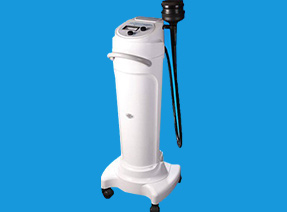
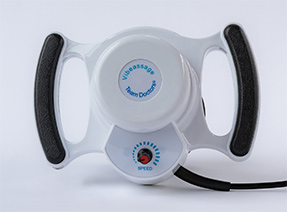
The Vibeassage Sport and the Vibeassage Pro featuring the TDX3 soft-as-the-hand Biomimetic Applicator Pad
https://www.teamdoctors.com/
✓ Get Dr. Stoxen’s #1 International Bestselling Books
Learn how to understand, examine, and reverse your TOS—without surgery.
https://drstoxen.com/1-international-best-selling-author/
✓ Check out Team Doctors Online Courses
Step-by-step video lessons, demonstrations, and self-treatment strategies.
https://teamdoctorsacademy.com/
✓ Schedule a Free Phone Consultation With Dr. Stoxen
Speak directly with him so he can review your case and guide you on your next steps.
https://drstoxen.com/appointment/
#ThoracicOutletSyndrome #TOS #AthleteInjury #ArmPain #ShoulderPain #NerveCompression #OverheadAthletes #SportsMedicine #ChronicPain #TrainingInjury #WeightliftingPain #SwimmingInjury #ExercisePain #Biomechanics #PostureMatters #NeurologicalSymptoms #VascularCompression #SportsRehab #AthleteHealth #PainEducation
References:
[1] Sanders, R. J., & Hammond, S. L. (2002). Thoracic outlet syndrome: A review. Neurologic Clinics, 20(2), 477–497. https://doi.org/10.1016/S0733-8619(01)00009-9
[2] Illig, K. A., et al. (2016). Thoracic outlet syndrome. Journal of Vascular Surgery, 64(3), e23–e35. https://doi.org/10.1016/j.jvs.2016.05.089
[3] Demondion, X., et al. (2006). Imaging assessment of thoracic outlet syndrome. Radiographics, 26(6), 1735–1750. https://doi.org/10.1148/rg.266065076
[4] Peek, J., Vos, C. G., Ünlü, Ç., et al. (2017). Outcome of surgical treatment for thoracic outlet syndrome: Systematic review. Annals of Vascular Surgery, 40, 303–326. https://doi.org/10.1016/j.avsg.2016.09.022

Dr James Stoxen DC., FSSEMM (hon) He is the president of Team Doctors®, Treatment and Training Center Chicago, one of the most recognized treatment centers in the world.
Dr Stoxen is a #1 International Bestselling Author of the book, The Human Spring Approach to Thoracic Outlet Syndrome. He has lectured at more than 20 medical conferences on his Human Spring Approach to Thoracic Outlet Syndrome and asked to publish his research on this approach to treating thoracic outlet syndrome in over 30 peer review medical journals.
He has been asked to submit his other research on the human spring approach to treatment, training and prevention in over 150 peer review medical journals. He serves as the Editor-in-Chief, Journal of Orthopedic Science and Research, Executive Editor or the Journal of Trauma and Acute Care, Chief Editor, Advances in Orthopedics and Sports Medicine Journal and editorial board for over 35 peer review medical journals.
He is a much sought-after speaker. He has given over 1000 live presentations and lectured at over 70 medical conferences to over 50,000 doctors in more than 20 countries. He has been invited to speak at over 300 medical conferences which includes invitations as the keynote speaker at over 50 medical conferences.
After his groundbreaking lecture on the Integrated Spring-Mass Model at the World Congress of Sports and Exercise Medicine he was presented with an Honorary Fellowship Award by a member of the royal family, the Sultan of Pahang, for his distinguished research and contributions to the advancement of Sports and Exercise Medicine on an International level. He was inducted into the National Fitness Hall of Fame in 2008 and the Personal Trainers Hall of Fame in 2012.
Dr Stoxen has a big reputation in the entertainment industry working as a doctor for over 150 tours of elite entertainers, caring for over 1000 top celebrity entertainers and their handlers. Anthony Field or the popular children’s entertainment group, The Wiggles, wrote a book, How I Got My Wiggle Back detailing his struggles with chronic pain and clinical depression he struggled with for years. Dr Stoxen is proud to be able to assist him.
Full Bio) Dr Stoxen can be reached directly at teamdoctors@aol.com