In my clinical experience, one of the most overlooked aspects of evaluating Thoracic Outlet Syndrome is the importance of proper hands-on examination and early treatment. Many individuals are sent through long sequences of tests, scans, and specialty consultations, yet never receive a physical examination of the very structures producing their pain.
This approach often delays recovery rather than clarifying it.
Thoracic Outlet Syndrome is not a static condition. It is a dynamic compression disorder driven by posture, muscle tone, rib motion, and protective guarding. Imaging alone cannot measure these factors. Without hands-on assessment, clinicians are often left guessing.
Two real cases highlight why skipping physical examination leads to years of misdiagnosis and unnecessary suffering.
The first case involved a young woman who presented with severe symptoms. She reported arm numbness, dropping objects, grip weakness, and pain rated at ten out of ten. Her daily function was collapsing. After a detailed hands-on evaluation, I diagnosed neurogenic TOS and began conservative care focused on reducing muscle guarding and restoring motion.
Within weeks, her pain decreased from a ten to a four. Numbness dropped from a ten to a four as well. Function improved steadily.
Despite this progress, an insurance physician—who had never seen her and never examined her—insisted her symptoms could be caused by syringomyelia, a spinal cord cyst. This suggestion ignored a basic clinical principle: tumors and spinal cord cysts do not improve rapidly with conservative care.
Her improvement itself was diagnostic.
It demonstrated that her symptoms were driven by muscle guarding, biomechanical dysfunction, and thoracic outlet compression, not a spinal cord lesion. Early treatment did not mask the diagnosis—it confirmed it.
The second case involved a physician from Tampa who had suffered for years. She underwent thirty-seven diagnostic studies at major academic centers. These included MRIs, CT scans, ultrasounds, EMGs, nerve conduction studies, and vascular imaging. Every test was read as normal.
At one point, she was told her pain was psychological.
Yet not a single provider had physically examined the area where her pain existed.
When she arrived at my clinic, the answer was visible immediately. As soon as she put on a gown, ribs three, four, and five were clearly protruding outward. Severe pectoralis minor spasm was pulling the rib cage into abnormal alignment, collapsing space in the thoracic outlet.
This was not subtle.
After three days of focused deep tissue work addressing rib dysfunction and muscle guarding, her symptoms resolved. She was not psychological. She was misdiagnosed.
These cases reveal a critical truth: major structural diseases do not resolve with a few days or weeks of conservative care. Thoracic Outlet Syndrome often does. Early improvement is not a coincidence—it is a powerful diagnostic indicator.
When treatment begins early, patients frequently improve before imaging results are even returned. By the time reports arrive, the clinical response has already clarified the diagnosis.
A proper TOS evaluation must include palpation of painful structures, assessment of rib motion, provocative testing, and hands-on examination of the thoracic outlet. Imaging alone cannot diagnose TOS. It cannot identify muscle guarding. It cannot measure internal compression. It cannot assess movement.
Yet many patients are told nothing is wrong because scans appear normal.
This leads to repeated testing, delayed care, and mounting frustration. In some cases, patients are incorrectly labeled as anxious or psychological when the true issue has never been physically evaluated.
Thoracic Outlet Syndrome involves complex interactions between muscles, ribs, nerves, and blood vessels. Pectoralis minor tightness, elevated ribs, scalene guarding, and shoulder depression can only be appreciated through direct examination.
Early care is not just treatment—it is assessment.
Waiting three to six weeks for imaging often wastes valuable time. Many patients could be halfway improved during that same period if hands-on care began immediately. Improvement itself becomes evidence, guiding further decisions and preventing unnecessary escalation.
Patients deserve real examinations. They deserve clinicians who touch, assess, and observe movement—not assumptions based on images alone. Dismissing symptoms or applying psychological labels in place of proper evaluation does lasting harm.
Thoracic Outlet Syndrome, neurogenic TOS, muscle guarding, biomechanical dysfunction, and rib-related compression require clinical skill, not just technology. When hands-on evaluation is restored to its rightful place, clarity returns—and so does hope.
Team Doctors Resources
✓ Check out the Team Doctors Recovery Tools
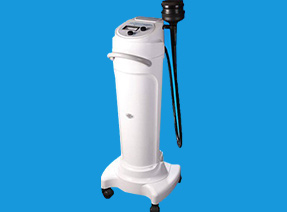
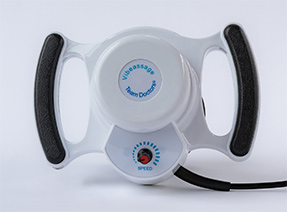
The Vibeassage Sport and the Vibeassage Pro featuring the TDX3 soft-as-the-hand Biomimetic Applicator Pad
https://www.teamdoctors.com/
✓ Get Dr. Stoxen’s #1 International Bestselling Books
Learn how to understand, examine, and reverse your TOS—without surgery.
https://drstoxen.com/1-international-best-selling-author/
✓ Check out Team Doctors Online Courses
Step-by-step video lessons, demonstrations, and self-treatment strategies.
https://teamdoctorsacademy.com/
✓ Schedule a Free Phone Consultation With Dr. Stoxen
Speak directly with him so he can review your case and guide you on your next steps.
https://drstoxen.com/appointment/
#ThoracicOutletSyndrome #TOS #TOSDiagnosis #NeurogenicTOS #MuscleGuarding #RibDysfunction #Misdiagnosis #HandsOnCare #ClinicalExamination #Biomechanics #NerveCompression #PectoralisMinor #ThoracicOutletCompression #PatientStories #MedicalEducation #MovementBasedCare #TOSAwareness #DeepTissue #EarlyTreatment #TeamDoctors
References
- Atasoy, E. “Thoracic Outlet Syndrome: Anatomy and Clinical Features.” Hand Clinics 20, no. 1 (2004): 7–14.
- Illig, K. A., et al. “Thoracic Outlet Syndrome.” Journal of Vascular Surgery 53, no. 3 (2010): 845–852.
- Sanders, R. J., and Hammond, S. L. “Diagnosis of Thoracic Outlet Syndrome.” Journal of Vascular Surgery 46, no. 3 (2007): 601–604.
- Povlsen, B., et al. “Treatment for Thoracic Outlet Syndrome.” Cochrane Database of Systematic Reviews (2014).

Dr James Stoxen DC., FSSEMM (hon) He is the president of Team Doctors®, Treatment and Training Center Chicago, one of the most recognized treatment centers in the world.
Dr Stoxen is a #1 International Bestselling Author of the book, The Human Spring Approach to Thoracic Outlet Syndrome. He has lectured at more than 20 medical conferences on his Human Spring Approach to Thoracic Outlet Syndrome and asked to publish his research on this approach to treating thoracic outlet syndrome in over 30 peer review medical journals.
He has been asked to submit his other research on the human spring approach to treatment, training and prevention in over 150 peer review medical journals. He serves as the Editor-in-Chief, Journal of Orthopedic Science and Research, Executive Editor or the Journal of Trauma and Acute Care, Chief Editor, Advances in Orthopedics and Sports Medicine Journal and editorial board for over 35 peer review medical journals.
He is a much sought-after speaker. He has given over 1000 live presentations and lectured at over 70 medical conferences to over 50,000 doctors in more than 20 countries. He has been invited to speak at over 300 medical conferences which includes invitations as the keynote speaker at over 50 medical conferences.
After his groundbreaking lecture on the Integrated Spring-Mass Model at the World Congress of Sports and Exercise Medicine he was presented with an Honorary Fellowship Award by a member of the royal family, the Sultan of Pahang, for his distinguished research and contributions to the advancement of Sports and Exercise Medicine on an International level. He was inducted into the National Fitness Hall of Fame in 2008 and the Personal Trainers Hall of Fame in 2012.
Dr Stoxen has a big reputation in the entertainment industry working as a doctor for over 150 tours of elite entertainers, caring for over 1000 top celebrity entertainers and their handlers. Anthony Field or the popular children’s entertainment group, The Wiggles, wrote a book, How I Got My Wiggle Back detailing his struggles with chronic pain and clinical depression he struggled with for years. Dr Stoxen is proud to be able to assist him.
Full Bio) Dr Stoxen can be reached directly at teamdoctors@aol.com