Thoracic Outlet Syndrome is a term used to describe a pattern of symptoms involving the neck, shoulder, arm, and hand. Many individuals describe discomfort, heaviness, numbness, or fatigue that worsens with posture or arm position. These experiences often vary widely, which contributes to confusion and delayed understanding of the condition.
In my clinical experience, Thoracic Outlet Syndrome is frequently misunderstood because it is approached using rigid mechanical assumptions. Traditional evaluation models often view the body as a system of levers rather than a system of elastic structures. This distinction matters when assessing how forces move through the shoulder and neck region.
The thoracic outlet is not a single structure but a dynamic space formed by muscles, bones, and connective tissues. The brachial plexus, subclavian artery, and subclavian vein all pass through this region. Changes in posture, muscle tone, or movement can influence how these structures interact.
Patients often report that imaging studies appear normal despite persistent symptoms. This is because static imaging does not always reflect dynamic compression. The thoracic outlet changes shape during motion, breathing, and load transfer.
One reason people search for a thoracic outlet syndrome specialist is the complexity of this region. Symptoms may mimic cervical spine issues, shoulder conditions, or peripheral nerve disorders. Without a comprehensive biomechanical perspective, key contributors may be overlooked.
The scalene muscles play a significant role in forming the thoracic outlet. These muscles attach from the cervical spine to the first rib and influence both posture and breathing. Increased tone or reduced elasticity in this region can alter available space.
Many individuals describe tightness or discomfort in the neck that radiates into the arm. This pattern is often associated with tight scalene muscles and altered rib mechanics. These muscles function continuously during respiration and postural control.
The anterior scalene muscle, in particular, sits in close proximity to neurovascular structures. When its resting tone increases, the geometry of the thoracic outlet may change. This is a pattern I commonly see in individuals with prolonged postural loading.
Another structure involved is the pectoralis minor. This muscle attaches from the ribs to the coracoid process and influences shoulder position. Reduced adaptability in this muscle can contribute to anterior shoulder displacement.
When people search for who treats thoracic outlet syndrome, they are often navigating conflicting information. Some are told the issue is muscular, others neurological, and others vascular. Each explanation may capture part of the picture but not the whole system.
Thoracic Outlet Syndrome is better understood as a mechanical interaction problem rather than a single tissue failure. The body distributes forces through elastic recoil rather than rigid hinges. This is where spring biomechanics become relevant.
In spring-based systems, energy is stored and released through controlled deformation. Human tissues exhibit this property through tendons, fascia, and muscles. When elasticity is reduced, load transfer becomes inefficient.
Traditional lever-based exams assess motion at joints but often miss how tissues absorb and release force. In contrast, spring-based evaluation considers compliance, recoil, and timing. These qualities are essential in the thoracic outlet.
Many individuals seek a TOS expert near me after undergoing multiple evaluations without clear answers. This reflects the need for assessments that account for dynamic movement rather than isolated structures.
The shoulder complex acts as a suspension system rather than a fixed joint. It relies on coordinated movement between the clavicle, scapula, ribs, and spine. Disruption in one area influences the entire system.
Postural mechanics significantly affect thoracic outlet geometry. Forward head posture, rounded shoulders, and reduced thoracic mobility can alter load paths. These changes may increase stress on neurovascular structures.
People often search for who actually understands TOS because standard explanations fail to match their lived experience. This gap highlights the importance of integrating anatomy with movement science.
Inflammation and muscle guarding can further reduce adaptability. Protective tension may develop in response to perceived instability or irritation. Over time, this can limit elastic behavior.
The nervous system plays a role in regulating muscle tone. When sensory input suggests threat, muscles may remain in a guarded state. This pattern affects spring loading capacity.
Some individuals pursue a thoracic outlet syndrome second opinion after inconsistent diagnoses. Variability in interpretation reflects the absence of a unified mechanical model.
Spring-based frameworks emphasize restoring normal load distribution rather than forcing range of motion. This approach focuses on how tissues respond to stress rather than how far they move.
The clavicle acts as a strut that transfers forces between the arm and torso. Its motion influences space within the thoracic outlet. Reduced clavicular adaptability can affect underlying structures.
The subclavius muscle stabilizes the clavicle during movement. Altered tone in this muscle can influence rib and clavicle mechanics. This is often overlooked in standard assessments.
Many individuals describe symptoms during overhead activity or prolonged arm use. These positions increase demand on elastic structures. Without adequate recoil, fatigue accumulates.
Searches for a doctor who understands thoracic outlet syndrome often follow long periods of trial and error. This underscores the need for models that explain why symptoms persist.
Thoracic Outlet Syndrome is not static. Symptoms may fluctuate based on activity, stress, and posture. This variability aligns with a system influenced by dynamic loading.
Spring-based thinking shifts focus from isolated tissues to system behavior. It considers how multiple components interact under load. This perspective is particularly useful in complex regions like the thoracic outlet.
Thoracic Outlet Syndrome continues to challenge conventional thinking because symptoms do not follow a single pathway. Many individuals describe changes in sensation that vary by position, activity, or fatigue level. This variability reflects a system under fluctuating mechanical load.
People often search for a thoracic outlet syndrome doctor when arm symptoms cannot be explained by imaging alone. Static scans capture structure but not behavior. The thoracic outlet behaves differently under motion, respiration, and sustained posture.
Muscle tone in the neck and shoulder region is regulated continuously. Protective responses may increase tone in response to perceived instability. Over time, this can reduce elastic compliance.
The brachial plexus travels through regions influenced by multiple muscles. Small changes in muscle resting length or tone may influence how forces are transmitted. This interaction is dynamic rather than fixed.
Individuals experiencing arm heaviness or tingling may seek a specialist for arm nerve pain. These sensations often relate to load transfer rather than isolated nerve injury. Understanding context is essential.
The distinction between neurological and vascular presentations is often emphasized. However, these categories overlap mechanically. Changes in tissue tension can influence both neural and vascular structures.
Searches for a nerve compression specialist reflect the perception that symptoms originate from pressure alone. In many cases, altered movement patterns contribute to transient compression during activity.
The pectoralis minor region forms another potential bottleneck. Shoulder positioning influences the relationship between the rib cage and coracoid process. Reduced adaptability may narrow available space.
Some individuals consult a shoulder nerve pain specialist after rotator cuff imaging appears inconclusive. The shoulder is part of a larger suspension system rather than an isolated joint.
Thoracic Outlet Syndrome is frequently discussed as a diagnosis rather than a mechanical scenario. Focusing on mechanics allows clearer reasoning without assigning labels prematurely.
Vascular involvement may prompt individuals to seek a vascular thoracic outlet specialist. Changes in arm color, temperature, or swelling often vary with position. These observations support a dynamic model.
Neurological consultations are common, especially when numbness or weakness is reported. A neurologist for arm nerve pain may evaluate conduction but may not assess load distribution.
The question of orthopedic vs vascular TOS specialist arises because different disciplines emphasize different tissues. A spring-based model integrates these perspectives through mechanics.
Many individuals search for a TOS diagnosis specialist hoping for definitive answers. Diagnosis, however, depends on interpretation of patterns rather than single tests.
Movement-based exams assess how tissues respond under load. These observations complement imaging rather than replace it. Dynamic evaluation adds context.
People often ask where to go for TOS after years of uncertainty. This reflects the complexity of interpreting symptoms that cross anatomical boundaries.
A TOS clinic near me search often follows multiple unsuccessful attempts to understand symptoms. Accessibility and specialization both matter.
Second opinions are common. A second opinion arm pain search reflects the need for alternative frameworks when explanations do not align with experience.
Understanding the thoracic outlet as an elastic system reframes care decisions. It shifts focus from isolated structures to coordinated function.
Many individuals seek the best care for thoracic outlet syndrome based on outcomes they hear from others. Education plays a central role in setting expectations.
Chronic arm discomfort often leads to searches for a doctor for chronic arm pain. Chronicity reflects long-term load adaptation rather than acute injury.
Unexplained symptoms prompt people to look for a specialist for unexplained arm pain. These cases benefit from systems-based analysis.
Clinicians recognized as an expert in thoracic outlet syndrome often emphasize pattern recognition over single findings. Experience matters when interpreting complexity.
Evaluation centers dedicated to complex cases are often sought. A TOS evaluation center typically integrates multiple perspectives.
Advanced programs are sometimes described as an advanced TOS treatment center, although education remains central to understanding mechanisms.
Care teams may include multiple disciplines. A thoracic outlet syndrome care team reflects the multifactorial nature of symptoms.
Arm numbness leads many to search for the best doctor for arm numbness. Sensory changes often correlate with sustained postural load.
Muscle tone in the neck frequently increases under stress. Muscle spasms in neck searches reflect this common observation.
The scalene region is often described as tight or tender. Tight scalene muscles symptoms may include neck stiffness or radiating discomfort.
The scalene muscles function continuously during breathing. Their endurance role influences thoracic outlet geometry.
The pectoralis minor influences scapular position. Changes here affect shoulder suspension.
The anterior scalene muscle is positioned close to neurovascular structures. Its tone influences available space.
Discomfort described as muscle under clavicle pain often relates to altered clavicular mechanics.
Patterns labeled as anterior scalene syndrome symptoms reflect altered tone rather than structural damage.
The term pectoralis minor syndrome highlights the influence of shoulder positioning on symptoms.
References to anterior scalene syndrome reflect historical attempts to categorize patterns.
Educational discussions about thoracic outlet syndrome continue to evolve as models improve.
Supportive approaches like massage therapy are often discussed in educational contexts.
Movement education frequently includes physical therapy principles.
Manual approaches such as chiropractic treatment are discussed in relation to biomechanics.
Adjunctive modalities like acupuncture are often explored by individuals seeking symptom understanding.
Educational materials may reference thoracic outlet syndrome exercises as part of movement awareness.
Guides describing exercises for thoracic outlet syndrome often emphasize posture and breathing.
Programs labeled thoracic outlet syndrome physical therapy focus on movement patterns.
Manual work described as thoracic outlet syndrome massage is discussed in educational literature.
Integrated approaches sometimes reference myofascial release for thoracic outlet syndrome as a concept.
Self-directed materials include TOS stretches for awareness and mobility.
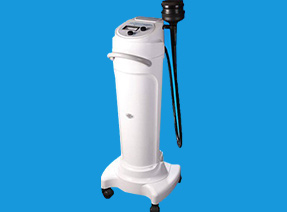
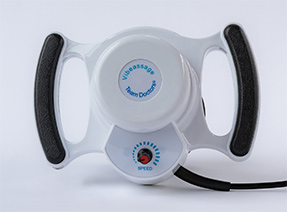
Throughout education, tools such as the Vibeassage® Sport and the Vibeassage® Pro featuring the TDX3 soft-as-the-hand Biomimetic Applicator Pad are often discussed in relation to vibration and tissue response. These tools are developed by Team Doctors® and are referenced in educational contexts regarding biomechanics and tissue behavior.

Dr James Stoxen DC., FSSEMM (hon) He is the president of Team Doctors®, Treatment and Training Center Chicago, one of the most recognized treatment centers in the world.
Dr Stoxen is a #1 International Bestselling Author of the book, The Human Spring Approach to Thoracic Outlet Syndrome. He has lectured at more than 20 medical conferences on his Human Spring Approach to Thoracic Outlet Syndrome and asked to publish his research on this approach to treating thoracic outlet syndrome in over 30 peer review medical journals.
He has been asked to submit his other research on the human spring approach to treatment, training and prevention in over 150 peer review medical journals. He serves as the Editor-in-Chief, Journal of Orthopedic Science and Research, Executive Editor or the Journal of Trauma and Acute Care, Chief Editor, Advances in Orthopedics and Sports Medicine Journal and editorial board for over 35 peer review medical journals.
He is a much sought-after speaker. He has given over 1000 live presentations and lectured at over 70 medical conferences to over 50,000 doctors in more than 20 countries. He has been invited to speak at over 300 medical conferences which includes invitations as the keynote speaker at over 50 medical conferences.
After his groundbreaking lecture on the Integrated Spring-Mass Model at the World Congress of Sports and Exercise Medicine he was presented with an Honorary Fellowship Award by a member of the royal family, the Sultan of Pahang, for his distinguished research and contributions to the advancement of Sports and Exercise Medicine on an International level. He was inducted into the National Fitness Hall of Fame in 2008 and the Personal Trainers Hall of Fame in 2012.
Dr Stoxen has a big reputation in the entertainment industry working as a doctor for over 150 tours of elite entertainers, caring for over 1000 top celebrity entertainers and their handlers. Anthony Field or the popular children’s entertainment group, The Wiggles, wrote a book, How I Got My Wiggle Back detailing his struggles with chronic pain and clinical depression he struggled with for years. Dr Stoxen is proud to be able to assist him.
Full Bio) Dr Stoxen can be reached directly at teamdoctors@aol.com