Botox injections are often presented as a simple solution for neck and shoulder pain. However, Thoracic Outlet Syndrome is not a cosmetic issue. It is a mechanical, inflammatory, multi-chokepoint compression disorder involving posture, muscle tone, and neurological reflexes.
In my clinical experience, many individuals offered Botox already have weak, fatigued muscles struggling to stabilize the shoulder girdle. These muscles are not overactive because they are “tight.” They are overactive because they are trying to prevent collapse.
When Botox is injected into this system, weakness is converted into temporary paralysis. The muscles that were barely maintaining stability are suddenly removed from the equation.
This is why I frequently observe increased compression, worsening instability, and escalation of symptoms following injections.
Most individuals with Thoracic Outlet Syndrome develop symptoms through chronic mechanical overload. Sustained postures, device use, and repetitive arm positioning fatigue the stabilizing muscles of the neck, chest, and shoulder.
As muscle fibers fatigue, microscopic tearing occurs. Inflammation accumulates inside the muscle belly, altering normal tissue behavior.
The nervous system detects this inflammation and responds by activating the splinting–guarding reflex. This reflex is involuntary and designed to protect injured tissue by increasing muscle tone.
Importantly, guarding is not the same as tightness. Guarding is a neurological response that cannot be stretched away or relaxed chemically.
As long as inflammation remains present, the spinal cord continues to fire protective signals, keeping the muscles contracted around the thoracic outlet.
Botox does not remove inflammation. It simply blocks neuromuscular signaling.
When stabilizing muscles such as the scalenes, pectoralis minor, or subclavius are chemically weakened, the shoulder girdle loses support.
As support disappears, the shoulder collapses downward, the clavicle drops, and the first rib rises into the outlet. This mechanical shift narrows all thoracic outlet spaces simultaneously.
The result is intensified nerve compression, vascular compression, and overload of surrounding tissues.
In my clinical observations, many individuals experience worsening symptoms after Botox because the structural support they relied on has been removed.
What follows is often a cascade of interventions. Patients are told they have scar tissue, persistent compression, or failed conservative care.
They are then guided toward invasive procedures such as first rib resection, scalenectomy, or revision surgeries.
The fundamental issue, however, was never excessive muscle activity. The issue was chronic inflammation stored deep within the muscle belly.
Until that inflammation is addressed, the guarding reflex remains active 24 hours a day.
In my clinical experience, two steps are required to interrupt this cycle.
The first step is precise deep tissue work to mobilize inflammatory waste out of muscle fibers.
The second step is low-amplitude vibration to assist fluid movement into the lymphatic and venous systems for clearance.
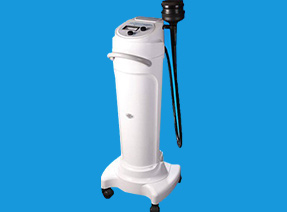
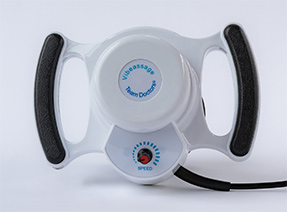
Tools such as Vibeassage® Sport or Vibeassage® Pro, featuring the TDX3 soft-as-the-hand Biomimetic Applicator Pad, are used to support this process without destabilizing the system.
This approach allows muscle tone to shift from hyper-tone to normal tone gradually, rather than collapsing the structure through paralysis.
Many individuals who contact my clinic report a similar story. Botox provided short-term symptom reduction, followed by rebound worsening once the injection wore off.
This occurs because the underlying mechanical and inflammatory drivers were never resolved.
Another critical factor often overlooked is how Botox affects the entire kinetic chain.
When one stabilizing muscle is shut down, neighboring muscles must absorb the load.
This commonly leads to rapid overload of the upper trapezius, levator scapulae, rhomboids, and deep cervical stabilizers.
Patients describe this as new pain or tension appearing in areas that were previously unaffected.
This redistribution of stress alters scapular mechanics, shifts rib cage position, and further narrows the thoracic outlet.
All of this occurs without addressing the original inflammatory source that triggered the guarding reflex.
From a mechanical perspective, Botox introduces instability into an already unstable system.
Thoracic Outlet Syndrome does not improve when stability is removed. It improves when inflammation is reduced and tone is normalized.
Understanding this distinction helps explain why Botox frequently fails for TOS.
It also explains why symptoms are real, persistent, and not psychological.
There is a mechanical explanation for these patterns, and a logical path forward.
Education empowers individuals to make informed decisions and avoid unnecessary procedures that may worsen their condition.
Thoracic Outlet Syndrome requires strategies that restore balance—not approaches that shut systems down.
When inflammation, guarding, and mechanics are addressed together, the system can finally begin to recover rather than collapse further.
Team Doctors Resources
✓ Check out the Team Doctors Recovery Tools
The Vibeassage Sport and the Vibeassage Pro featuring the TDX3 soft-as-the-hand Biomimetic Applicator Pad
https://www.teamdoctors.com/
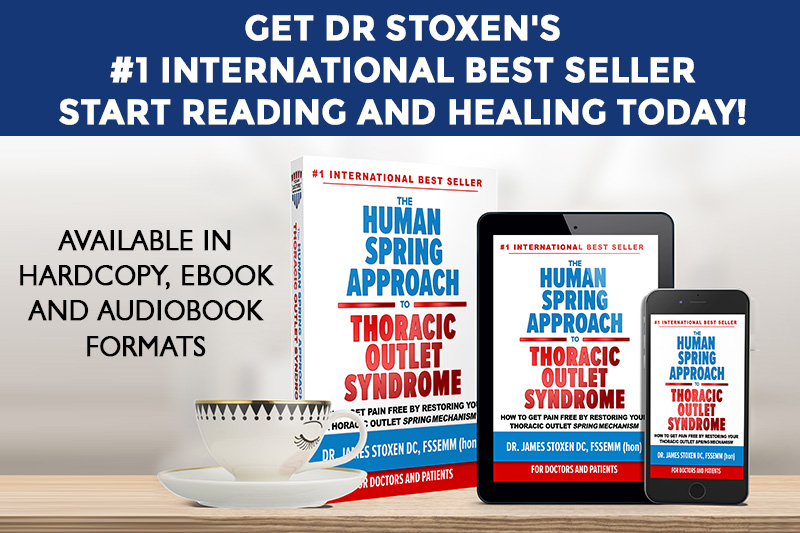
✓ Get Dr. Stoxen’s #1 International Bestselling Books
Learn how to understand, examine, and reverse your TOS—without surgery.
https://drstoxen.com/1-international-best-selling-author/
✓ Check out Team Doctors Online Courses
Step-by-step video lessons, demonstrations, and self-treatment strategies.
https://teamdoctorsacademy.com/
✓ Schedule a Free Phone Consultation With Dr. Stoxen
Speak directly with him so he can review your case and guide you on your next steps.
https://drstoxen.com/appointment/
#ThoracicOutletSyndrome #BotoxRisks #TOSCauses #MuscleGuarding #ChronicInflammation #FailedTreatments #NeckAndShoulderPain #UpperBodyCompression #Biomechanics #PainEducation #NeurogenicTOS #VascularTOS #PostureMechanics #RehabilitationScience #MovementHealth #PatientAwareness #TOSAwareness #MechanicalPain #ShoulderStability #WhatDoesntWork
References
- Roos, D. B. “Thoracic Outlet Syndrome Is Underdiagnosed.” Muscle & Nerve 22, no. 1 (1999): 126–129.
- Sanders, Richard J., and Neal S. Pearce. “Neurogenic Thoracic Outlet Syndrome.” Journal of Vascular Surgery 36, no. 3 (2002): 669–676.
- Urschel, Harold C., and R. B. Razzuk. “The Neurovascular Compression Syndromes of the Thoracic Outlet.” Annals of Thoracic Surgery 50, no. 3 (1990): 484–490.

Dr James Stoxen DC., FSSEMM (hon) He is the president of Team Doctors®, Treatment and Training Center Chicago, one of the most recognized treatment centers in the world.
Dr Stoxen is a #1 International Bestselling Author of the book, The Human Spring Approach to Thoracic Outlet Syndrome. He has lectured at more than 20 medical conferences on his Human Spring Approach to Thoracic Outlet Syndrome and asked to publish his research on this approach to treating thoracic outlet syndrome in over 30 peer review medical journals.
He has been asked to submit his other research on the human spring approach to treatment, training and prevention in over 150 peer review medical journals. He serves as the Editor-in-Chief, Journal of Orthopedic Science and Research, Executive Editor or the Journal of Trauma and Acute Care, Chief Editor, Advances in Orthopedics and Sports Medicine Journal and editorial board for over 35 peer review medical journals.
He is a much sought-after speaker. He has given over 1000 live presentations and lectured at over 70 medical conferences to over 50,000 doctors in more than 20 countries. He has been invited to speak at over 300 medical conferences which includes invitations as the keynote speaker at over 50 medical conferences.
After his groundbreaking lecture on the Integrated Spring-Mass Model at the World Congress of Sports and Exercise Medicine he was presented with an Honorary Fellowship Award by a member of the royal family, the Sultan of Pahang, for his distinguished research and contributions to the advancement of Sports and Exercise Medicine on an International level. He was inducted into the National Fitness Hall of Fame in 2008 and the Personal Trainers Hall of Fame in 2012.
Dr Stoxen has a big reputation in the entertainment industry working as a doctor for over 150 tours of elite entertainers, caring for over 1000 top celebrity entertainers and their handlers. Anthony Field or the popular children’s entertainment group, The Wiggles, wrote a book, How I Got My Wiggle Back detailing his struggles with chronic pain and clinical depression he struggled with for years. Dr Stoxen is proud to be able to assist him.
Full Bio) Dr Stoxen can be reached directly at teamdoctors@aol.com