In my clinical experience, one of the most overlooked warning signs in Thoracic Outlet Syndrome involves venous compression rather than nerve irritation. Many individuals focus on pain or tingling, yet early vascular signals are often more visible.
Patients frequently describe a predictable sequence after physical activity. The arm begins to expand, surface veins become more prominent, and the entire limb feels heavier than normal.
This sensation is not simple fatigue. It reflects impaired venous drainage, meaning blood is struggling to exit the arm efficiently.
When venous outflow is restricted, blood pools within the limb. This pooling increases internal pressure inside the veins, causing them to dilate and become visibly engorged.
As pressure rises, the arm may feel swollen, tight, and unbalanced. Patients often report that the limb feels difficult to lift or control because of its added weight.
This heaviness is a mechanical consequence of venous congestion, not weakness or loss of effort.
Another important sign is a change in color. When blood remains trapped in the arm, oxygen levels decrease as circulation slows.
This can cause the arm, hand, or fingers to appear bluish or darker than the opposite side. Many individuals describe this discoloration as alarming.
The mechanism is straightforward. Blood entering the arm continues to deliver oxygen, but restricted venous pathways prevent timely return to the heart.
As deoxygenated blood accumulates, color changes become more noticeable. This is a hallmark of venous rather than arterial involvement.
Symptoms often intensify after exercise, lifting, carrying objects, or repetitive arm use. These activities increase muscular demand and blood flow into the limb.
Under normal conditions, veins expand slightly to accommodate increased flow and return blood efficiently. In venous Thoracic Outlet Syndrome, the exit pathway is narrowed.
The more the arm works, the more blood enters, and the greater the mismatch becomes between inflow and outflow.
Holding the arm elevated for prolonged periods can produce similar effects. Gravity adds another challenge to venous return when space is already restricted.
From an educational perspective, this pattern helps differentiate venous from arterial compression.
Arterial compression limits blood entering the limb, often producing coldness or fatigue during activity.
Venous compression limits blood leaving the limb, leading to swelling, heaviness, and discoloration after exertion.
In venous TOS, the arm is not starved of blood. It is overloaded with blood that cannot escape efficiently.
This distinction explains why symptoms may worsen after activity rather than during it.
As venous pressure remains elevated, secondary changes can occur. Soft tissues become irritated, inflammation develops, and sensitivity increases.
Over time, individuals may notice aching, pressure, or discomfort spreading through the arm and shoulder.
These changes are not isolated events. They reflect ongoing circulatory stress within a confined anatomical space.
The thoracic outlet is already narrow. When muscles tighten, posture collapses, or inflammation develops, venous pathways become even more restricted.
In my clinical experience, many individuals dismiss early swelling as normal exertion. This delay can allow congestion to become chronic.
Repeated episodes of venous pooling place sustained stress on vessel walls and surrounding tissues.
Patients may notice that swelling resolves slowly or incompletely after activity, indicating persistent restriction.
Another common report is asymmetry. One arm appears noticeably larger, darker, or heavier than the other following use.
This comparison is often the moment individuals realize something is not normal.
Venous Thoracic Outlet Syndrome is frequently misunderstood because symptoms can fluctuate.
On some days, swelling is mild. On others, it becomes pronounced depending on posture, workload, and muscle tone.
Because imaging tests are often performed at rest, venous compression may not appear obvious.
Dynamic symptoms are sometimes overlooked when static studies look normal.
This contributes to delayed recognition and confusion among patients seeking answers.
Understanding venous warning signs helps individuals interpret their body’s signals more accurately.
Swelling, heaviness, and color change are not cosmetic issues. They indicate functional obstruction of venous return.
Recognizing these patterns early encourages timely evaluation and informed decision-making.
From an educational standpoint, awareness empowers individuals to modify activities that intensify congestion until proper guidance is obtained.
Venous symptoms deserve careful attention because prolonged congestion can increase risk and discomfort.
The goal of this discussion is clarity. These signs represent real physiological changes occurring within the arm.
Understanding why they happen helps individuals move beyond uncertainty and toward meaningful evaluation.
Thoracic Outlet Syndrome affects more than nerves. When venous structures are involved, the visual and sensory clues are often present.
Learning to recognize them can make the difference between prolonged confusion and early understanding of the condition.
Team Doctors Resources
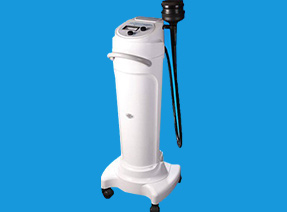
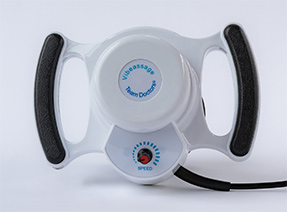
✓ Check out the Team Doctors Recovery Tools
The Vibeassage Sport and the Vibeassage Pro featuring the TDX3 soft-as-the-hand Biomimetic Applicator Pad
https://www.teamdoctors.com/
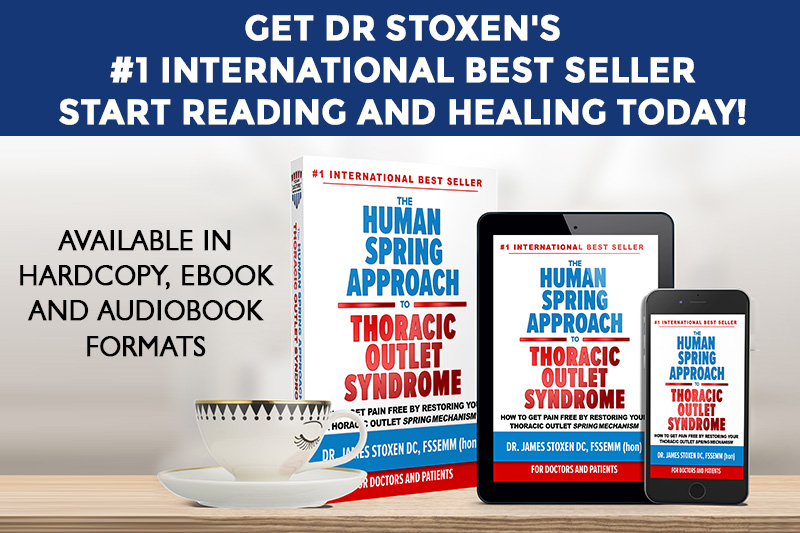
✓ Get Dr. Stoxen’s #1 International Bestselling Books
Learn how to understand, examine, and reverse your TOS—without surgery.
https://drstoxen.com/1-international-best-selling-author/
✓ Check out Team Doctors Online Courses
Step-by-step video lessons, demonstrations, and self-treatment strategies.
https://teamdoctorsacademy.com/
✓ Schedule a Free Phone Consultation With Dr. Stoxen
Speak directly with him so he can review your case and guide you on your next steps.
https://drstoxen.com/appointment/
#ThoracicOutletSyndrome #VenousTOS #ArmSwelling #VenousCompression #SubclavianVein #UpperExtremitySymptoms #CirculatoryHealth #TOSAwareness #VascularTOS #ArmHeaviness #PostureMechanics #MovementHealth #ClinicalEducation #DynamicCompression #UpperBodyPain #PatientEducation #NeckAndArmPain #HealthAwareness #WhatIsTOS #Biomechanics
References
- Urschel, Harold C., and R. B. Razzuk. “Paget-Schroetter Syndrome and Venous Thoracic Outlet Compression.” Annals of Thoracic Surgery 50, no. 3 (1990): 484–490.
- Sanders, Richard J., and Neal S. Pearce. “Venous Thoracic Outlet Syndrome.” Journal of Vascular Surgery 49, no. 5 (2009): 1325–1332.
- Roos, D. B. “Thoracic Outlet Syndrome Is Underdiagnosed.” Muscle & Nerve 22, no. 1 (1999): 126–129.

Dr James Stoxen DC., FSSEMM (hon) He is the president of Team Doctors®, Treatment and Training Center Chicago, one of the most recognized treatment centers in the world.
Dr Stoxen is a #1 International Bestselling Author of the book, The Human Spring Approach to Thoracic Outlet Syndrome. He has lectured at more than 20 medical conferences on his Human Spring Approach to Thoracic Outlet Syndrome and asked to publish his research on this approach to treating thoracic outlet syndrome in over 30 peer review medical journals.
He has been asked to submit his other research on the human spring approach to treatment, training and prevention in over 150 peer review medical journals. He serves as the Editor-in-Chief, Journal of Orthopedic Science and Research, Executive Editor or the Journal of Trauma and Acute Care, Chief Editor, Advances in Orthopedics and Sports Medicine Journal and editorial board for over 35 peer review medical journals.
He is a much sought-after speaker. He has given over 1000 live presentations and lectured at over 70 medical conferences to over 50,000 doctors in more than 20 countries. He has been invited to speak at over 300 medical conferences which includes invitations as the keynote speaker at over 50 medical conferences.
After his groundbreaking lecture on the Integrated Spring-Mass Model at the World Congress of Sports and Exercise Medicine he was presented with an Honorary Fellowship Award by a member of the royal family, the Sultan of Pahang, for his distinguished research and contributions to the advancement of Sports and Exercise Medicine on an International level. He was inducted into the National Fitness Hall of Fame in 2008 and the Personal Trainers Hall of Fame in 2012.
Dr Stoxen has a big reputation in the entertainment industry working as a doctor for over 150 tours of elite entertainers, caring for over 1000 top celebrity entertainers and their handlers. Anthony Field or the popular children’s entertainment group, The Wiggles, wrote a book, How I Got My Wiggle Back detailing his struggles with chronic pain and clinical depression he struggled with for years. Dr Stoxen is proud to be able to assist him.
Full Bio) Dr Stoxen can be reached directly at teamdoctors@aol.com