Many individuals with upper body symptoms want to understand why their discomfort seems to appear suddenly or escalate without warning. In my clinical experience, one of the most misunderstood patterns involves venous compression that resembles Paget-Schroetter Syndrome. This condition develops when the space under the collarbone becomes narrowed and the vein is compressed. The result can be swelling, color changes, and discomfort that often mimic the vascular form of Thoracic Outlet Syndrome.
When the collarbone shifts downward, it may press against the vein beneath it. This can create irritation or obstruction in the subclavian vein. Many individuals describe this as a feeling of tightness in the upper chest or heaviness in the arm. These symptoms often resemble vascular changes seen in Thoracic Outlet Syndrome. The reduced space in this region makes it easier for the vein to become irritated or compressed.
In some cases, the vein becomes obstructed. Individuals may notice the arm beginning to look swollen or discolored. Some describe changes in hand temperature or shifts in skin color ranging from pale to a mottled or purple appearance. These changes often signal impaired venous return. When this process continues, the symptoms can resemble known features of effort thrombosis or Paget-Schroetter Syndrome.
One sign individuals frequently report is waking up at night with intense swelling in the arm. The skin may feel tight, and the arm may appear significantly larger than usual. Many individuals describe the sensation as frightening. This pattern often appears when inflammation and congestion have accumulated over time. These episodes mimic the same patterns described in individuals who develop venous compression from structural narrowing.
Another sign individuals describe is difficulty breathing or a sense of rapid heartbeat. While these symptoms may not always indicate a vascular emergency, they often increase anxiety. The combination of chest tightness, arm swelling, and rapid breathing can feel overwhelming. These sensations are common in individuals with significant upper body inflammation or compression.
People who live with these symptoms often explain that they believed the discomfort would fade. They may notice hand swelling during the day but assume it will resolve. Over time, these symptoms progress. Many individuals report color changes in the fingers, especially when the arm is elevated. They may notice that the hand becomes colder or that the fingertips turn white. These patterns resemble the signs seen in vascular TOS, Raynaud-like changes, or early signs of venous congestion.
In my clinical experience, many individuals attribute the discomfort to simple overuse or fatigue. They may take medication that masks the symptoms. However, the underlying compression remains. The combination of swelling, color changes, and discomfort may persist for months or years. This prolonged discomfort can be confusing when the symptoms fluctuate.
The anatomy of the thoracic outlet provides insight into how these patterns develop. The region contains three primary choke points created by multiple structures. When inflammation accumulates, it spreads across the upper body. This causes muscles such as the scalenes, pectoralis minor, and subclavius to tighten. These muscles can shift the rib or clavicle in ways that increase compression. Each muscle contributes to the narrowing of the passageway.
The subclavius muscle, in particular, can be involved in these patterns. When this muscle becomes irritated, it may contract and pull the collarbone downward. At the same time, other structures can elevate the first rib. This creates a narrowing from above and below. Many individuals describe tenderness in this region, especially when inflammation is high.
When the vein becomes obstructed, clinicians often use imaging to view the blockage. Individuals may undergo tests that reveal restricted flow or visible swelling. Catheters may be used in some cases to help open the vein. The goal is to restore movement of blood through the region. These steps highlight how venous congestion develops under the collarbone.
The challenge for individuals in smaller communities is that some professionals may be less familiar with these patterns. Many people describe uncertainty in emergency settings where the symptoms are difficult to interpret. The combination of swelling, breathing changes, and discomfort can be mistaken for other conditions.
Understanding the signs of venous compression helps individuals interpret their symptoms. Recognizing color changes, swelling, or increased discomfort during arm activity provides insight into how the vein may be affected. Many individuals describe relief when they understand the biomechanics behind their symptoms. They often realize that the combination of muscle tension, inflammation, and narrowed spaces created the pattern they were feeling.
Education plays an important role in helping individuals understand why symptoms become intense or appear suddenly. Learning how the collarbone, ribs, and muscles interact helps clarify these experiences. Understanding the anatomy behind Thoracic Outlet Syndrome and its vascular variations allows individuals to interpret their symptoms more confidently.
These insights empower individuals to recognize early patterns and better understand what their bodies are signaling. This knowledge provides clarity and helps people make sense of symptoms that once felt alarming or confusing.
Team Doctors Resources
✓ Check out the Team Doctors Recovery Tools
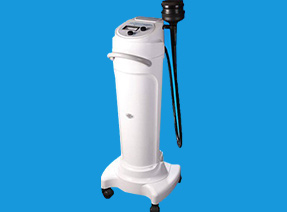
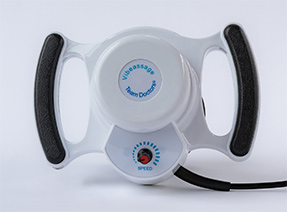
The Vibeassage Sport and the Vibeassage Pro featuring the TDX3 soft-as-the-hand Biomimetic Applicator Pad
https://www.teamdoctors.com/
✓ Get Dr. Stoxen’s #1 International Bestselling Books
Learn how to understand, examine, and reverse your TOS—without surgery.
https://drstoxen.com/1-international-best-selling-author/
✓ Check out Team Doctors Online Courses
Step-by-step video lessons, demonstrations, and self-treatment strategies.
https://teamdoctorsacademy.com/
✓ Schedule a Free Phone Consultation With Dr. Stoxen
Speak directly with him so he can review your case and guide you on your next steps.
https://drstoxen.com/appointment/
#thoracicoutletsyndrome #tos #pagetschroetter #vascularTOS #venouscompression
#subclavianvein #armnumbness #upperbodypain #handcolorchanges #medicaleducation
#teamdoctors #drstoxen #inflammationmapping #outletanatomy #scalenes #upperextremity
#movementhealth #painpatterns #vascularsymptoms #healthawareness
References
[1] Urschel, Harold C., and Christine R. Razzuk. “Paget-Schroetter Syndrome: What Surgeons Need to Know.” Annals of Thoracic Surgery, 2000.
https://pubmed.ncbi.nlm.nih.gov/10750763/
[2] Illig, Karl A., et al. Thoracic Outlet Syndrome. Springer, 2013.
https://doi.org/10.1007/978-1-4614-6567-6
[3] Molina, Jose E. “Thoracic Outlet Syndrome and Effort Thrombosis.” Journal of Vascular Surgery, 2009.
https://pubmed.ncbi.nlm.nih.gov/19394539/
[4] Likes, Kendra, et al. “Paget-Schroetter Syndrome: Review of Pathophysiology and Treatment.” Vascular Medicine, 2014.
https://pubmed.ncbi.nlm.nih.gov/24895787/

Dr James Stoxen DC., FSSEMM (hon) He is the president of Team Doctors®, Treatment and Training Center Chicago, one of the most recognized treatment centers in the world.
Dr Stoxen is a #1 International Bestselling Author of the book, The Human Spring Approach to Thoracic Outlet Syndrome. He has lectured at more than 20 medical conferences on his Human Spring Approach to Thoracic Outlet Syndrome and asked to publish his research on this approach to treating thoracic outlet syndrome in over 30 peer review medical journals.
He has been asked to submit his other research on the human spring approach to treatment, training and prevention in over 150 peer review medical journals. He serves as the Editor-in-Chief, Journal of Orthopedic Science and Research, Executive Editor or the Journal of Trauma and Acute Care, Chief Editor, Advances in Orthopedics and Sports Medicine Journal and editorial board for over 35 peer review medical journals.
He is a much sought-after speaker. He has given over 1000 live presentations and lectured at over 70 medical conferences to over 50,000 doctors in more than 20 countries. He has been invited to speak at over 300 medical conferences which includes invitations as the keynote speaker at over 50 medical conferences.
After his groundbreaking lecture on the Integrated Spring-Mass Model at the World Congress of Sports and Exercise Medicine he was presented with an Honorary Fellowship Award by a member of the royal family, the Sultan of Pahang, for his distinguished research and contributions to the advancement of Sports and Exercise Medicine on an International level. He was inducted into the National Fitness Hall of Fame in 2008 and the Personal Trainers Hall of Fame in 2012.
Dr Stoxen has a big reputation in the entertainment industry working as a doctor for over 150 tours of elite entertainers, caring for over 1000 top celebrity entertainers and their handlers. Anthony Field or the popular children’s entertainment group, The Wiggles, wrote a book, How I Got My Wiggle Back detailing his struggles with chronic pain and clinical depression he struggled with for years. Dr Stoxen is proud to be able to assist him.
Full Bio) Dr Stoxen can be reached directly at teamdoctors@aol.com