Many individuals searching for answers describe why nothing helps my arm pain even after months or years of evaluations.
In clinical discussions, this concern often appears when symptoms continue despite rest, imaging, or repeated consultations.
Patients often report reaching a point where they feel they are at the last option for thoracic outlet syndrome.
This belief usually develops after multiple tests fail to explain the intensity of symptoms they experience daily.
A common phrase shared in consultations is i’ve tried everything arm pain without meaningful improvement.
This pattern reflects frustration rather than a conclusion that no underlying mechanism exists.
Some individuals begin asking is surgery my only option when symptoms interfere with work and daily tasks.
This question often arises before a detailed examination of muscular loading and shoulder mechanics has occurred.
When symptoms persist, people describe when arm pain won’t stop even during rest or sleep.
Persistent discomfort may indicate sustained compression within the thoracic outlet space.
In more advanced cases, discussions may include severe thoracic outlet syndrome as a descriptor rather than a diagnosis.
This phrase reflects the perceived intensity and impact of symptoms on daily life.
Loss of strength and endurance may progress into what patients describe as disabling arm pain.
Activities that once required minimal effort may become difficult or impossible.
Some individuals report they can’t lift arm anymore without sharp discomfort or rapid fatigue.
This limitation often correlates with altered shoulder suspension and muscle guarding.
Functional impairment can reach the level of perceived arm pain disability.
At this stage, work tasks, driving, and household activities may all be affected.
From a biomechanical perspective, ongoing compression may contribute to chronic nerve compression damage.
Sustained pressure can alter nerve signaling and muscle coordination patterns.
Concerns about permanent nerve damage risk often arise during later stages of symptom progression.
These concerns usually reflect uncertainty rather than confirmed neurological injury.
Patients frequently ask when TOS becomes dangerous as symptoms escalate.
This question highlights fear driven by persistent pain and lack of clear explanations.
Another concern involves ignoring thoracic outlet syndrome risks when symptoms are minimized or attributed solely to imaging findings.
Delayed recognition of mechanical contributors may allow dysfunction to continue unchecked.
Some individuals describe reaching what they call end stage thoracic outlet syndrome.
This phrase often reflects cumulative frustration rather than a defined clinical stage.
Living daily with symptoms leads many to reflect on living with thoracic outlet syndrome as an ongoing challenge.
Adaptations in posture, movement, and activity become routine.
Emotionally, patients may say arm pain ruining my life when limitations affect identity and independence.
Such statements reflect the psychosocial impact of chronic musculoskeletal conditions.
Daily tasks may become difficult, leading to shoulder pain affecting daily life in subtle but persistent ways.
Even light activities can provoke discomfort when shoulder mechanics are altered.
Some individuals note they can’t use my arm without pain during routine movements.
This pattern often corresponds with reduced joint play and muscle flexibility.
Ongoing discomfort contributes to chronic nerve pain frustration over time.
Frustration increases when explanations remain unclear.
Questions like why won’t my arm heal are common in prolonged cases.
Healing expectations often differ from the reality of mechanical stress patterns.
Many search for long term arm pain solutions rather than short-term symptom relief.
This search reflects a desire for sustainable functional improvement.
Others look specifically for chronic shoulder nerve pain help after conventional approaches fail.
This often leads them to educational resources on biomechanics.
The emotional burden may include arm pain anxiety related to unpredictable symptom flares.
Anxiety can amplify muscle guarding responses.
Some describe life with constant arm pain as requiring continual planning and adaptation.
Activities are often paced or avoided altogether.
Progressive limitation can result in loss of function arm pain scenarios.
Functional decline may occur gradually rather than suddenly.
Fear may center on fear of permanent arm damage when symptoms persist.
This fear often stems from uncertainty rather than confirmed pathology.
Long-term discomfort contributes to chronic pain burnout.
Burnout reflects physical exhaustion and emotional fatigue combined.
In moments of distress, people may feel desperate for arm pain relief.
This desperation often precedes seeking advanced opinions.
Statements like nothing works for my shoulder pain appear frequently in patient narratives.
Such statements reflect unmet expectations rather than absence of mechanical causes.
Finally, some describe their condition as end stage nerve compression based on symptom severity.
This language highlights the need for clearer education rather than definitive labeling.
From an educational standpoint, thoracic outlet mechanics involve the relationship between the clavicle, first rib, and shoulder girdle.
Muscle tension can alter this relationship without appearing on static imaging.
In my clinical experience, MRI studies often fail to capture dynamic muscle loading.
Protective muscle guarding cannot be visualized through standard imaging modalities.
When shoulder depressors and rib elevators activate simultaneously, outlet space can narrow.
This narrowing affects neural and vascular structures passing through the region.
Patients often report symptoms that fluctuate with posture and activity.
Such variability suggests a mechanical rather than structural cause.
Many individuals describe symptom changes during prolonged sitting or overhead tasks.
These positions alter shoulder suspension forces.
This is a pattern I commonly see in individuals with prolonged desk work.
Sustained postures influence muscle tone and joint positioning.
Evaluation of thoracic outlet function requires observation during movement.
Static tests alone may not reflect real-world loading.
Orthopedic examinations assess range, strength, and symptom reproduction.
They do not diagnose but provide context.
Education focuses on understanding how muscular forces influence space.
This understanding helps frame symptom persistence.
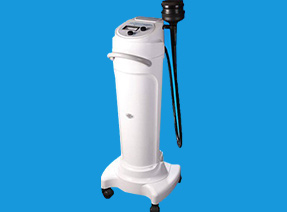
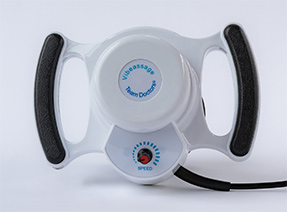
Tools such as Vibeassage® are often discussed in educational contexts.
The Vibeassage® Sport and Vibeassage® Pro feature the TDX3 soft-as-the-hand Biomimetic Applicator Pad.
Team Doctors® resources emphasize biomechanical education rather than promises.
Understanding mechanics empowers informed decision-making.
Team Doctors Resources
✓ Check out the Team Doctors Recovery Tools
The Vibeassage Sport and the Vibeassage Pro featuring the TDX3 soft-as-the-hand Biomimetic Applicator Pad
https://www.teamdoctors.com/
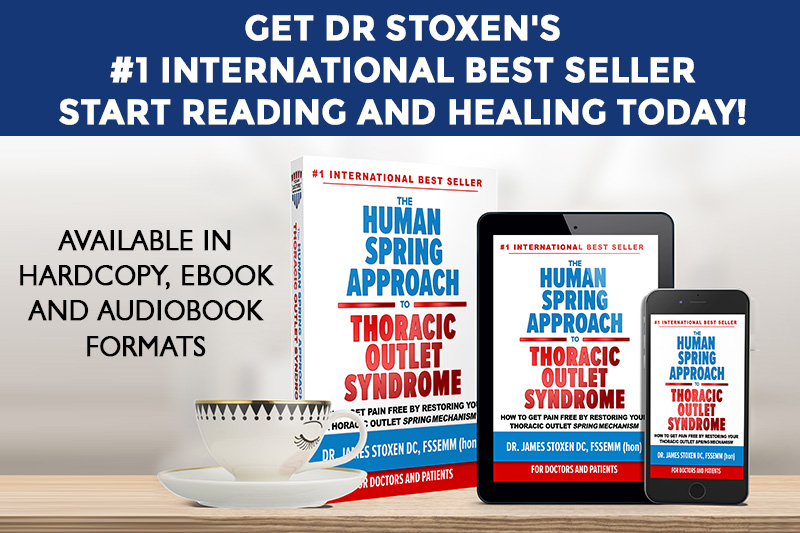
✓ Get Dr. Stoxen’s #1 International Bestselling Books
Learn how to understand, examine, and reverse your TOS—without surgery.
https://drstoxen.com/1-international-best-selling-author/
✓ Check out Team Doctors Online Courses
Step-by-step video lessons, demonstrations, and self-treatment strategies.
https://teamdoctorsacademy.com/
✓ Schedule a Free Phone Consultation With Dr. Stoxen
Speak directly with him so he can review your case and guide you on your next steps.
https://drstoxen.com/appointment/
#ThoracicOutletSyndrome #TOS #ArmPain #ShoulderPain #NerveCompression #ChronicPain #Biomechanics #Posture #MuscleGuarding #BrachialPlexus #SubclavianVessels #ShoulderMechanics #PainEducation #OrthopedicExam #MovementScience #ChronicSymptoms #UpperExtremityPain #FunctionalLimitation #PainAwareness #HealthEducation
References
- Sanders, R. J., & Hammond, S. L. “Thoracic Outlet Syndrome: A Common Sequela of Neck Injuries.” Philadelphia Hand Center, 2002. https://pubmed.ncbi.nlm.nih.gov/
- Atasoy, E. “Thoracic Outlet Compression Syndrome.” Orthopedic Clinics of North America 29, no. 2 (1998): 265–303. https://pubmed.ncbi.nlm.nih.gov/
Urschel, H. C., & Razzuk, M. A. “Neurovascular Compression in the Thoracic Outlet.” Annals of Thoracic Surgery 50, no. 4 (1990): 697–703. https://pubmed.ncbi.nlm.nih.gov/

Dr James Stoxen DC., FSSEMM (hon) He is the president of Team Doctors®, Treatment and Training Center Chicago, one of the most recognized treatment centers in the world.
Dr Stoxen is a #1 International Bestselling Author of the book, The Human Spring Approach to Thoracic Outlet Syndrome. He has lectured at more than 20 medical conferences on his Human Spring Approach to Thoracic Outlet Syndrome and asked to publish his research on this approach to treating thoracic outlet syndrome in over 30 peer review medical journals.
He has been asked to submit his other research on the human spring approach to treatment, training and prevention in over 150 peer review medical journals. He serves as the Editor-in-Chief, Journal of Orthopedic Science and Research, Executive Editor or the Journal of Trauma and Acute Care, Chief Editor, Advances in Orthopedics and Sports Medicine Journal and editorial board for over 35 peer review medical journals.
He is a much sought-after speaker. He has given over 1000 live presentations and lectured at over 70 medical conferences to over 50,000 doctors in more than 20 countries. He has been invited to speak at over 300 medical conferences which includes invitations as the keynote speaker at over 50 medical conferences.
After his groundbreaking lecture on the Integrated Spring-Mass Model at the World Congress of Sports and Exercise Medicine he was presented with an Honorary Fellowship Award by a member of the royal family, the Sultan of Pahang, for his distinguished research and contributions to the advancement of Sports and Exercise Medicine on an International level. He was inducted into the National Fitness Hall of Fame in 2008 and the Personal Trainers Hall of Fame in 2012.
Dr Stoxen has a big reputation in the entertainment industry working as a doctor for over 150 tours of elite entertainers, caring for over 1000 top celebrity entertainers and their handlers. Anthony Field or the popular children’s entertainment group, The Wiggles, wrote a book, How I Got My Wiggle Back detailing his struggles with chronic pain and clinical depression he struggled with for years. Dr Stoxen is proud to be able to assist him.
Full Bio) Dr Stoxen can be reached directly at teamdoctors@aol.com