Many individuals describe long searches for answers when upper body pain becomes overwhelming. In my clinical experience, people often watch educational videos or patient stories and suddenly recognize symptoms that match their own. This sense of connection is common because the patterns of chronic muscular pain often mimic Thoracic Outlet Syndrome in surprising ways.
One individual explained that she began learning through online lectures from Team Doctors®. She then watched a testimonial from someone who faced the same struggles she had. Both had seen many clinicians, received different explanations, and never felt that any diagnosis truly captured the complexity of their symptoms. This is a pattern I frequently see.
She recalled experiencing spikes of hypertension, fear, and confusion. Many individuals report episodes of chest tightness, arm discomfort, and breathing difficulty when muscular tension becomes severe. These symptoms often resemble more serious medical problems, which increases stress and uncertainty.
After seeking many opinions, she was told her symptoms did not arise from the outlet itself. Instead, she was experiencing chronic muscular issues that closely resembled Thoracic Outlet Syndrome. One of the key muscles involved was the short head biceps, which attaches near the rib cage. When this muscle becomes irritated, it can create sharp pain through the shoulder and a tight feeling across the chest.
For individuals who work long hours at a computer or use their phones frequently, the pectoralis minor becomes heavily activated. Overuse leads to fatigue. Fatigue leads to muscle fiber damage. This is where the cycle begins. Many individuals describe how this process creates inflammation, which then triggers a reaction in the nervous system.
When inflammation increases, the nerves send messages to the spinal cord. The spinal cord responds by activating the surrounding muscles to brace the irritated area. This protective mechanism is known as the splinting reflex, and it is designed to stabilize motion during periods of irritation. However, when it lasts too long, it creates more problems.
The longer a muscle is bracing, the more fatigued it becomes. As the fatigue worsens, the muscle fibers accumulate even more inflammation. This enhanced irritation sends additional signals to the spinal cord, which responds with stronger protective contractions. Individuals often describe the feeling as a tightening that spreads across the shoulder, neck, chest, and upper arm.
As this cycle continues, the stronger the muscles contract. These forces begin to shift parts of the upper body. The shoulder may be pulled downward due to tight anterior tissues. This shift can decrease the space near the outlet, imitating patterns associated with nerve compression, vein narrowing, or reduced arterial flow.
When the shoulder is lowered into the thoracic outlet, the surrounding tissues may press on the vein. This can create symptoms that resemble vascular compression, such as coldness, weakness in grip strength, or changes in color. Some individuals describe numbness or tingling through the arm, which are typical signs also associated with neurogenic TOS.
These symptoms often worsen at night. Many individuals say that shooting sensations down the arm disrupt sleep and contribute to fatigue. When sleep becomes poor, emotional stress increases, and the body becomes more sensitive to tension. This contributes to a cycle of inflammation, discomfort, and irritability.
People commonly describe difficulty being productive at work or fully present with family when their bodies feel tight and inflamed. Chronic discomfort can influence mood and create feelings of frustration. Understanding these patterns helps individuals see that their symptoms are part of a broader biomechanical cycle rather than a single cause.
The confusing nature of these symptoms explains why many individuals believe they have Thoracic Outlet Syndrome when the source may be muscular. For example, repetitive strain, poor posture, and prolonged device use can overload the upper body tissues. If the scalene muscles, upper trapezius, coracobrachialis, or latissimus dorsi join the guarding reflex, symptoms expand across multiple regions.
When these muscles fatigue together, the discomfort can resemble the exact patterns typically associated with TOS. Many individuals express relief when they finally understand that their symptoms have a muscular explanation.
Learning how the body responds to inflammation and strain can help individuals interpret their symptoms more clearly. Education empowers people to understand why intense guarding creates pain that is widespread, persistent, and often misinterpreted.
By understanding these mechanisms, individuals can better recognize the complexity of muscular involvement in upper body pain. Knowledge offers clarity, helping people make sense of sensations that once seemed disconnected or alarming. These patterns show that symptoms resembling Thoracic Outlet Syndrome can develop from muscular overload, fatigue, and the guarding reflex.
Team Doctors Resources
✓ Check out the Team Doctors Recovery Tools
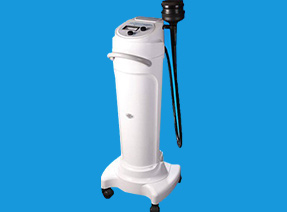
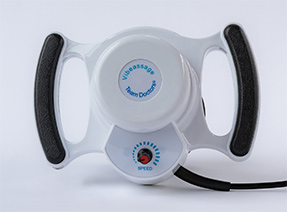
The Vibeassage Sport and the Vibeassage Pro featuring the TDX3 soft-as-the-hand Biomimetic Applicator Pad
https://www.teamdoctors.com/
✓ Get Dr. Stoxen’s #1 International Bestselling Books
Learn how to understand, examine, and reverse your TOS—without surgery.
https://drstoxen.com/1-international-best-selling-author/
✓ Check out Team Doctors Online Courses
Step-by-step video lessons, demonstrations, and self-treatment strategies.
https://teamdoctorsacademy.com/
✓ Schedule a Free Phone Consultation With Dr. Stoxen
Speak directly with him so he can review your case and guide you on your next steps.
https://drstoxen.com/appointment/
#thoracicoutletsyndrome #tos #musclespasms #pecminor #inflammation #upperbodypain #nervecompression #vascularsymptoms #musclefatigue #teamdoctors #drstoxen #painpatterns #guardingreflex #repetitivestrain #posturalstress #upperextremitypain #brachialplexus #shouldermechanics #healthawareness #movementhealth
References
[1] Sanders, Richard J., and Julie A. Annest. “Thoracic Outlet Syndrome: A Review.” Neurologic Clinics, 2008.
https://doi.org/10.1016/j.ncl.2008.02.011
[2] Hooper, Thomas L., et al. “Thoracic Outlet Syndrome: A Controversial Clinical Condition.” Part 1: Anatomy and Clinical Examination, 2010.
https://pubmed.ncbi.nlm.nih.gov/20090429/
[3] Braun, Robert M. “Pectoralis Minor Syndrome.” Hand Clinics, 2004.
https://doi.org/10.1016/j.hcl.2004.04.001
[4] Ellis, Michael R., et al. “Shoulder Girdle Biomechanics and Muscle Imbalance.” Journal of Bodywork and Movement Therapies, 2013.
https://pubmed.ncbi.nlm.nih.gov/23294686/

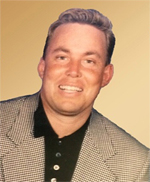
Dr James Stoxen DC., FSSEMM (hon) He is the president of Team Doctors®, Treatment and Training Center Chicago, one of the most recognized treatment centers in the world.
Dr Stoxen is a #1 International Bestselling Author of the book, The Human Spring Approach to Thoracic Outlet Syndrome. He has lectured at more than 20 medical conferences on his Human Spring Approach to Thoracic Outlet Syndrome and asked to publish his research on this approach to treating thoracic outlet syndrome in over 30 peer review medical journals.
He has been asked to submit his other research on the human spring approach to treatment, training and prevention in over 150 peer review medical journals. He serves as the Editor-in-Chief, Journal of Orthopedic Science and Research, Executive Editor or the Journal of Trauma and Acute Care, Chief Editor, Advances in Orthopedics and Sports Medicine Journal and editorial board for over 35 peer review medical journals.
He is a much sought-after speaker. He has given over 1000 live presentations and lectured at over 70 medical conferences to over 50,000 doctors in more than 20 countries. He has been invited to speak at over 300 medical conferences which includes invitations as the keynote speaker at over 50 medical conferences.
After his groundbreaking lecture on the Integrated Spring-Mass Model at the World Congress of Sports and Exercise Medicine he was presented with an Honorary Fellowship Award by a member of the royal family, the Sultan of Pahang, for his distinguished research and contributions to the advancement of Sports and Exercise Medicine on an International level. He was inducted into the National Fitness Hall of Fame in 2008 and the Personal Trainers Hall of Fame in 2012.
Dr Stoxen has a big reputation in the entertainment industry working as a doctor for over 150 tours of elite entertainers, caring for over 1000 top celebrity entertainers and their handlers. Anthony Field or the popular children’s entertainment group, The Wiggles, wrote a book, How I Got My Wiggle Back detailing his struggles with chronic pain and clinical depression he struggled with for years. Dr Stoxen is proud to be able to assist him.
Full Bio) Dr Stoxen can be reached directly at teamdoctors@aol.com