Many individuals search for answers when symptoms feel confusing, overwhelming, and persistent. In my clinical experience, people often arrive after seeing many clinicians, receiving conflicting explanations, and feeling unsure about why their pain continues. Their stories share similar patterns of frustration, especially when symptoms imitate Thoracic Outlet Syndrome. This article explores one such story and explains how chronic muscular patterns can mimic TOS in ways that mislead even experienced professionals.
One patient described watching educational material from Team Doctors® and connecting deeply with another testimonial. She explained that her own journey included severe episodes of hypertension, repeated ambulance visits, and sleepless nights. These signs often lead people to fear serious cardiovascular conditions, especially when blood pressure spikes without a clear cause. Many individuals describe similar anxiety when no one can identify what is happening.
She continued to research on her own. After comparing her symptoms with others online, she became convinced she had Thoracic Outlet Syndrome. Like many individuals, she struggled to find a clinician familiar with the full range of TOS presentations. This challenge is common, because the symptoms of TOS closely resemble patterns seen in carpal tunnel, regional pain syndrome, Raynaud’s phenomenon, and even diabetic neuropathy. When symptoms overlap, diagnosis becomes difficult.
Another individual, a physician herself, had once suspected she suffered from exertional compartment syndrome in the forearm. Her concerns were dismissed, and she pursued other medical paths. After further evaluation, the original suspicion of exertional involvement proved correct. This kind of misdirection is not unusual because overlapping symptoms can obscure the true source of pain.
Her story also included major interventions such as cervical fusion and first rib surgery. In many cases, procedures like scalenectomy or rib resection are performed to address structural compression, but they may not resolve symptoms when the primary contributors are muscular rather than structural. Many individuals describe lingering pain even after interventions intended to address the thoracic outlet.
A pattern I commonly see is that chronic muscle guarding and splinting reflexes create symptoms that feel identical to vascular or nerve compression. When the pectoralis minor becomes fatigued from repetitive computer or phone use, inflammation builds in the region. The spinal cord senses this irritation and responds with protective patterns. These reflexes involve increased contraction of surrounding structures, including the scalene muscles, upper trapezius, coracobrachialis, latissimus dorsi, and other muscles of the upper body.
As more muscles tighten, the symptoms intensify. Many individuals report numbness, tingling, and aching sensations in the arm, which are often mistaken for compression of the brachial plexus. Others describe coldness or changes in hand color, which can mimic vascular changes seen in venous compression or reduced arterial flow.
When the shoulder is dragged downward by fatigued tissues, the space near the outlet narrows. This can resemble mechanical issues traditionally associated with TOS, even if the arteries or nerves themselves are not compressed. The confusing overlap between muscular and structural contributors is one reason many individuals assume they have neurogenic TOS.
Another factor that leads to misunderstanding is the emotional effect of chronic pain. When inflammation persists, individuals often feel exhausted or stressed. Many describe difficulty sleeping due to discomfort. These emotional and physical responses can create a cycle where inflammation, guarding, and fatigue worsen together. Over time, this cycle spreads discomfort to the neck, shoulder blade region, rib cage, and upper arm.
In testimonial accounts, people often express relief when they finally receive an explanation that matches their lived experience. Understanding that their symptoms may come from widespread muscular involvement—not just a structural outlet problem—helps them make sense of confusing sensations. Learning about the role of repetitive strain, postural overload, and tissue fatigue also helps them understand why symptoms escalate during daily tasks like computer work or phone use.
This broader view does not invalidate the challenges these individuals face. Rather, it highlights the complexity of upper body biomechanics. Muscles like the short head biceps, subclavius, and pectoralis minor often work together during daily postures, and when they fatigue, they can imitate patterns linked to TOS. This is why comprehensive assessments are important, especially when symptoms extend through multiple regions.
Patient stories like this remind us that symptoms can be misleading. Pain patterns do not always indicate a single cause. Many individuals experience combinations of muscular tension, inflammation, and positional strain that together mimic Thoracic Outlet Syndrome. Recognizing these broader patterns helps individuals understand their symptoms in a clearer and more meaningful way.
In my clinical experience, education allows people to make sense of months or years of uncertainty. Understanding the relationship between repetitive activity, muscular fatigue, and the guarding reflex empowers individuals to interpret their symptoms more accurately. These insights can reduce fear, provide clarity, and open the door to better understanding of how the upper body responds to overload.
Team Doctors Resources
✓ Check out the Team Doctors Recovery Tools
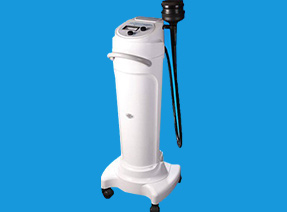
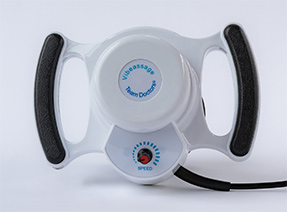
The Vibeassage Sport and the Vibeassage Pro featuring the TDX3 soft-as-the-hand Biomimetic Applicator Pad
https://www.teamdoctors.com/
✓ Get Dr. Stoxen’s #1 International Bestselling Books
Learn how to understand, examine, and reverse your TOS—without surgery.
https://drstoxen.com/1-international-best-selling-author/
✓ Check out Team Doctors Online Courses
Step-by-step video lessons, demonstrations, and self-treatment strategies.
https://teamdoctorsacademy.com/
✓ Schedule a Free Phone Consultation With Dr. Stoxen
Speak directly with him so he can review your case and guide you on your next steps.
https://drstoxen.com/appointment/
#thoracicoutletsyndrome #tos #musclepain #pecminor #inflammation #upperbodypain
#nervecompression #vascularsymptoms #musclefatigue #teamdoctors #drstoxen
#painpatterns #guardingreflex #repetitivestrain #overuseinjury #posturalstress
#upperextremitypain #brachialplexus #shouldermechanics #healthawareness
REFERENCES
[1] Sanders, Richard J., and Julie A. Annest. “Thoracic outlet syndrome: a review.” Neurologic Clinics 2008.
https://doi.org/10.1016/j.ncl.2008.02.011
[2] Hooper, Thomas L., et al. “Thoracic outlet syndrome: a controversial clinical condition.” Part 1: anatomy, and clinical examination. 2010.
https://pubmed.ncbi.nlm.nih.gov/20090429/
[3] Braun, Robert M. “Pectoralis minor syndrome.” Hand Clinics, 2004.
https://doi.org/10.1016/j.hcl.2004.04.001
[4] Ellis, Michael R., et al. “Shoulder girdle biomechanics and muscle imbalance.” Journal of Bodywork and Movement Therapies, 2013.
https://pubmed.ncbi.nlm.nih.gov/23294686/

Dr James Stoxen DC., FSSEMM (hon) He is the president of Team Doctors®, Treatment and Training Center Chicago, one of the most recognized treatment centers in the world.
Dr Stoxen is a #1 International Bestselling Author of the book, The Human Spring Approach to Thoracic Outlet Syndrome. He has lectured at more than 20 medical conferences on his Human Spring Approach to Thoracic Outlet Syndrome and asked to publish his research on this approach to treating thoracic outlet syndrome in over 30 peer review medical journals.
He has been asked to submit his other research on the human spring approach to treatment, training and prevention in over 150 peer review medical journals. He serves as the Editor-in-Chief, Journal of Orthopedic Science and Research, Executive Editor or the Journal of Trauma and Acute Care, Chief Editor, Advances in Orthopedics and Sports Medicine Journal and editorial board for over 35 peer review medical journals.
He is a much sought-after speaker. He has given over 1000 live presentations and lectured at over 70 medical conferences to over 50,000 doctors in more than 20 countries. He has been invited to speak at over 300 medical conferences which includes invitations as the keynote speaker at over 50 medical conferences.
After his groundbreaking lecture on the Integrated Spring-Mass Model at the World Congress of Sports and Exercise Medicine he was presented with an Honorary Fellowship Award by a member of the royal family, the Sultan of Pahang, for his distinguished research and contributions to the advancement of Sports and Exercise Medicine on an International level. He was inducted into the National Fitness Hall of Fame in 2008 and the Personal Trainers Hall of Fame in 2012.
Dr Stoxen has a big reputation in the entertainment industry working as a doctor for over 150 tours of elite entertainers, caring for over 1000 top celebrity entertainers and their handlers. Anthony Field or the popular children’s entertainment group, The Wiggles, wrote a book, How I Got My Wiggle Back detailing his struggles with chronic pain and clinical depression he struggled with for years. Dr Stoxen is proud to be able to assist him.
Full Bio) Dr Stoxen can be reached directly at teamdoctors@aol.com