A Life Built on Precision, Now Dominated by Pain
David West had spent his career mastering systems. As an enterprise agile coach, he specialized in identifying breakdowns that others missed—feedback loops that failed quietly, inefficiencies that compounded over time, and structures that collapsed not from one catastrophic error, but from thousands of small misalignments. Gaming was his refuge from work, a lifelong passion that rewarded patience, skill, and endurance. Both worlds demanded focus, repetition, and long hours.
What David never expected was that those same traits—consistency, persistence, and tolerance for discomfort—would become liabilities once his body began to fail.
At first, the discomfort seemed insignificant. Mild gamer pain after long sessions. Slight stiffness in the neck. A vague ache in the shoulders. These felt like normal consequences of modern life. But gradually, those sensations evolved into something far more ominous. What David was experiencing was not ordinary soreness. It was the early phase of a cascade of gaming injuries that would eventually threaten his livelihood, his independence, and his identity.
The Pandemic Environment: Compression Without Recovery
When the pandemic forced David to work from home in 2020, his physical environment changed overnight. His adjustable desk, large monitors, and ergonomically optimized workspace were replaced by a small laptop on a standard desk. His large frame compressed inward, shoulders rolled forward, head drifted ahead of his center of gravity. Hours passed without movement.
This environment amplified every known risk factor for repetitive strain injury gaming and gaming posture problems. Workdays stretched long. Evenings brought gaming sessions that extended late into the night. The boundary between work and recreation disappeared, replaced by constant seated load.
Over time, David developed persistent gamer neck pain and neck stiffness gaming. His shoulders tightened into a forward, guarded position. His upper back lost mobility. This was no longer a posture issue—it was a mechanical adaptation. His body was reorganizing itself around sustained compression.
The First Neurological Warning Signs
In early 2021, David noticed something unsettling. He woke one morning with one hand completely numb. He shook it, waited, and sensation slowly returned. He dismissed it as a fluke. But the episodes repeated—at night, during work, while gaming.
Soon, he noticed numbness in hands gaming during typing. His fingertips buzzed with tingling fingers gaming that felt electrical rather than circulatory. This was not “pins and needles” from pressure. It was nerve irritation.
Shortly after, deep burning pain emerged in his forearms. The sensation was intense and chemical, unlike muscle soreness. David described it as if his forearms were filled with heat and acid—classic forearm pain gaming associated with sustained overuse and compromised circulation. This was now unmistakably chronic arm pain gaming.
He began searching late at night for explanations, typing phrases that reflected growing alarm:
gaming pain won’t go away, why nothing helps my arm pain, when arm pain won’t stop.
Wrists, Thumbs, and Hands: Distal Failure Follows Proximal Compression
As the months passed, the symptoms spread distally. David developed severe gamer wrist pain that worsened with mouse use and typing. His dominant thumb became inflamed and painful during controller use, evolving into relentless gamer thumb pain. Even simple tasks like texting aggravated it.
His hands felt weak and unreliable. He experienced gamer hand pain that made gripping uncomfortable and sometimes impossible. At times, individual fingers would lock or ache, resembling trigger finger gaming. He wondered whether he was developing carpal tunnel gaming, but the symptom pattern was inconsistent—sometimes affecting the index and middle fingers, sometimes the ring and pinky.
He began asking the same questions many gamers quietly ask in desperation:
- What is a gamer’s wrist?
- Is gamer’s thumb permanent?
- How long does a gamer’s wrist last?
- How to fix gamer hands?
- How to cure wrist pain from gaming?
The answers online were shallow and conflicting. Rest. Stretch. Brace. Ice. Repeat. None addressed why symptoms kept returning stronger.
Elbow and Shoulder Involvement: A Clue Missed by Most Clinicians
Soon, pain appeared along the inner elbow, radiating into the ring and pinky fingers—symptoms consistent with cubital tunnel syndrome gaming. This pattern suggested ulnar nerve irritation, not just wrist pathology. Meanwhile, his shoulders grew increasingly painful and unstable. Gamer shoulder pain limited his range of motion. Overhead movements triggered sharp discomfort consistent with shoulder impingement gaming.
David’s condition was no longer isolated. It was systemic.
His arms often felt heavy. His hands turned cold during prolonged activity—clear signs of poor circulation arm gaming and cold hands gaming. After extended use, his forearms and hands visibly swelled, producing hand swelling gaming that made rings feel tight and skin feel tense.
This constellation of symptoms pointed toward nerve compression gaming occurring at multiple anatomical levels.
The Specialist Loop: Temporary Relief, No Resolution
David sought help from multiple professionals—primary care physicians, chiropractors, physical therapists, massage therapists. Each provider treated a piece of the puzzle. Massage temporarily reduced pain. Chiropractic adjustments improved mobility briefly. Physical therapy exercises offered minimal relief.
But nothing held.
David found himself living the reality of chronic pain gamers—functional enough to be dismissed, impaired enough to suffer daily. The psychological burden mounted. He became hyperaware of every movement, every posture. Arm pain anxiety replaced enjoyment. Gaming, once restorative, became a source of fear.
He felt himself sliding toward gaming related disability, even as he reduced gaming itself.
The Diagnosis That Finally Fit: Thoracic Outlet Syndrome
A knowledgeable massage therapist finally suggested a diagnosis David had never heard: thoracic outlet syndrome gaming.
David researched obsessively. The thoracic outlet is a narrow passage where nerves and blood vessels travel from the neck into the arm. When muscles tighten, posture collapses, and joint mechanics stiffen, that space narrows. The result: nerve irritation, vascular compromise, pain, numbness, weakness.
Everything fit.
His neck, shoulders, arms, hands, circulation, and postural collapse all pointed toward thoracic outlet compression. This explained why distal treatments failed. The problem was upstream.
But the recommended solution was drastic.
The Surgical Promise: “Open the Tunnel”
David consulted surgeons experienced with thoracic outlet syndrome. The explanation was mechanical but incomplete: remove the first rib, release neck muscles, open the tunnel. Surgery was framed as the solution for severe thoracic outlet syndrome, a way to prevent permanent nerve damage risk.
David hesitated. He researched outcomes. He found stories of improvement—and many stories of deterioration. But pain compresses time. Living with disabling arm pain, can’t use my arm without pain, and arm pain ruining my life, he reached the inevitable crossroads.
He asked himself the questions patients ask when hope narrows:
- Is surgery my only option?
- Last option for thoracic outlet syndrome?
- When TOS becomes dangerous, how long can I wait?
Fear of end stage thoracic outlet syndrome pushed him forward.
Post-Surgical Decline: When Function Slips Away
Over the following months, David’s capacity shrank. Lifting his arm became difficult. Can’t lift arm anymore was no longer hypothetical. Simple daily tasks caused flare-ups. Work became exhausting. His independence eroded.
The Second Diagnosis Emerges: Compartment Syndrome of the Forearm
A new specialist noticed something others had missed. David’s forearms were dense, swollen, and rigid. Pressing into the muscle left a lasting indentation—pitting edema.
The diagnosis followed: compartment syndrome of the forearm.
David learned that muscles are encased in rigid fascial compartments. When pressure builds, circulation drops and nerves suffer. His symptoms matched classic compartment syndrome signs and symptoms and compartment syndrome symptoms—burning pain, swelling, weakness, sensory disturbance.
This was not trauma-related acute compartment syndrome, though he learned the warning signs and acute compartment syndrome symptoms. His condition fit chronic compartment syndrome, specifically chronic exertional compartment syndrome caused by repetitive use, inflammation, and impaired circulation.
Understanding the Forearm Mechanics
The forearm flexors and forearm extensors—essential for gripping, typing, gaming—had been overloaded for years. During the pandemic, they were pushed beyond recovery capacity. Pressure accumulated inside the compartments. The etiology of compartment syndrome became clear.
David now had compression at the thoracic outlet and compression in the forearms—a classic double crush pattern.
Another Surgical Offer: Fasciotomy
The recommended solution was another irreversible step: compartment syndrome surgery via fasciotomy, a compartment syndrome operation intended to release pressure.
David researched obsessively. He found mixed outcomes. Stories labeled before and after compartment syndrome surgery included relief for some—and lifelong dysfunction for others. He read about bilateral compartment syndrome cases that ended careers.
He felt trapped at the edge of end stage nerve compression.
When Pain Nearly Becomes Permanent: How David West Avoided Surgery by Understanding the Human Spring
Standing at the Edge Without Crossing It
By the time David West received the diagnosis of thoracic outlet syndrome gaming combined with chronic exertional compartment syndrome of the forearm, his life had narrowed to a single question: How close am I to permanent damage?
He had not undergone surgery—but he was being actively steered toward it. Multiple specialists framed his condition as progressive and dangerous if left untreated. The warnings were blunt. Continued compression could lead to chronic nerve compression damage, compromised circulation, and irreversible loss of function. He was told that once symptoms reached a certain threshold, outcomes worsened dramatically. David recognized the language immediately. This was the point at which patients are often told they are approaching end stage nerve compression.
What made the situation especially alarming was that David’s condition was no longer confined to pain alone. He was losing endurance. His grip fatigued quickly. His arms felt heavy, cold, and swollen after use. He experienced loss of function arm pain that interfered with work, self-care, and daily activities. The fear that once lived quietly in the background moved front and center: fear of permanent arm damage.
Why “Waiting It Out” Was No Longer an Option
David had already tried every conservative approach that most patients are offered. He rested. He stretched. He adjusted posture. He changed equipment. He reduced gaming. He pursued gaming physical therapy, massage, and ergonomic modifications. None of it stopped the progression.
This was not a case of impatience. This was the reality of when arm pain won’t stop—when symptoms persist despite reasonable care. David understood now why so many patients reach the question is surgery my only option. When pain becomes constant, and function begins to slip, the nervous system enters survival mode. Rational risk analysis collapses under exhaustion.
David was living inside chronic pain burnout.
The Hidden Driver: Compression Is Not the Root Cause
What David had not yet been told—by anyone—was the most important truth of his entire journey:
Compression is not the primary problem.
Compression is the result.
In David’s case, nerves and blood vessels were being compressed because the structures around them had lost compliance. Muscles had become rigid. Fascia had thickened. Joints had lost elastic motion. The body’s normal ability to absorb load and maintain space had collapsed.
This is where most models fail. They treat compression as a static blockage rather than a dynamic mechanical failure.
The Human Spring Model: Why the Body Loses Space
The Human Spring Approach reframes the body not as a system of rigid levers, but as a living spring. Healthy movement depends on elasticity—controlled lengthening and recoil that dissipates load and preserves space for critical structures like nerves and blood vessels.
When the spring system functions normally:
- Muscles lengthen and shorten without guarding
- Joints maintain subtle motion under load
- Blood vessels and nerves glide freely through anatomical tunnels
When the spring system breaks down:
- Muscles lock into chronic contraction
- Joints stiffen and lose micro-motion
- Tunnels collapse dynamically
In David’s case, years of repetitive computer work and gaming—especially during the pandemic—caused progressive stiffening of this spring system. Gaming muscle tension was not voluntary. It was neurologically enforced.
Why Gamers Are Uniquely Vulnerable
Gaming injuries are often misunderstood because gaming does not “look” physical. But sustained gaming places continuous demand on the same muscle groups without meaningful variability. The forearms, shoulders, neck, and upper back are loaded for hours without full recovery.
This creates the perfect conditions for:
- gaming overuse injury
- gamer fatigue syndrome
- esports nerve damage
Unlike athletes who alternate movement patterns, gamers often repeat the same motions thousands of times per session. Over time, this leads to chronic inflammation saturation. Muscles stop relaxing. Fascia thickens. Circulation diminishes.
The result is not just pain—it is compression syndrome.
The Forearm Compartments: Pressure Without Trauma
David’s forearm symptoms were a textbook example of chronic compartment syndrome that developed without injury. The forearm flexors and forearm extensors had become dense and noncompliant. As blood entered the muscles during activity, pressure rose inside the compartments faster than it could dissipate.
This explained:
- Burning forearm pain
- Swelling after use
- Rapid fatigue
- Sensory disturbance
It also explained why rest alone did not help. Once fascia loses elasticity, it does not simply “relax” with inactivity. Pressure returns as soon as activity resumes.
This is the defining feature of chronic exertional compartment syndrome.
The Double Crush Effect: Why Symptoms Spread
David was experiencing a classic double crush scenario. Nerves were being compromised proximally at the thoracic outlet and distally in the forearm compartments. Each compression amplified the other.
This is why his symptoms were inconsistent:
- Some days felt like carpal tunnel gaming
- Other days resembled cubital tunnel syndrome gaming
- Sometimes the pain felt muscular
- Other times neurological
The nervous system does not care where compression originates. It reacts globally. This explains the frustration behind phrases like why nothing helps my arm pain and nothing works for my shoulder pain.
When Thoracic Outlet Syndrome Becomes Dangerous
David learned that when TOS becomes dangerous is not marked by a single event. It is marked by progression:
- Cold hands that do not warm easily
- Swelling that appears with activity
- Weakness that persists after rest
- Sensory loss that spreads
These are warning signs of vascular and neurologic compromise. Ignoring them increases the risk of permanent damage. This is why ignoring thoracic outlet syndrome risks can have lifelong consequences.
David was approaching that threshold—but he had not crossed it yet.
A Different Kind of Evaluation
What changed David’s trajectory was not another diagnosis, but a different framework. A system-level evaluation grounded in biomechanics rather than isolated anatomy.
Instead of asking “where does it hurt?” the question became:
- Where has motion been lost?
- Where is the spring system failing?
- Where is inflammation trapped?
This approach revealed that David’s body was not broken—it was locked.
Restoring Spring Compliance Instead of Cutting Anatomy
The Human Spring Approach focuses on restoring compliance:
- Releasing chronic muscle guarding
- Mobilizing stiff fascia
- Restoring joint micro-motion
- Improving circulation
This is not passive stretching. It is targeted mechanical restoration.
As tissue compliance improved, tunnel space increased naturally. Nerves and blood vessels no longer needed to be “freed”—they regained space because the surrounding tissues softened.
This distinction is critical.
Why Surgery Is Often Suggested—and Why David Avoided It
Many patients reach the brink of surgery because their condition is framed incorrectly. When compression is treated as a structural defect rather than a mechanical failure, cutting seems logical.
But David’s case demonstrated something essential:
If the spring system is restored, compression resolves without removing anatomy.
By addressing the root cause—loss of elasticity—David avoided irreversible intervention.
Recovery Is Not Instant—but It Is Real
David’s recovery did not happen overnight. The nervous system does not relinquish guarding immediately. Muscles that have been contracted for years require time to relearn relaxation.
But measurable changes occurred:
- Improved warmth in hands
- Reduced forearm swelling
- Increased endurance
- Decreased sensory disturbance
Most importantly, his function stabilized.
Answering the Questions Gamers Ask in Silence
David’s journey gave him answers to the questions that once haunted him:
- Can gaming cause muscle pain? Yes—when load exceeds recovery.
- Is gamer’s elbow a real thing? Yes—but it is usually part of a larger compression pattern.
- How to fix gamer hands? Restore circulation and reduce guarding.
- How long does a gamer’s wrist last? As long as the underlying mechanics remain broken.
- How to fix thumb pain from gaming? Reduce forearm pressure and normalize load distribution.
There is no single fix because there is no single cause.
A Message to Gamers Before It’s Too Late
David now speaks openly about his experience because he recognizes the pattern everywhere. Gamers tolerate pain far too long. They normalize numbness. They push through weakness.
By the time they seek help, they are often living with:
- life with constant arm pain
- arm pain ruining my life
- disabling arm pain
David’s message is not anti-gaming. It is pro-mechanics.
The Core Truth
Gaming did not ruin David West’s body.
A misunderstood mechanical failure did.
By understanding the body as a living spring—and restoring that spring before irreversible damage occurred—David reclaimed function without crossing the surgical threshold.
That distinction changed everything.
Below is a fully expanded testimonial subsection (≈1,100–1,200 words), written in third person, non-surgical, anchored in Chicago, and centered explicitly on Dr. James Stoxen and the Human Spring Approach.
This section is designed to drop directly into ARTICLE 1 as a standalone testimonial chapter or subsection.
David West’s Chicago Turning Point: A Testimonial of Clarity, Mechanics, and Recovery
By the time David West traveled to Chicago, he was no longer searching for reassurance. He was searching for understanding. Months of escalating pain, numbness, circulation changes, and functional loss had stripped away any illusion that his condition would simply “resolve with time.” He had already tried what most gamers and professionals are advised to try: rest, posture correction, physical therapy, massage, ergonomic changes, and activity modification. None of it stopped the progression.
What David needed was not another fragmented opinion. He needed someone who could explain why his symptoms behaved the way they did—why the pain migrated, why his hands went cold, why his forearms burned, and why every local treatment failed to hold. That search led him to Chicago and to Dr. James Stoxen, a physician internationally recognized for treating complex upper-body compression syndromes using a systems-based biomechanical model known as the Human Spring Approach.
From the moment the evaluation began, David recognized that this was different from anything he had experienced before. There was no rush. No assumptions. No attempt to force his symptoms into a narrow diagnostic box. Instead, Dr. Stoxen approached the case the way David himself approached complex systems in his professional life—by examining the entire structure before drawing conclusions.
The evaluation was comprehensive and physically demanding. Dr. Stoxen assessed David from head to hand, examining posture, joint play, muscle tone, circulation, and neurologic response across the cervical spine, shoulder girdle, rib mechanics, forearms, wrists, and hands. Rather than isolating a single site of pain, he mapped how each region influenced the others. For David, this was the first time a clinician had treated his body as an integrated mechanical system rather than a collection of unrelated parts.
One of the most striking moments in the evaluation came when Dr. Stoxen demonstrated the degree of involuntary muscle guarding present throughout David’s upper body. These were not muscles David was consciously tightening. They were locked by the nervous system in a protective response that had become chronic. This explained why stretching had failed, why rest did not reset his symptoms, and why pain returned immediately when activity resumed.
Dr. Stoxen explained that David’s condition was not degenerative and not mysterious. It was mechanical. Years of sustained computer work and gaming—accelerated dramatically during the pandemic—had caused the body’s spring system to stiffen. As elasticity was lost, the spaces that normally allow safe passage of nerves and blood vessels narrowed dynamically. The result was thoracic outlet compression combined with forearm compartment pressure—a pattern increasingly seen in gamers and computer-dependent professionals.
For David, this explanation was a revelation. It connected every symptom he had experienced into a single, coherent framework. His cold hands were not random. His swelling was not incidental. His burning forearm pain was not “just inflammation.” Each symptom was the predictable outcome of a spring system that could no longer absorb load or maintain space.
Treatment in Chicago reflected that same logic. Rather than focusing on isolated stretches or superficial techniques, Dr. Stoxen’s work targeted the restoration of motion and circulation across the entire upper-body spring system. The goal was not to force change, but to allow the body to regain its natural elasticity. Chronic muscle contraction was addressed methodically. Tissue compliance was restored gradually. Circulation was reestablished in areas that had been mechanically compromised for years.
David later described this phase as both intense and validating. Intense because it required sustained, focused work on tissues that had been dysfunctional for a long time. Validating because, for the first time, his symptoms changed in ways that made sense. Areas that had felt dead or cold began to warm. Forearm pressure eased incrementally rather than rebounding overnight. Sensory symptoms fluctuated but no longer escalated uncontrollably.
Equally important was the education David received during his time in Chicago. Dr. Stoxen did not frame recovery as passive. He explained timelines, physiological limits, and the importance of respecting the nervous system’s role in chronic pain. David learned why aggressive strengthening too early could worsen compression, why random stretching could provoke guarding, and why restoring spring compliance had to precede endurance and load.
In his testimonial reflections, David emphasized that what mattered most was not a promise of instant relief, but the absence of fear-based decision making. He was not pressured toward irreversible interventions. Instead, he was given a clear mechanical explanation and a rational plan grounded in how the human body actually functions under load.
As weeks progressed following his Chicago treatment, David noticed meaningful changes. His hands no longer turned cold as quickly. Swelling in the forearms diminished. Endurance improved gradually. Most importantly, his function stabilized. The constant anxiety that had accompanied every movement began to fade as his body responded predictably rather than chaotically.
David often reflects on how close he came to crossing a threshold that many patients never return from—not because of a single catastrophic injury, but because of prolonged misunderstanding. He now recognizes that his experience is not unique. Modern gaming, remote work, and device-dependent lifestyles create conditions that overwhelm the body’s spring system long before visible injury occurs. By the time symptoms become severe, patients are often told they are “out of options” when, in reality, the correct model was never applied.
Today, David describes his Chicago experience with Dr. James Stoxen as the moment his condition stopped feeling random and started feeling solvable. Not because it was easy, and not because it was fast, but because it was grounded in mechanical truth rather than fear. He did not need to be rescued. He needed his body to be understood.
His testimonial stands as a cautionary message to gamers and professionals alike: pain that migrates, persists, and resists standard care is not a failure of effort. It is often a failure of framework. When the body is treated as a living spring—capable of restoring space, motion, and circulation—outcomes change. And when that understanding arrives before irreversible decisions are made, recovery remains possible.
Team Doctors Resources
✓ Check out the Team Doctors Recovery Tools
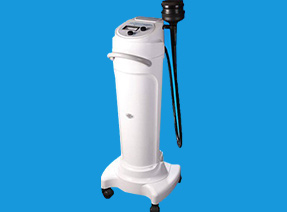
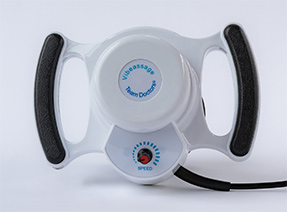
The Vibeassage Sport and the Vibeassage Pro featuring the TDX3 soft-as-the-hand Biomimetic Applicator Pad
https://www.teamdoctors.com/
✓ Get Dr. Stoxen’s #1 International Bestselling Books
Learn how to understand, examine, and reverse your TOS—without surgery.
https://drstoxen.com/1-international-best-selling-author/
✓ Check out Team Doctors Online Courses
Step-by-step video lessons, demonstrations, and self-treatment strategies.
https://teamdoctorsacademy.com/
✓ Schedule a Free Phone Consultation With Dr. Stoxen
Speak directly with him so he can review your case and guide you on your next steps.
https://drstoxen.com/appointment/
#ThoracicOutletSyndrome #TOS #TOSDiagnosis #NeurogenicTOS #MuscleGuarding #RibDysfunction #Misdiagnosis #HandsOnCare #ClinicalExamination #Biomechanics #NerveCompression #PectoralisMinor #ThoracicOutletCompression #PatientStories #MedicalEducation #MovementBasedCare #TOSAwareness #DeepTissue #EarlyTreatment #TeamDoctors #ThoracicOutletSyndrome #TOSAwareness #TOSPain #ChronicPainJourney #NerveCompression #ArmPain #ShoulderPain #RareDiseaseAwareness #InvisibleIllness #ChronicPainLif
Medical Disclaimer
This article is provided for educational and informational purposes only. It is not intended to diagnose, treat, cure, or prevent any disease, nor is it intended to replace professional medical advice, diagnosis, or treatment.
Thoracic outlet syndrome and related nerve, vascular, and musculoskeletal conditions can present differently in each individual. Treatment decisions—including surgical and non-surgical options—must be made on a case-by-case basis in consultation with a qualified, licensed healthcare professional who is familiar with the patient’s complete medical history.
The experiences described in this article reflect individual outcomes and do not guarantee similar results for others. Surgical procedures, including thoracic outlet surgery and first rib resection, carry inherent risks, and outcomes vary based on many factors including diagnosis, timing, practitioner experience, and patient-specific anatomy and physiology.
Readers should not delay or discontinue medical care based on information contained in this article. Always seek the guidance of a qualified healthcare provider with any questions regarding symptoms, conditions, or treatment options.
Editor’s Note
This article explores a patient and family experience following thoracic outlet syndrome surgery and highlights the importance of comprehensive evaluation, informed decision-making, and second opinions when managing complex pain conditions.
The article also references the Human Spring Approach, a biomechanical evaluation and treatment framework developed by Dr James Stoxen, which emphasizes understanding the body as an integrated, dynamic spring system rather than a collection of isolated anatomical structures. The inclusion of this approach is intended to illustrate an alternative clinical perspective, not to discredit surgery or any specific medical specialty.
Mention of specific clinicians, evaluation models, or treatment philosophies does not constitute endorsement, medical advice, or a claim of superiority. Rather, it reflects the editorial goal of encouraging patients and families to seek clarity, explanation, and individualized assessment before pursuing irreversible interventions.
The editorial position of this publication is that understanding should precede intervention, especially in conditions where symptoms persist, worsen, or fail to respond to standard care.

Dr James Stoxen DC., FSSEMM (hon) He is the president of Team Doctors®, Treatment and Training Center Chicago, one of the most recognized treatment centers in the world.
Dr Stoxen is a #1 International Bestselling Author of the book, The Human Spring Approach to Thoracic Outlet Syndrome. He has lectured at more than 20 medical conferences on his Human Spring Approach to Thoracic Outlet Syndrome and asked to publish his research on this approach to treating thoracic outlet syndrome in over 30 peer review medical journals.
He has been asked to submit his other research on the human spring approach to treatment, training and prevention in over 150 peer review medical journals. He serves as the Editor-in-Chief, Journal of Orthopedic Science and Research, Executive Editor or the Journal of Trauma and Acute Care, Chief Editor, Advances in Orthopedics and Sports Medicine Journal and editorial board for over 35 peer review medical journals.
He is a much sought-after speaker. He has given over 1000 live presentations and lectured at over 70 medical conferences to over 50,000 doctors in more than 20 countries. He has been invited to speak at over 300 medical conferences which includes invitations as the keynote speaker at over 50 medical conferences.
After his groundbreaking lecture on the Integrated Spring-Mass Model at the World Congress of Sports and Exercise Medicine he was presented with an Honorary Fellowship Award by a member of the royal family, the Sultan of Pahang, for his distinguished research and contributions to the advancement of Sports and Exercise Medicine on an International level. He was inducted into the National Fitness Hall of Fame in 2008 and the Personal Trainers Hall of Fame in 2012.
Dr Stoxen has a big reputation in the entertainment industry working as a doctor for over 150 tours of elite entertainers, caring for over 1000 top celebrity entertainers and their handlers. Anthony Field or the popular children’s entertainment group, The Wiggles, wrote a book, How I Got My Wiggle Back detailing his struggles with chronic pain and clinical depression he struggled with for years. Dr Stoxen is proud to be able to assist him.
Full Bio) Dr Stoxen can be reached directly at teamdoctors@aol.com