Why Thoracic Outlet Syndrome Surgery Is Often Recommended Too Quickly
Patients often ask why surgeons recommend first rib resection and scalenectomy so early in the course of Thoracic Outlet Syndrome. In theory, surgery is intended to create space in a narrowed thoracic outlet. In practice, the reasons surgery is offered are far more varied—and not always aligned with true structural necessity.
In my clinical experience, surgery is recommended for several different reasons. Sometimes patients are exhausted from pain and feel desperate for relief. Sometimes imaging or clinical narratives appear to support a surgical explanation. In other cases, arterial or venous findings create urgency. But cutting bone and muscle does not guarantee resolution of symptoms.
Removing tissue permanently alters anatomy. Once ribs or stabilizing muscles are removed, they cannot be replaced. If the primary source of compression is not addressed, patients may be left with persistent nerve symptoms, chronic pain, or new biomechanical instability.
True surgical indications for opening the thoracic outlet are relatively narrow. Clear arterial compromise—such as a cold hand, progressive muscle atrophy, or declining grip strength—represents a structural threat to limb viability. Likewise, an acute venous thrombosis that threatens the limb or has produced pulmonary emboli may require emergency intervention.
Historically, first rib resection emerged as a life-saving procedure for severe subclavian vein thrombosis. In those cases, surgery was performed to prevent limb loss or fatal complications. Pain alone was not the indication.
Today, however, many individuals are offered rib removal for pain as the primary symptom. Pain is real, but pain is not the same as structural arterial or venous failure. Pain is a nervous system experience, not something that can be reliably “cut out.”
Thoracic Outlet Syndrome involves multiple potential choke points. At least four distinct regions can narrow the outlet:
- Scalene muscle guarding, which lifts the first rib upward into the outlet
- The space beneath the clavicle, where shoulder mechanics matter
- Pectoralis minor tightening, which drags the shoulder downward
- A forward-shifted shoulder or hyper-abduction pattern that requires hands-on evaluation
If a clinician focuses only on the scalenes and first rib without evaluating the other choke points, the root problem may remain untouched. Removing muscles and bone does not correct a down-dropped shoulder, chronic chest-wall guarding, or movement-driven compression.
In my clinical observation, some patients undergo cervical spine surgery, artificial disc replacement, and eventually thoracic outlet surgery—yet their symptoms persist. Years later, careful evaluation reveals that the true drivers were longstanding chest and shoulder muscle splinting from repetitive activities, technology posture, or occupational strain.
Surgery carries real risk. These risks include persistent pain, increased numbness, vascular injury, clot formation, and clots that can migrate to the lungs. In rare but catastrophic cases, surgical complications can threaten the limb itself.
This is why conservative evaluation matters. In many cases, inflammation-driven muscle guarding is the mechanism narrowing the outlet. When inflammation activates protective spinal reflexes, muscles splint and pull bones into compressive positions. If that reflex is not addressed, surgery may fail to resolve symptoms.
Targeted deep-tissue approaches that clear inflammation and release guarding can reduce compression without removing structural tissue. These methods aim to restore natural mechanics rather than permanently altering anatomy.
Before agreeing to surgery, patients benefit from careful secondary opinions—not just from another vascular surgeon, but from clinicians who evaluate posture, muscle behavior, and biomechanics in detail. The key question is not “Is there pain?” but “Is there arterial or venous threat?”
Understanding the true indication is critical. Is surgery being recommended because of objective vascular compromise, or because pain and guarding have not yet been addressed adequately through conservative means?
Making this distinction can prevent unnecessary operations and long-term disability. Surgery has an important role in specific, well-defined situations. Outside of those indications, removing ribs and muscles may not only fail to solve the problem—it may create new ones.
An informed decision requires clarity about anatomy, mechanics, and risk. When patients understand why surgery is indicated—and when it is not—they regain agency in choosing a path that aligns with their condition rather than defaulting to irreversible procedures.
Team Doctors Resources
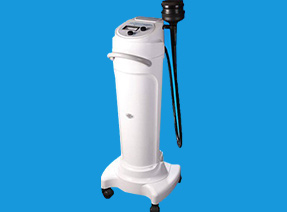
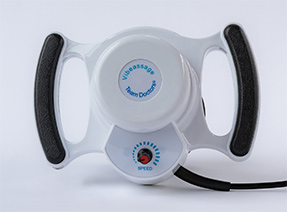
✓ Check out the Team Doctors Recovery Tools
The Vibeassage® Sport and the Vibeassage® Pro featuring the TDX3 soft-as-the-hand Biomimetic Applicator Pad
https://www.teamdoctors.com/
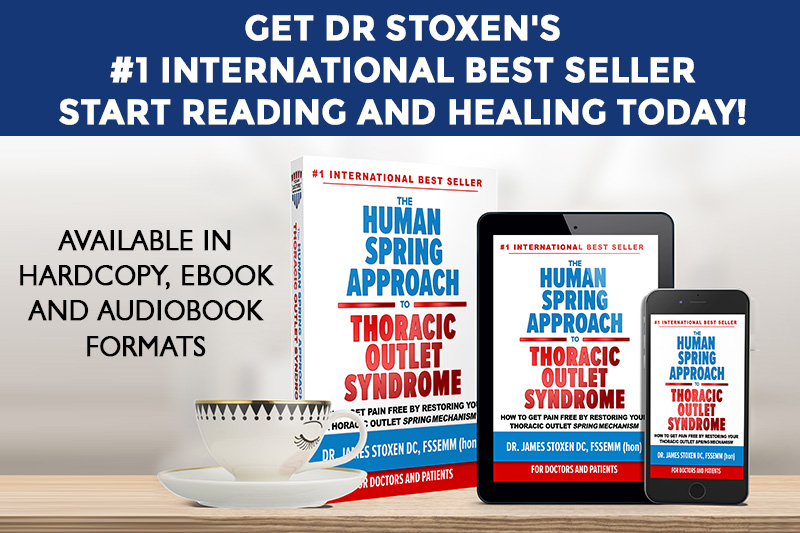
✓ Get Dr. Stoxen’s #1 International Bestselling Books
Learn how to understand, examine, and reverse your TOS—without surgery.
https://drstoxen.com/1-international-best-selling-author/
✓ Check out Team Doctors Online Courses
Step-by-step video lessons, demonstrations, and self-treatment strategies.
https://teamdoctorsacademy.com/
✓ Schedule a Free Phone Consultation With Dr. Stoxen
Speak directly with him so he can review your case and guide you on your next steps.
https://drstoxen.com/appointment/
#ThoracicOutletSyndrome #TOS #TOSSurgery #FirstRibResection #Scalenectomy #VascularCompression #NerveCompression #ChronicPain #Biomechanics #MuscleGuarding #SurgicalRisk #InformedConsent #SecondOpinion #TOSAwareness #WhatDoesntWork #WhatWorks #TeamDoctors #DrStoxen #UpperExtremityPain #PatientEducation
References
- Illig, K. A., et al. “Thoracic Outlet Syndrome.” Journal of Vascular Surgery, 2010.
- Sanders, R. J., and Hammond, S. L. “Thoracic Outlet Syndrome: A Review.” Neurologic Clinics, 2009.
- Urschel, H. C., and Razzuk, M. A. “Paget–Schroetter Syndrome.” Annals of Thoracic Surgery, 2000.
- Novak, C. B., and Mackinnon, S. E. “Thoracic Outlet Syndrome.” Current Problems in Surgery, 2002.

Dr James Stoxen DC., FSSEMM (hon) He is the president of Team Doctors®, Treatment and Training Center Chicago, one of the most recognized treatment centers in the world.
Dr Stoxen is a #1 International Bestselling Author of the book, The Human Spring Approach to Thoracic Outlet Syndrome. He has lectured at more than 20 medical conferences on his Human Spring Approach to Thoracic Outlet Syndrome and asked to publish his research on this approach to treating thoracic outlet syndrome in over 30 peer review medical journals.
He has been asked to submit his other research on the human spring approach to treatment, training and prevention in over 150 peer review medical journals. He serves as the Editor-in-Chief, Journal of Orthopedic Science and Research, Executive Editor or the Journal of Trauma and Acute Care, Chief Editor, Advances in Orthopedics and Sports Medicine Journal and editorial board for over 35 peer review medical journals.
He is a much sought-after speaker. He has given over 1000 live presentations and lectured at over 70 medical conferences to over 50,000 doctors in more than 20 countries. He has been invited to speak at over 300 medical conferences which includes invitations as the keynote speaker at over 50 medical conferences.
After his groundbreaking lecture on the Integrated Spring-Mass Model at the World Congress of Sports and Exercise Medicine he was presented with an Honorary Fellowship Award by a member of the royal family, the Sultan of Pahang, for his distinguished research and contributions to the advancement of Sports and Exercise Medicine on an International level. He was inducted into the National Fitness Hall of Fame in 2008 and the Personal Trainers Hall of Fame in 2012.
Dr Stoxen has a big reputation in the entertainment industry working as a doctor for over 150 tours of elite entertainers, caring for over 1000 top celebrity entertainers and their handlers. Anthony Field or the popular children’s entertainment group, The Wiggles, wrote a book, How I Got My Wiggle Back detailing his struggles with chronic pain and clinical depression he struggled with for years. Dr Stoxen is proud to be able to assist him.
Full Bio) Dr Stoxen can be reached directly at teamdoctors@aol.com