When Correct Diagnosis Changes the Outcome in Thoracic Outlet Syndrome
When a patient travels more than 9,000 miles for severe Thoracic Outlet Syndrome evaluation and allows only five days for change, the pressure feels intense. Many assume this urgency forces a different level of focus. In reality, my clinical process does not change. The objective remains consistent for every individual I examine: decompress the thoracic outlet by the end of the third day, then use the remaining time to refine mechanics and address contributing factors.
In my clinical experience, Thoracic Outlet Syndrome diagnosis is the defining factor between full functional recovery and unnecessary surgical intervention. When evaluation misses the true source of compression, outcomes suffer. When assessment is accurate, results can be dramatic.
Thoracic Outlet Syndrome is not a single structural defect. It is a mechanical environment influenced by posture, muscle tone, inflammation, and movement patterns. When clinicians focus only on imaging or isolated findings, they often overlook the true driver of symptoms. This is where TOS misdiagnosis becomes dangerous.
Two real-world cases illustrate how profoundly outcomes depend on proper evaluation.
The first case involved Jannelle, who traveled from Australia after developing severe arm pain and weakness following a push-up challenge. Her symptoms progressed rapidly, and she began losing strength. During a remote examination, I immediately observed profound hand and arm atrophy. This level of tissue change suggested vascular insufficiency, despite her symptoms being present for only a few months.
This discrepancy raised concern. Muscle atrophy of that severity does not occur without compromised circulation. It indicated that thoracic outlet compression had been present longer than her pain history suggested. Static imaging alone would not have explained this finding.
Jannelle traveled to Chicago for in-person evaluation. Over five days, the focus remained consistent: reduce inflammation, release muscle guarding, restore rib and shoulder mobility, and normalize blood flow through the thoracic outlet. By the end of the treatment period, her symptoms had resolved. Strength returned, pain disappeared, and function normalized.
Her outcome underscores the importance of targeted treatment based on accurate mechanical assessment. The issue was not nerve damage requiring removal of ribs or neck muscles. It was a functional compression driven by soft tissue behavior and inflammation.
A critical lesson from her case is the risk of exercising through symptoms. Upper-body exercise dramatically increases arterial inflow to the arm. If venous outflow is restricted, blood enters faster than it can exit. This results in congestion, swelling, and increased pressure within the limb. Over time, this can lead to effort thrombosis, also known as Paget-Schroetter syndrome.
Once a clot is identified, surgical pathways often activate automatically. Many patients are unaware how close they are to invasive procedures because the underlying compression was never identified or addressed early.
The second case involved an 18-year-old male in London who developed sudden arm swelling after a workout. He was diagnosed with a subclavian vein clot and immediately advised to undergo first rib resection and scalenectomy. His father hesitated, sensing something was missing from the explanation. Physicians reportedly applied pressure, emphasizing urgency and risk.
After travel restrictions lifted, I examined the young man personally. His rib motion was symmetrical. His scalene muscles showed no signs of inflammation or guarding. The expected contributors to thoracic outlet narrowing were absent. Instead, the primary restriction came from severe splinting in the coracobrachialis and short head of the biceps.
These muscles were pulling the shoulder girdle downward, collapsing the thoracic outlet dynamically. This created venous obstruction during activity without any fixed structural abnormality. The clot was not caused by bone position but by sustained soft tissue compression.
After releasing the guarded tissues and restoring shoulder mechanics, the young man recovered fully. No surgery was performed. No ribs or neck muscles were removed. Four years later, he remains symptom-free with full function. His father later stated that had they followed the initial recommendations, his son would have lost ribs and neck muscles unnecessarily.
These cases highlight a fundamental problem in modern care: first rib resection and scalenectomy are often recommended without confirming whether those structures are the true source of compression. Many surgeons do not palpate soft tissues, assess rib mobility, or evaluate dynamic biomechanics.
Once removed, bones and muscles cannot be replaced. This is why nerve compression and vascular symptoms must be evaluated mechanically before irreversible decisions are made.
Thoracic Outlet Syndrome is frequently misunderstood because it behaves dynamically. Symptoms fluctuate with posture, fatigue, and activity. Static imaging fails to capture these changes. When evaluation ignores movement, biomechanical dysfunction remains invisible.
The most important message for patients is this: always seek a second opinion before agreeing to thoracic outlet surgery. Structural problems are often assumed when muscle-driven compression is the true cause. Accurate diagnosis protects patients from unnecessary procedures and preserves long-term function.
Correct diagnosis changes lives. Targeted care restores function. Misdiagnosis removes anatomy that never needed to be sacrificed.
Team Doctors Resources
✓ Check out the Team Doctors Recovery Tools
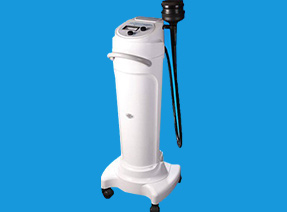
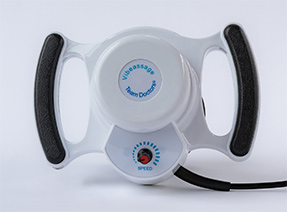
The Vibeassage® Sport and the Vibeassage® Pro featuring the TDX3 soft-as-the-hand Biomimetic Applicator Pad
https://www.teamdoctors.com/
✓ Get Dr. Stoxen’s #1 International Bestselling Books
Learn how to understand, examine, and reverse your TOS—without surgery.
https://drstoxen.com/1-international-best-selling-author/
✓ Check out Team Doctors Online Courses
Step-by-step video lessons, demonstrations, and self-treatment strategies.
https://teamdoctorsacademy.com/
✓ Schedule a Free Phone Consultation With Dr. Stoxen
Speak directly with him so he can review your case and guide you on your next steps.
https://drstoxen.com/appointment/
#ThoracicOutletSyndrome #TOS #CaseStudy #Misdiagnosis #VascularCompression #NerveCompression #EffortThrombosis #PagetSchroetter #Biomechanics #MuscleGuarding #ChronicPain #UpperExtremityPain #ClinicalEducation #SecondOpinion #HealthcareDecisions #TeamDoctors #DrStoxen #PatientAwareness #NoUnnecessarySurgery #TOSAwareness
References
- Sanders, R. J., and Hammond, S. L. “Thoracic Outlet Syndrome: A Review.” Neurologic Clinics, 2009.
- Illig, K. A., et al. “Thoracic Outlet Syndrome.” Journal of Vascular Surgery, 2010.
- Urschel, H. C., and Razzuk, M. A. “Paget-Schroetter Syndrome.” Annals of Thoracic Surgery, 2000.
- Butler, D. S., and Moseley, G. L. Explain Pain. Noigroup Publications, 2013.

Dr James Stoxen DC., FSSEMM (hon) He is the president of Team Doctors®, Treatment and Training Center Chicago, one of the most recognized treatment centers in the world.
Dr Stoxen is a #1 International Bestselling Author of the book, The Human Spring Approach to Thoracic Outlet Syndrome. He has lectured at more than 20 medical conferences on his Human Spring Approach to Thoracic Outlet Syndrome and asked to publish his research on this approach to treating thoracic outlet syndrome in over 30 peer review medical journals.
He has been asked to submit his other research on the human spring approach to treatment, training and prevention in over 150 peer review medical journals. He serves as the Editor-in-Chief, Journal of Orthopedic Science and Research, Executive Editor or the Journal of Trauma and Acute Care, Chief Editor, Advances in Orthopedics and Sports Medicine Journal and editorial board for over 35 peer review medical journals.
He is a much sought-after speaker. He has given over 1000 live presentations and lectured at over 70 medical conferences to over 50,000 doctors in more than 20 countries. He has been invited to speak at over 300 medical conferences which includes invitations as the keynote speaker at over 50 medical conferences.
After his groundbreaking lecture on the Integrated Spring-Mass Model at the World Congress of Sports and Exercise Medicine he was presented with an Honorary Fellowship Award by a member of the royal family, the Sultan of Pahang, for his distinguished research and contributions to the advancement of Sports and Exercise Medicine on an International level. He was inducted into the National Fitness Hall of Fame in 2008 and the Personal Trainers Hall of Fame in 2012.
Dr Stoxen has a big reputation in the entertainment industry working as a doctor for over 150 tours of elite entertainers, caring for over 1000 top celebrity entertainers and their handlers. Anthony Field or the popular children’s entertainment group, The Wiggles, wrote a book, How I Got My Wiggle Back detailing his struggles with chronic pain and clinical depression he struggled with for years. Dr Stoxen is proud to be able to assist him.
Full Bio) Dr Stoxen can be reached directly at teamdoctors@aol.com