Why Botox in the Traps Can Make Thoracic Outlet Problems Worse
Many people are told that Botox is a “simple” way to relax tight neck or shoulder muscles. The truth is this: when it is injected into the wrong muscle, it can create a serious problem—especially for people dealing with Thoracic Outlet Syndrome.
One patient learned this the hard way. She was told it was “safe” to inject her tight trapezius muscles. Within hours, her shoulder collapsed, her arm weakened, and she struggled with basic movement for weeks. Her symptoms improved only after the Botox wore off.
This article explains why that happened, and why shutting down key stabilizing muscles can worsen TOS symptoms.
How the Traps Support the Thoracic Outlet
The trapezius muscles do more than lift your shoulders. They help suspend the entire shoulder girdle and keep space open in the thoracic outlet.
When the traps are working correctly, they hold the nerves, artery, and vein up and away from compression. Your shoulder stays supported. The outlet stays open. Movement is easier and safer.
When Botox shuts off the traps, all of this changes instantly.
What Happens When Botox Shuts the Traps Off
Botox temporarily disables the muscle it is injected into. Most people don’t realize how important the traps are until they stop working.
Here’s what can happen:
- The nerve supply to the traps goes silent
- The shoulder drops lower
- The thoracic outlet collapses
- Space around the nerves tightens
- Circulation becomes restricted
- Symptoms like numbness, heaviness, and weakness increase
For the patient in this story, her arm became almost unusable for three weeks. The muscles simply could not hold the shoulder in place.
Why This Is a Problem for People With TOS
People dealing with Thoracic Outlet Syndrome already have less space in the outlet. The nerves, artery, or vein are more sensitive to position changes. When a major stabilizing muscle is shut off, even temporarily, the reduced support can make symptoms much worse.
Here are the specific reasons:
- The traps help lift and stabilize the shoulder, protecting the outlet
- Botox lowers the shoulder suddenly
- A dropped shoulder increases tension on the brachial plexus
- Blood flow can be affected when the outlet narrows
- Weakness in support muscles can overload other muscles
- This creates more compression, not less
Once the Botox wears off, the muscles wake up again, and the shoulder rises. But those weeks of weakness can be a major setback.
Why People Seek Botox for TOS Symptoms
Most people try Botox because they feel tightness, spasms, or tension in the neck or shoulders. It feels logical to “relax” the muscle. The problem is that many TOS-related tight muscles are reacting to instability—not causing it.
When the support system is weak, the body tightens other muscles to protect the nerves. Shutting off a stabilizer doesn’t solve that problem. It removes the protection and can increase compression.
Understanding the Real Cause of Muscle Tightness in TOS
Tight muscles around the thoracic outlet are often doing extra work. They’re compensating for:
- Shoulder instability
- Weak deep stabilizers
- Postural collapse
- Scar tissue or inflammation
- Overuse
- Poor movement patterns
If you shut off the wrong muscle, the entire system can collapse.
Safer Ways to Reduce Tension Without Shutting Down Muscles
There are ways to reduce tightness without disabling the traps or destabilizing the shoulder. These approaches support the outlet instead of weakening it.
Strategies may include:
- Restoring shoulder suspension
- Improving joint play in the upper body
- Opening space around the scalene triangle
- Releasing pressure around the costoclavicular space
- Training the shoulder to lift and stabilize naturally
- Strengthening supporting muscles
- Improving blood flow and tissue mobility
- Using gentle vibration-based treatments to calm tension without weakening muscles
These methods work with the body, not against it.
The Key Takeaway
If you have Thoracic Outlet Syndrome, be cautious with any treatment that shuts off stabilizing muscles. The traps are part of the support system that protects the nerves, artery, and vein in the outlet. Weakening them—especially with Botox—can lead to more compression, more symptoms, and more frustration.
Knowledge helps you protect yourself. Understanding how these muscles work gives you the power to make safer choices.
Team Doctors Resources
✓ Check out the Team Doctors Recovery Tools
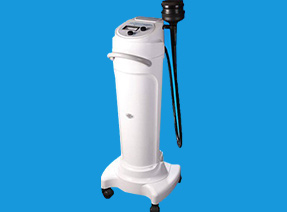
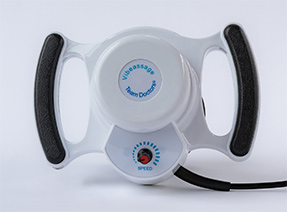
The Vibeassage Sport and the Vibeassage Pro featuring the TDX3 soft-as-the-hand Biomimetic Applicator Pad
https://www.teamdoctors.com
✓ Get Dr. Stoxen’s #1 International Bestselling Books
Learn how to understand, examine, and reverse your TOS—without surgery.
https://drstoxen.com/1-international-best-selling-author
✓ Check out Team Doctors Online Courses
Step-by-step video lessons, demonstrations, and self-treatment strategies.
https://teamdoctorsacademy.com
✓ Schedule a Free Phone Consultation With Dr. Stoxen
Speak directly with him so he can review your case and guide you on your next steps.
https://drstoxen.com/appointment
#thoracicoutletsyndrome #TOS #TOSAwareness #TOSHelp #ThoracicOutlet #ThoracicOutletAnatomy #NeckPain #ShoulderPain #NerveCompression #BrachialPlexus #CompressionSyndrome #PostureHelp #ScaleneMuscles #Costoclavicular #OutletCompression #TeamDoctors #DrStoxen #WorldwideTreatment #HouseCallDoctor #PainEducation

Dr James Stoxen DC., FSSEMM (hon) He is the president of Team Doctors®, Treatment and Training Center Chicago, one of the most recognized treatment centers in the world.
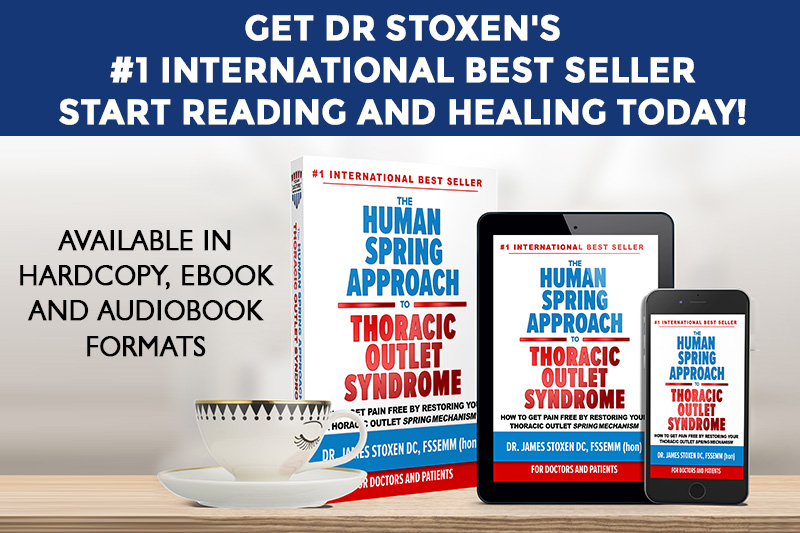
Dr Stoxen is a #1 International Bestselling Author of the book, The Human Spring Approach to Thoracic Outlet Syndrome. He has lectured at more than 20 medical conferences on his Human Spring Approach to Thoracic Outlet Syndrome and asked to publish his research on this approach to treating thoracic outlet syndrome in over 30 peer review medical journals.
He has been asked to submit his other research on the human spring approach to treatment, training and prevention in over 150 peer review medical journals. He serves as the Editor-in-Chief, Journal of Orthopedic Science and Research, Executive Editor or the Journal of Trauma and Acute Care, Chief Editor, Advances in Orthopedics and Sports Medicine Journal and editorial board for over 35 peer review medical journals.
He is a much sought-after speaker. He has given over 1000 live presentations and lectured at over 70 medical conferences to over 50,000 doctors in more than 20 countries. He has been invited to speak at over 300 medical conferences which includes invitations as the keynote speaker at over 50 medical conferences.
After his groundbreaking lecture on the Integrated Spring-Mass Model at the World Congress of Sports and Exercise Medicine he was presented with an Honorary Fellowship Award by a member of the royal family, the Sultan of Pahang, for his distinguished research and contributions to the advancement of Sports and Exercise Medicine on an International level. He was inducted into the National Fitness Hall of Fame in 2008 and the Personal Trainers Hall of Fame in 2012.
Dr Stoxen has a big reputation in the entertainment industry working as a doctor for over 150 tours of elite entertainers, caring for over 1000 top celebrity entertainers and their handlers. Anthony Field or the popular children’s entertainment group, The Wiggles, wrote a book, How I Got My Wiggle Back detailing his struggles with chronic pain and clinical depression he struggled with for years. Dr Stoxen is proud to be able to assist him.
Full Bio) Dr Stoxen can be reached directly at teamdoctors@aol.com