Venous Thoracic Outlet Syndrome is frequently misunderstood, even by experienced clinicians.
Patients are often told that any vascular form of Thoracic Outlet Syndrome must produce dramatic color changes in the hand.
This assumption leads to confusion, mislabeling of symptoms, and inappropriate diagnostic pathways.
In Thoracic Outlet Syndrome, arteries and veins perform very different physiological roles.
Understanding these roles is essential for interpreting symptoms correctly.
The artery supplies warm, oxygenated blood to the upper limb, while the vein functions as a drainage channel.
One of the most common reasons patients seek care is arm swelling.
Swelling immediately signals a vascular issue, but it does not automatically define which vessel is involved.
Venous congestion produces volume changes rather than temperature changes.
Venous compression affects blood leaving the arm, not blood entering it.
When venous outflow is restricted, pressure builds within the limb.
This leads to fullness, heaviness, and distension rather than coldness.
Patients with venous obstruction often describe upper extremity swelling after activity.
The swelling may worsen with repetitive motion or sustained arm elevation.
Symptoms often fluctuate depending on workload and posture.
In contrast, arterial compression limits blood supply to the hand.
When oxygenated blood cannot reach the tissues, the hand cools.
This is when color changes emerge.
Color changes are therefore not a hallmark of venous disease.
They are indicators of compromised arterial inflow.
This distinction is foundational in vascular evaluation.
Some patients with venous Thoracic Outlet Syndrome report a heavy feeling in arm.
This sensation reflects venous pressure accumulation.
It often increases as the arm remains dependent or overhead.
Visible superficial veins across the shoulder or chest are also common.
These enlarged vessels represent compensatory pathways.
The body attempts to reroute blood around the obstruction.
This adaptive response is known as collateral vein formation.
Collateral channels develop gradually over time.
They help reduce pressure but do not eliminate symptoms.
Another visible sign can include chest wall veins becoming prominent.
These veins are normally subtle or invisible.
In venous congestion, they enlarge to accommodate increased flow demand.
Swelling may extend proximally.
Some individuals notice swelling above clavicle during flare-ups.
This reflects congestion near the thoracic outlet itself.
Pain patterns in venous compression differ from arterial pain.
Patients frequently report pain in arm that feels dull or pressurized.
It is often activity-related rather than constant.
After exertion, some experience throbbing pain after activity.
This throbbing reflects vascular pressure rather than ischemia.
Rest typically reduces the sensation.
Venous compression may also cause arm heaviness and swelling without sensory loss.
Numbness is less prominent unless nerve structures are also involved.
This helps differentiate pure vascular from mixed presentations.
True color change, such as blue hand, raises concern for arterial compromise.
Blue or purple tones reflect reduced oxygen delivery.
This is not caused by impaired venous drainage alone.
Similarly, cyanotic discoloration occurs when arterial inflow is limited.
Cyanosis reflects deoxygenated hemoglobin in capillary beds.
It is a supply problem, not a drainage problem.
Patients sometimes describe cold hand or arm sensations.
Coldness indicates reduced arterial perfusion.
Veins do not regulate temperature.
Reports of blue or purple hand discoloration should always prompt arterial evaluation.
This symptom shifts diagnostic focus immediately.
It suggests inflow obstruction or vasospastic response.
In arterial compression, patients may notice poor circulation in arm during overhead activity.
This is often accompanied by weakness or fatigue.
Symptoms may resolve when the arm is lowered.
By contrast, venous patients describe arm swelling after activity without temperature change.
The arm feels tight rather than cold.
Skin temperature often remains normal.
Another venous clue is venous engorgement.
Superficial veins remain distended even at rest.
This reflects persistent outflow resistance.
Some patients report arm pressure with activity rather than sharp pain.
This pressure sensation builds gradually.
It improves slowly with rest and elevation.
In advanced cases, venous compression can progress to effort thrombosis.
This condition is also known as Paget–Schroetter syndrome.
It involves clot formation within the subclavian vein.
Effort thrombosis often presents with sudden swelling.
Patients may experience arm swelling and pain after strenuous use.
This represents an acute vascular event.
Clinicians may evaluate for DVT (deep vein thrombosis) in these cases.
Upper extremity DVT requires prompt assessment.
It differs from lower limb thrombosis in mechanism and risk factors.
Imaging plays a critical role in differentiation.
Noninvasive studies are often the first step.
Each modality provides unique information.
Doppler ultrasound is commonly used to assess venous patency.
It evaluates flow, compressibility, and thrombus presence.
However, it may miss dynamic compression at the thoracic outlet.
Advanced imaging such as CT venography offers structural detail.
It visualizes bony and soft tissue relationships.
This helps identify compression zones.
MRI venography provides high-resolution vascular imaging without radiation.
It allows assessment of flow patterns.
Dynamic positioning can enhance diagnostic accuracy.
Some protocols use MR venography interchangeably with MRI venography.
Both assess venous caliber and obstruction.
Terminology varies by institution.
Traditional venography remains a reference standard.
It directly visualizes contrast flow.
However, it is invasive and used selectively.
Arterial studies differ in purpose.
They assess inflow adequacy rather than drainage.
Coldness and discoloration guide their use.
When patients report blood flow blocked to arm, arterial causes must be ruled out.
This complaint reflects ischemic concern.
Venous disease rarely produces this sensation.
Descriptions such as circulation problem causing arm pain may overlap.
Context and associated signs are essential.
Swelling versus coldness provides key clues.
Patients with mixed symptoms may have combined compression.
Thoracic Outlet Syndrome can involve nerves, veins, and arteries.
Comprehensive evaluation is required.
Neural involvement may coexist with vascular findings.
This leads to vascular nerve compression symptoms.
Differentiation requires careful history and exam.
Venous compression may also produce arm vein compression symptoms.
These include fullness, distension, and aching.
They worsen with use.
Some patients notice arm swelling when overhead activities are performed.
This positional effect is characteristic.
It reflects narrowing of the costoclavicular space.
Similarly, arm swelling when lifting objects overhead is common.
Weight increases venous pressure.
Compression intensifies under load.
Over time, patients may describe arm circulation problems without coldness.
This reflects chronic venous congestion.
It does not indicate arterial insufficiency.
Color changes should always be interpreted carefully.
Arm discoloration and pain together suggest arterial involvement.
Isolated swelling suggests venous pathology.
Patients sometimes report blue or purple arm symptoms after cold exposure.
Cold-induced vasospasm is arterial in nature.
Veins do not spasm to cold.
In venous disease, skin temperature is usually preserved.
Discoloration, if present, is subtle.
It reflects congestion rather than ischemia.
Understanding vessel function prevents misdiagnosis.
Arteries supply.
Veins drain.
Confusing these roles leads to inappropriate testing.
Patients may undergo unnecessary procedures.
Correct classification improves clinical decision-making.
Educational clarity benefits both clinicians and patients.
Symptoms align with physiology.
Patterns repeat consistently.
This distinction also informs imaging choices.
Arterial symptoms require inflow studies.
Venous symptoms require outflow assessment.
In clinical observation, venous Thoracic Outlet Syndrome presents predictably.
Swelling, heaviness, and engorgement dominate.
Color change does not.
Recognizing this pattern improves diagnostic confidence.
It reduces reliance on assumptions.
Evidence-based evaluation follows naturally.
Team Doctors Resources
✓ Check out the Team Doctors Recovery Tools
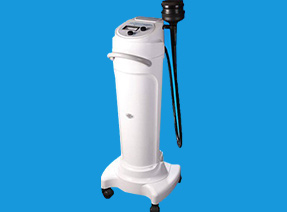
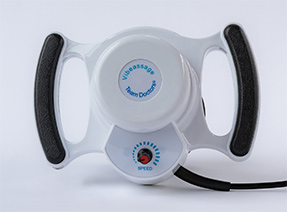
The Vibeassage Sport and the Vibeassage Pro featuring the TDX3 soft-as-the-hand Biomimetic Applicator Pad
https://www.teamdoctors.com/
✓ Get Dr. Stoxen’s #1 International Bestselling Books
Learn how to understand, examine, and reverse your TOS—without surgery.
https://drstoxen.com/1-international-best-selling-author/
✓ Check out Team Doctors Online Courses
Step-by-step video lessons, demonstrations, and self-treatment strategies.
https://teamdoctorsacademy.com/
✓ Schedule a Free Phone Consultation With Dr. Stoxen
Speak directly with him so he can review your case and guide you on your next steps.
https://drstoxen.com/appointment/
#ThoracicOutletSyndrome #TOS #VascularTOS #VenousTOS #ArterialTOS #ArmSwelling #UpperExtremityDVT #PagetSchroetter #VascularCompression #SubclavianVein #BrachialPlexus #DiagnosticImaging #Venography #MRIvenography #CTvenography #DopplerUltrasound #ClinicalEducation #VascularSymptoms #MedicalEducation
References
- Illig, Karl A., et al. “Thoracic Outlet Syndrome.” Journal of Vascular Surgery 55, no. 3 (2012): 897–903. https://doi.org/10.1016/j.jvs.2011.10.009
- Urschel, Harold C., and Paul Razzuk. “Paget–Schroetter Syndrome.” Annals of Thoracic Surgery 59, no. 3 (1995): 684–692. https://doi.org/10.1016/0003-4975(94)00883-5
- Thompson, Robert W., et al. “Comprehensive Management of Subclavian Vein Effort Thrombosis.” Journal of Vascular Surgery 47, no. 2 (2008): 414–420. https://doi.org/10.1016/j.jvs.2007.10.046
- Sanders, Richard J., and Neal S. Pearce. “Diagnosis of Thoracic Outlet Syndrome.” Journal of Vascular Surgery 46, no. 3 (2007): 601–604. https://doi.org/10.1016/j.jvs.2007.05.040

Dr James Stoxen DC., FSSEMM (hon) He is the president of Team Doctors®, Treatment and Training Center Chicago, one of the most recognized treatment centers in the world.
Dr Stoxen is a #1 International Bestselling Author of the book, The Human Spring Approach to Thoracic Outlet Syndrome. He has lectured at more than 20 medical conferences on his Human Spring Approach to Thoracic Outlet Syndrome and asked to publish his research on this approach to treating thoracic outlet syndrome in over 30 peer review medical journals.
He has been asked to submit his other research on the human spring approach to treatment, training and prevention in over 150 peer review medical journals. He serves as the Editor-in-Chief, Journal of Orthopedic Science and Research, Executive Editor or the Journal of Trauma and Acute Care, Chief Editor, Advances in Orthopedics and Sports Medicine Journal and editorial board for over 35 peer review medical journals.
He is a much sought-after speaker. He has given over 1000 live presentations and lectured at over 70 medical conferences to over 50,000 doctors in more than 20 countries. He has been invited to speak at over 300 medical conferences which includes invitations as the keynote speaker at over 50 medical conferences.
After his groundbreaking lecture on the Integrated Spring-Mass Model at the World Congress of Sports and Exercise Medicine he was presented with an Honorary Fellowship Award by a member of the royal family, the Sultan of Pahang, for his distinguished research and contributions to the advancement of Sports and Exercise Medicine on an International level. He was inducted into the National Fitness Hall of Fame in 2008 and the Personal Trainers Hall of Fame in 2012.
Dr Stoxen has a big reputation in the entertainment industry working as a doctor for over 150 tours of elite entertainers, caring for over 1000 top celebrity entertainers and their handlers. Anthony Field or the popular children’s entertainment group, The Wiggles, wrote a book, How I Got My Wiggle Back detailing his struggles with chronic pain and clinical depression he struggled with for years. Dr Stoxen is proud to be able to assist him.
Full Bio) Dr Stoxen can be reached directly at teamdoctors@aol.com