Thoracic Outlet Syndrome is often misunderstood because it does not behave like a fixed structural injury. The thoracic outlet is a dynamic space designed to change with posture, movement, and load, not a rigid tunnel. When symptoms appear without obvious damage on imaging, confusion frequently follows.
Many individuals describe arm pain, numbness, or weakness even though their MRI or nerve tests are reported as normal. This disconnect leads to frustration and delayed answers. Understanding why this happens requires looking at biomechanics rather than isolated anatomy.
The thoracic outlet is formed by the relationship between the neck, shoulder, and rib cage. Blood vessels and nerves travel through this region, adapting continuously as the shoulder moves. Loss of this adaptive space is often subtle and position dependent.
In my clinical experience, the shoulder functions like a suspended structure rather than a joint sitting directly on the ribs. Muscles act as elastic supports, allowing the shoulder to float and absorb force. When that suspension loses elasticity, space below it can narrow.
Patients often report symptoms that fluctuate throughout the day. Overhead activity, carrying weight, or prolonged sitting may worsen sensations. These changes are difficult to capture during short clinical exams.
One reason why doctors miss thoracic outlet syndrome is reliance on static imaging. Standard MRI studies are taken while the patient lies flat, arms relaxed. This position removes the very loads that provoke symptoms.
Another challenge is misdiagnosed thoracic outlet syndrome when symptoms resemble more common conditions. Arm pain is often attributed to the neck, shoulder joint, or peripheral nerves without examining the entire suspension system.
Individuals may present with undiagnosed arm nerve pain despite multiple consultations. When each specialist examines only one region, the broader mechanical pattern is missed. The thoracic outlet sits at the crossroads of several specialties.
Shoulder discomfort is frequently labeled as a rotator cuff problem, leading to wrong diagnosis shoulder pain. While shoulder tissues may be irritated, the root cause may lie in altered positioning of the shoulder girdle.
A common scenario involves a normal MRI but arm pain continues. Imaging excels at showing tears, fractures, or tumors, but it does not show how tissues behave under load. Dynamic compression can occur without visible damage.
Patients ask why MRI is normal but pain persists. The answer often lies in muscle tone, posture, and fatigue rather than structural injury. Muscles can alter space without leaving a visible trace.
Some are told they have normal tests but arm pain, which can feel dismissive. Normal findings are often interpreted as absence of a problem, rather than absence of visible damage.
Stories of arm pain doctors can’t explain are common in thoracic outlet discussions. When symptoms do not fit standard patterns, patients may be reassured without further exploration.
This leads to misdiagnosed nerve pain labels that fail to account for the mechanical environment of the nerves. Nerves are sensitive to pressure and stretch, even when intact.
It is also common for shoulder pain misdiagnosed cases to accumulate unnecessary treatments. Without recognizing suspension loss, care focuses on isolated tissues.
Some experience arm pain misdiagnosed as carpal tunnel because hand symptoms dominate. While wrist compression exists, upstream tension can amplify distal sensations.
Others are told they have arm pain misdiagnosed as rotator cuff pathology, especially when pain increases with lifting. The shoulder may be reacting to altered support rather than intrinsic damage.
Neck imaging may suggest disc changes, leading to arm pain misdiagnosed as pinched nerve. Degenerative findings are common with age and do not always correlate with symptoms.
Patients describe nerve pain no diagnosis, which reflects the difficulty of fitting dynamic compression into static diagnostic models. Symptoms may be real without a named condition.
Living with chronic pain without diagnosis affects confidence and trust in the healthcare process. Many individuals feel their experience is minimized.
Being told doctors say nothing is wrong arm pain can discourage further evaluation. This statement often means no structural damage was found, not that function is normal.
Clinicians may note imaging normal but symptoms persist, yet lack tools to assess movement-based changes. This gap contributes to prolonged uncertainty.
Understanding why scans don’t show nerve compression requires appreciating that compression can be transient. It may occur only in certain positions or under fatigue.
When symptoms go unresolved, missed nerve compression diagnosis becomes a recurring theme. Compression does not always mean crushing; mild pressure can still irritate nerves.
A frequent outcome is overlooked thoracic outlet syndrome, particularly when symptoms cross multiple regions. The condition does not belong neatly to one specialty.
Many patients report arm pain not taken seriously because tests appear normal. Validation is difficult when objective findings are absent.
Experiences of dismissed arm pain often follow repeated negative studies. Each normal test can paradoxically increase doubt rather than clarity.
Some present with unexplained shoulder pain that worsens with posture. Sitting or standing for long periods changes shoulder position and load.
Others notice unexplained arm numbness that appears during sleep or overhead tasks. These positional triggers are important clues.
When referred to neurology, some hear neurologist can’t find cause arm pain. Electrodiagnostic tests may be normal if compression is intermittent.
Orthopedic evaluation may result in orthopedic doctor missed tos when focus remains on joints and tendons. The outlet itself may not be assessed.
Patients often describe pain no clear diagnosis, cycling through providers without resolution. Each visit addresses symptoms in isolation.
This contributes to chronic pain without answers, which can persist for years. Lack of explanation does not mean lack of mechanism.
Reports of undiagnosed shoulder nerve pain highlight the need for broader biomechanical assessment. The shoulder’s relationship to the rib cage is central.
Many ask why diagnosis takes years. The answer lies in the complexity of dynamic systems and the limitations of current testing.
Questions such as do i have thoracic outlet syndrome arise when patterns finally emerge. Education helps individuals recognize symptom clusters.
People search is this thoracic outlet syndrome after noticing positional triggers. Awareness often begins outside the clinic.
Understanding thoracic outlet syndrome symptoms requires observing how posture and load affect the arm. Symptoms may include pain, numbness, or weakness.
Recognizing signs of thoracic outlet syndrome involves noticing patterns rather than single findings. Fatigue and heaviness are common descriptors.
Online tools like a thoracic outlet syndrome quiz reflect the need for pattern recognition. While not diagnostic, they highlight recurring features.
Clinicians may perform a thoracic outlet syndrome test involving arm positioning. These tests attempt to reproduce symptoms under load.
Reports of symptoms of thoracic outlet syndrome in arm often include tingling, aching, or coldness. Distribution can vary widely.
Patients ask how is thoracic outlet syndrome diagnosed when imaging is normal. Diagnosis often relies on history, examination, and response to movement.
Awareness of early signs of thoracic outlet syndrome can shorten delays. Early symptoms are often subtle and activity dependent.
Descriptions of what does thoracic outlet syndrome feel like vary, but many note deep aching combined with nerve sensations.
Common complaints include arm numbness and tingling cause that changes with posture. Static positions often worsen symptoms.
Another frequent pattern is shoulder pain and arm numbness occurring together. This combination suggests involvement of the outlet rather than isolated tissues.
Neck involvement may lead to neck pain radiating to arm. The cervical region and outlet are mechanically linked.
Hand symptoms such as hand tingling and weakness may dominate, masking the proximal source. Grip strength may fluctuate.
People describe pins and needles in arm after certain activities. These sensations often resolve with rest or position change.
Activity-related discomfort includes arm pain when lifting, especially overhead. Elevation narrows outlet space when suspension is compromised.
Similarly, shoulder pain when raising arm can reflect altered mechanics rather than joint damage.
Some notice numbness when arms are overhead, a classic positional feature. This is difficult to capture on standard tests.
Vascular features may appear as cold hand or arm cause during prolonged positions. Blood flow is sensitive to space changes.
Functional decline may show as weak grip strength cause that varies day to day. Nerve irritation affects muscle activation.
Descriptions of burning pain in shoulder suggest nerve involvement. Burning is a common neuropathic descriptor.
Pain localized under the collarbone, or pain under collarbone cause, often points directly to the outlet region.
Many describe shoulder heaviness rather than sharp pain. This heaviness reflects fatigue and load intolerance.
Another hallmark is arm fatigue easily during tasks that were once simple. Endurance declines before strength.
Some notice one arm weaker than the other without obvious injury. Asymmetry is an important observation.
Night symptoms include tingling fingers at night, often related to sleeping position. Side sleeping can alter shoulder suspension.
Finally, pain down the arm may follow no single nerve pattern. This diffuse distribution confuses diagnosis.
Patterns such as tingling pinky and ring finger may suggest ulnar involvement, yet the source can be proximal.
Complaints of arm numbness from neck further illustrate overlap between regions. The outlet connects cervical and upper limb mechanics.
Understanding these patterns helps explain why Thoracic Outlet Syndrome is frequently missed. The condition is defined by dynamic relationships rather than static lesions.
Biomechanically, the shoulder is supported by muscles that function like elastic cables. These muscles maintain space for nerves and vessels beneath the clavicle.
The rib cage forms the floor of the outlet, while the shoulder floats above it. Loss of muscle elasticity allows the shoulder to settle downward.
Chronic muscle tension, inflammation, or fatigue reduces spring behavior. This alters spacing without tearing or compressing structures visibly.
Imaging captures structure, not function. As a result, tests may appear normal even when mechanics are impaired.
In clinical observation, restoring movement and load tolerance often changes symptoms. This reinforces the functional nature of the condition.
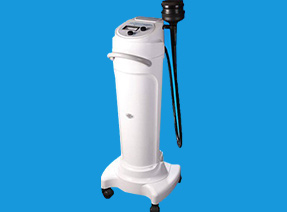
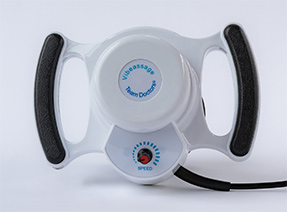
Educational tools such as the Vibeassage® and the Vibeassage® Sport are often discussed in the context of understanding tissue behavior. The Vibeassage® Pro and the TDX3 soft-as-the-hand Biomimetic Applicator Pad are referenced in educational materials describing vibration and tissue response.
Team Doctors® resources emphasize examining movement patterns rather than isolated findings. This approach aligns with recognizing dynamic outlet behavior.
Thoracic Outlet Syndrome is not simply compression. It reflects loss of suspension, adaptability, and space under load.
Recognizing this distinction helps explain why diagnosis is delayed and why normal tests do not end the conversation.
Understanding patterns empowers individuals to seek evaluations that consider posture, movement, and fatigue.
Education bridges the gap between symptoms and explanations when imaging is normal.
Team Doctors Resources
✓ Check out the Team Doctors Recovery Tools
The Vibeassage Sport and the Vibeassage Pro featuring the TDX3 soft-as-the-hand Biomimetic Applicator Pad
https://www.teamdoctors.com/
✓ Get Dr. Stoxen’s #1 International Bestselling Books
Learn how to understand, examine, and reverse your TOS—without surgery.
https://drstoxen.com/1-international-best-selling-author/
✓ Check out Team Doctors Online Courses
Step-by-step video lessons, demonstrations, and self-treatment strategies.
https://teamdoctorsacademy.com/
✓ Schedule a Free Phone Consultation With Dr. Stoxen
Speak directly with him so he can review your case and guide you on your next steps.
https://drstoxen.com/appointment/
#ThoracicOutletSyndrome #TOS #ArmPain #ShoulderPain #NerveCompression #VascularCompression #ChronicPain #NormalMRI #Misdiagnosis #Posture #Biomechanics #BrachialPlexus #ScaleneMuscles #SubclavianVein #SubclavianArtery #UpperExtremityPain #DynamicCompression #MovementHealth #PainEducation #ClinicalObservation
References
- Sanders, Richard J., and Neal C. Pearce. “Thoracic Outlet Syndrome: A Common Sequela of Neck Injuries.” Clinical Orthopaedics and Related Research 368 (1999): 33–44. https://pubmed.ncbi.nlm.nih.gov/10611858/
- Urschel, Harold C., and Robert A. Razzuk. “Neurovascular Compression in the Thoracic Outlet.” Annals of Thoracic Surgery 54, no. 3 (1992): 462–468. https://pubmed.ncbi.nlm.nih.gov/1511183/
Illig, Karl A., et al. “Thoracic Outlet Syndrome.” Journal of Vascular Surgery 53, no. 3 (2011): 845–852. https://pubmed.ncbi.nlm.nih.gov/21397448/

Dr James Stoxen DC., FSSEMM (hon) He is the president of Team Doctors®, Treatment and Training Center Chicago, one of the most recognized treatment centers in the world.
Dr Stoxen is a #1 International Bestselling Author of the book, The Human Spring Approach to Thoracic Outlet Syndrome. He has lectured at more than 20 medical conferences on his Human Spring Approach to Thoracic Outlet Syndrome and asked to publish his research on this approach to treating thoracic outlet syndrome in over 30 peer review medical journals.
He has been asked to submit his other research on the human spring approach to treatment, training and prevention in over 150 peer review medical journals. He serves as the Editor-in-Chief, Journal of Orthopedic Science and Research, Executive Editor or the Journal of Trauma and Acute Care, Chief Editor, Advances in Orthopedics and Sports Medicine Journal and editorial board for over 35 peer review medical journals.
He is a much sought-after speaker. He has given over 1000 live presentations and lectured at over 70 medical conferences to over 50,000 doctors in more than 20 countries. He has been invited to speak at over 300 medical conferences which includes invitations as the keynote speaker at over 50 medical conferences.
After his groundbreaking lecture on the Integrated Spring-Mass Model at the World Congress of Sports and Exercise Medicine he was presented with an Honorary Fellowship Award by a member of the royal family, the Sultan of Pahang, for his distinguished research and contributions to the advancement of Sports and Exercise Medicine on an International level. He was inducted into the National Fitness Hall of Fame in 2008 and the Personal Trainers Hall of Fame in 2012.
Dr Stoxen has a big reputation in the entertainment industry working as a doctor for over 150 tours of elite entertainers, caring for over 1000 top celebrity entertainers and their handlers. Anthony Field or the popular children’s entertainment group, The Wiggles, wrote a book, How I Got My Wiggle Back detailing his struggles with chronic pain and clinical depression he struggled with for years. Dr Stoxen is proud to be able to assist him.
Full Bio) Dr Stoxen can be reached directly at teamdoctors@aol.com