Thoracic Outlet Syndrome is a condition defined by compression occurring in a confined anatomical region where nerves and blood vessels travel from the neck into the arm.
This space is narrow by design, and small structural or positional changes can alter how tissues move within it.
Many individuals seek evaluation after noticing unusual upper extremity symptoms that appear during daily tasks or physical activity.
These sensations often raise questions about circulation, nerve signaling, or both.
One commonly reported concern is arm swelling, which may fluctuate throughout the day.
Patients often report that the arm feels different in size or pressure compared to the opposite side.
Another frequent description involves pain / heaviness of arm, particularly after sustained use.
This is a pattern I commonly see when load or posture alters flow dynamics.
In some cases, vascular involvement introduces discussion of the risk of pulmonary embolism, especially when venous obstruction is present.
This consideration highlights why imaging is used to observe anatomy rather than make assumptions.
Advanced imaging methods such as MRI / MRV allow clinicians to visualize soft tissues and vascular channels without invasive procedures.
These tools help map relationships between bones, muscles, veins, and arteries.
Noninvasive testing like duplex ultrasound is often used to observe real-time blood movement during positional changes.
Patients often report that symptoms change when the arm is elevated or rotated.
Collectively, these tools fall under the broader category of thoracic outlet syndrome imaging, which focuses on structure and motion.
Imaging does not stand alone and is interpreted alongside clinical observations.
A dedicated thoracic outlet MRI may be ordered to examine soft tissue boundaries.
This imaging helps visualize muscles, connective tissue, and nearby vascular structures.
Historically, contrast-based studies such as venography were used to outline venous pathways.
These studies can show narrowing or altered flow patterns under specific conditions.
Modern evaluation may include thoracic outlet syndrome ultrasound to assess vessel response during movement.
Ultrasound allows dynamic assessment without radiation exposure.
Color changes such as cyanosis / bluish discoloration can occur when venous return is altered.
Patients often describe visible changes that resolve with rest.
Bony variations are sometimes evaluated using cervical rib MRI to identify accessory ribs or elongated transverse processes.
These variations may reduce available space within the outlet.
Reports of sudden arm swelling after exertion often prompt further vascular evaluation.
This pattern may appear after repetitive overhead activity or forceful use.
Standardized imaging approaches such as a Thoracic outlet syndrome MRI protocol ensure consistent positioning and sequences.
Protocols help reduce variability between imaging centers.
Prominent surface veins, known as collateral vein prominence, may develop over time when primary pathways are restricted.
These changes are often visible on physical observation.
Arterial involvement, sometimes described as arterial thoracic outlet, focuses attention on pulsatile flow rather than venous drainage.
Symptoms may differ based on which structure is influenced.
Many individuals describe sensations of poor circulation in arm, particularly during sustained posture.
This experience may include temperature or color differences.
Visual signs like blue or purple arm symptoms are often noted by patients before imaging is performed.
These changes can fluctuate with arm position.
Mechanical factors that lead to blood flow blocked to arm are assessed carefully through imaging and movement testing.
Observing changes during motion helps contextualize findings.
Compression patterns such as vein compression in shoulder may appear only in certain arm positions.
Dynamic imaging helps capture these transient changes.
Clusters of findings are sometimes grouped as vascular thoracic outlet symptoms to distinguish them from neural patterns.
This classification supports clearer communication among providers.
Many individuals notice arm swelling after activity, particularly overhead or repetitive tasks.
Rest often leads to partial or complete resolution.
Temperature differences described as a cold hand circulation problem may accompany vascular involvement.
Patients often compare both sides to identify differences.
Descriptors like vein compression symptoms arm reflect how patients communicate their experience.
These descriptions guide targeted observation rather than conclusions.
A common phrase heard in clinics is arm feels heavy and tight, especially later in the day.
This sensation may correlate with positional narrowing.
Another frequently reported pattern is a swollen arm after exercise, which may subside with rest.
Exercise history is therefore an important part of evaluation.
Broader categories such as arm circulation disorder symptoms help frame discussions without labeling.
This approach keeps explanations educational and neutral.
When flow is limited, imaging may suggest reduced blood flow to arm under specific conditions.
These observations are always interpreted in context.
Clusters of findings are sometimes summarized as vascular TOS signs to differentiate patterns.
This terminology supports structured discussion rather than diagnosis.
Ultimately, imaging seeks to clarify blood flow obstruction arm under movement and load.
Understanding mechanics helps explain why symptoms change with position.
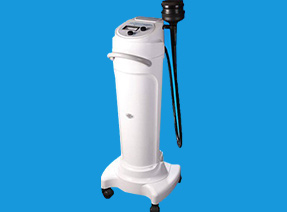
Throughout evaluation, educational tools from Team Doctors® are often referenced to explain anatomy and mechanics.
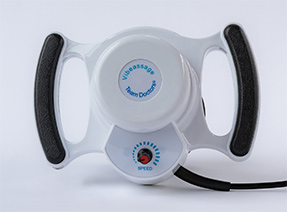
Devices such as the Vibeassage® Sport and Vibeassage® Pro featuring the TDX3 soft-as-the-hand Biomimetic Applicator Pad are discussed in an educational context.
In my clinical experience, explaining anatomy helps patients understand why imaging is position-dependent.
This approach emphasizes observation rather than conclusions.
Team Doctors Resources
✓ Check out the Team Doctors Recovery Tools
The Vibeassage Sport and the Vibeassage Pro featuring the TDX3 soft-as-the-hand Biomimetic Applicator Pad
https://www.teamdoctors.com/
✓ Get Dr. Stoxen’s #1 International Bestselling Books
Learn how to understand, examine, and reverse your TOS—without surgery.
https://drstoxen.com/1-international-best-selling-author/
✓ Check out Team Doctors Online Courses
Step-by-step video lessons, demonstrations, and self-treatment strategies.
https://teamdoctorsacademy.com/
✓ Schedule a Free Phone Consultation With Dr. Stoxen
Speak directly with him so he can review your case and guide you on your next steps.
https://drstoxen.com/appointment/
#ThoracicOutletSyndrome #TOS #TOSImaging #VascularCompression #BrachialPlexus #SubclavianVein #SubclavianArtery #MRITOS #UltrasoundTOS #Venography #PagetSchroetter #UpperExtremity #ClinicalImaging #Biomechanics #PostureMechanics #VascularHealth #MedicalEducation #TeamDoctors #DrStoxen #HealthScience
References
- Illig, K. A., et al. “Thoracic Outlet Syndrome.” Journal of Vascular Surgery 53, no. 3 (2011): 845–852. https://doi.org/10.1016/j.jvs.2010.10.099
- Peek, J., et al. “Imaging of Thoracic Outlet Syndrome.” Radiographics 37, no. 4 (2017): 984–1000. https://pubs.rsna.org/doi/10.1148/rg.2017160122
- Sanders, R. J., and Hammond, S. L. “Management of Venous Thoracic Outlet Syndrome.” Journal of Vascular Surgery 49, no. 5 (2009): 1305–1313. https://doi.org/10.1016/j.jvs.2009.01.017
- Demondion, X., et al. “Imaging Assessment of Thoracic Outlet Syndrome.” European Radiology 16, no. 12 (2006): 2621–2630. https://doi.org/10.1007/s00330-006-0282-8

Dr James Stoxen DC., FSSEMM (hon) He is the president of Team Doctors®, Treatment and Training Center Chicago, one of the most recognized treatment centers in the world.
Dr Stoxen is a #1 International Bestselling Author of the book, The Human Spring Approach to Thoracic Outlet Syndrome. He has lectured at more than 20 medical conferences on his Human Spring Approach to Thoracic Outlet Syndrome and asked to publish his research on this approach to treating thoracic outlet syndrome in over 30 peer review medical journals.
He has been asked to submit his other research on the human spring approach to treatment, training and prevention in over 150 peer review medical journals. He serves as the Editor-in-Chief, Journal of Orthopedic Science and Research, Executive Editor or the Journal of Trauma and Acute Care, Chief Editor, Advances in Orthopedics and Sports Medicine Journal and editorial board for over 35 peer review medical journals.
He is a much sought-after speaker. He has given over 1000 live presentations and lectured at over 70 medical conferences to over 50,000 doctors in more than 20 countries. He has been invited to speak at over 300 medical conferences which includes invitations as the keynote speaker at over 50 medical conferences.
After his groundbreaking lecture on the Integrated Spring-Mass Model at the World Congress of Sports and Exercise Medicine he was presented with an Honorary Fellowship Award by a member of the royal family, the Sultan of Pahang, for his distinguished research and contributions to the advancement of Sports and Exercise Medicine on an International level. He was inducted into the National Fitness Hall of Fame in 2008 and the Personal Trainers Hall of Fame in 2012.
Dr Stoxen has a big reputation in the entertainment industry working as a doctor for over 150 tours of elite entertainers, caring for over 1000 top celebrity entertainers and their handlers. Anthony Field or the popular children’s entertainment group, The Wiggles, wrote a book, How I Got My Wiggle Back detailing his struggles with chronic pain and clinical depression he struggled with for years. Dr Stoxen is proud to be able to assist him.
Full Bio) Dr Stoxen can be reached directly at teamdoctors@aol.com