Thoracic Outlet Syndrome is one of the most confusing conditions in healthcare. People hear different opinions from different doctors, and many don’t know what to believe. Some are told it’s rare. Others are told it’s common. And many walk away without a clear plan.
The truth is simple. Thoracic Outlet Syndrome can show up in different ways, and not every doctor is trained to recognize it. When that happens, patients are left searching for answers for years.
Why TOS Creates So Much Confusion
There isn’t just one type of TOS. Some people deal with neurogenic TOS, which affects the nerves. Others struggle with vascular TOS, which affects blood flow. A smaller group has arterial TOS, which is even less common. Each type looks different, and no single test finds everything.
Many people notice early TOS symptoms like tingling, numbness, weakness, or discomfort in the arm or hand. These can look like tendonitis, carpal tunnel, or neck problems, so it’s easy to point in the wrong direction.
Underdiagnosed, Overdiagnosed, Misdiagnosed, or Not Diagnosed at All
Some doctors say TOS is underdiagnosed. They believe many people have early compression that gets missed because it looks like something else. Early problems with brachial plexus compression often mimic other conditions.
On the other hand, some say it’s overdiagnosed. After a work injury or car accident, it’s easy for doctors to label symptoms as TOS even if the main cause is pectoralis minor compression or simple neck strain.
Then there’s misdiagnosis—one of the biggest problems in the TOS world. Conditions like cubital tunnel syndrome, cervical disc irritation, and shoulder instability can look similar, which leads to confusion about what mimics TOS.
And finally, there are patients who are never diagnosed at all. They are told their symptoms don’t match anything specific. They are told to “wait and see.” They are told to stretch more or change posture, even when that isn’t enough.
Why Examinations Often Fall Short
The biggest challenge is that TOS requires a specific type of exam. Most doctors don’t check for things like first rib elevation, scalene tightness, or movement patterns that change the space around the nerves and blood vessels.
A proper TOS evaluation looks at posture, rib motion, shoulder control, breathing mechanics, and how the neck and chest muscles behave under load. Without this, the most important clues get missed.
Mechanical Compression During Movement
Not all TOS shows up when someone is sitting still. Some issues appear only when the arm moves overhead, when posture changes, or when the chest tightens. This is called dynamic compression.
These patterns can create TOS compression that comes and goes. One moment the nerves and vessels have room. The next moment, something narrows the space and symptoms appear.
Common Sources of Compression
Many people live with tight chest or neck muscles from long hours on computers, phones, or gaming. Over time, these habits can cause the shoulder to roll forward or the rib to rise. That change alone can limit the space around the nerves.
Some people develop TOS after sports, trauma, or repetitive overhead motion. Others deal with weakness in the muscles that stabilize the shoulder blade, which changes how the arm moves.
Why Some Treatments Fail
When the actual cause of compression isn’t found, the wrong plan often follows. This is why general stretching, random strengthening, or isolated therapies may not help. A proper plan addresses motion, strength, posture, breathing, rib mechanics, and muscular balance.
A clear TOS diagnosis gives patients a more direct path forward. It helps them understand which muscles need support, which mechanics need improvement, and which daily habits need adjustment.
When Surgery Is Discussed
Most people can improve without surgery, but some are told early on that they may need it. The problem is that many are guided toward TOS surgery before a full exam is completed. Surgery is a major step, and it should only be considered after a complete TOS treatment plan is attempted.
The more you understand your own body, the better your decisions become. That’s why education is so important.
Team Doctors Resources
✓ Check out the Team Doctors Recovery Tools
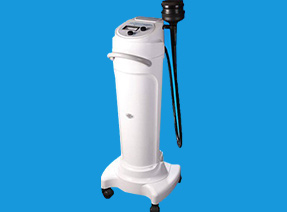
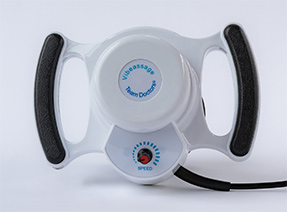
The Vibeassage Sport and the Vibeassage Pro featuring the TDX3 soft-as-the-hand Biomimetic Applicator Pad
https://www.teamdoctors.com
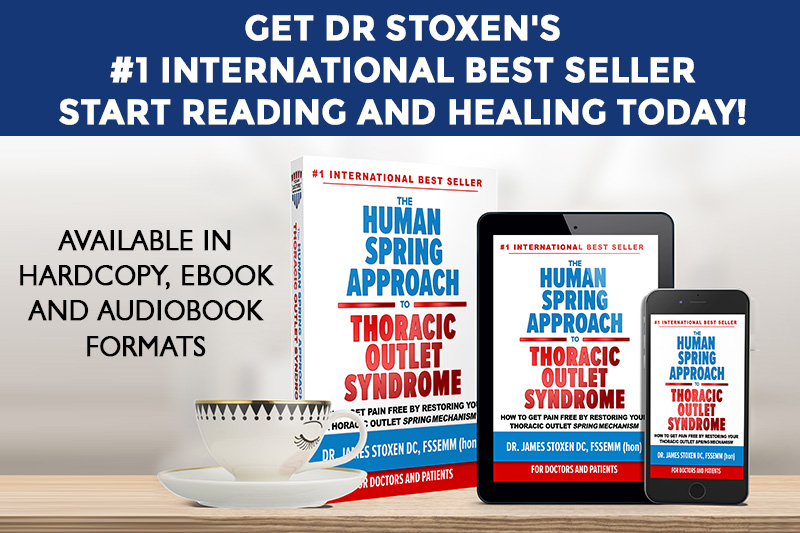
✓ Get Dr. Stoxen’s #1 International Bestselling Books
Learn how to understand, examine, and reverse your TOS—without surgery.
https://drstoxen.com/1-international-best-selling-author
✓ Check out Team Doctors Online Courses
Step-by-step video lessons, demonstrations, and self-treatment strategies.
https://teamdoctorsacademy.com
✓ Schedule a Free Phone Consultation With Dr. Stoxen
Speak directly with him so he can review your case and guide you on your next steps.
https://drstoxen.com/appointment
#ThoracicOutletSyndrome #TOS #TOSAwareness #NerveCompression #NeckPainRelief #ShoulderPainHelp #ArmNumbness #BrachialPlexus #PostureHealth #NeurogenicTOS #VascularTOS #ArterialTOS #TOSExercises #TOSRecovery #ChronicPainEducation #BodyMechanics #RibMobility #ShoulderStability #SelfTreatment #DrStoxen

Dr James Stoxen DC., FSSEMM (hon) He is the president of Team Doctors®, Treatment and Training Center Chicago, one of the most recognized treatment centers in the world.
Dr Stoxen is a #1 International Bestselling Author of the book, The Human Spring Approach to Thoracic Outlet Syndrome. He has lectured at more than 20 medical conferences on his Human Spring Approach to Thoracic Outlet Syndrome and asked to publish his research on this approach to treating thoracic outlet syndrome in over 30 peer review medical journals.
He has been asked to submit his other research on the human spring approach to treatment, training and prevention in over 150 peer review medical journals. He serves as the Editor-in-Chief, Journal of Orthopedic Science and Research, Executive Editor or the Journal of Trauma and Acute Care, Chief Editor, Advances in Orthopedics and Sports Medicine Journal and editorial board for over 35 peer review medical journals.
He is a much sought-after speaker. He has given over 1000 live presentations and lectured at over 70 medical conferences to over 50,000 doctors in more than 20 countries. He has been invited to speak at over 300 medical conferences which includes invitations as the keynote speaker at over 50 medical conferences.
After his groundbreaking lecture on the Integrated Spring-Mass Model at the World Congress of Sports and Exercise Medicine he was presented with an Honorary Fellowship Award by a member of the royal family, the Sultan of Pahang, for his distinguished research and contributions to the advancement of Sports and Exercise Medicine on an International level. He was inducted into the National Fitness Hall of Fame in 2008 and the Personal Trainers Hall of Fame in 2012.
Dr Stoxen has a big reputation in the entertainment industry working as a doctor for over 150 tours of elite entertainers, caring for over 1000 top celebrity entertainers and their handlers. Anthony Field or the popular children’s entertainment group, The Wiggles, wrote a book, How I Got My Wiggle Back detailing his struggles with chronic pain and clinical depression he struggled with for years. Dr Stoxen is proud to be able to assist him.
Full Bio) Dr Stoxen can be reached directly at teamdoctors@aol.com