Many people describe arm goes numb while sleeping without understanding why symptoms change between night and day.
This pattern is commonly discussed in educational settings related to Thoracic Outlet Syndrome and upper limb biomechanics.
Patients often report waking up with numb arm sensations that resolve gradually after they begin moving in the morning.
This change is frequently associated with posture, joint positioning, and altered space within the thoracic outlet.
Others describe waking up with dead arm feelings that include heaviness, tightness, or altered skin sensation.
These experiences are commonly observed during prolonged static positions.
Shoulder pain at night is another symptom that appears when the shoulder girdle remains in a lowered or compressed position.
Nighttime positioning reduces dynamic movement that normally helps maintain space around neurovascular structures.
Some individuals notice arm tingling when sleeping, especially when the arm is placed overhead or compressed against the mattress.
This is often related to mechanical stress rather than sudden injury.
People also describe tingling arm when lying down, particularly during side sleeping.
Side-lying positions can alter clavicular orientation and shoulder suspension mechanics.
Sleeping position arm numbness is influenced by how the shoulder and neck are supported during rest.
Poor alignment can increase compressive forces within confined anatomical tunnels.
A common complaint is shoulder pain sleeping on side, which may worsen when the shoulder collapses forward.
This position can reduce the available space for nerves and blood vessels.
Nighttime arm nerve pain is frequently reported as burning, tingling, or pressure sensations.
These descriptions align with transient changes in nerve loading rather than structural damage.
Some individuals experience pins and needles at night arm that improve after repositioning.
Movement often restores circulation and reduces mechanical tension.
Patients may report shoulder pain waking me up, especially during the early morning hours.
This timing corresponds with prolonged immobility during sleep.
Numb hands at night cause questions often arise when symptoms affect the forearm and hand together.
These patterns suggest involvement of proximal structures influencing distal sensation.
Many individuals notice arm pain when sleeping but feel relatively normal during daytime activity.
This contrast highlights the role of sustained static postures.
Numb arm while sleeping can occur even without daytime symptoms.
Nighttime compression may exceed the body’s tolerance when movement is absent.
Arm numbness at night is often accompanied by a feeling of fullness or pressure.
These sensations may reflect temporary changes in blood flow or nerve glide.
People describe shoulder pain during sleep that resolves after stretching or reaching overhead in the morning.
Elevation of the arm can temporarily increase tunnel space.
Some report arm pain worse at night, especially after a physically demanding day.
Cumulative loading may influence nighttime sensitivity.
Sleep related arm nerve pain is often positional and reproducible.
Changing arm placement may reduce symptoms.
Patients often mention arm numbness during sleep that improves with gentle movement.
This improvement suggests reversible mechanical factors.
Shoulder pain lying down may occur even without pressure directly on the shoulder.
Neck and thoracic posture can influence shoulder mechanics indirectly.
Side sleeping shoulder pain is commonly associated with forward shoulder collapse.
This alters clavicular angle and rib relationship.
Many people ask why sleeping causes arm numbness despite normal imaging results.
Static compression can occur without visible structural abnormalities.
Some individuals describe night flare arm pain that coincides with reduced circulation sensations.
These flares may lessen as activity resumes.
Arm pain at bedtime may begin shortly after lying down.
This timing highlights the influence of gravitational and positional changes.
Shoulder compression during sleep can occur when pillows fail to support the upper torso.
This may narrow anatomical passageways.
People describe night nerve pain arm that shifts with posture changes.
This variability suggests mechanical sensitivity.
Arm tingling at night may involve the entire limb rather than isolated fingers.
This distribution often points to proximal involvement.
Sleep posture arm pain is influenced by mattress firmness and pillow height.
Improper support can increase stress on the shoulder girdle.
Patients frequently ask why arm goes numb at night when daytime activity feels fine.
Nighttime immobility removes the benefits of dynamic decompression.
Nerve compression while sleeping may occur when soft tissues remain under sustained load.
This load can affect nerves and vessels together.
Some individuals notice poor circulation in arm sensations during prolonged rest.
These sensations may include coolness or color change.
Arm swelling and pain may be visible in the morning and decrease as the day progresses.
Movement helps restore normal fluid dynamics.
People report blue or purple arm symptoms that improve with elevation.
Color change suggests temporary vascular involvement.
A cold hand circulation problem may accompany heaviness or tightness.
These signs often resolve with activity.
Concerns about blood flow blocked to arm often arise when swelling and discoloration are present.
Education focuses on positional influences rather than immediate pathology.
Arm heaviness and swelling can feel like a tight sleeve or glove.
Patients often describe skin tension rather than sharp pain.
Vein compression in shoulder may contribute to fullness sensations.
This can change with shoulder elevation.
Arm discoloration and pain may fluctuate throughout the day.
Improvement with movement is commonly observed.
Vascular thoracic outlet symptoms often present differently from nerve-dominant patterns.
Swelling and color change are more prominent features.
Some notice arm swelling after activity that resolves with rest and elevation.
Activity can temporarily alter vascular dynamics.
Blood flow issues in arm are often positional and intermittent.
These changes do not necessarily indicate permanent damage.
Patients describe arm circulation problems that feel worse in dependent positions.
Gravity influences venous return.
A cold hand or arm may feel heavy rather than painful.
Temperature differences can be transient.
Hand swelling and discoloration may accompany forearm tightness.
These changes often decrease during the day.
People notice blue or purple hand coloration after prolonged rest.
Color typically normalizes with movement.
Vein compression symptoms arm may include pressure or fullness.
Elevation can temporarily relieve these sensations.
Vascular compression shoulder patterns often involve posture-dependent changes.
Shoulder position alters tunnel dimensions.
Patients say arm feels heavy and tight rather than sharply painful.
This description is common in vascular-dominant presentations.
Arm pressure with activity may differ from nighttime symptoms.
Daytime movement usually improves circulation.
Some experience swollen arm after exercise that subsides with recovery.
Exercise changes blood distribution temporarily.
Arm vein pain is often described as aching or pressure.
It may fluctuate with arm position.
Arm circulation disorder symptoms are frequently intermittent.
Consistency of relief with movement is a key observation.
Reduced blood flow to arm sensations may occur during prolonged static postures.
Dynamic movement supports circulation.
Arm swelling from compression often improves as the shoulder elevates.
This change increases space in the outlet.
Vascular nerve compression symptoms can overlap in presentation.
Both systems share confined anatomical pathways.
Blood flow problems shoulder are influenced by clavicular motion.
Elevation can temporarily improve flow.
Patients report arm color changes pain that resolve with repositioning.
These changes are often reversible.
Circulatory issues arm pain may feel different from nerve tingling.
Heaviness and pressure are common descriptors.
Vascular tos signs often fluctuate throughout the day.
Morning swelling and evening fatigue are common patterns.
Concerns about blood flow obstruction arm are frequently raised.
Education emphasizes posture and movement influences rather than fixed blockage.
Throughout educational discussions, emphasis is placed on observing patterns rather than making diagnoses.
In my clinical experience, symptom timing, posture, and movement response provide valuable insight [1].
Educational resources from Team Doctors® often highlight the role of shoulder suspension and posture.
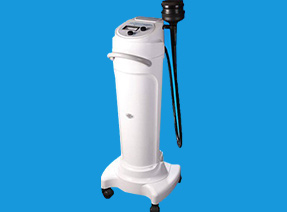
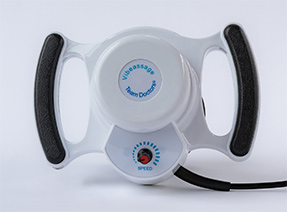
Tools such as the Vibeassage® Sport and Vibeassage® Pro featuring the TDX3 soft-as-the-hand Biomimetic Applicator Pad are discussed in an educational context.
Understanding how symptoms change from night to day helps individuals recognize biomechanical influences.
Thoracic outlet anatomy involves shared pathways for nerves and vessels, making position a key factor [2].
Research has shown that posture and shoulder position can influence neurovascular space [3].
Educational exploration focuses on anatomy, mechanics, and symptom observation rather than treatment decisions.
Team Doctors Resources
✓ Check out the Team Doctors Recovery Tools
The Vibeassage Sport and the Vibeassage Pro featuring the TDX3 soft-as-the-hand Biomimetic Applicator Pad
https://www.teamdoctors.com/
✓ Get Dr. Stoxen’s #1 International Bestselling Books
Learn how to understand, examine, and reverse your TOS—without surgery.
https://drstoxen.com/1-international-best-selling-author/
✓ Check out Team Doctors Online Courses
Step-by-step video lessons, demonstrations, and self-treatment strategies.
https://teamdoctorsacademy.com/
✓ Schedule a Free Phone Consultation With Dr. Stoxen
Speak directly with him so he can review your case and guide you on your next steps.
https://drstoxen.com/appointment/
#ThoracicOutletSyndrome #TOS #ArmNumbness #ShoulderPain #NightSymptoms #VascularCompression #NerveCompression #PostureMatters #Biomechanics #ThoracicOutlet
References
[1] Sanders, R. J., & Hammond, S. L. “Thoracic outlet syndrome: A review.” Neurologic Clinics 31, no. 2 (2013): 523–538. https://doi.org/10.1016/j.ncl.2013.01.012
[2] Urschel, H. C., & Razzuk, M. A. “Neurovascular compression in the thoracic outlet.” Annals of Thoracic Surgery 52, no. 3 (1991): 558–567. https://doi.org/10.1016/0003-4975(91)91254-K
[3] Povlsen, B., Hansson, T., & Povlsen, S. D. “Treatment for thoracic outlet syndrome.” Cochrane Database of Systematic Reviews (2014). https://doi.org/10.1002/14651858.CD007218

Dr James Stoxen DC., FSSEMM (hon) He is the president of Team Doctors®, Treatment and Training Center Chicago, one of the most recognized treatment centers in the world.
Dr Stoxen is a #1 International Bestselling Author of the book, The Human Spring Approach to Thoracic Outlet Syndrome. He has lectured at more than 20 medical conferences on his Human Spring Approach to Thoracic Outlet Syndrome and asked to publish his research on this approach to treating thoracic outlet syndrome in over 30 peer review medical journals.
He has been asked to submit his other research on the human spring approach to treatment, training and prevention in over 150 peer review medical journals. He serves as the Editor-in-Chief, Journal of Orthopedic Science and Research, Executive Editor or the Journal of Trauma and Acute Care, Chief Editor, Advances in Orthopedics and Sports Medicine Journal and editorial board for over 35 peer review medical journals.
He is a much sought-after speaker. He has given over 1000 live presentations and lectured at over 70 medical conferences to over 50,000 doctors in more than 20 countries. He has been invited to speak at over 300 medical conferences which includes invitations as the keynote speaker at over 50 medical conferences.
After his groundbreaking lecture on the Integrated Spring-Mass Model at the World Congress of Sports and Exercise Medicine he was presented with an Honorary Fellowship Award by a member of the royal family, the Sultan of Pahang, for his distinguished research and contributions to the advancement of Sports and Exercise Medicine on an International level. He was inducted into the National Fitness Hall of Fame in 2008 and the Personal Trainers Hall of Fame in 2012.
Dr Stoxen has a big reputation in the entertainment industry working as a doctor for over 150 tours of elite entertainers, caring for over 1000 top celebrity entertainers and their handlers. Anthony Field or the popular children’s entertainment group, The Wiggles, wrote a book, How I Got My Wiggle Back detailing his struggles with chronic pain and clinical depression he struggled with for years. Dr Stoxen is proud to be able to assist him.
Full Bio) Dr Stoxen can be reached directly at teamdoctors@aol.com