Imaging plays a central role in evaluating vascular complaints of the upper extremity.
In Thoracic Outlet Syndrome, advanced imaging is often used to visualize blood flow changes during arm movement.
Patients frequently present with arm swelling that appears after activity or sustained positioning.
This symptom often leads clinicians to consider vascular causes involving the shoulder and chest region.
One concern raised during evaluation is DVT (deep vein thrombosis), particularly when swelling is sudden or persistent.
Because of this risk, vascular imaging is frequently ordered early in the diagnostic process.
A commonly used first study is doppler ultrasound, which can assess venous and arterial flow.
This test is attractive because it is noninvasive and can be performed dynamically.
Patients often describe pain in arm combined with a sense of fullness or pressure.
These sensations may worsen when the arm is elevated or held overhead.
More advanced imaging, such as MRI venography, is often used to evaluate venous patency.
This modality provides detailed images of soft tissue and vascular structures.
Clinically, pain in shoulder is frequently reported alongside vascular symptoms.
This combination often prompts evaluation for Thoracic Outlet Syndrome.
Some individuals also experience pain in chest, which can raise concern for cardiac causes.
When cardiac testing is normal, attention shifts back to the shoulder girdle and thoracic outlet.
In vascular evaluations, venography has historically been considered a reference standard.
It allows direct visualization of venous flow and collateral pathways.
During symptomatic episodes, patients may notice a blue hand or visible color change.
These findings can be alarming and often prompt urgent medical evaluation.
Many individuals describe a heavy feeling in arm, particularly after repetitive use.
This sensation is commonly associated with venous congestion rather than arterial insufficiency.
Clinicians often document upper extremity swelling that fluctuates with activity and posture.
This variability is an important clinical clue when interpreting imaging findings.
In younger or athletic populations, effort thrombosis is sometimes considered.
This condition involves clot formation related to repetitive overhead activity.
Visible chest wall veins may appear as the body adapts to altered venous flow.
These veins can become more prominent over time as collateral pathways develop.
Some patients demonstrate cyanotic discoloration during provocative positioning.
This color change often resolves when the arm returns to a neutral position.
Advanced imaging may include MR venography with the arm in different positions.
These studies are designed to provoke symptoms during scanning.
Imaging reports may describe venous engorgement proximal to an area of narrowing.
This finding can appear dramatic on static images.
Over time, the body may show collateral vein formation as an adaptive response.
These collaterals indicate chronic changes rather than acute obstruction.
Patients occasionally report swelling above clavicle, particularly after prolonged arm elevation.
This region contains multiple muscles and vascular structures sensitive to tension.
A common complaint is throbbing pain after activity that gradually subsides with rest.
This pattern suggests a functional component to the compression.
Some individuals describe poor circulation in arm without constant symptoms.
This intermittent nature is significant when evaluating imaging results.
Combined symptoms of arm swelling and pain often lead to aggressive diagnostic pathways.
However, symptom timing and triggers must be carefully considered.
Reports may note blue or purple arm symptoms during provocative maneuvers.
These changes are often position dependent rather than fixed.
Cold sensitivity, described as a cold hand circulation problem, may accompany venous symptoms.
This does not always indicate arterial disease.
Imaging interpretations sometimes conclude blood flow blocked to arm during testing.
Such conclusions may not account for transient muscular effects.
Patients frequently describe arm heaviness and swelling after sustained posture.
This is commonly seen with prolonged desk work or overhead tasks.
Reports may reference vein compression in shoulder as a primary finding.
The location of this compression is critical to interpret correctly.
Clinically, arm discoloration and pain often resolve when muscle tension is reduced.
This observation highlights the role of functional contributors.
Collectively, these findings are often grouped as vascular thoracic outlet symptoms.
However, the underlying mechanism is not always structural.
A recurring pattern is arm swelling after activity rather than at rest.
This timing suggests load-related changes rather than fixed blockage.
Imaging may describe blood flow issues in arm during provocative positioning.
These findings must be correlated with physical examination.
Patients may also report arm circulation problems that vary day to day.
Such variability is less consistent with permanent obstruction.
Cold sensitivity may extend to the entire limb, described as cold hand or arm.
This can occur with venous congestion due to slowed return flow.
Visible hand swelling and discoloration may accompany these sensations.
Again, these signs often change with position.
During symptomatic periods, a blue or purple hand may be observed.
This discoloration typically improves when the arm is lowered.
Many describe that the arm feels heavy and tight during sustained use.
This sensation aligns with venous pooling rather than arterial ischemia.
Exercise-related complaints such as swollen arm after exercise are commonly reported.
This pattern reflects increased demand on a constrained system.
Some individuals experience arm pressure with activity that eases with rest.
This supports a functional, load-dependent mechanism.
Localized discomfort may be described as vein pain in arm.
This pain is often diffuse rather than focal.
Imaging interpretations sometimes list arm vein compression symptoms as diagnostic criteria.
However, symptoms alone do not define causation.
Reports may conclude reduced blood flow to arm during provocative tests.
The context of muscle activation is essential here.
A frequent finding is arm swelling from compression seen only in certain positions.
This suggests dynamic narrowing rather than fixed obstruction.
Some imaging reports identify vascular compression shoulder during elevation.
This area contains multiple muscles capable of altering space.
Clinically observed arm color changes pain often fluctuate with movement.
This reinforces the need for dynamic assessment.
Broad descriptions such as circulation problem causing arm pain can be misleading.
Specific mechanisms must be identified.
Imaging may note a blood flow problem shoulder during sustained positioning.
This does not necessarily indicate a structural defect.
Some patients also report vascular nerve compression symptoms simultaneously.
Muscle tension can influence both neural and vascular structures.
Provocative testing may reproduce arm swelling when lifting or carrying objects.
This is a common clinical observation.
Overhead positions frequently provoke arm swelling when overhead.
This posture increases muscular demand around the thoracic outlet.
Symptoms may include circulation issues arm numbness during sustained elevation.
Again, these often resolve quickly with rest.
When interpreting these findings, it is essential to understand how imaging works.
Most vascular studies capture a moment in time under specific conditions.
Provocative imaging intentionally places the arm in positions that increase muscular activation.
This can temporarily narrow vascular spaces without permanent obstruction.
Muscles involved in posture and arm stabilization can shorten and thicken during contraction.
This reduces available space for veins and arteries passing through.
When the arm returns to neutral, the compression often resolves.
Blood flow typically normalizes on repeat imaging.
This pattern indicates a functional response rather than a fixed anatomical blockage.
Imaging alone cannot distinguish these mechanisms without clinical correlation.
Overreliance on static images may lead to conclusions that do not match patient experience.
This is why imaging must be interpreted alongside history and examination.
In my clinical experience, patients often improve when muscular contributors are addressed.
This improvement occurs without altering bones or permanent structures.
It is important to recognize the limits of imaging technology.
Scans show structure and flow, not muscle behavior over time.
Surgical recommendations based solely on provocative imaging should be approached cautiously.
Irreversible procedures require a clear structural indication.
Educational evaluation emphasizes movement, posture, and muscle tone.
These factors influence vascular space dynamically.
Understanding these principles helps patients make informed decisions.
It also supports a more nuanced interpretation of imaging reports.
Team Doctors Resources
✓ Check out the Team Doctors Recovery Tools
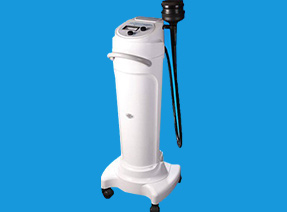
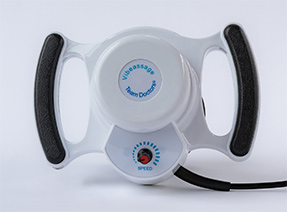
The Vibeassage Sport and the Vibeassage Pro featuring the TDX3 soft-as-the-hand Biomimetic Applicator Pad
https://www.teamdoctors.com/
✓ Get Dr. Stoxen’s #1 International Bestselling Books
Learn how to understand, examine, and reverse your TOS—without surgery.
https://drstoxen.com/1-international-best-selling-author/
✓ Check out Team Doctors Online Courses
Step-by-step video lessons, demonstrations, and self-treatment strategies.
https://teamdoctorsacademy.com/
✓ Schedule a Free Phone Consultation With Dr. Stoxen
Speak directly with him so he can review your case and guide you on your next steps.
https://drstoxen.com/appointment/
#ThoracicOutletSyndrome #TOS #VascularTOS #ShoulderCompression #ArmSwelling #VenousCompression #ImagingPitfalls #DopplerUltrasound #MRIVenography #PostureMechanics #MuscleGuarding #VascularSymptoms #ClinicalEvaluation #UpperExtremity #BloodFlow #MedicalImaging #FunctionalCompression #PatientEducation #TeamDoctors #DrStoxen
References
[1] Illig, Karl A., et al. “Thoracic Outlet Syndrome.” Journal of Vascular Surgery, vol. 53, no. 3, 2011, pp. 845–852. https://doi.org/10.1016/j.jvs.2010.09.057
[2] Povlsen, Bo, et al. “Treatment for Thoracic Outlet Syndrome.” Cochrane Database of Systematic Reviews, 2014. https://doi.org/10.1002/14651858.CD007218.pub3
[3] Likes, K. C., et al. “Diagnostic Accuracy of Duplex Ultrasound in Venous Thoracic Outlet Syndrome.” Annals of Vascular Surgery, vol. 28, no. 4, 2014, pp. 1087–1094. https://doi.org/10.1016/j.avsg.2013.12.020

Dr James Stoxen DC., FSSEMM (hon) He is the president of Team Doctors®, Treatment and Training Center Chicago, one of the most recognized treatment centers in the world.
Dr Stoxen is a #1 International Bestselling Author of the book, The Human Spring Approach to Thoracic Outlet Syndrome. He has lectured at more than 20 medical conferences on his Human Spring Approach to Thoracic Outlet Syndrome and asked to publish his research on this approach to treating thoracic outlet syndrome in over 30 peer review medical journals.
He has been asked to submit his other research on the human spring approach to treatment, training and prevention in over 150 peer review medical journals. He serves as the Editor-in-Chief, Journal of Orthopedic Science and Research, Executive Editor or the Journal of Trauma and Acute Care, Chief Editor, Advances in Orthopedics and Sports Medicine Journal and editorial board for over 35 peer review medical journals.
He is a much sought-after speaker. He has given over 1000 live presentations and lectured at over 70 medical conferences to over 50,000 doctors in more than 20 countries. He has been invited to speak at over 300 medical conferences which includes invitations as the keynote speaker at over 50 medical conferences.
After his groundbreaking lecture on the Integrated Spring-Mass Model at the World Congress of Sports and Exercise Medicine he was presented with an Honorary Fellowship Award by a member of the royal family, the Sultan of Pahang, for his distinguished research and contributions to the advancement of Sports and Exercise Medicine on an International level. He was inducted into the National Fitness Hall of Fame in 2008 and the Personal Trainers Hall of Fame in 2012.
Dr Stoxen has a big reputation in the entertainment industry working as a doctor for over 150 tours of elite entertainers, caring for over 1000 top celebrity entertainers and their handlers. Anthony Field or the popular children’s entertainment group, The Wiggles, wrote a book, How I Got My Wiggle Back detailing his struggles with chronic pain and clinical depression he struggled with for years. Dr Stoxen is proud to be able to assist him.
Full Bio) Dr Stoxen can be reached directly at teamdoctors@aol.com