Why Vein Compression Matters in Thoracic Outlet Problems
When the space around the outlet becomes tight, the subclavian vein can narrow. Blood flow slows, pressure builds, and a clot can form. This is called Paget-Schroetter Syndrome, and it often appears in people who use their arms with force or repetition.
A clot does not appear out of nowhere. It usually starts with mechanical compression that reduces circulation over time (Illig et al., 2010). When this narrowing becomes severe, the blood has trouble moving through the vein. Doctors often confirm this by looking for collateral vein prominence on imaging studies (Urschel & Razzuk, 1970).
Understanding this process helps you recognize early signs before it becomes a larger problem.
Common Symptoms People Notice First
For many patients, the first warning signs are changes they can see or feel. These include:
- Symptoms that appear suddenly after activity
- Arm swelling that does not match the other arm
- Pain / heaviness of arm during or after exercise
- Skin that shows cyanosis / bluish discoloration
- A feeling of tightness or pressure near the shoulder or collarbone
Some people notice sudden arm swelling after exertion, which is one of the classic early clues linked to vein compression.
Doctors worry about the risk of pulmonary embolism when a clot forms, which is why accurate testing is important.
How Doctors Check for Vein Compression
No single test diagnoses this condition. Most people need more than one. Imaging helps doctors see the narrowed space, the flow of blood, and any clot that might be present.
Some of the most helpful tests include:
- MRI / MRV
- Duplex ultrasound
- Thoracic outlet syndrome ultrasound
- Venography
- Thoracic outlet syndrome MRI protocol
- Cervical rib MRI
- X-ray of cervical rib
- Thoracic outlet MRI
These tools help identify where the pressure is happening and how severe it is. For example, an MRI / MRV can show blood flow changes and the shape of the vein as it passes through the outlet (Illig et al., 2010). A Duplex ultrasound can reveal reduced flow when the arm is moved into certain positions.
Even though imaging can be helpful, doctors sometimes still struggle to agree on what the pictures mean. Some rely on thoracic outlet syndrome imaging, while others prefer venography, which can show the clot directly. Both have value depending on the situation.
Is surgery necessary?
If doctors find a clot, the usual sequence is fast and aggressive:
- A catheter is inserted
- Medication is used to break up the clot
Most surgical plans include removing the first rib and cutting tight muscles to give the vein more space. These procedures fall under TOS Surgery, and they can help open the outlet when compression is severe.
We can decompress your outlet without the surgery and in a more comprehensive way
This is why learning the full picture is important before making decisions.
Why Mechanical Collapse Still Matters After Surgery
The outlet is supported by muscles, fascia, and your natural movement patterns. When these structures tighten or lose motion, they can squeeze the space the vein needs to work well. Even after rib removal, you may still have tension around the remaining structures.
When the root mechanical compression is not addressed, symptoms can return. Some people still have trouble with blood flow even when imaging shows more space. Others develop new areas of tightness because the body tries to compensate.
Understanding how motion, strength, and tension influence the outlet helps you protect yourself long-term.
What You Can Do to Support Better Function
Releasing deep tension, improving motion, restoring shoulder rhythm, and supporting better posture can help the outlet stay open. These steps are often part of non-surgical strategies for people who want to reduce pressure naturally.
Some patients also use gentle tools at home to address the tightness around the collarbone, chest, and neck. The goal is to reduce the strain that contributes to collapse and improve space so blood can move more freely.
You can learn more about mechanical compression, movement patterns, and recovery strategies through resources that guide you step-by-step.
Team Doctors Resources
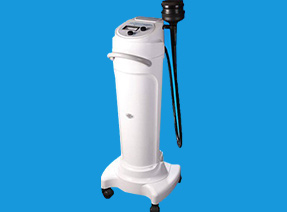
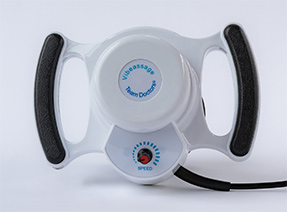
✓ Check out the Team Doctors Recovery Tools
The Vibeassage Sport and the Vibeassage Pro featuring the TDX3 soft-as-the-hand Biomimetic Applicator Pad
https://www.teamdoctors.com
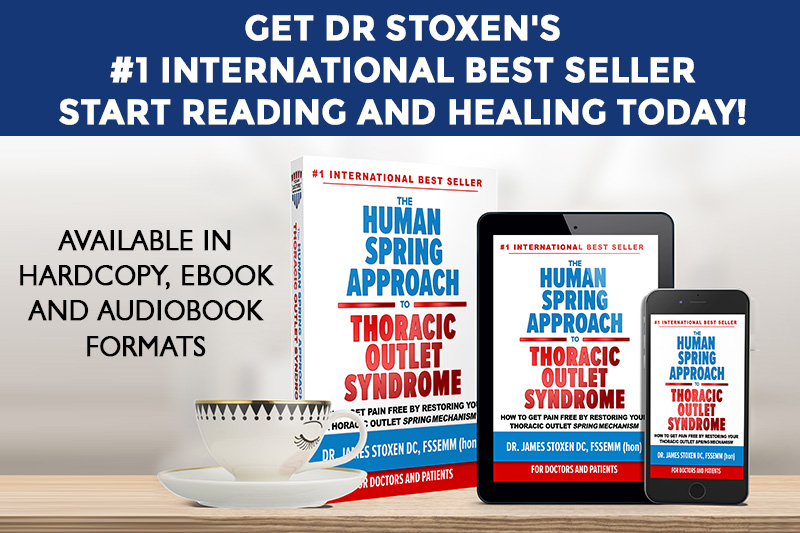
✓ Get Dr. Stoxen’s #1 International Bestselling Books
Learn how to understand, examine, and reverse your TOS—without surgery.
https://drstoxen.com/1-international-best-selling-author
✓ Check out Team Doctors Online Courses
Step-by-step video lessons, demonstrations, and self-treatment strategies.
https://teamdoctorsacademy.com
✓ Schedule a Free Phone Consultation With Dr. Stoxen
Speak directly with him so he can review your case and guide you on your next steps.
https://drstoxen.com/appointment
#ThoracicOutletSyndrome #TOS #PagetSchroetterSyndrome #TOSSurgery #VeinCompression #ArmSwelling #BloodClots #SubclavianVein #TOSImaging #TOSRecovery #TOSAwareness #NeurovascularCompression #ShoulderPain #VascularTOS #ThoracicOutlet #RibRemoval #ClotWarning #UpperExtremitySwelling #FirstRibResection #TeamDoctors
REFERENCES
Illig KA, Donahue DM, et al. “Thoracic Outlet Syndrome.” Journal of Vascular Surgery, 2010.
Urschel HC, Razzuk MA. “Paget-Schroetter Syndrome: Treatment and Outcomes.” Annals of Surgery, 1970.

Dr James Stoxen DC., FSSEMM (hon) He is the president of Team Doctors®, Treatment and Training Center Chicago, one of the most recognized treatment centers in the world.
Dr Stoxen is a #1 International Bestselling Author of the book, The Human Spring Approach to Thoracic Outlet Syndrome. He has lectured at more than 20 medical conferences on his Human Spring Approach to Thoracic Outlet Syndrome and asked to publish his research on this approach to treating thoracic outlet syndrome in over 30 peer review medical journals.
He has been asked to submit his other research on the human spring approach to treatment, training and prevention in over 150 peer review medical journals. He serves as the Editor-in-Chief, Journal of Orthopedic Science and Research, Executive Editor or the Journal of Trauma and Acute Care, Chief Editor, Advances in Orthopedics and Sports Medicine Journal and editorial board for over 35 peer review medical journals.
He is a much sought-after speaker. He has given over 1000 live presentations and lectured at over 70 medical conferences to over 50,000 doctors in more than 20 countries. He has been invited to speak at over 300 medical conferences which includes invitations as the keynote speaker at over 50 medical conferences.
After his groundbreaking lecture on the Integrated Spring-Mass Model at the World Congress of Sports and Exercise Medicine he was presented with an Honorary Fellowship Award by a member of the royal family, the Sultan of Pahang, for his distinguished research and contributions to the advancement of Sports and Exercise Medicine on an International level. He was inducted into the National Fitness Hall of Fame in 2008 and the Personal Trainers Hall of Fame in 2012.
Dr Stoxen has a big reputation in the entertainment industry working as a doctor for over 150 tours of elite entertainers, caring for over 1000 top celebrity entertainers and their handlers. Anthony Field or the popular children’s entertainment group, The Wiggles, wrote a book, How I Got My Wiggle Back detailing his struggles with chronic pain and clinical depression he struggled with for years. Dr Stoxen is proud to be able to assist him.
Full Bio) Dr Stoxen can be reached directly at teamdoctors@aol.com