Modern life requires frequent interaction with smartphones, tablets, and digital devices.
These tools have become essential for communication, work, and daily organization.
At the same time, many individuals describe new patterns of neck, shoulder, and arm discomfort.
In my clinical experience, these patterns often overlap with postural stress linked to prolonged device use.
One commonly discussed issue is cell phone neck pain, which develops when the head repeatedly tilts forward.
This position increases mechanical load through the cervical spine and upper thoracic region.
The human head weighs roughly ten to twelve pounds in neutral posture.
When it moves forward, effective load on the neck structures increases significantly.
Many individuals describe mobile phone neck pain after long periods of scrolling or texting.
This discomfort often extends into the shoulders and upper back.
A growing number of patients often report text neck symptoms such as stiffness, soreness, and fatigue.
These sensations may appear gradually and become more noticeable over time.
The term text neck syndrome is often used to describe this repetitive postural pattern.
It reflects sustained forward head posture combined with prolonged screen focus.
When the shoulders round forward, phone posture pain may develop across the upper chest and neck.
This position can alter normal muscle balance around the shoulder girdle.
Many individuals describe smartphone posture pain that worsens at the end of the day.
This pattern is frequently associated with prolonged sitting and screen time.
Sustained flexion can lead to neck pain from phone use that feels deep and aching.
This sensation may be accompanied by reduced range of motion.
As the head moves forward, load transfers toward the shoulder muscles.
This may contribute to shoulder pain from phone use during long sessions.
Over time, the upper thoracic spine may stiffen.
This stiffness can contribute to upper back pain phone use patterns.
Hand positioning also plays a role in device-related strain.
Prolonged gripping and thumb movement increase local tissue demand.
Some individuals report thumb pain from texting after extended messaging sessions.
This may be associated with repetitive motion and sustained muscle activation.
Others describe wrist pain from phone use, especially when devices are held at low angles.
This posture increases extension and compression forces across the wrist joint.
Sustained gripping may lead to hand pain from smartphone use over time.
Small intrinsic hand muscles can fatigue with repetitive strain.
In some cases, symptoms extend upward.
Patients often report arm pain from phone use that radiates along the forearm.
When posture and muscle tension persist, neurological symptoms may appear.
This may include nerve pain from phone use described as burning or sharp sensations.
Some individuals describe tingling fingers phone use during or after device activity.
This sensation may involve altered nerve signaling under sustained tension.
Others report numb hands from phone use, particularly after prolonged static positions.
This may reflect vascular or neural sensitivity to compression.
The phrase tech neck pain has gained attention in recent years.
It describes cumulative strain related to modern digital habits.
Forward positioning of the head can also influence the shoulder region.
This may contribute to forward head posture phone patterns observed clinically.
When the shoulders remain elevated or protracted, discomfort may follow.
This can present as cell phone shoulder pain during daily activities.
Over time, repeated exposure may lead to phone use chronic pain patterns.
These patterns often involve multiple regions rather than a single site.
Repetitive movements contribute further strain.
This is often described as repetitive strain phone use in occupational settings.
Some individuals recognize features of RSI from smartphone use in their daily routines.
These patterns are similar to other overuse syndromes.
Extended sessions may also provoke digital device neck pain during workdays.
This is particularly common with combined phone and laptop use.
Many individuals notice screen time neck pain after prolonged viewing.
This may worsen when breaks are limited.
Sustained posture can lead to cell phone muscle tension across the neck and shoulders.
This tension may limit normal movement variability.
In some cases, posture-related stress contributes to phone use nerve compression sensations.
This may affect neural structures passing through the neck and shoulder region.
Prolonged use without variation may lead to smartphone overuse pain patterns.
These patterns often develop gradually rather than suddenly.
Over months or years, individuals may describe mobile phone chronic pain that feels persistent.
This may involve neck, shoulder, and arm regions together.
A well-known hand-related condition is texting thumb syndrome.
This reflects repetitive thumb movement combined with gripping force.
Awareness of smartphone ergonomics pain has increased as device use grows.
Ergonomic strategies aim to reduce sustained load and repetition.
What can be done to reduce these patterns begins with awareness.
Small changes in daily habits can reduce sustained strain.
You do not need to constantly hold your phone in your hand.
Many devices allow voice dictation with the phone resting on a desk.
Dictation reduces repetitive thumb and finger movement.
It also allows the shoulders and arms to relax.
Placing the phone at eye level reduces forward head posture.
This helps distribute load more evenly through the spine.
Taking frequent breaks allows muscles to recover.
Varying positions reduces sustained compression.
Avoid holding objects for long, uninterrupted periods.
Alternating tasks helps reduce cumulative strain.
From a biomechanical perspective, posture variability is protective.
Movement distributes forces across tissues more evenly.
In my clinical experience, education is a key step.
Understanding how daily habits influence posture empowers change.
Thoracic Outlet Syndrome is often discussed in relation to posture.
Sustained forward head and shoulder positions can influence this region.
The thoracic outlet contains neural and vascular structures.
These structures are sensitive to prolonged compression.
When posture collapses forward, space may be reduced.
This can influence symptom perception over time.
Education focuses on restoring awareness, not fear.
The goal is understanding, not restriction.
Daily habits shape long-term mechanical patterns.
Small adjustments can accumulate meaningful change.
Team Doctors Resources
✓ Check out the Team Doctors Recovery Tools
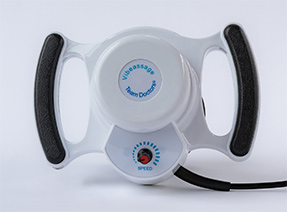
The Vibeassage Sport and the Vibeassage Pro featuring the TDX3 soft-as-the-hand Biomimetic Applicator Pad
https://www.teamdoctors.com/
✓ Get Dr. Stoxen’s #1 International Bestselling Books
Learn how to understand, examine, and reverse your TOS—without surgery.
https://drstoxen.com/1-international-best-selling-author/
✓ Check out Team Doctors Online Courses
Step-by-step video lessons, demonstrations, and self-treatment strategies.
https://teamdoctorsacademy.com/
✓ Schedule a Free Phone Consultation With Dr. Stoxen
Speak directly with him so he can review your case and guide you on your next steps.
https://drstoxen.com/appointment/
#ThoracicOutletSyndrome #TOS #PostureHealth #TechNeck #PhonePosture #NeckPain #ShoulderPain #UpperBackPain #DigitalHealth #Ergonomics #ScreenTime #RepetitiveStrain #ModernPosture #Biomechanics #NerveCompression #MuscleTension #WorkPosture #SelfCare #HealthEducation #TeamDoctors
References:
[1] Hansraj, K. K. “Assessment of Stresses in the Cervical Spine Caused by Posture and Position of the Head.” Surgical Technology International 25 (2014): 277–279. https://pubmed.ncbi.nlm.nih.gov/25393825/
[2] Damasceno, G. M., et al. “Text Neck and Neck Pain in Young Adults.” European Spine Journal 27, no. 6 (2018): 1249–1254. https://pubmed.ncbi.nlm.nih.gov/29318571/
[3] Szeto, G. P. Y., et al. “Neck and Shoulder Muscle Activity in Relation to Smartphone Use.” Applied Ergonomics 44, no. 5 (2013): 838–845. https://pubmed.ncbi.nlm.nih.gov/23313561/
[4] Moore, M. K. “Upper Crossed Syndrome and Its Relationship to Cervical Spine Disorders.” Journal of Manipulative and Physiological Therapeutics 27, no. 6 (2004): 414–420. https://pubmed.ncbi.nlm.nih.gov/15319711/

Dr James Stoxen DC., FSSEMM (hon) He is the president of Team Doctors®, Treatment and Training Center Chicago, one of the most recognized treatment centers in the world.
Dr Stoxen is a #1 International Bestselling Author of the book, The Human Spring Approach to Thoracic Outlet Syndrome. He has lectured at more than 20 medical conferences on his Human Spring Approach to Thoracic Outlet Syndrome and asked to publish his research on this approach to treating thoracic outlet syndrome in over 30 peer review medical journals.
He has been asked to submit his other research on the human spring approach to treatment, training and prevention in over 150 peer review medical journals. He serves as the Editor-in-Chief, Journal of Orthopedic Science and Research, Executive Editor or the Journal of Trauma and Acute Care, Chief Editor, Advances in Orthopedics and Sports Medicine Journal and editorial board for over 35 peer review medical journals.
He is a much sought-after speaker. He has given over 1000 live presentations and lectured at over 70 medical conferences to over 50,000 doctors in more than 20 countries. He has been invited to speak at over 300 medical conferences which includes invitations as the keynote speaker at over 50 medical conferences.
After his groundbreaking lecture on the Integrated Spring-Mass Model at the World Congress of Sports and Exercise Medicine he was presented with an Honorary Fellowship Award by a member of the royal family, the Sultan of Pahang, for his distinguished research and contributions to the advancement of Sports and Exercise Medicine on an International level. He was inducted into the National Fitness Hall of Fame in 2008 and the Personal Trainers Hall of Fame in 2012.
Dr Stoxen has a big reputation in the entertainment industry working as a doctor for over 150 tours of elite entertainers, caring for over 1000 top celebrity entertainers and their handlers. Anthony Field or the popular children’s entertainment group, The Wiggles, wrote a book, How I Got My Wiggle Back detailing his struggles with chronic pain and clinical depression he struggled with for years. Dr Stoxen is proud to be able to assist him.
Full Bio) Dr Stoxen can be reached directly at teamdoctors@aol.com