Why Thoracic Outlet Syndrome Surgery Is the Not the Only Option. There is another less painful and less risky way to open the outlet
Most people grow up thinking the body works like a machine made of hard parts.
If something hurts, the part must be broken.
If it keeps hurting, maybe the part needs to be removed.
If nothing else works, surgery sounds like the final answer.
This way of thinking feels logical. But the human body is not made of rigid parts like a car. It is made of living, moving, elastic tissues that are meant to stretch, recoil, and adapt.
That is why many people become confused when they start searching for help with long-lasting neck, shoulder, or arm pain.
Some are told they should see a neck pain specialist before surgery.
Others start looking for a doctor who helps avoid cervical surgery or a cervical surgery second opinion doctor.
Many type things into Google like non-surgical spine doctor near me, doctor who avoids cervical fusion, or best doctor to avoid neck surgery.
This alone tells us something important:
People are not only looking for relief.
They are also looking for another way to think about their body.
They are looking for someone who is a spine specialist focused on non-surgical care, a functional spine specialist, or a holistic neck pain doctor. They want to understand what is happening, not just remove something and hope for the best.
The Body Is More Like a Suspension Bridge Than a Stack of Blocks
Dr. James Stoxen often explains the body using a simple idea:
Your body works more like a spring system than a stack of bones.
Bones are not meant to carry load by themselves.
Muscles, tendons, fascia, and connective tissues suspend the bones in space.
This suspension system spreads forces, absorbs shock, and allows smooth movement.
Think of:
- A car suspension
- A mountain bike shock absorber
- A suspension bridge
None of these work by being stiff. They work by flexing, storing energy, and releasing energy.
The human body is built the same way.
This is the foundation of what Dr. Stoxen calls the Human Spring Approach.
It does not start with the question, “What part should we remove?”
It starts with the question, “What part of the spring system is not moving, not stretching, or not sharing load the way it should?”
That is why some people search for a movement-based neck pain specialist, a manual therapy doctor for neck pain, or a sports medicine doctor for neck pain. They sense that their problem is not just “a bad part.” It feels more like a movement and tension problem.
Others look for a physical medicine and rehabilitation doctor neck pain or an integrative spine care doctor because they want someone who looks at how the whole system works together.
Why Pain Often Doesn’t Match the Scan
One of the most confusing things for patients is this:
- Some people have terrible pain and “bad” scans.
- Some people have terrible scans and almost no pain.
This is because pain is not just about structure. It is also about:
- Tension
- Pressure
- Load
- Inflammation
- Movement habits
- Fatigue
That is why people often search for a doctor for unexplained neck and arm pain or a doctor for nerve pain in neck and arm. They know something is wrong, but the simple explanations do not fully explain what they feel.
Some are told they have disc issues and start searching for a doctor who treats disc problems without surgery or a cervical disc herniation non-surgical doctor.
Others are told they have nerve irritation and look for a neck nerve pain specialist non-surgical or a doctor who treats pinched nerve without surgery.
What many of these people are really dealing with is a mechanical compression problem that changes with posture, load, and fatigue.
That is very different from a broken bone.
Compression Is Not Always a “Fixed” Problem
Here is a simple question:
If your symptoms change during the day, are they really coming from something “fixed” and unchanging?
Many people notice:
- They feel worse when tired
- Worse when sitting too long
- Worse when working overhead
- Worse when stressed
- Better when lying down
- Better when relaxed
- Better on vacation
This is one reason people look for a non-invasive neck pain treatment doctor or a doctor who treats neck pain without surgery.
They can feel that something is tightening and loosening, not just broken.
This is also why people look for a neck pain specialist conservative treatment or a specialist for neck and arm pain without surgery. They want someone who understands load, tension, and movement, not just anatomy pictures.
The Neck and Shoulder Are a Hanging System
Your head does not sit on your spine like a brick on a stick.
It is suspended by muscles.
Your shoulder does not sit on your rib cage like a shelf on a wall.
It is hung from muscles.
When those muscles become tired, tight, or irritated, they do not just hurt.
They change position.
Over time, this can:
- Pull the shoulder downward
- Pull the rib cage upward
- Narrow important spaces
- Increase pressure on sensitive tissues
This is one reason people search for a doctor who treats cervical spine compression naturally or a doctor who treats cervical radiculopathy without surgery.
They are not just dealing with “a bad disc.” They are dealing with a system under uneven tension.
Why So Many People Are Nervous About Surgery
If you talk to enough patients, you will hear the same worries again and again:
- “What if it doesn’t work?”
- “What if it makes things worse?”
- “What if the pain comes back?”
That is why people look for a neck pain second opinion specialist or an alternative to cervical spine surgery doctor.
They are not anti-doctor. They are trying to make a careful decision about their body for the rest of their life.
This same pattern shows up very strongly in people with shoulder-to-arm symptoms that get labeled as thoracic outlet problems.
Many people start searching things like:
- avoid thoracic outlet surgery
- thoracic outlet syndrome without surgery
- natural treatment for thoracic outlet syndrome
- non-surgical treatment for TOS
Not because they are stubborn — but because they sense that their problem feels mechanical and dynamic, not like a single broken part.
A Simple Mechanical Reality
Here is a very simple idea:
If a system is being pulled out of shape by many tight structures, removing one piece does not fix the pulling.
Dr. Stoxen often explains that in many people with shoulder, neck, and arm symptoms, there are 10 to 12 muscles that can be irritated, tight, and overworked at the same time.
These muscles do not just cause pain.
They change shape and position of the whole system.
That is why some people start asking:
- can thoracic outlet syndrome heal naturally
- how to fix thoracic outlet syndrome
- best non-surgical TOS treatment
- alternatives to thoracic outlet surgery
They are really asking:
“Is there a way to restore the system instead of removing parts of it?”
The Goal Is Not to “Fight” Medicine
It is very important to say this clearly:
This way of thinking is not anti-surgery.
It is pro-understanding.
There are times when surgery is necessary and life-saving. Everyone agrees on that.
But there are also many times when people benefit from slowing down, understanding the mechanics, and exploring conservative options first.
That is why people search for:
- conservative treatment for thoracic outlet syndrome
- conservative care for TOS
- non-invasive TOS treatment
- treat TOS without surgery
They want to know if there is a way to:
- reduce compression without surgery
- restore shoulder space naturally
- improve blood flow without surgery
- relieve nerve compression naturally
Not as a promise. Not as a miracle.
But as a logical, mechanical approach.
Where the Human Spring Approach Fits In
The Human Spring Approach is not a treatment.
It is not a diagnosis.
It is not a promise.
It is a way of thinking about the body.
It looks at:
- How load is carried
- How tension is distributed
- How movement is shared
- How compression changes with posture and fatigue
It asks:
“Where has the spring system become stiff, guarded, or overloaded?”
And:
“How can we support the system in becoming more balanced again?”
This way of thinking is why many people look for a functional treatment for TOS, manual therapy for TOS, or a movement-based treatment TOS approach.
They are not chasing a label.
They are trying to restore function, comfort, and movement.
A Gentle Note About Self-Care Tools
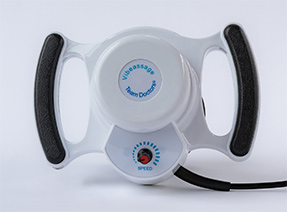
Later in this article series, we will talk about simple self-care tools like the Vibeassage Pro and Vibeassage Sport.
These are not medical treatments.
They do not diagnose or cure anything.
They are simply tools that many people use to:
- Relax tight muscles
- Increase comfort
- Improve body awareness
- Support daily recovery habits
They fit into the self-care and wellness side of life, not medical treatment.
The Body Is Not a Stack of Parts
When a Shoulder Spring Suspension System Loses Its Balance
In Part 1, we talked about a simple idea:
The body does not work like a stack of blocks.
It works more like a suspension system.
Your head is suspended by muscles.
Your shoulders are suspended by muscles.
Your rib cage is suspended by muscles.
When this system is balanced, everything feels light, strong, and easy.
When this system becomes tired, irritated, or overloaded, things slowly begin to shift.
Not suddenly.
Not all at once.
But little by little, day by day.
How the System Slowly Gets Pulled Out of Shape
Most people do not wake up one morning with a broken suspension system.
It usually happens through:
- Years of sitting
- Repeated stress
- Old injuries
- Poor sleep
- Long hours at a desk
- Working with arms overhead
- Emotional stress that keeps muscles tight
Over time, muscles that were meant to relax after work begin to stay tight even at rest.
This is not a moral failure.
It is a fatigue and protection response.
When this happens in the neck, shoulder, and chest area, something important starts to change:
Some muscles pull down.
Some muscles pull up.
Some muscles pull forward.
Some muscles pull back.
Now imagine 10 to 12 muscles doing this at the same time.
The system does not stay centered.
It slowly becomes twisted, compressed, and unbalanced.
This is one reason people start looking for a doctor for chronic neck pain without surgery or a doctor who treats neck pain without surgery. They can feel that their problem is not just one spot. It feels like the whole area is under strain.
The Shoulder and Rib Cage: A Narrowing Space
Between your neck and your chest is a busy area where important nerves and blood vessels pass.
This space is not a hard tunnel made of stone.
It is a living, changing space formed by bones that are held in place by muscles.
When muscles around this area become tight and tired:
- The shoulder can be pulled downward
- The rib cage can be pulled upward
- The space between them can become smaller
This can increase pressure on sensitive tissues.
That is why some people start searching for a neck nerve pain specialist non-surgical or a doctor who treats cervical radiculopathy without surgery.
Others look for a specialist for neck and arm pain without surgery or a doctor for nerve pain in neck and arm.
They are not imagining things.
They are feeling a change in mechanical space.
Why This Is Not Just “A Bad Disc”
Many people are told their problem is a disc.
Sometimes discs do change. That is true.
But here is an important question:
Why do symptoms often change with posture, activity, or fatigue?
If the problem were only a fixed piece of tissue, symptoms would be much more constant.
This is why people search for a doctor who treats disc problems without surgery or a cervical disc herniation non-surgical doctor.
They are trying to find someone who understands that:
Compression can be dynamic, not just structural.
This is also why some people look for a movement-based neck pain specialist or a manual therapy doctor for neck pain. They want someone who understands how movement and tension change space.
The Big Misunderstanding About “Fixing” Space
Here is where a very common misunderstanding shows up:
If space is tight, people assume you must cut something out to make more room.
But in a suspension system, space is created more by position and balance than by removing parts.
If a bridge is sagging because cables are too tight on one side and too loose on the other, do you fix it by cutting out part of the bridge?
Or do you rebalance the tension?
This is the kind of thinking behind why some people search for a doctor who treats cervical spine compression naturally or a non-invasive neck pain treatment doctor.
They are not refusing medical care.
They are asking a mechanical question:
“Can this system be restored instead of reduced?”
Why Surgery Can Feel Like a Scary Decision
When people start reading about surgery for these problems, they often find very heavy questions that must be explored:
- What is involved with thoracic outlet syndrome surgery
- Is thoracic outlet surgery dangerous?
- What are the first rib resection risks?
- What are the scalenectomy surgery risks?
The most important question is” o I need thoracic outlet surgery?
Can the outlet be opened another way?
Yes!
They also find stories about:
- thoracic outlet surgery complications
- failed thoracic outlet surgery
- symptoms came back after TOS surgery
- recurrence after thoracic outlet surgery
By the way, studies say blood clots can happen in 10 – 25% of patients after thoracic outlet decompression, ie thoracic outlet syndrome surgery.
This does not mean surgery is always wrong.
It means people are trying to understand the full picture before making a permanent decision.
That is why many seek a neck pain second opinion specialist or a cervical surgery second opinion doctor.
A Hard Mechanical Truth
Here is the key idea that Dr. Stoxen teaches:
If 12 muscles are tight and inflamed and pulling the system out of shape, removing one rib and two muscles does not restore the whole system.
It may change the shape of the space.
But it does not change the forces that are still pulling.
Patients say their surgery didn’t fix arm pain.
My surgery made symptoms worse.
Is this what it feels like when surgery fails TOS?
I don’t want a revision TOS surgery but this is what they are recommending,
Again, this is not an attack on surgeons.
It is a mechanical reality:
Removing parts is not the same as restoring balance.
The Question Patients Are Really Asking
What you will find here with me is we give you a choice between surgery vs conservative treatment TOS
This is an alternative to shape your thoracic outlet surgery decision
Now you have to ask the question, should I avoid TOS surgery?
You will see that surgery your only option
So, before getting thoracic outlet surgery contact us.
They are really asking:
“Has anyone looked at my whole system, or only at one small piece of it?”
This is why people look for a spine specialist focused on non-surgical care, a functional spine specialist, or an integrative spine care doctor.
They want someone who understands systems, not just structures.
Where Conservative Thinking Comes In
Conservative care does not mean “do nothing.”
It means:
- First, try to restore function
- First, try to reduce overload
- First, try to improve movement and balance
- First, try to support the body’s own mechanics
That is why people search for:
We offer a conservative approach to TOS and conservative treatment for thoracic outlet syndrome. With conservative care for TOS you always have the option to try surgery if this doesn’t work out. You will learn the right physical rehabilitation for TOS after you leave to make your non-surgical recovery TOS a successful one.
We are not chasing a miracle.
We are trying to give your body a fair chance to rebalance its spring suspension mechanism.
The Role of Posture and Daily Load
Posture is not about sitting up straight like a soldier.
It is about how the system hangs and carries weight.
Small daily habits can:
- Keep some muscles working too hard
- Keep some muscles too long and weak
- Keep some spaces under constant pressure
That is why many people look for postural correction for TOS or a movement-based treatment TOS approach.
They are trying to change the inputs to the system, not just the parts.
Where This Is Leading
The Human Spring Approach is not about rejecting medicine.
It is about restoring mechanical balance before removing structure whenever possible.
It asks:
- Can load be shared better?
- Can tension be reduced?
- Can movement be improved?
- Can the system be supported instead of cut?
The Body Is Not a Stack of Parts
Why Outcomes Vary and Why the System Still Matters
When people first start learning about procedures for neck, shoulder, and arm problems, they usually expect a simple story:
“There is a bad structure.
The bad structure is removed.
The problem is solved.”
But when they begin reading real experiences, they discover something else.
You should do these searches in Pubmed even though the articles of how wonderful the surgery is are written by the same surgeons that did the surgery. However look these matters up.
What is the thoracic outlet surgery success rate? We have a blog article on this and I HIGHLY recommend you watch this video
90% Surgery Success—But Pain-Free?
What is thoracic outlet surgery recovery like and how long is it?
What is life after thoracic outlet surgery? Has anyone else gone through this
Thoracic Outlet Syndrome Surgery left her Son with Seven Years of Pain – One Woman’s Story Saved Him
https://www.youtube.com/watch?v=dE7TldM4DRs
💔Thoracic Outlet Syndrome Surgery left me in Severe Pain for 10 years! How I finally got relief!
https://www.youtube.com/watch?v=UiZ87YC8o0Y&t=80s
This question, how long is recovery after TOS surgery should be, will I ever recover from this surgery or will I have this pain for the rest of my life?
What are the long-term results of TOS surgery?
What are typical TOS surgery outcomes?
Will I still have this pain after thoracic outlet surgery?
Will I still have this numbness after TOS surgery?
Will I still have this nerve damage after TOS surgery?
Will there still be a blood clot risk after TOS surgery? Of course, 10 – 25% risk even after this invasive TOS surgery.
This can feel overwhelming.
Not because surgery is always wrong.
But because the body is more complex than a single fix.
Why Some People Feel Better and Some Don’t
Some people do feel better after surgery.
Better does not mean pain free.
Some feel partly better.
Some feel the same.
Some feel worse.
Why?
Because surgery changes structure, but it does not automatically restore:
- Muscle balance
- Movement patterns
- Load sharing
- Posture
- Daily mechanical habits
If the same forces that slowly pulled the system out of balance are still there, the system can slowly drift back into trouble.
That is why symptoms came back after TOS surgery.
That is why I have a recurrence after thoracic outlet surgery.
That is why when surgery fails TOS.
That is why so many have revision TOS surgery and some have a few of them.
Again, this is not about blame.
It is about understanding systems versus parts.
Surgery Changes Shape, Not Habits
Think of it this way:
If a door keeps getting bent because the house is settling, shaving the door might help for a while.
But if the foundation keeps moving, the door will eventually stick again.
In the body, daily habits matter:
- How you sit
- How you work
- How you sleep
- How you move
- How you carry stress
This is why people often end up looking for a doctor for unexplained neck and arm pain or a doctor for chronic neck pain without surgery even after they have “done everything right.”
They are discovering that structure alone is not the whole story.
The Fear-Based Decision Trap
When someone is in pain and scared, it is very easy to fall into this thinking:
“I just want this over with. Do whatever it takes.”
Is surgery my only option?
Should I avoid TOS surgery?
This is a life decision for thoracic outlet surgery.
Good medicine is not about rushing.
It is about making the most informed decision possible.
That is why so many people seek a neck pain second opinion specialist or a cervical surgery second opinion doctor.
The Hidden Issue: The System Still Has to Work
Even if surgery changes one piece of the anatomy, the rest of the system still has to:
- Hold your head up
- Hang your shoulders
- Move your arms
- Support your breathing
- Deal with gravity all day
If the spring system is still stiff, guarded, and unbalanced, the load will simply be transferred somewhere else.
This is one reason some people later say:
- surgery didn’t fix arm pain
- surgery made symptoms worse
Not because surgery was evil.
But because the system was never restored.
The Question of Risk
When people read about:
- first rib resection risks
- scalenectomy surgery risks
- thoracic outlet surgery complications
They are not being negative.
They are being responsible.
Every procedure has risks.
Every body responds differently.
That is why thoughtful patients and thoughtful doctors both ask:
“Have we truly explored the conservative options first?”
What Conservative Really Means
Conservative does not mean ignoring the problem.
It means:
- Supporting function first
- Restoring movement first
- Reducing overload first
- Improving mechanics first
That is why people search for:
- avoiding surgery for arm pain
- surgery vs conservative treatment TOS
- best therapy for thoracic outlet syndrome
- best non-surgical TOS treatment
They are trying to understand whether the system can be helped without removing parts.
The Body Is Always Adapting
Here is something both surgeons and non-surgeons agree on:
The body is always adapting.
It adapts to:
- Work
- Stress
- Injury
- Posture
- Training
- Lack of movement
This means:
If you change nothing about how you use your body, the body will keep adapting in the same direction — no matter what procedure you had.
That is why people eventually start exploring:
- natural ways to treat TOS
- holistic treatment for thoracic outlet syndrome
- functional treatment for TOS
They are not rejecting medicine.
They are trying to work with their body instead of against it.
Where This Leads
By this point, many people begin to realize something important:
The real question is not “What should be removed?”
The real question is “How can the system be supported and rebalanced?”
That is the heart of the Human Spring way of thinking.
It is not a treatment.
It is a framework for understanding how the body carries load and how it loses balance.
The Body Is Not a Stack of Parts
Learning to Support the System You Live In
By this point in the story, many people reach a quiet but powerful realization:
“My body is not something to fight. It is something to understand.”
They begin to see that they are not just dealing with a single bad part. They are living inside a system that carries load, adapts to stress, and responds to daily habits.
This is often the moment when people start searching for things like home treatment for thoracic outlet syndrome or self-treatment for thoracic outlet syndrome. Not because they want to replace doctors, but because they want to become active participants in their own daily care.
What “Self-Care” Really Means
Self-care does not mean diagnosing yourself.
It does not mean ignoring medical advice.
It does not mean pretending nothing is wrong.
It means:
- Paying attention to how your body feels
- Learning what increases tension
- Learning what helps you relax and move better
- Supporting your body between professional visits
This is why people also search for conservative care for TOS and physical rehabilitation for TOS. They are looking for ways to support function over time, not just chase one big fix.
The Daily Inputs That Shape the System
Your body is shaped every day by:
- How long you sit
- How often you move
- How you breathe
- How you carry stress
- How you sleep
- How you work
These daily inputs can either:
- Slowly increase compression
- Or slowly reduce it
That is why many people start asking how to reduce compression without surgery, how to restore shoulder space naturally, how to improve blood flow without surgery, and how to relieve nerve compression naturally.
Not as a promise.
But as a direction.
Small Changes Add Up
Big mechanical problems usually come from small stresses repeated for a long time.
That also means that:
Small, smart changes repeated every day can slowly change the direction of the system.
This is the mindset behind searching for non-surgical recovery TOS, functional treatment for TOS, and manual therapy for TOS.
People are learning to think in terms of:
“How do I make today slightly easier on my body than yesterday?”
Posture Is Not a Pose — It’s a Habit
Posture is not something you “hold.”
It is something that emerges from:
- Muscle balance
- Fatigue levels
- Breathing patterns
- Daily positions
That is why people explore postural correction for TOS and movement-based treatment TOS.
They are not trying to look perfect.
They are trying to make the system hang more easily.
The Role of Gentle Daily Tools
This is where simple wellness tools can fit into life.
Not as medical devices.
Not as treatments.
Not as cures.
But as comfort and recovery tools.
Tools like the Vibeassage Pro and Vibeassage Sport are designed to help people:
- Relax tight, overworked muscles
- Increase comfort after long days
- Improve body awareness
- Support daily recovery habits
They are part of self-care, not healthcare.
They do not diagnose anything.
They do not fix diseases.
They do not replace professionals.
They simply help people take better care of the tissues they live in.
Why This Matters More Than People Realize
If muscles stay tense and tired every day, the system keeps getting pulled out of balance.
If muscles are regularly given a chance to relax and recover, the system often starts to feel lighter and easier to move.
That is why people who are trying to avoid thoracic outlet surgery, or who are living with thoracic outlet syndrome without surgery, or who are exploring natural treatment for thoracic outlet syndrome and non-surgical treatment for TOS, often focus so much on daily habits and daily care.
They are trying to change the environment inside their own body.
A Long-Term Way of Thinking
When people start thinking this way, their questions change.
They stop asking only:
“What can I do to make this go away fast?”
And start asking:
“What can I do to make my body work better for the next 10, 20, or 30 years?”
They are not chasing perfection.
They are building sustainability.
The System You Live In Every Day
No matter what choices a person makes about medical care, one thing is always true:
You live in your body every day.
It carries you to work.
It carries you through stress.
It carries you through sleep.
It carries you through life.
Learning to support that system is never wasted effort.
That is the quiet heart of the Human Spring way of thinking.
It is not a treatment.
It is a relationship with your own mechanics.
A Final Thought
The body is not a stack of parts.
It is a living, adapting, spring-based system.
When that system is supported, it often becomes:
- Easier to move
- Easier to carry
- Easier to live in
Not because anything magical happened.
But because the system is finally being treated like a system.
Team Doctors Resources
✓ Check out the Team Doctors Recovery Tools
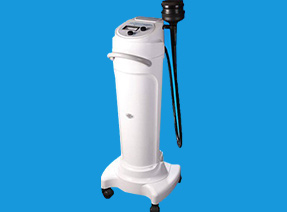
The Vibeassage Sport and the Vibeassage Pro featuring the TDX3 soft-as-the-hand Biomimetic Applicator Pad
https://www.teamdoctors.com/
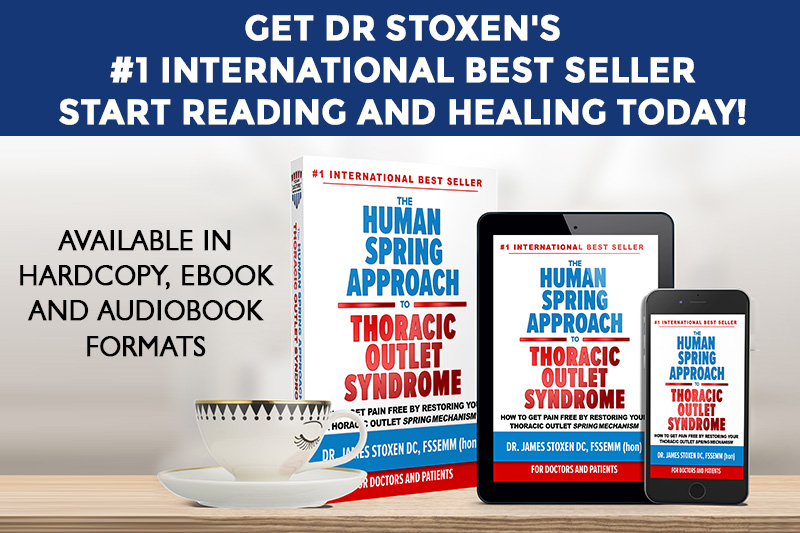
✓ Get Dr. Stoxen’s #1 International Bestselling Books
Learn how to understand, examine, and reverse your TOS—without surgery.
https://drstoxen.com/1-international-best-selling-author/
✓ Check out Team Doctors Online Courses
Step-by-step video lessons, demonstrations, and self-treatment strategies.
https://teamdoctorsacademy.com/
✓ Schedule a Free Phone Consultation With Dr. Stoxen
Speak directly with him so he can review your case and guide you on your next steps.
https://drstoxen.com/appointment/
#ThoracicOutletSyndrome #TOSExplained #NervePain #VascularCompression #ArmPain #NeckPain #ShoulderPain #PainSymptoms #ChronicPainCondition #HealthAwareness #BodyKnowledge #SelfCare #PainManagement #RehabJourney #Healing
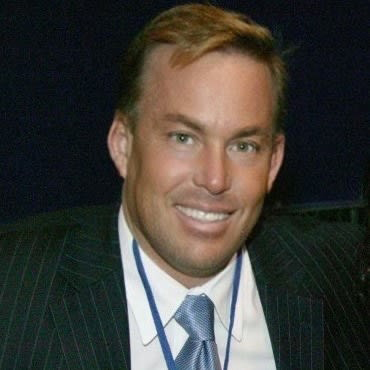
Dr James Stoxen DC., FSSEMM (hon) He is the president of Team Doctors®, Treatment and Training Center Chicago, one of the most recognized treatment centers in the world.
Dr Stoxen is a #1 International Bestselling Author of the book, The Human Spring Approach to Thoracic Outlet Syndrome. He has lectured at more than 20 medical conferences on his Human Spring Approach to Thoracic Outlet Syndrome and asked to publish his research on this approach to treating thoracic outlet syndrome in over 30 peer review medical journals.
He has been asked to submit his other research on the human spring approach to treatment, training and prevention in over 150 peer review medical journals. He serves as the Editor-in-Chief, Journal of Orthopedic Science and Research, Executive Editor or the Journal of Trauma and Acute Care, Chief Editor, Advances in Orthopedics and Sports Medicine Journal and editorial board for over 35 peer review medical journals.
He is a much sought-after speaker. He has given over 1000 live presentations and lectured at over 70 medical conferences to over 50,000 doctors in more than 20 countries. He has been invited to speak at over 300 medical conferences which includes invitations as the keynote speaker at over 50 medical conferences.
After his groundbreaking lecture on the Integrated Spring-Mass Model at the World Congress of Sports and Exercise Medicine he was presented with an Honorary Fellowship Award by a member of the royal family, the Sultan of Pahang, for his distinguished research and contributions to the advancement of Sports and Exercise Medicine on an International level. He was inducted into the National Fitness Hall of Fame in 2008 and the Personal Trainers Hall of Fame in 2012.
Dr Stoxen has a big reputation in the entertainment industry working as a doctor for over 150 tours of elite entertainers, caring for over 1000 top celebrity entertainers and their handlers. Anthony Field or the popular children’s entertainment group, The Wiggles, wrote a book, How I Got My Wiggle Back detailing his struggles with chronic pain and clinical depression he struggled with for years. Dr Stoxen is proud to be able to assist him.
Full Bio) Dr Stoxen can be reached directly at teamdoctors@aol.com