Thoracic Outlet Syndrome Surgery Myth: Removing Ribs and Scalenes Doesn’t Fix Compression
A Body That Slowly Stopped Trusting Itself
Danielle Barker’s life in Sudbury, Canada, was built around responsibility.
She was a full-time working mother with two young children, and her days were structured around productivity, caregiving, and endurance.
For years, she ignored early warning signs because stopping was not an option.
But her body was quietly losing its ability to adapt. What began as discomfort evolved into a relentless condition that stripped away function, confidence, and safety.
By the time her arm began changing color, Danielle was no longer dealing with “pain management.” She was confronting a system failure.
Pain That Spread Beyond the Neck and Shoulder
The pain did not stay localized. It radiated. Danielle experienced persistent pain in shoulder, deep pain in chest, and constant pain in arm that felt embedded in the tissue rather than on the surface.
The muscles of her neck and upper back were always tight, always pulling, always demanding relief.
Stretching became compulsive—not therapeutic, but desperate.
She cracked her neck repeatedly, searching for space that never held. The body felt locked in a pattern of contraction she could not interrupt.
The Arm That Felt Heavy, Cold, and Wrong
Over time, Danielle’s right arm began sending signals that were impossible to ignore.
She felt a profound heavy feeling in arm, as if gravity had increased only on one side of her body.
The arm often felt ice-cold, disconnected, and foreign.
She described it as weighing 100 pounds, even when resting. This was not soreness. This was dysfunction.
She found herself holding the arm up just to tolerate the sensation, unknowingly reinforcing postural collapse that fed the cycle of compression.
Upper Extremity Swelling as a Turning Point
The moment swelling became visible, everything changed. Danielle developed noticeable upper extremity swelling that fluctuated with activity. The arm felt tight, pressurized, and painful, particularly after use.
She noticed arm swelling after activity, and the pattern frightened her.
Swelling wasn’t just uncomfortable—it was a sign of compromised circulation. Her body was no longer quietly compensating.
It was signaling distress.
When the Hand Turned Blue
One of the most alarming moments in Danielle’s journey was seeing her hand change color.
She experienced episodes of a blue hand, sometimes progressing to a blue or purple hand that looked visibly abnormal.
The discoloration was accompanied by numbness, heaviness, and pain.
This wasn’t subjective. It was visible proof that blood flow was impaired.
The color change matched what clinicians describe as cyanotic discoloration, and it sent Danielle into a state of fear she had never known before.
Poor Circulation in the Arm Becomes a Daily Reality
The color changes were not isolated events.
Danielle lived with ongoing poor circulation in arm, marked by coldness, swelling, and fatigue.
Her hand sometimes felt useless, as if it did not belong to her body. She noticed cold hand or arm sensations even in warm environments.
These symptoms suggested blood flow issues in arm that worsened with posture and movement.
She began to fear normal activities, because each action carried the risk of triggering another episode.
Vein Compression in the Shoulder and Visible Vascular Changes
As circulation worsened, Danielle noticed visible changes in her veins.
There were signs of venous engorgement, particularly after activity.
At times, veins along her chest and shoulder region became more prominent, suggesting chest wall veins were being recruited as alternative pathways.
These changes pointed toward vein compression in shoulder, where the normal venous route was being obstructed. Her body was improvising—but improvisation came at a cost.
Arm Discoloration and Pain That Would Not Resolve
The combination of arm discoloration and pain created constant anxiety.
Danielle watched her arm closely, scanning for changes in color, temperature, and size.
She noticed arm color changes pain episodes that seemed to come without warning.
This hypervigilance was exhausting, but necessary.
She knew that ignoring these signs could be dangerous.
Her body was no longer just hurting—it was struggling to circulate blood effectively.
Reduced Blood Flow and the Threat Beneath the Surface
Danielle’s symptoms aligned with reduced blood flow to arm, a condition that can escalate quickly if left unresolved.
She felt arm feels heavy and tight, especially when lifting or holding objects.
Activities that required sustained arm use produced arm pressure with activity and lingering pain afterward.
These were not random symptoms; they followed a mechanical pattern consistent with vascular compression.
Diagnostic Testing and the Search for Answers
As her symptoms intensified, Danielle underwent extensive diagnostic evaluation.
Tests such as doppler ultrasound were used to assess blood flow dynamics.
Advanced imaging, including MR venography, MRI venography, and CT venography, was performed to visualize venous pathways and identify obstruction.
She also underwent venography, which revealed patterns of compression and impaired flow.
The imaging confirmed what her body had been screaming: blood flow was being compromised.
DVT and the Moment Fear Became Real
The most frightening development was the diagnosis of DVT (deep vein thrombosis).
A clot had formed in the compressed vein of her arm.
This was no longer theoretical risk—it was immediate danger.
Danielle was told that a clot could travel to her lungs and cause a fatal event.
The phrase “pulmonary embolism” entered her vocabulary, and with it came terror.
She began living with the knowledge that her condition could kill her.
Effort Thrombosis and Activity-Triggered Collapse
Danielle learned about effort thrombosis, where repetitive or sustained arm use in a compromised anatomical space leads to venous obstruction and clot formation.
This explained why her symptoms worsened with activity and why swelling followed exertion.
It also meant that ordinary life—working, parenting, lifting—had become hazardous.
She could not simply “rest” her way out of this condition, because life itself required movement.
Arm Vein Compression Symptoms That Controlled Her Life
The combination of swelling, discoloration, heaviness, and pain became a daily burden.
Danielle experienced classic arm vein compression symptoms, including arm swelling when lifting and arm swelling when overhead.
She noticed swollen arm after exercise, even mild exertion.
The arm felt unreliable, painful, and dangerous.
She began structuring her life around avoidance, which slowly eroded her independence.
Severe Thoracic Outlet Syndrome Takes Hold
Danielle’s condition progressed into what felt like
Severe thoracic outlet syndrome.
She experienced vascular thoracic outlet symptoms alongside nerve pain and muscular dysfunction. Her arm was not just painful—it was compromised at multiple levels.
She feared that continued compression would lead to permanent damage.
She lived with constant vigilance, watching for signs that her condition was escalating again.
Living With Thoracic Outlet Syndrome Becomes a Full-Time Job
The phrase Living with thoracic outlet syndrome took on real meaning for Danielle.
Every day required planning.
What could she lift? How long could she work?
How should she sleep? How could she protect her arm?
Pain dictated her schedule. Fatigue dictated her mood.
Fear dictated her decisions.
She was no longer living freely—she was managing risk.
When Surgery Is Presented as the Only Option
Given the severity of her vascular compromise, Danielle was told surgery was necessary.
She was warned that without intervention, she could face another clot or worse.
The recommendation involved removing anatomical structures to “create space.”
She was told that cutting out a rib and muscles could solve the problem.
At that point, she was desperate.
She wanted a cure for thoracic outlet syndrome, and surgery sounded like the only definitive answer.
The First Rib Resection and Muscle Removal
Danielle underwent surgery that involved a first rib resection and removal of key neck muscles. The logic was straightforward: reduce compression by removing barriers.
But the reality was brutal. The surgery did not restore function. Instead, it destabilized her neck and upper back.
She struggled to hold her head up. Pain intensified.
The original symptoms persisted, and new ones emerged. The promised relief never arrived.
When Surgery Makes Everything Worse
After surgery, Danielle experienced worsening pain in shoulder, persistent pain in chest, and unrelenting pain in arm.
The burning between her shoulder blades intensified.
The loss of muscular support forced her body into compensatory patterns that increased tension elsewhere. Instead of decompression, her system locked down harder.
The surgery addressed bone, but it did not address the muscle-driven mechanism that was collapsing the thoracic outlet.
The Misunderstanding of Compression Mechanisms
Danielle came to understand that her problem was not simply structural—it was functional.
The thoracic outlet is not a rigid tunnel; it is a dynamic space controlled by muscle tension, posture, and neuromuscular reflexes.
Removing a rib did not retrain her muscles to relax.
Removing neck muscles did not eliminate guarding.
The compression mechanism remained intact, and in some ways, it intensified as the body reacted defensively to surgical trauma.
Failed Relief and the Return to Conservative Care
After surgery failed, Danielle returned to conservative options. She tried treatment – physical therapy, treatment – adjustments, and other general approaches.
She sought conservative treatment of thoracic outlet syndrome and alternative treatment for thoracic outlet syndrome options. Each provided brief relief at best.
Nothing changed the baseline.
She was stuck in a loop of temporary improvement followed by relapse.
Pain Management and the Fear of Dependency
Danielle was offered medications, injections, and nerve blocks.
While these provided short-term relief, they did not resolve the underlying issue.
She feared becoming dependent on narcotics and muscle relaxants.
She needed to remain present for her children. She needed clarity.
The idea of managing pain indefinitely without improving function felt like a slow surrender.
Home Treatment Becomes the Only Sustainable Path
Living in Canada, traveling frequently for care was unrealistic.
Danielle needed at-home treatment for thoracic outlet syndrome strategies she could perform daily.
She needed thoracic outlet syndrome self-care that fit into real life.
Her symptoms were constant, so her care had to be consistent. Occasional appointments were not enough.
Discovering a Different Framework: The Human Spring Approach
Danielle discovered Dr. Stoxen’s Human Spring Approach, which reframed the body as a spring-based system rather than a rigid structure.
This perspective explained why her symptoms worsened with tension and improved with decompression.
The approach emphasized restoring elasticity, reducing chronic muscle contraction, and improving circulation by addressing the muscles that control space—not just the bones.
A Comprehensive Evaluation That Changed Direction
When Danielle traveled to Chicago to see Dr. Stoxen, she underwent an extensive examination that focused on identifying the muscles driving her compression.
The evaluation was not rushed. It mapped her entire history, posture, and movement patterns.
For the first time, she felt understood.
The plan was clear: reduce inflammation, release chronic muscle tension, and gradually rebuild strength to maintain space in the thoracic outlet.
The First Night of Real Sleep in Years
After several days of intensive care, Danielle experienced something she hadn’t felt in years—deep, uninterrupted sleep.
This was not just rest; it was a physiological shift.
Sleep signaled that her nervous system was calming and her body was releasing its protective grip.
When she woke up with less pain, she felt hope return for the first time in over a decade.
Thoracic Outlet Syndrome Natural Treatment Through Consistency
Danielle began a structured routine centered on vibration massage, progressive strengthening, posture correction, and anti-inflammatory nutrition.
This approach aligned with thoracic outlet syndrome natural treatment and non-surgical treatment for thoracic outlet syndrome, but it was grounded in anatomy and biomechanics, not vague wellness promises.
The goal was to change the mechanism of compression through daily practice.
Thoracic Outlet Self-Care That Restored Control
By continuing treatment at home, Danielle regained a sense of control.
She could respond to flare-ups immediately. She could prevent symptoms from escalating.
She no longer felt helpless.
This form of thoracic outlet syndrome holistic treatment gave her tools she could use independently.
Over time, her swelling reduced, her pain decreased, and her confidence returned.
Living Beyond Fear
Danielle still experienced symptoms at times, but they no longer ruled her life. She was not terrified of every sensation.
She understood her body. She had a plan.
She had a way to manage tension before it became compression.
Most importantly, she had hope grounded in results, not promises.
What Danielle’s Story Teaches
Danielle’s journey illustrates the danger of addressing thoracic outlet syndrome without addressing the muscle-driven mechanisms that control space.
Surgery alone did not solve her problem. Temporary therapies did not hold.
What changed her trajectory was understanding the body as a dynamic system and committing to consistent, targeted self-care.
Her story stands as both a warning and a message of possibility for anyone trapped in severe thoracic outlet syndrome.
Team Doctors Resources
✓ Check out the Team Doctors Recovery Tools
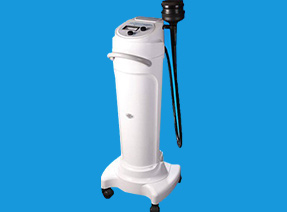
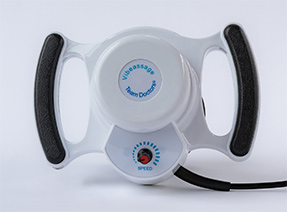
The Vibeassage Sport and the Vibeassage Pro featuring the TDX3 soft-as-the-hand Biomimetic Applicator Pad
https://www.teamdoctors.com/
✓ Get Dr. Stoxen’s #1 International Bestselling Books
Learn how to understand, examine, and reverse your TOS—without surgery.
https://drstoxen.com/1-international-best-selling-author/
✓ Check out Team Doctors Online Courses
Step-by-step video lessons, demonstrations, and self-treatment strategies.
https://teamdoctorsacademy.com/
✓ Schedule a Free Phone Consultation With Dr. Stoxen
Speak directly with him so he can review your case and guide you on your next steps.
https://drstoxen.com/appointment/
#ThoracicOutletSyndrome #FailedTOSSurgery #TOSRecovery #ChronicPainStory #VascularTOS #ArmPain #PatientAdvocacy #MedicalTrauma #SurgeryFailure #PainJourney #HumanSpringApproach #ChronicPainHope #TOSEducation #PainReversal #SelfTreatment #HealthFreedom #NoMoreSurgeries #RecoveryIsPossible #EmpoweredPatients #HealingPath
Medical Disclaimer
This article is provided for educational and informational purposes only. It is not intended to diagnose, treat, cure, or prevent any disease, nor is it intended to replace professional medical advice, diagnosis, or treatment.
Thoracic outlet syndrome and related nerve, vascular, and musculoskeletal conditions can present differently in each individual. Treatment decisions—including surgical and non-surgical options—must be made on a case-by-case basis in consultation with a qualified, licensed healthcare professional who is familiar with the patient’s complete medical history.
The experiences described in this article reflect individual outcomes and do not guarantee similar results for others. Surgical procedures, including thoracic outlet surgery and first rib resection, carry inherent risks, and outcomes vary based on many factors including diagnosis, timing, practitioner experience, and patient-specific anatomy and physiology.
Readers should not delay or discontinue medical care based on information contained in this article. Always seek the guidance of a qualified healthcare provider with any questions regarding symptoms, conditions, or treatment options.
Editor’s Note
This article explores a patient and family experience following thoracic outlet syndrome surgery and highlights the importance of comprehensive evaluation, informed decision-making, and second opinions when managing complex pain conditions.
The article also references the Human Spring Approach, a biomechanical evaluation and treatment framework developed by Dr James Stoxen, which emphasizes understanding the body as an integrated, dynamic spring system rather than a collection of isolated anatomical structures. The inclusion of this approach is intended to illustrate an alternative clinical perspective, not to discredit surgery or any specific medical specialty.
Mention of specific clinicians, evaluation models, or treatment philosophies does not constitute endorsement, medical advice, or a claim of superiority. Rather, it reflects the editorial goal of encouraging patients and families to seek clarity, explanation, and individualized assessment before pursuing irreversible interventions.
The editorial position of this publication is that understanding should precede intervention, especially in conditions where symptoms persist, worsen, or fail to respond to standard care.

Dr James Stoxen DC., FSSEMM (hon) He is the president of Team Doctors®, Treatment and Training Center Chicago, one of the most recognized treatment centers in the world.
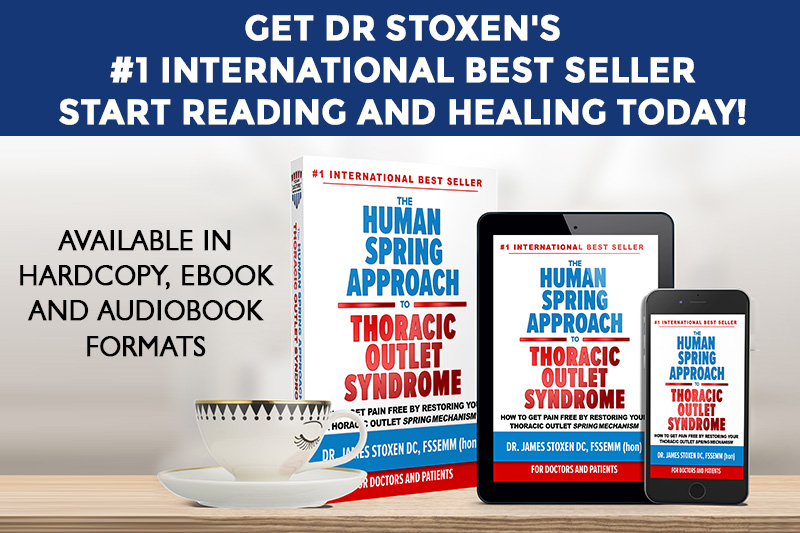
Dr Stoxen is a #1 International Bestselling Author of the book, The Human Spring Approach to Thoracic Outlet Syndrome. He has lectured at more than 20 medical conferences on his Human Spring Approach to Thoracic Outlet Syndrome and asked to publish his research on this approach to treating thoracic outlet syndrome in over 30 peer review medical journals.
He has been asked to submit his other research on the human spring approach to treatment, training and prevention in over 150 peer review medical journals. He serves as the Editor-in-Chief, Journal of Orthopedic Science and Research, Executive Editor or the Journal of Trauma and Acute Care, Chief Editor, Advances in Orthopedics and Sports Medicine Journal and editorial board for over 35 peer review medical journals.
He is a much sought-after speaker. He has given over 1000 live presentations and lectured at over 70 medical conferences to over 50,000 doctors in more than 20 countries. He has been invited to speak at over 300 medical conferences which includes invitations as the keynote speaker at over 50 medical conferences.
After his groundbreaking lecture on the Integrated Spring-Mass Model at the World Congress of Sports and Exercise Medicine he was presented with an Honorary Fellowship Award by a member of the royal family, the Sultan of Pahang, for his distinguished research and contributions to the advancement of Sports and Exercise Medicine on an International level. He was inducted into the National Fitness Hall of Fame in 2008 and the Personal Trainers Hall of Fame in 2012.
Dr Stoxen has a big reputation in the entertainment industry working as a doctor for over 150 tours of elite entertainers, caring for over 1000 top celebrity entertainers and their handlers. Anthony Field or the popular children’s entertainment group, The Wiggles, wrote a book, How I Got My Wiggle Back detailing his struggles with chronic pain and clinical depression he struggled with for years. Dr Stoxen is proud to be able to assist him.
Full Bio) Dr Stoxen can be reached directly at teamdoctors@aol.com